What Would Happen If The Great Pacific Garbage Patch Reached Shore
The Great Pacific Garbage Patch covers an estimated 618,000 square miles (1.6 million square kilometers) of the North Pacific Ocean, more than twice the size of Texas. Despite its name, it is not a solid island of trash. It is a vast accumulation zone where ocean currents concentrate plastic fragments, discarded fishing nets, and other marine debris. Located within the North Pacific Subtropical Gyre, primarily between Hawaii and California, the patch contains an estimated 79,000 metric tonnes of plastic. Its boundaries continually shift as winds and currents redistribute the debris. Although the main accumulation zones remain far offshore, plastic carried by the same circulation system already washes onto Hawaiian beaches.
The Formation Of The Pacific Garbage Patch

Plastic enters the ocean through rivers, coastal runoff, improperly discarded waste, and fishing activities. Lost fishing nets and other equipment also contribute to marine debris. Once in the water, floating materials can travel thousands of miles, carried by winds and ocean currents. In the North Pacific, a large system of rotating currents known as the North Pacific Subtropical Gyre concentrates some of this debris in offshore accumulation zones.
The Great Pacific Garbage Patch consists of two major accumulation regions, commonly called the Eastern and Western Garbage Patches. The eastern region lies between Hawaii and California, while the western region is closer to Japan. Debris concentrations fluctuate with ocean conditions, making the patch difficult to define or measure precisely. Similar accumulation zones occur within the other four major subtropical ocean gyres, located in the South Pacific, North Atlantic, South Atlantic, and Indian oceans.
How Big Is It?

A 2018 study published in Scientific Reports estimated that the Great Pacific Garbage Patch covered approximately 618,000 square miles (1.6 million square kilometers) and contained at least 79,000 metric tonnes of floating plastic. Researchers estimated that discarded fishing nets accounted for at least 46% of the plastic mass. Larger plastic objects contributed substantially to the total weight, while smaller fragments made up the overwhelming majority of individual pieces.
These estimates do not represent fixed boundaries or a permanent concentration of debris. Much of the plastic consists of small fragments dispersed across the ocean's surface and upper layers, making it difficult to detect without collecting water samples. Research published in 2024 also documented increasing concentrations of small plastic fragments in the patch over several years. However, changes in plastic concentration do not necessarily mean the patch's geographic area has expanded by the same proportion.
The Closest Shorelines

The Hawaiian Islands and the California coast are among the major land areas closest to the eastern accumulation zone, although the patch has no single fixed location. Hawaii lies southwest of the main eastern concentration, while California is farther east across the Pacific. The western accumulation zone lies closer to Japan. Ocean currents connect these regions and transport debris across considerable distances.
Hawaii is particularly vulnerable to marine debris carried through the North Pacific circulation system. The Northwestern Hawaiian Islands, including Midway Atoll, receive plastic fragments, discarded fishing equipment, and other floating waste. Currents and seasonal changes in ocean conditions influence where debris accumulates and how much eventually reaches shore.
The Impact On The Environment

Marine debris threatens wildlife through entanglement, ingestion, and habitat damage. Abandoned fishing nets can trap sea turtles, marine mammals, fish, and seabirds. Animals caught underwater may drown if they cannot surface to breathe. Plastic fragments can also be mistaken for food, potentially causing digestive injuries, blockages, and reduced feeding. Larger debris can damage coral reefs and other sensitive marine habitats.
Floating plastic can also transport organisms far beyond their usual habitats. Coastal species attached to debris may survive long ocean voyages and reach unfamiliar ecosystems, potentially disrupting local species and habitats. Plastic fragments gradually break down into smaller pieces that are difficult to recover. Scientists are investigating how microplastics move through marine food webs and whether associated chemicals and microorganisms pose risks to humans. Although microplastics have been detected in seafood and other foods, their long-term effects on human health remain uncertain.
What Would Happen If It Reached The Shore?
Could It Happen?

Debris from the Great Pacific Garbage Patch already reaches shorelines, particularly in the Hawaiian Islands. However, the entire patch cannot be expected to wash ashore as one enormous mass. Its plastic is dispersed across a vast expanse of ocean, and individual pieces move with changing currents and winds. Coastal contamination occurs when debris is transported from offshore accumulation zones and deposited on beaches and reefs.
The Northwestern Hawaiian Islands provide documented examples of this process. Government research has estimated that approximately 52 metric tonnes of derelict fishing gear accumulate annually on reefs within Papahānaumokuākea Marine National Monument. A 2007 study in Marine Pollution Bulletin examined debris collected at French Frigate Shoals between 1990 and 2006. Researchers recorded 52,442 debris items, approximately 71% of which were plastic. Annual collections ranged from 1,116 to 5,195 items, with greater deposition during El Niño than during La Niña conditions.
Ocean circulation also influences debris accumulation on the main Hawaiian Islands. A 2024 study examining marine debris collected from Kauai and Hawaii Island between 2013 and 2022 found that changes in the position of the North Pacific garbage patch helped explain year-to-year differences in shoreline debris. These findings demonstrate that plastic can reach land through existing ocean circulation without any extraordinary disruption to global climate patterns.
What Would Happen?

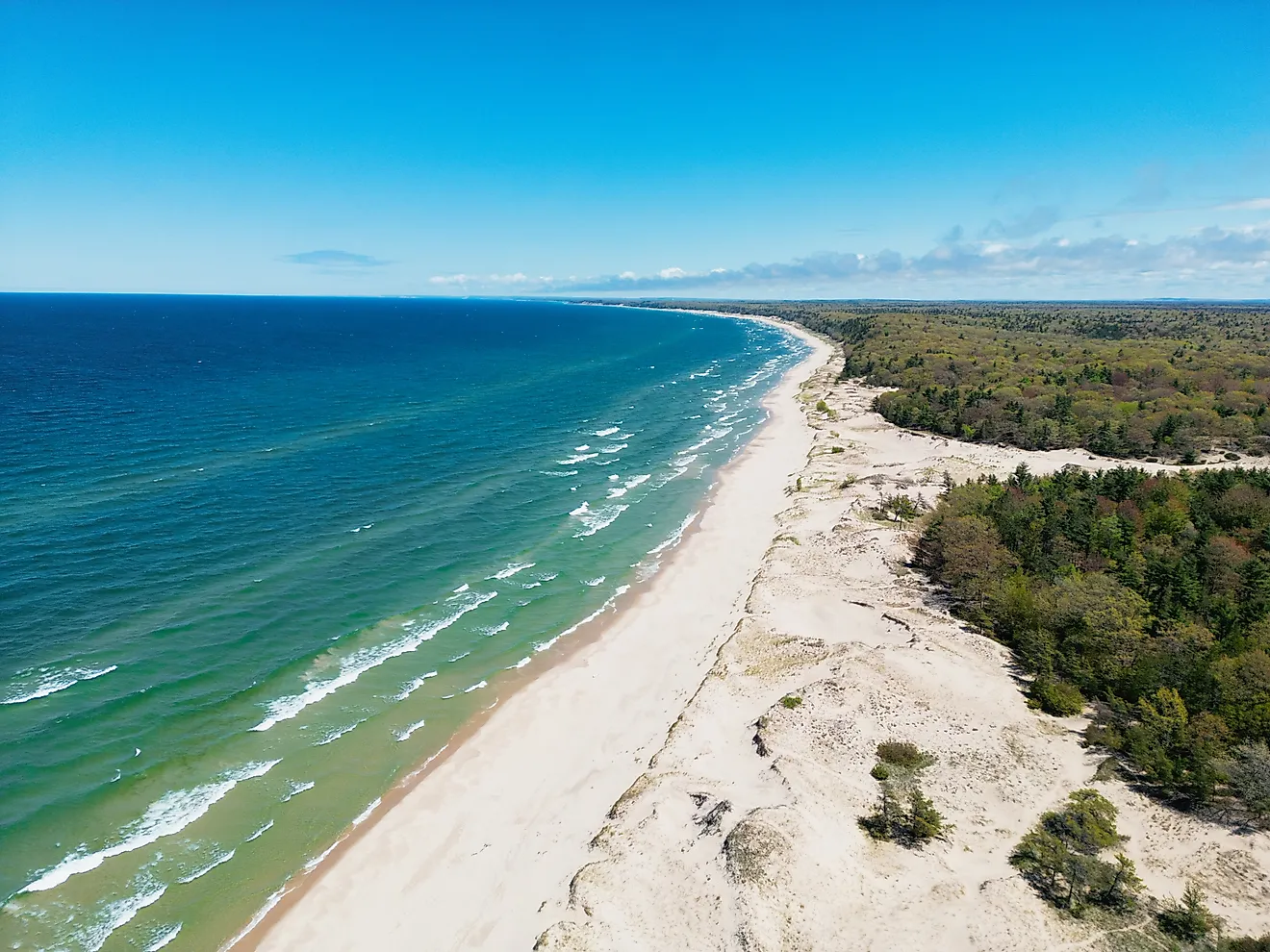
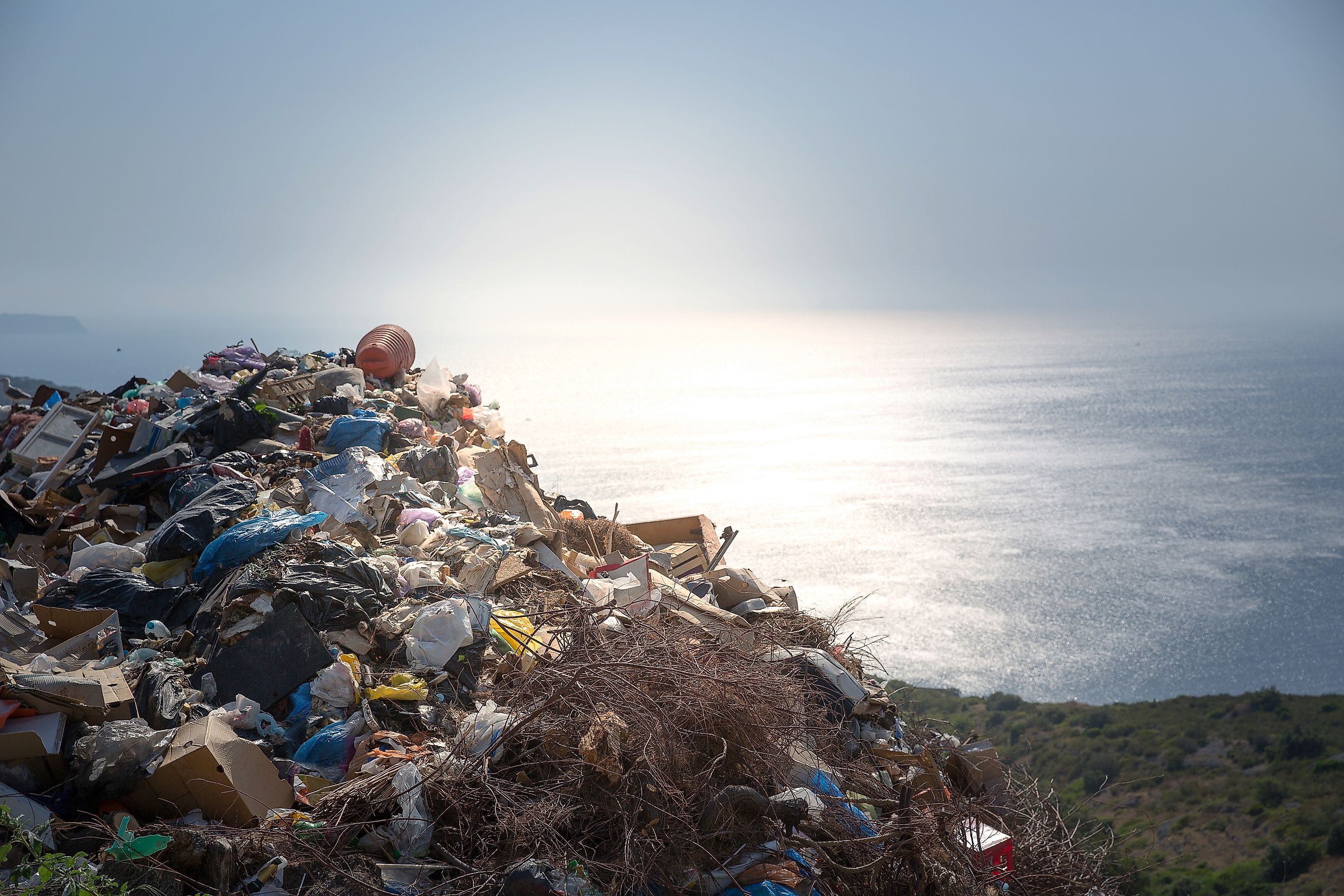
If unusually large quantities of plastic debris accumulated along a coastline, the consequences could be severe. Beaches and rocky shorelines could become covered with plastic fragments, bottles, ropes, and discarded fishing gear. Nets could become entangled in coastal vegetation or snag on coral reefs, while smaller fragments could become mixed into sand and sediment. The damage would depend on the quantity and type of debris, local habitats, and coastal conditions.
Wildlife would face increased risks of entanglement and plastic ingestion. Sea turtles and seabirds could become trapped in discarded fishing gear or consume plastic fragments, while debris could interfere with feeding and nesting habitats. Coral reefs could suffer physical damage from heavy objects and entangled nets. Waves and tides could repeatedly move debris across sensitive habitats, causing additional damage even after some material had been removed.

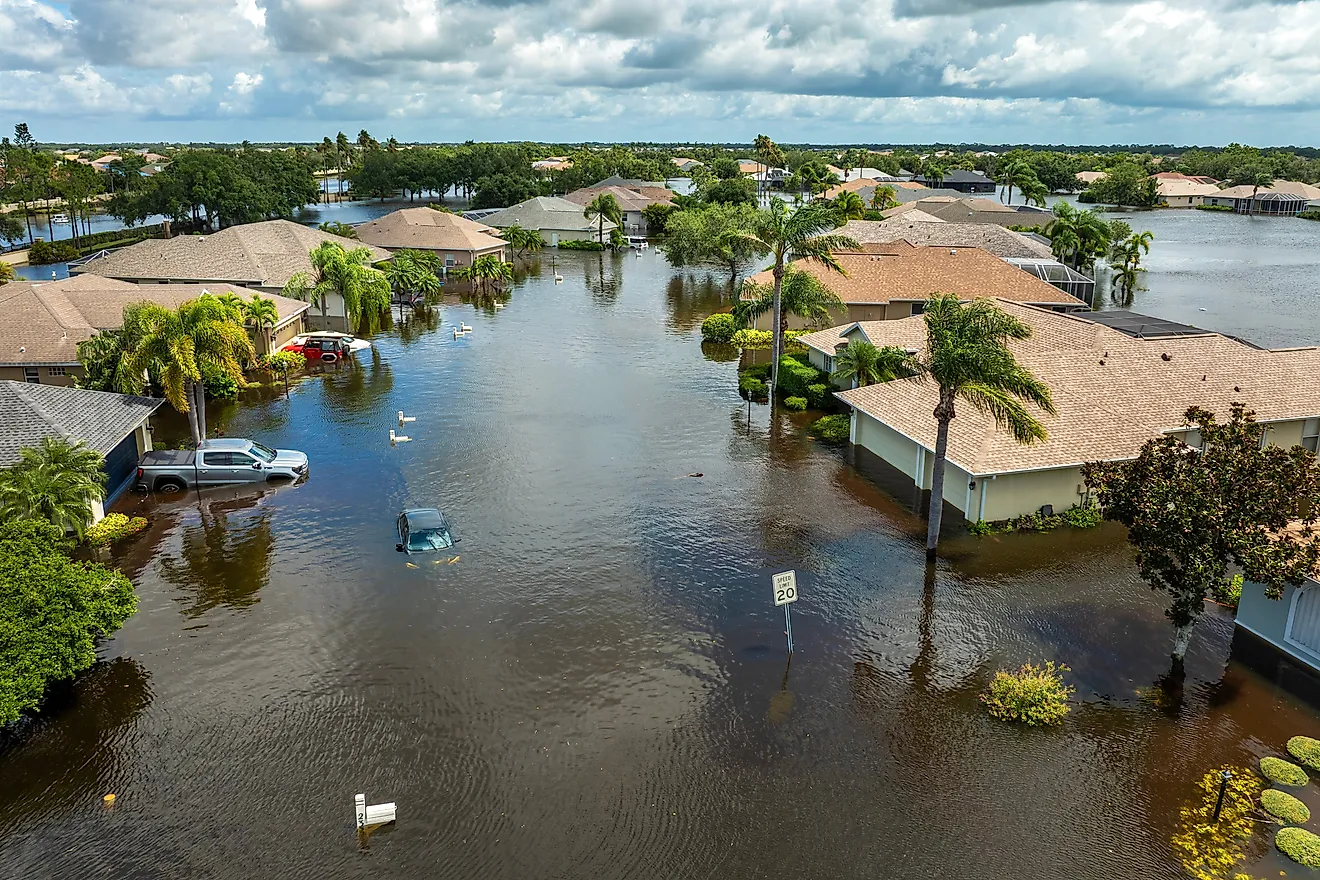
Coastal communities could also face substantial economic consequences. Marine debris can interfere with fishing operations, damage boat equipment, and increase cleanup expenses. Heavily contaminated beaches may also discourage visitors, affecting businesses that depend on tourism. The United Nations Environment Programme identifies marine plastic pollution as a threat to fisheries, aquaculture, and coastal livelihoods.
Cleanup would present particular difficulties in remote islands and environmentally sensitive areas. Large objects such as fishing nets and ropes can be collected, but removing microplastics from sand and sediment is considerably more difficult. Cleanup operations may also disturb coastal habitats, requiring careful removal methods. Even after a major cleanup, ocean currents could continue to deposit additional debris, necessitating repeated collection.
A Continuing Threat To Pacific Coastlines
The Great Pacific Garbage Patch is not a floating island capable of crashing into a coastline. Its environmental threat comes from the enormous quantity of plastic circulating through the North Pacific and the debris that continually reaches marine habitats and shorelines. Research in Hawaii has documented how ocean conditions influence debris deposition, while studies of the patch have identified substantial concentrations of fishing gear and smaller plastic fragments. Removing existing debris can reduce immediate hazards, but preventing additional plastic from entering the ocean remains essential to limiting future accumulation and coastal pollution.