How A Great Lakes Freighter Compares To An Aircraft Carrier
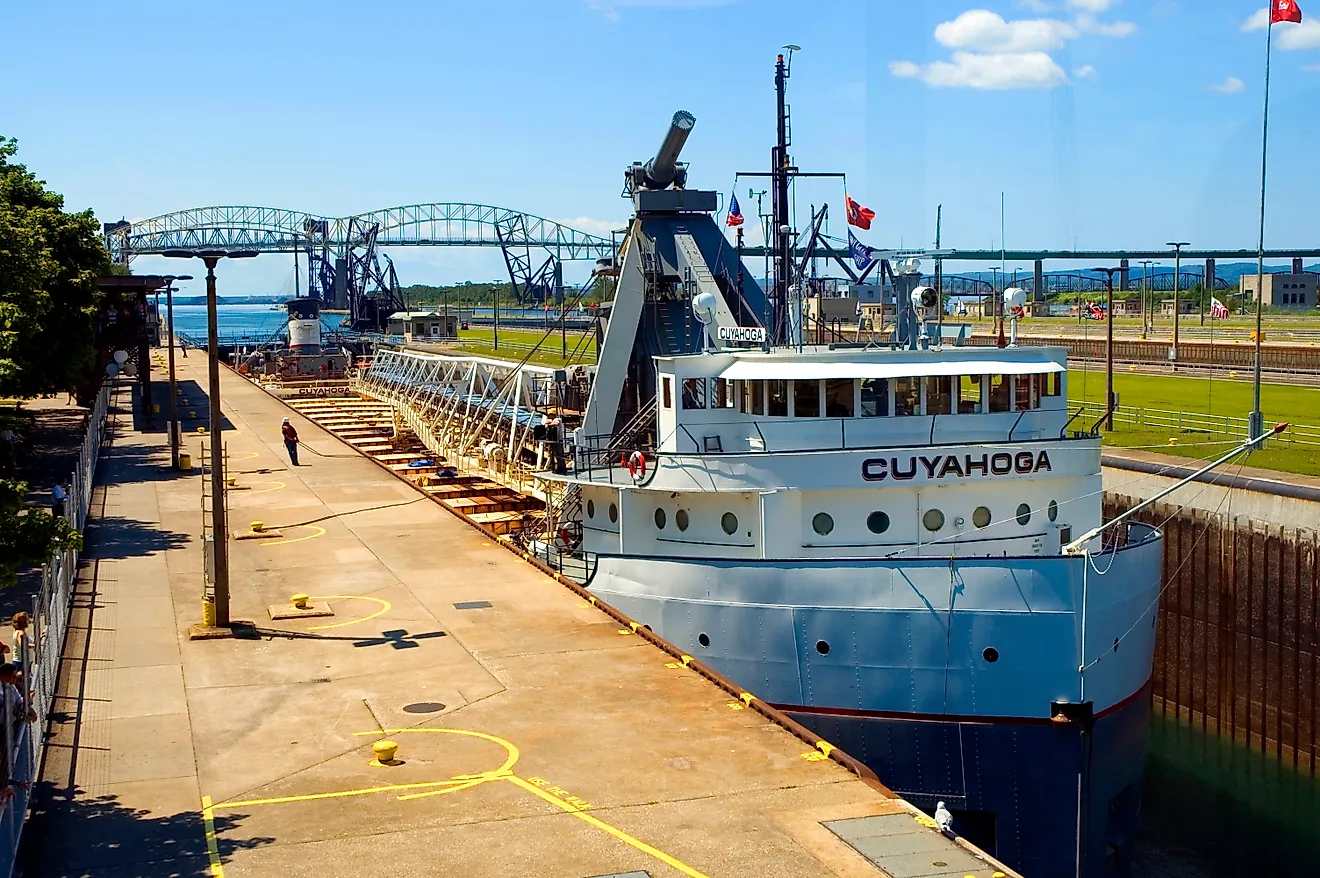
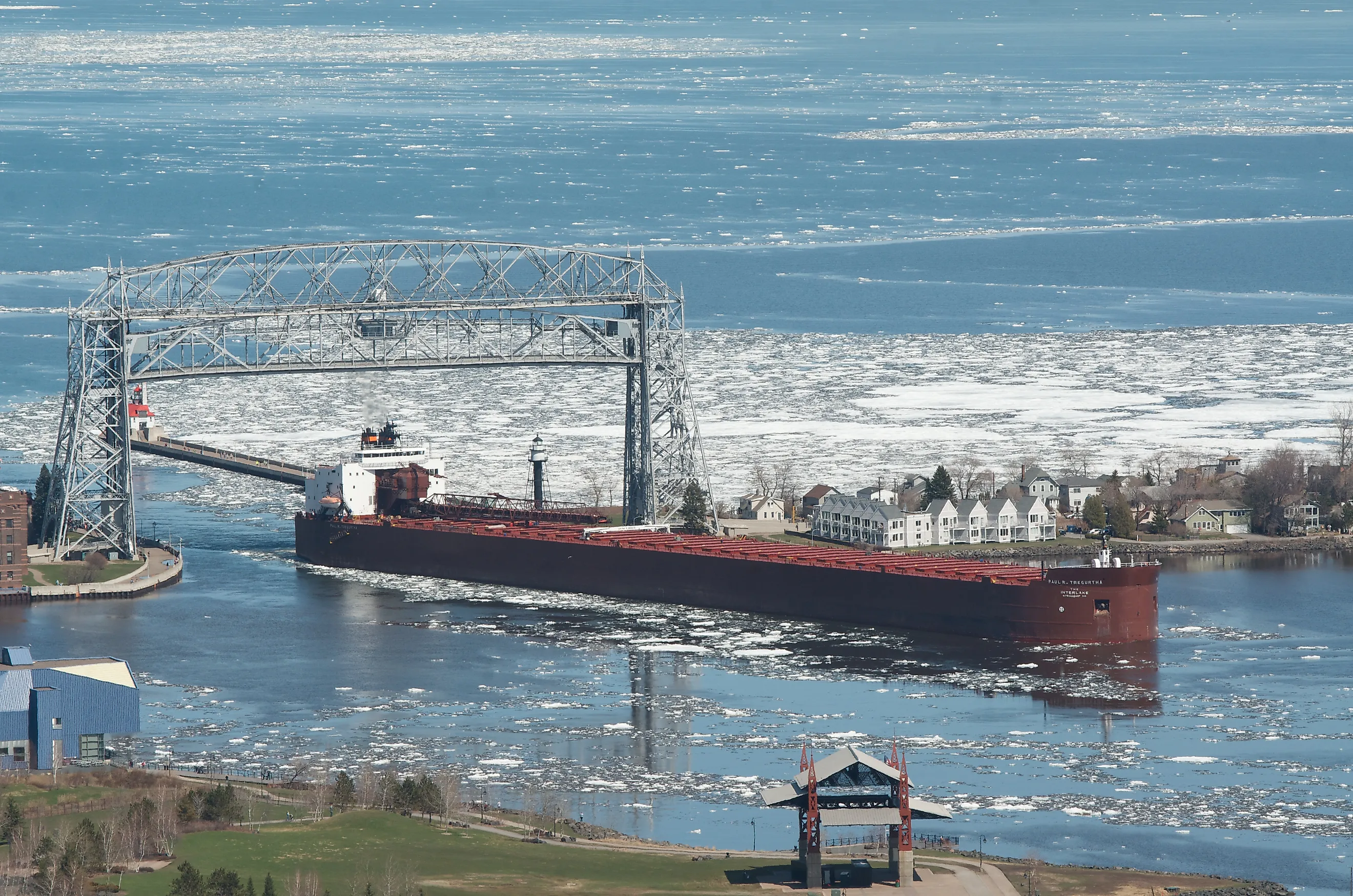
The Paul R. Tregurtha is 1,013.5 feet long and a Gerald R. Ford-class aircraft carrier is 1,106, a gap of 92 feet between the largest ship on the Great Lakes and the largest warship ever built. They are close enough to belong in the same conversation on length and nowhere near each other on anything else. The most absurd difference is the crew: the carrier runs about 4,500 people and the freighter runs 21 to 28.
On Length It Is Almost A Fair Fight

Nine percent separates them, which is far closer than anybody expects a bulk carrier to get to a supercarrier.
Interlake Steamship gives the Tregurtha an overall length of 1,013.5 feet, making her the longest vessel on the lakes since she entered service in 1981. The Ford class measures 1,106 feet, with the preceding Nimitz class at 1,092.
Put another way, the freighter is 91.6 percent of a Ford-class carrier by length. Nothing else about the comparison stays that respectable.
The Flight Deck Is The Problem

Width is where the two ships stop being comparable objects.
The Tregurtha has a beam of 105 feet. A Ford-class carrier is 134 feet at the waterline and 256 feet across the flight deck. The carrier is nearly two and a half times wider at the top.
Which produces the detail that makes this comparison worth running. The Poe Lock, the only chamber on the Soo Locks big enough for a thousand-footer, is 110 feet wide. A Ford-class flight deck misses it by 146 feet.
Twenty-Four People Run A Thousand-Foot Ship

The crew figures are the part that genuinely does not seem plausible until you check it twice.
The Tregurtha sails with a crew of 21 to 28. A Ford-class carrier carries roughly 4,500 including the air wing. That is about 188 crew on the carrier for every one on the freighter.
Expressed per person, each crew member on the laker is responsible for around 42 feet of ship. On the carrier it is about three inches each.
One Carries Cargo, One Carries Aircraft

The two ships are built around opposite problems, and the hull shapes show it.
The Tregurtha carries 68,000 tons of iron ore or about 63,600 tons of coal in five long holds, and unloads at 10,000 tons of ore an hour. A Ford-class carrier displaces around 100,000 tons in total and its payload is aircraft.
So the freighter's cargo alone is roughly 68 percent of everything a carrier weighs. One ship exists to move rock and the other exists to move a runway.
The Freighter Is Weaker By An Order Of Magnitude

Propulsion is the least close category of all, and it is not a criticism of the laker.
The Tregurtha runs two diesels producing 8,160 horsepower with a 1,500 horsepower bow thruster. A Ford-class carrier has two nuclear reactors and does not publish a comparable figure, but the Nimitz class was rated around 260,000 shaft horsepower.
That is roughly 32 times the power for a ship nine percent longer. The carrier needs to make 30 knots into the wind to launch aircraft. The freighter needs to get coal from Ashtabula to a power station.
Neither Can Visit The Other

Both vessels are prisoners of geography, in opposite directions.
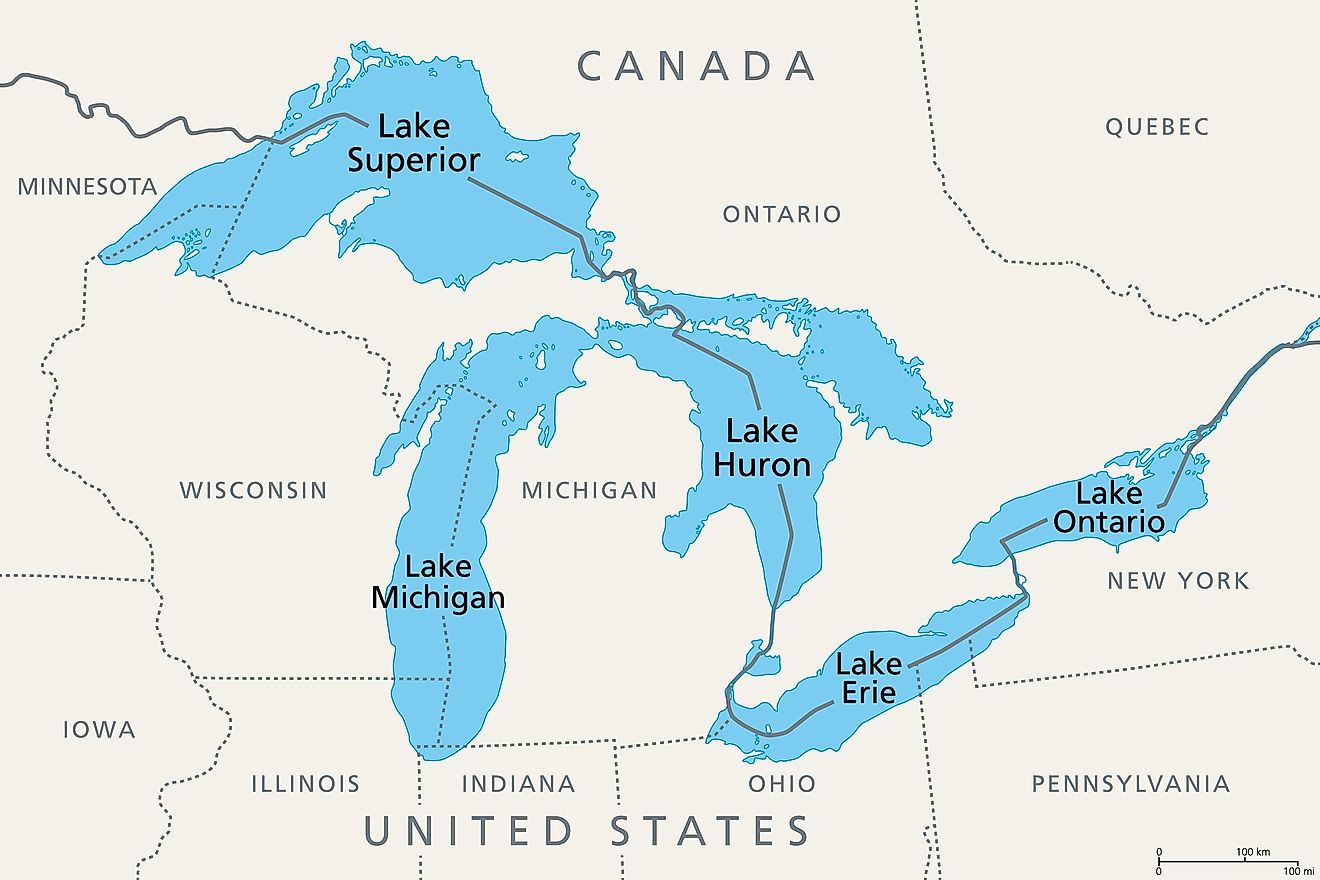
The thousand-footers cannot leave the Great Lakes. The Welland Canal locks are 80 feet wide against the laker's 105-foot beam, and around 740 feet long against her 1,013. Thirteen thousand-footers spend their entire working lives on Superior, Michigan, Huron and Erie.
A carrier cannot get in for the same reasons in reverse. The two ships could never meet unless somebody built one in Ohio, which is in fact where the Tregurtha was built.
Designed Around A Lock Instead Of An Enemy

The laker's proportions are not an aesthetic choice, and understanding why explains the whole class.
With beam fixed at the Poe Lock's 110 feet and draft fixed by channel depth, the only dimension left for designers to grow was length. The result is a hull nearly ten times longer than it is wide, with a blunt bow, filling almost the entire lock chamber.
The Tregurtha clears the Poe Lock walls by about two and a half feet on each side. A Ford-class carrier was designed around catapults and a 4,500-person town.
One Is Forty-Five Years Old And Fine

Service life is the category where the freighter quietly wins, for a chemical reason.
The Tregurtha entered service in 1981 and is still working, in good condition largely because she has never touched salt water. Fresh water corrodes steel far more slowly, which is why Great Lakes hulls last decades longer than ocean hulls of the same age.
The entire thousand-foot class was built between 1972 and 1981, and no new Great Lakes freighter was constructed for nearly four decades afterwards.
What The Comparison Is Actually For
Almost nobody has a sense of how large a Great Lakes freighter is, and most people have seen a carrier on television.
Setting the two side by side converts an unfamiliar object into a familiar one in a single step, which is the only job a scale comparison has. A thousand-footer is a ship within a hundred feet of a supercarrier, moving through a lock with thirty inches to spare on each side, run by two dozen people.
It also delivers the surprise these need, because almost nobody expects a freighter on a lake to be in that size class at all.
The Scoreboard

The carrier wins on length by 92 feet, on width by two and a half times, on displacement by half as much again, on power by a factor of about 32, and on crew by a factor of 188.
The freighter wins on cargo, on longevity, and on the ratio of ship to staff. It is 91.6 percent of a supercarrier operated by fewer people than a village pub, and it has never once left the lake it was built beside.