How Far North Asian Carp Have Reached
In the 1970s, Asian carp were new arrivals in a handful of Arkansas fish farms. Their descendants have since been caught farther north than Montreal, after fifty years spent moving up the rivers of the continent. Almost nothing has stopped them. The defenses that still hold are surprisingly few, and one of them is an electric fence strung across a canal outside Chicago.
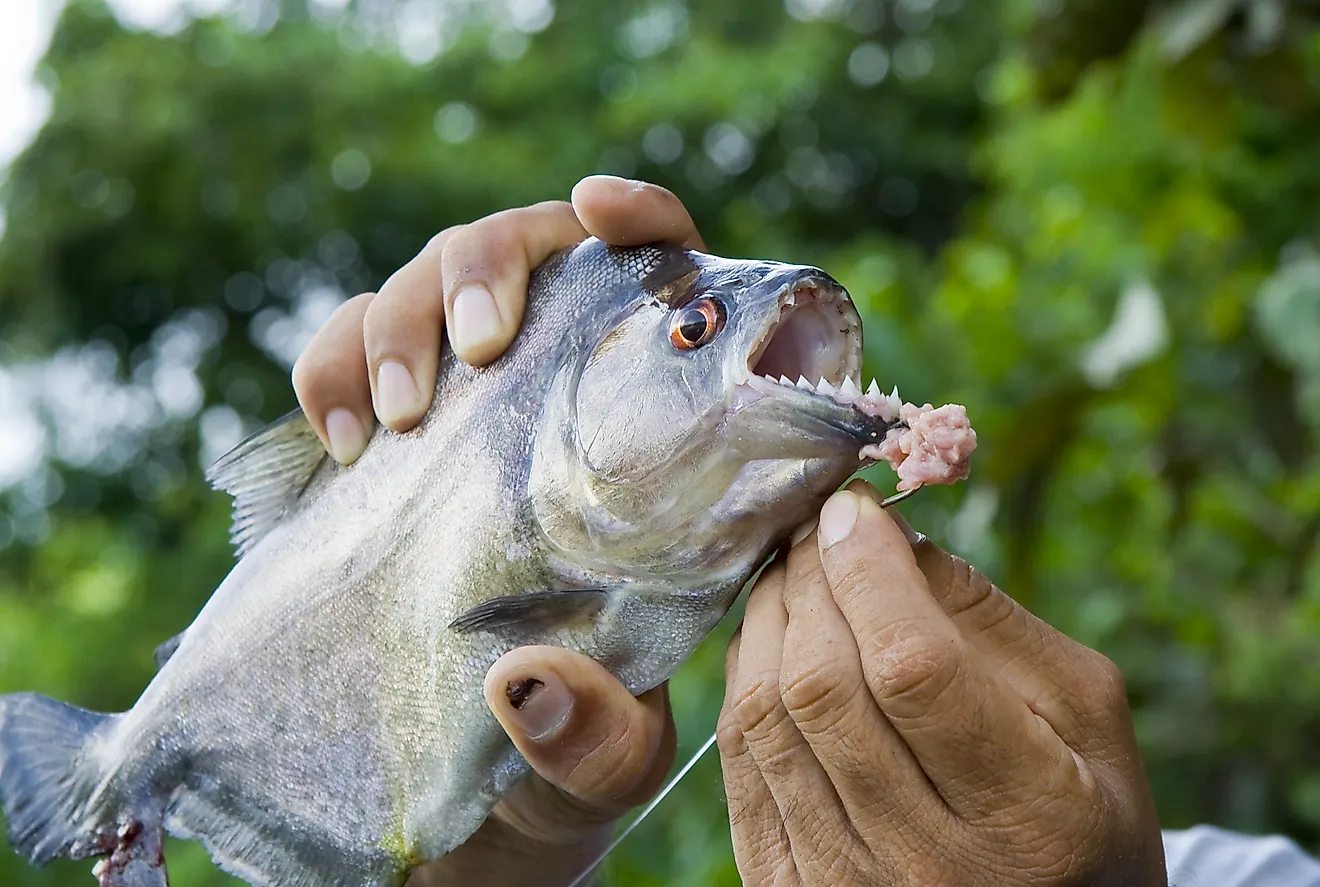
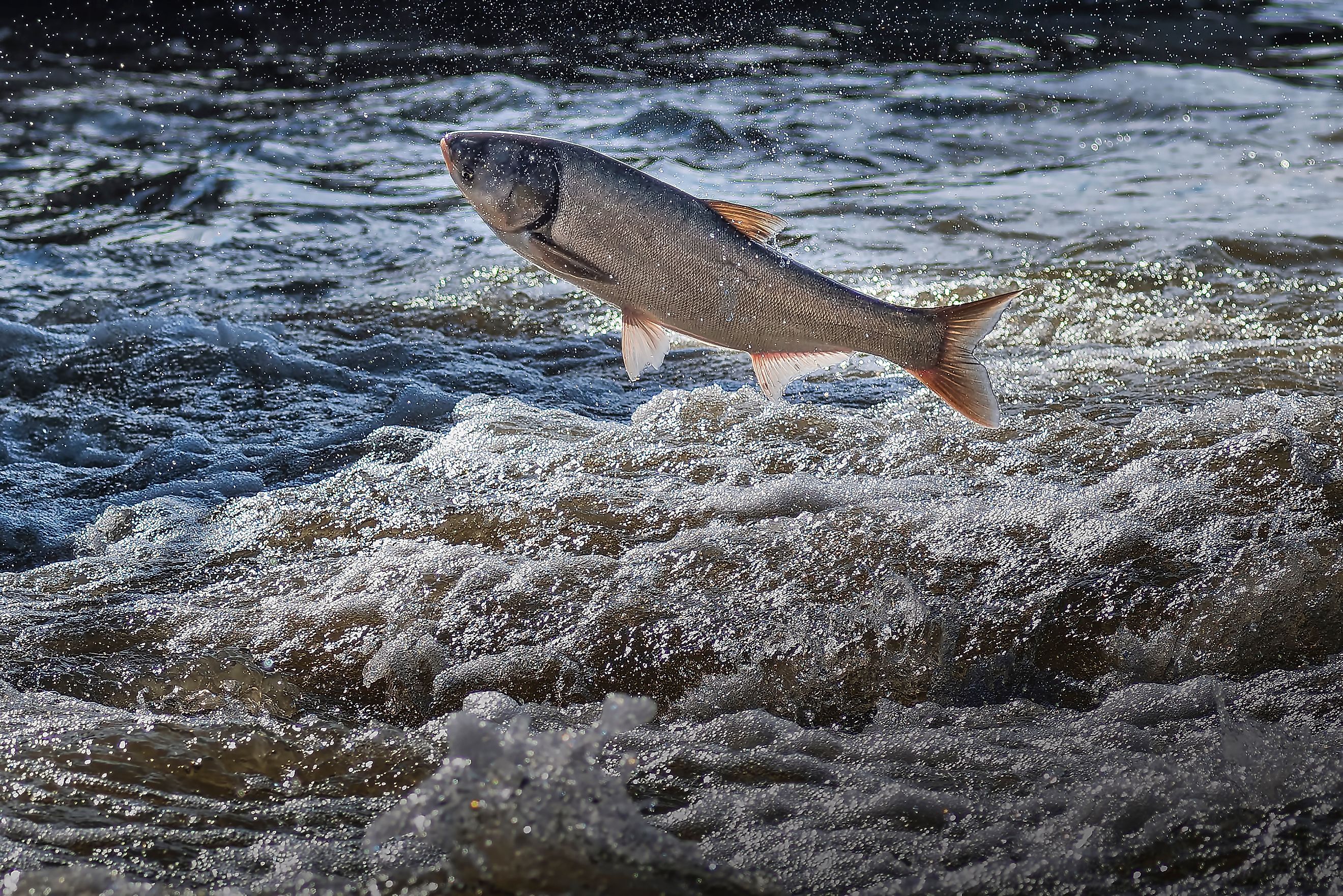
The fish commonly called Asian carp are actually four species: bighead, silver, grass, and black carp. The U.S. Fish and Wildlife Service switched to the name "invasive carp" in 2021. The fish have been working their way upstream since escaping into the Mississippi River in the 1970s, and their range today is not one tidy line but a set of separate frontiers, each held back by a particular dam, lock, or electric barrier. Some have barely moved in a decade. One shifted in August 2026, about 80 miles from Lake Michigan. And one Great Lake has not yet recorded a single fish of any of the four species.
The Northern Tip Is North Dakota's James River

The Missouri River should have stopped them. Gavins Point Dam at Yankton has kept silver and bighead carp off the upper Missouri River. In South Dakota, the carp stalled at Falls Park in Sioux Falls on the Big Sioux and at the Lake Vermillion spillway. The James River, however, has only small low-head dams in South Dakota, and floodwater finally carried the carp past them. Record high flows in 2011 opened the way north, and that October an angler caught North Dakota's first silver carp near LaMoure. A bighead carp turned up in the same stretch in 2019, again after high water.
The fish kept going until they hit the Jamestown Dam, a Bureau of Reclamation dam built for flood control, not fish control. North Dakota Game and Fish now bars anglers from taking live bait from the James between the dam and the South Dakota line. The state's aquatic nuisance species coordinator said in 2024 that crews see a few silver carp each year, but nothing close to high densities. State biologists said in 2018 that the fish were surviving in North Dakota but did not appear to be reproducing. Downstream is a different story. South Dakota State University researchers have found young-of-the-year carp in the James, a sign the fish are probably spawning there.
Minnesota Takes Unprecedented Action On The Mississippi

Carp records go back further in Minnesota than most people might expect. The state caught its first grass carp in 1977, its first bighead in 1996, and its first silver carp in 2008. Before 2018, captures numbered fewer than 10 fish a year. Still, individual fish covered remarkable distances. As of 2023, the farthest upstream detections were in Pool 2 of the Mississippi River near Hastings, the lower St. Croix River near Stillwater, and below the Granite Falls Dam on the Minnesota River.
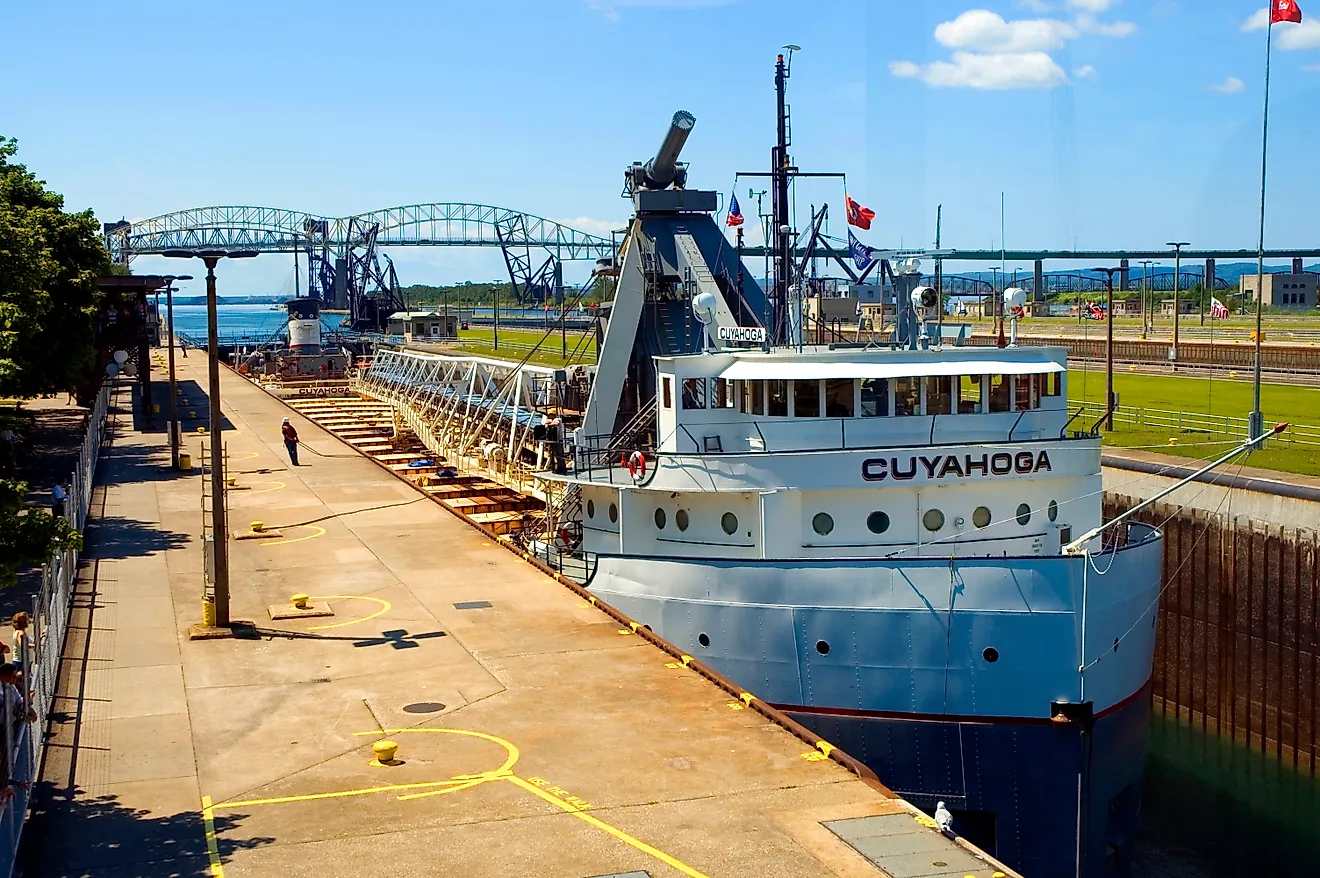
What has kept them from moving above Minneapolis is a decision with no precedent. Congress ordered the Upper St. Anthony Falls Lock closed, and the last boats locked through in June 2015. It was the first time a navigable U.S. waterway had been shut to stop an invasive species. The reasoning was simple. St. Anthony Falls is the only major natural waterfall on the Mississippi, and without a working lock, fish cannot ride past it alongside barge traffic.
Pressure below the falls has grown since. Crews pulled 410 invasive carp out of Pool 6 near Trempealeau, Wisconsin, in late 2023, the largest capture on record in Minnesota waters. In July 2025, carp fitted with acoustic tags led biologists to a school in Pool 8, where the Root River joins the Mississippi near La Crosse. The Minnesota DNR says it has found no evidence of carp reproducing in state waters, and it is evaluating a deterrent at Lock and Dam 5.
Illinois Is Holding The Line Near Chicago

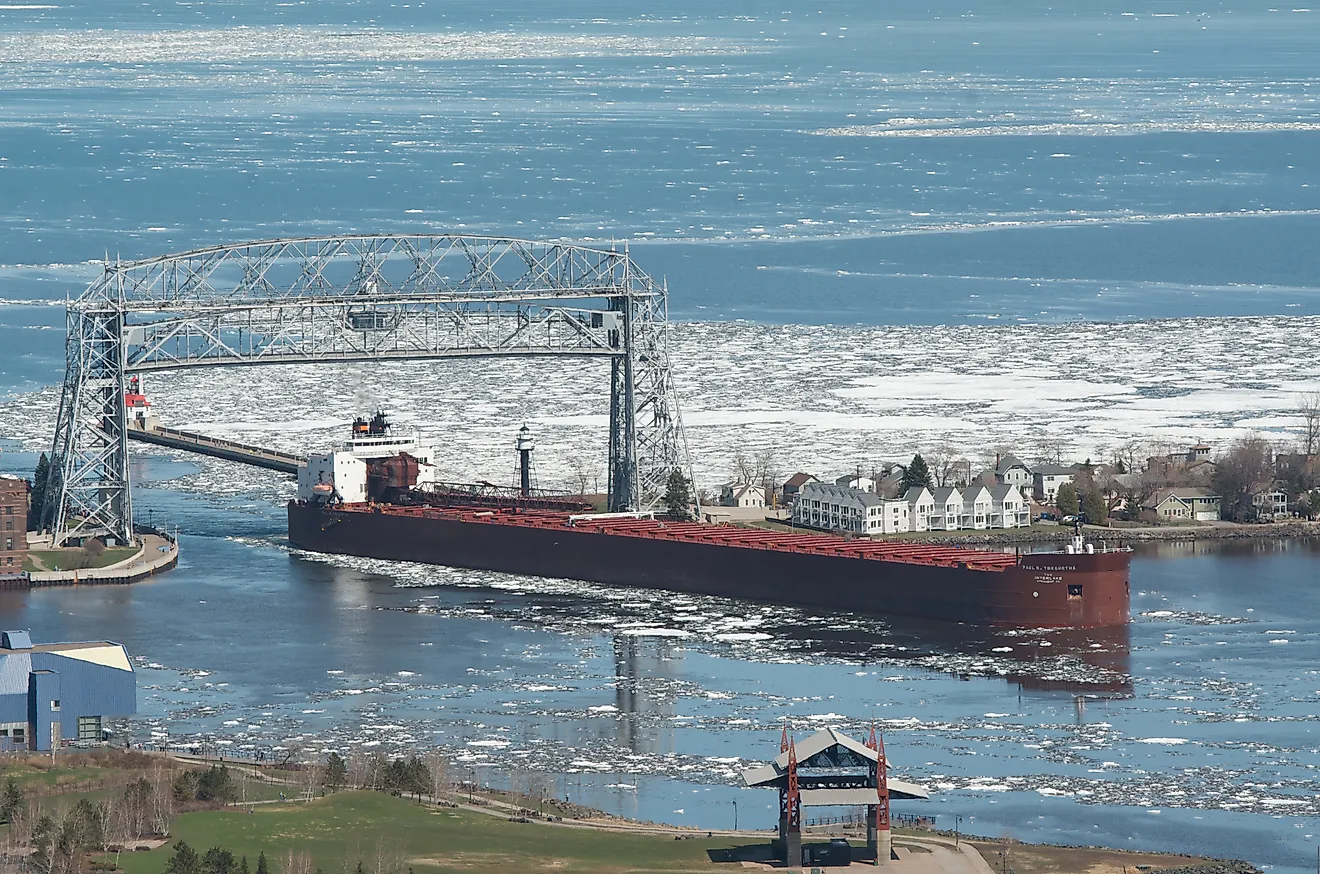
The frontier that matters most for all of the Great Lakes sits on the Illinois River southwest of Chicago. For about 16 years, adult silver and bighead carp have been held in the Dresden Island Pool, roughly 47 river miles from Lake Michigan. Ten miles upstream at Romeoville, the Electric Dispersal Barrier System in the Chicago Sanitary and Ship Canal forms the next line of defense, just 37 miles from the lake.
Holding that line takes nets. Commercial fishers working with Illinois biologists removed more than 7 million pounds of invasive carp from the Illinois River in 2025 alone, and the running total since 2010 is close to 50 million pounds. Despite these efforts, monitoring has still caught a few fish where they should not be. A bighead carp turned up in Lake Calumet in 2010, and a single silver carp was found there in 2022. In 2017, crews caught an adult silver carp above the electric barrier, a mere 9 miles from the lake.
Then, in mid-August 2026, sampling crews pulled several hundred silver carp, each 4 to 6 inches long, out of the Marseilles Pool about 80 miles from Lake Michigan. Two young carp had been found in that pool in 2015, but several hundred sent a different signal. The Illinois Department of Natural Resources called it a reproductive event and stepped up monitoring in the Dresden Island Pool.
The Brandon Road Barrier Stalled, Then Restarted
A long-term fix is planned for the Brandon Road Lock and Dam in Joliet. The Brandon Road Interbasin Project is a $1.15 billion partnership among the U.S. Army Corps of Engineers, Illinois, and Michigan to layer deterrents at a pinch point on the route from the Illinois River toward Lake Michigan. Construction began in 2025.
On July 24, 2026, the Corps issued a stop-work order and placed the project under administrative review. No reason was given publicly, and Illinois officials said they learned of the halt from contractors on site rather than from federal officials. Three weeks later, the juvenile carp turned up in the Marseilles Pool. Michigan Gov. Gretchen Whitmer raised that discovery when she asked President Donald Trump to restart the work, and Illinois Gov. JB Pritzker made the same demand. The order was lifted in early September, and construction resumed.
The pause showed how much depends on single structures. Every frontier in this article holds because something physical stands in the way: a dam on the James, a closed lock in Minneapolis, an electric field in a Chicago canal. At Brandon Road, that something is still under construction and the results are not settled.
Grass Carp Are Already Breeding In Lake Erie

Grass carp are the outlier among the four. They eat aquatic plants rather than plankton, and they were brought to the U.S. in the 1960s to control weeds. Today they are still sold to pond owners, though some states require those fish to be sterilized. That made it easy to dismiss the occasional grass carp in the Great Lakes as a stray from someone's pond.
A catch in Ohio's Sandusky River ended that assumption. In 2012, a commercial fisher caught four young grass carp there that were capable of reproducing. Chemical analysis of their ear bones pointed to the river as their birthplace. In 2015, U.S. Geological Survey researchers collected grass carp eggs from the Sandusky, the first direct confirmation of spawning in any Great Lakes tributary. Sampling in 2017 turned up thousands of eggs. Eggs have since been collected in the Maumee River and in Ohio's Huron River. By the end of 2019, at least 650 grass carp had been captured in the Great Lakes basin, most of them in western Lake Erie. Grass carp have also reached Lake Huron. In 2020, Michigan officials confirmed a fertile grass carp from the Tittabawassee River, a Lake Huron tributary.
Bighead carp, by contrast, have barely touched the lakes. Three were caught in Lake Erie between 1995 and 2000, and none since.
Quebec Marks The Grass Carp's Northern Edge

Grass carp reached their northern limit by traveling downstream, out through the lower lakes and into Canada. Ontario confirmed two in the Grand River near Dunnville in 2013, but both were sterile. In 2015, eight grass carp were caught in Canadian waters of Lake Ontario, six of them genetically capable of reproducing, including fish taken near the Toronto Islands and in the Bay of Quinte.
Quebec's first documented grass carp came on May 27, 2016, when a commercial fisher netted one in the St. Lawrence River at Contrecœur, northeast of Montreal. Its size and the state of its reproductive organs suggested it was more than 15 years old. An angler caught another in the Chambly Basin on the Richelieu River in 2020. In June 2023, at least two swam past the viewing window of the Vianney-Legendre Fish Ladder, beside the Saint-Ours Dam on the Richelieu. In May 2024, provincial crews caught three in Vaudreuil Bay on Lac des Deux Montagnes. Grass carp DNA has also shown up in Quebec water samples every year since 2017.
Provincial biologists think the most likely explanation is fish swimming in from connected waters where the species is already present. In Quebec, invasive carp are the only invasive fish that anglers are forbidden to release once caught.
Lake Superior Remains The Blank Spot On The Map

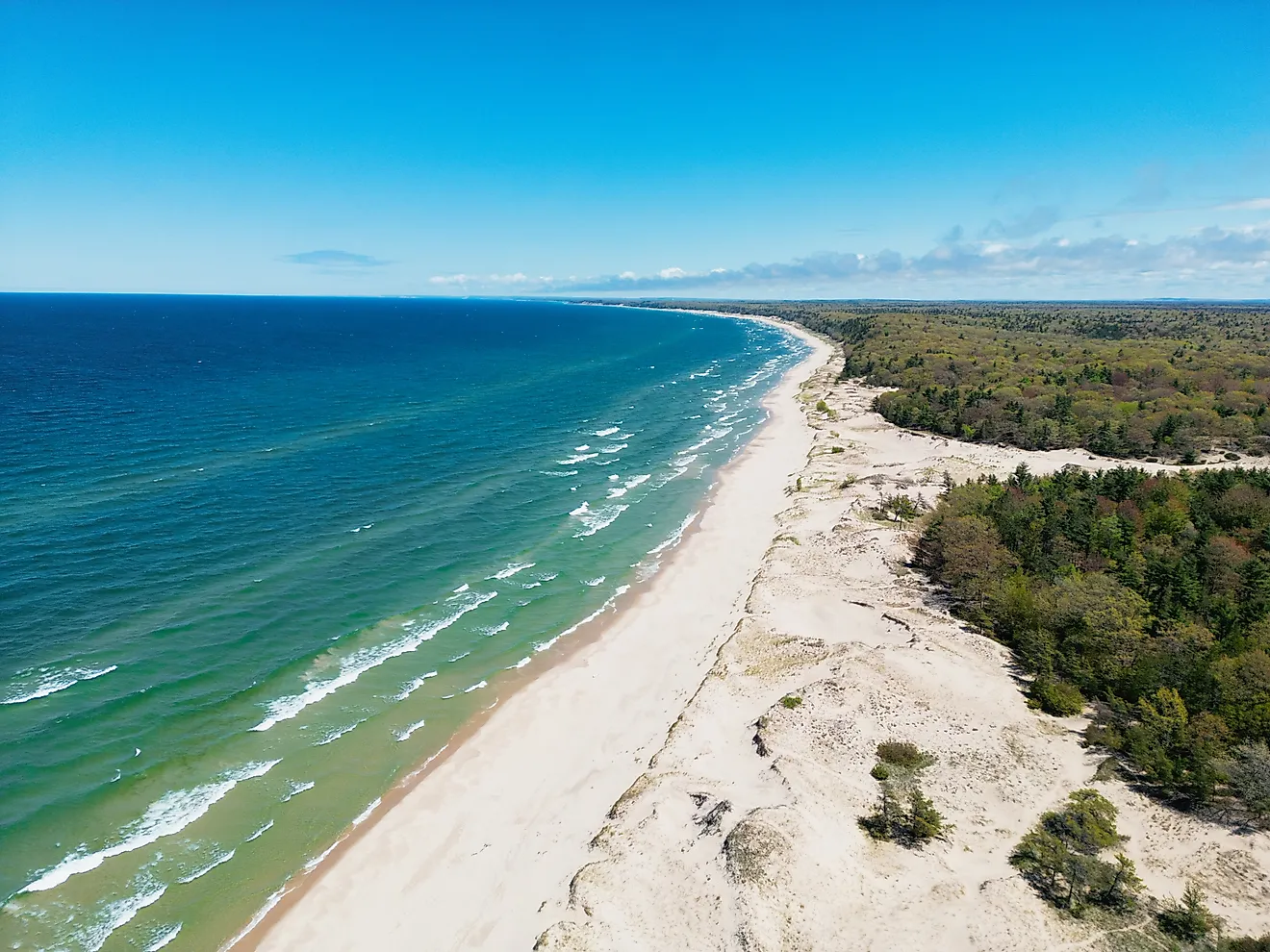
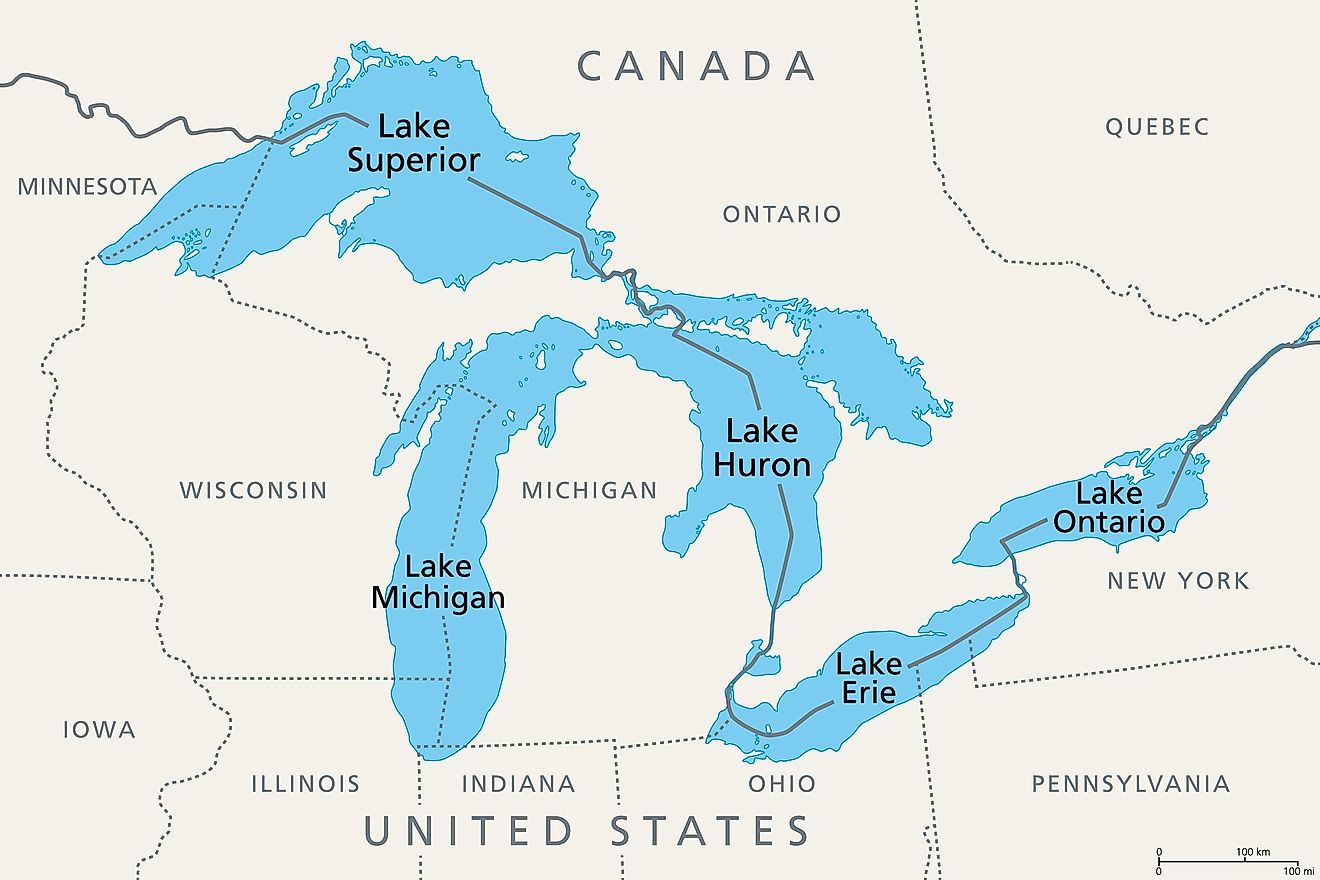
Every Great Lake has recorded at least one invasive carp, except Lake Superior. The Great Lakes Fishery Commission's grass carp advisory committee lists no historical captures there, and Canadian crews who sampled Superior from 2013 to 2015 came up empty. Risk assessments rank it lowest of the five lakes, in part because the coldest Great Lake offers grass carp less to eat.
Step back, and the northern range of these fish comes into focus. In North Dakota, a flood control dam marks the tip. Minnesota's line runs below a lock closed to boats to keep the carp out. Near Chicago, nets and an electric field hold the front, with a new barrier still under construction. Grass carp have slipped past all of it, spawning in Lake Erie and turning up as far as Quebec. Each of those lines holds as long as high water stays manageable, deterrents stay funded, and new arrivals are caught early. The young carp found in Illinois in August 2026 were a reminder that the line is still on the move.