Where Water Moccasins Go In The Winter
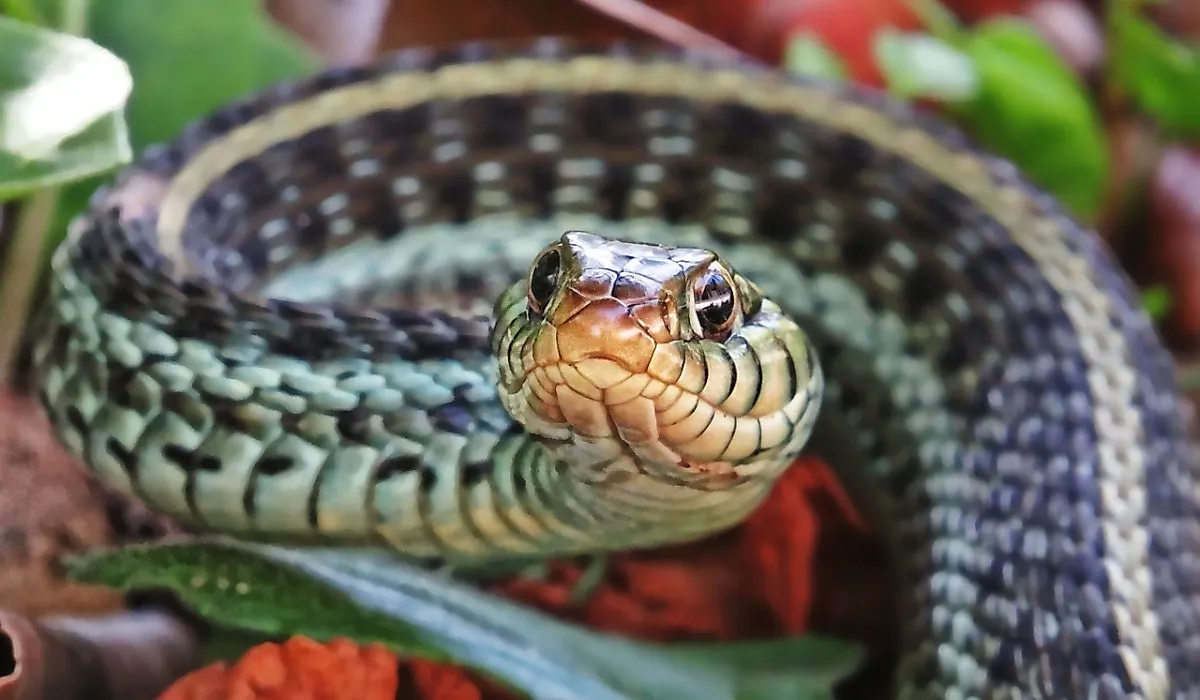
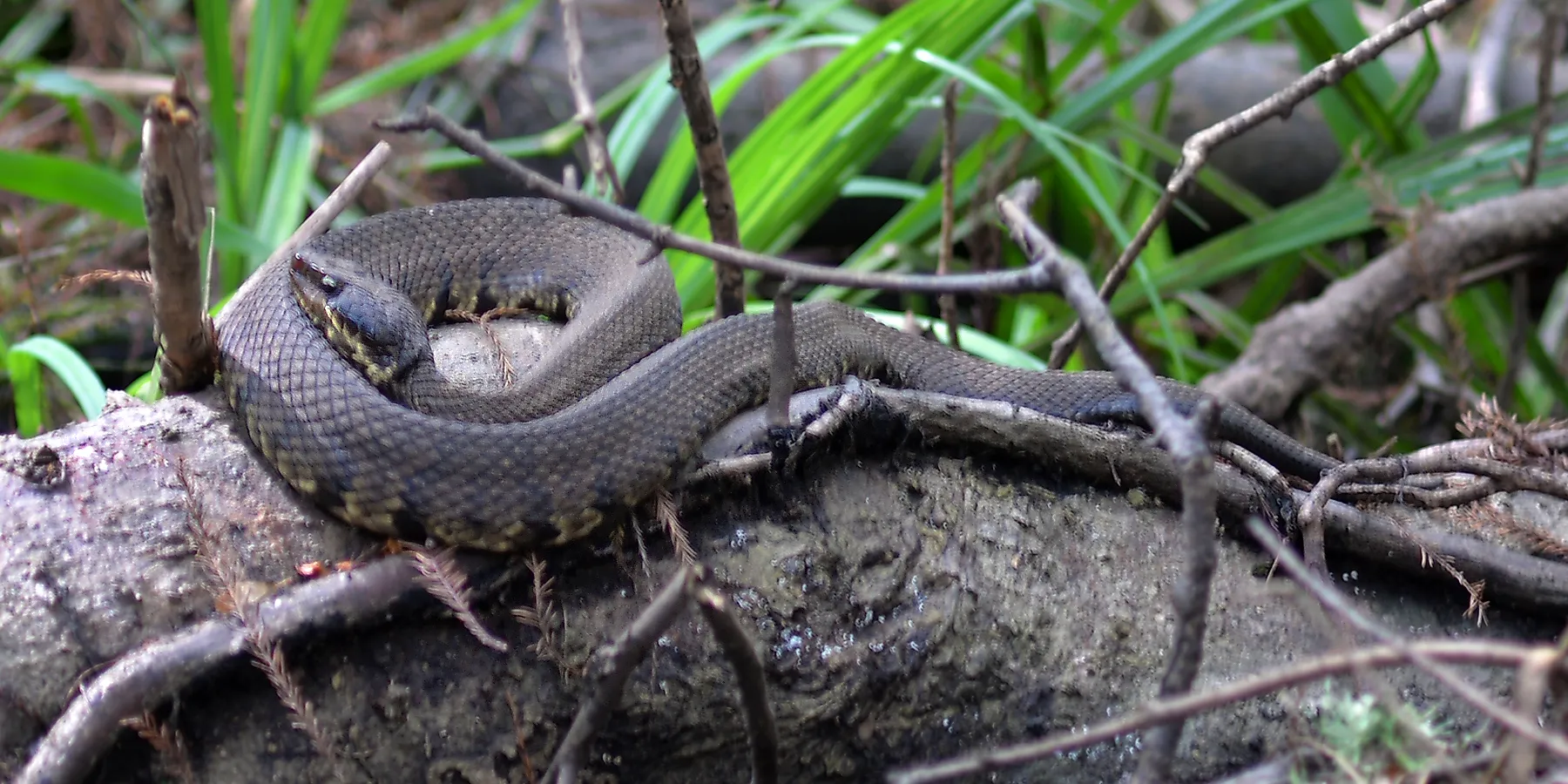
Water moccasins spend cold winters in sheltered dens on land, often underground in animal burrows or beneath rotting stumps. In southern Illinois, some leave their swamp habitat and cross a road to reach winter shelter in nearby bluffs. The movement is substantial enough that Snake Road closes to vehicles twice a year. These snakes, also called cottonmouths, enter a period of reduced activity known as brumation as temperatures fall. They can remain concealed for much of the winter, although warm spells may bring them outside. Florida's warmer winter intervals can interrupt that inactivity, allowing cottonmouths to emerge even during months when northern populations spend much of their time sheltered.
Animal Burrows And Stump Holes Become Winter Dens

A cottonmouth's winter shelter can be an opening left by a much smaller animal. In North Carolina, known den sites include crayfish burrows and mammal burrows. Cavities beneath decaying stumps also provide shelter, and some snakes spend winter on rocky, wooded hillsides. Biologists call these seasonal refuges hibernacula. Underground spaces protect snakes from the freezing conditions they would face at the surface.
The snakes do not always spend the season alone. At two northeastern Texas wetlands in 2017 and 2018, tracked cottonmouths sometimes shared winter quarters, although others sheltered individually. Nearly all used small mammal burrows. Two found unusual alternatives: one wintered beneath hay bales, and another beneath a refrigerator displaced by a flood. Most of those snakes had moved into woods adjoining their wetland habitat. At Cooper Wildlife Management Area, their dens averaged about 1,300 feet from the wetland edge.
Illinois Cottonmouths Cross Snake Road To Reach The Bluffs

At LaRue-Pine Hills in Shawnee National Forest, the seasonal journey crosses a public road. LaRue Swamp supplies summer habitat, while the neighboring bluffs contain winter shelter. Snake Road runs between them, putting vehicles directly across the route used by migrating reptiles and amphibians.
Cottonmouths are among the snakes making that crossing. In autumn, they move toward the bluffs, where sheltered crevices allow them to retreat out of the cold. The migration reverses when spring temperatures rise. Illinois cottonmouths also share some rock-crevice dens with other snake species.
The road's recurring vehicle closures protect that movement. Pedestrians can still walk the route, which attracts visitors hoping to see snakes crossing. Protecting cottonmouths here requires keeping the swamp connected to their winter shelter across the road.
Cold Slows Their Metabolism Inside The Den

Inside a winter den, a cottonmouth's body temperature falls with its surroundings. These snakes depend on outside heat to warm themselves, and cold conditions slow their metabolism and movement. During brumation, they spend long stretches inactive and rely on stored energy. Feeding drops away during sustained cold because low temperatures also interfere with digestion. Within the refuge, reduced activity limits the energy they use while they are unable to hunt regularly. Snakes still need water during this dormant period. Brumation can also include brief trips above ground. At the Texas wetlands, cottonmouths were mainly underground between November and February, but some appeared near their dens on warm days. An exposed snake in January may therefore be close to its winter refuge. A cold or sluggish cottonmouth remains venomous and should be left undisturbed.
Florida Cottonmouths Can Surface During Winter Warm Spells

On Sea Horse Key near Cedar Key, fieldwork in the 1950s documented cottonmouths sheltering in shallow stump holes and beneath debris. Warm winter periods increased their demands on stored fat. For a snake relying on energy saved before winter, repeated warmth can make those reserves run down faster.
In Florida's Panhandle, cottonmouths were reported at Fort Pickens in January 2023 and Big Lagoon State Park that February. Across the Pensacola Bay area, a University of Florida extension project logged 10 cottonmouth encounters during that year's first quarter. Farther down the peninsula, the snakes belong to the Florida cottonmouth species, closely related to the northern cottonmouth. The two species meet and interbreed in the Panhandle.
As spring activity resumes, cottonmouths return to wetlands where food is becoming available. At the northeastern Texas sites, return movements peaked in late March and early April, and the snakes fed on amphibians gathering to breed. Southern leopard frogs were among their prey. At Snake Road, the return journey takes snakes across the protected crossing toward LaRue Swamp. Ground temperature helps trigger that migration, so the movement unfolds as local conditions change. The Forest Service keeps the road closed to vehicles for two months each spring to accommodate early and late migrants. People can watch on foot, but handling or moving snakes within the protected area is prohibited.