The National Parks With The Most Water Moccasins
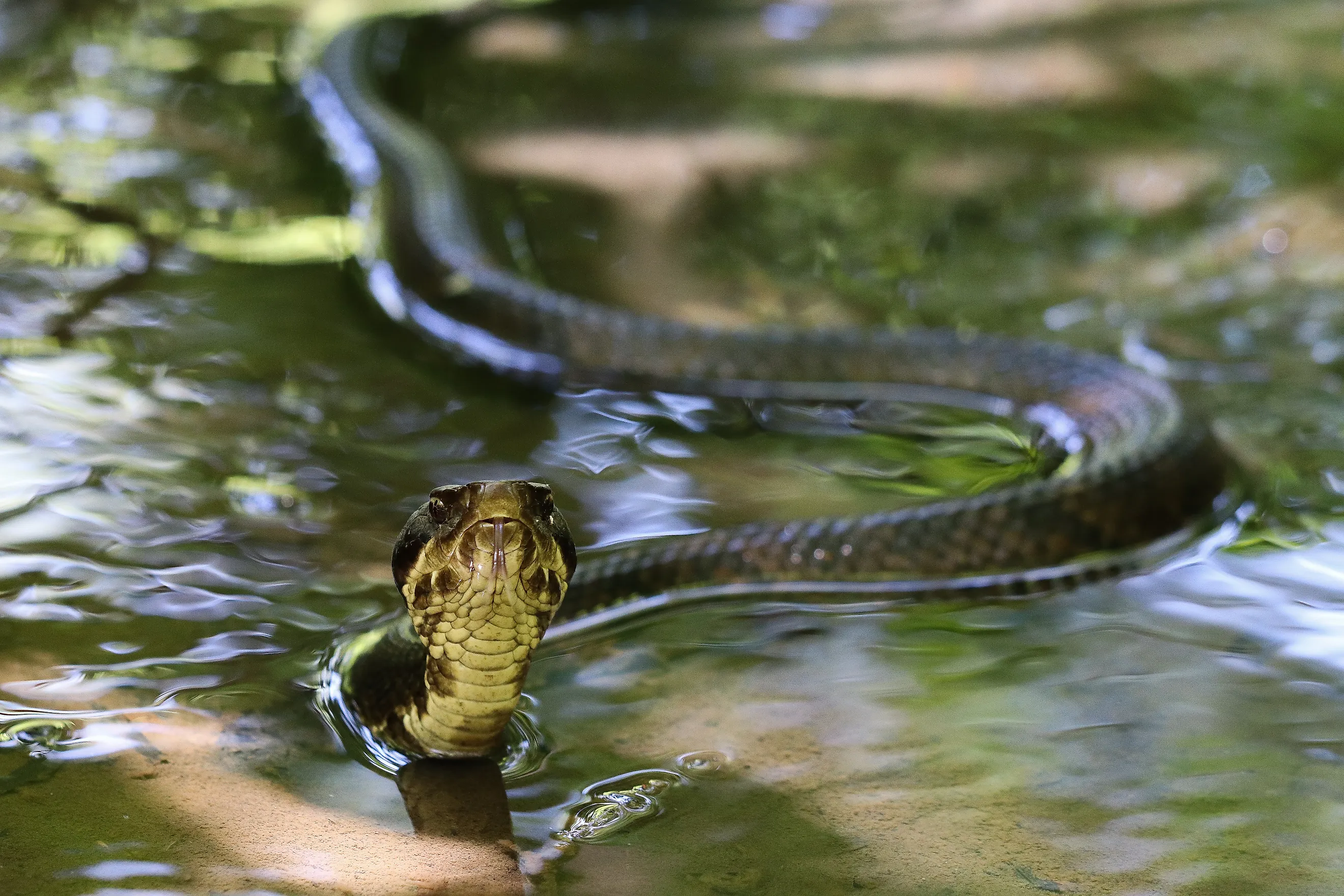
Spot a dark snake sliding off a creek bank, and plenty of people will swear it was a water moccasin. More often than not, it was a harmless water snake. The real thing is the only venomous water snake in North America, a heavy-bodied pit viper that keeps to the warm swamps and flooded forests of the Southeast. Corner one, and it gapes wide to flash the startling white lining that earned it the name cottonmouth. That narrow taste in habitat leaves only a handful of national parks inside its range, and Everglades and Congaree lead the pack. No park keeps an exact count, so these parks are ranked by confirmed species records and the sheer amount of wet, warm ground each one protects.
First, a quick name check. Every cottonmouth is a water moccasin, but not every "water moccasin" is a cottonmouth. Scientists split the snake into two species in 2015, the northern cottonmouth and the Florida cottonmouth. In everyday talk, though, the name gets slapped on almost any dark, thick-bodied snake near water. Harmless northern, banded, and brown water snakes wear the label constantly, and even the copperhead has been called the "highland moccasin." Here, "water moccasin" means the cottonmouth and nothing else.
Everglades National Park, Florida

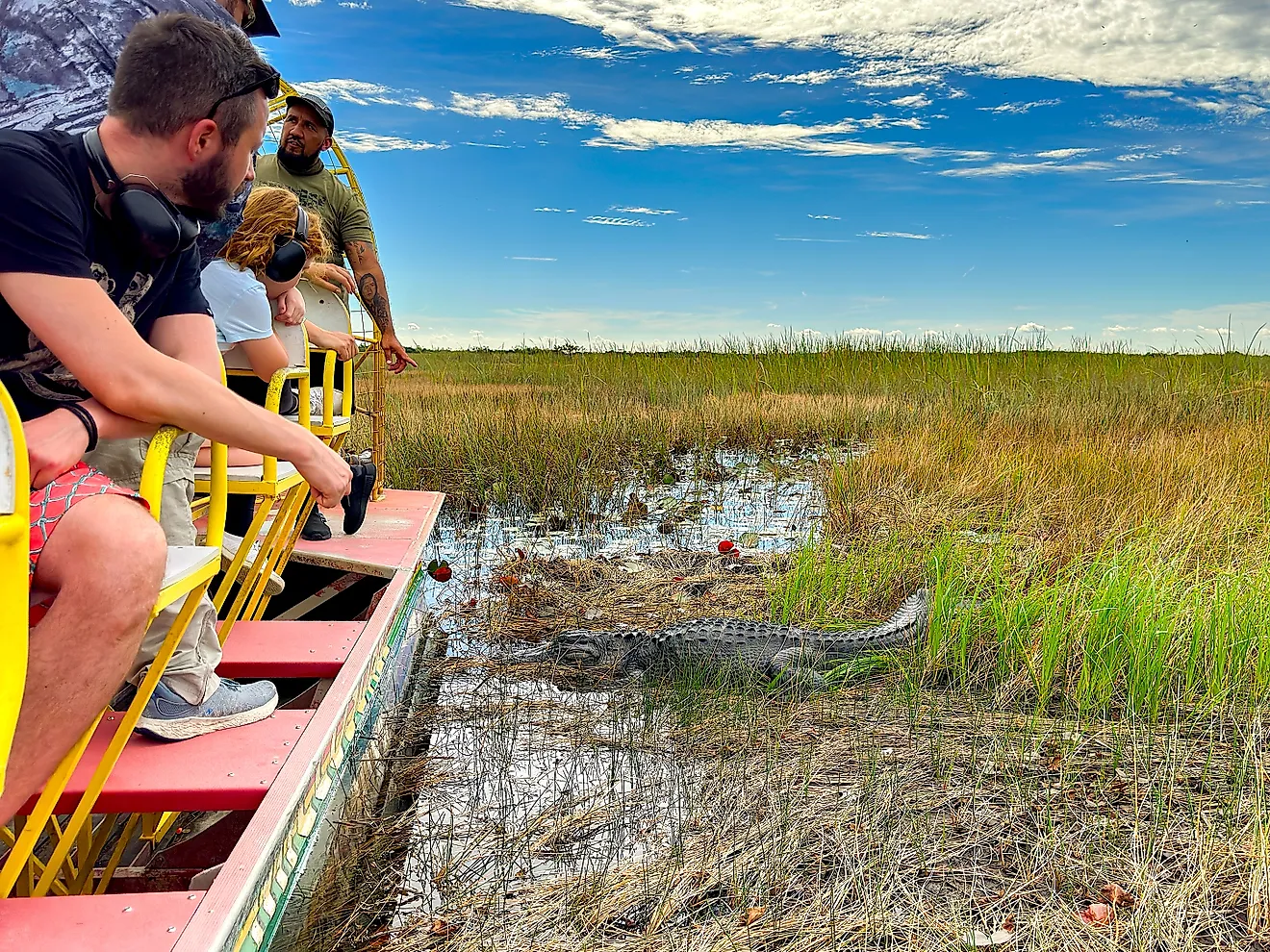
No national park packs in more moccasin habitat than the Everglades. Its roughly 1.5 million acres (6,070 km²) of sawgrass marsh, cypress swamp, and mangrove spend part of every year under shallow, slow-moving water. For a snake that ambushes fish, frogs, and other snakes at the water's edge, it is close to perfect.

The park is home to 27 snake species, but only four carry venom. The cottonmouth shares that short list with the eastern diamondback rattlesnake, the dusky pygmy rattlesnake, and the coral snake. The local version is the Florida cottonmouth (Agkistrodon conanti), and its banded, copper-toned young look so much like copperheads that "Everglades copperhead" sightings keep popping up. The catch is that copperheads live nowhere near South Florida.
Congaree National Park, South Carolina

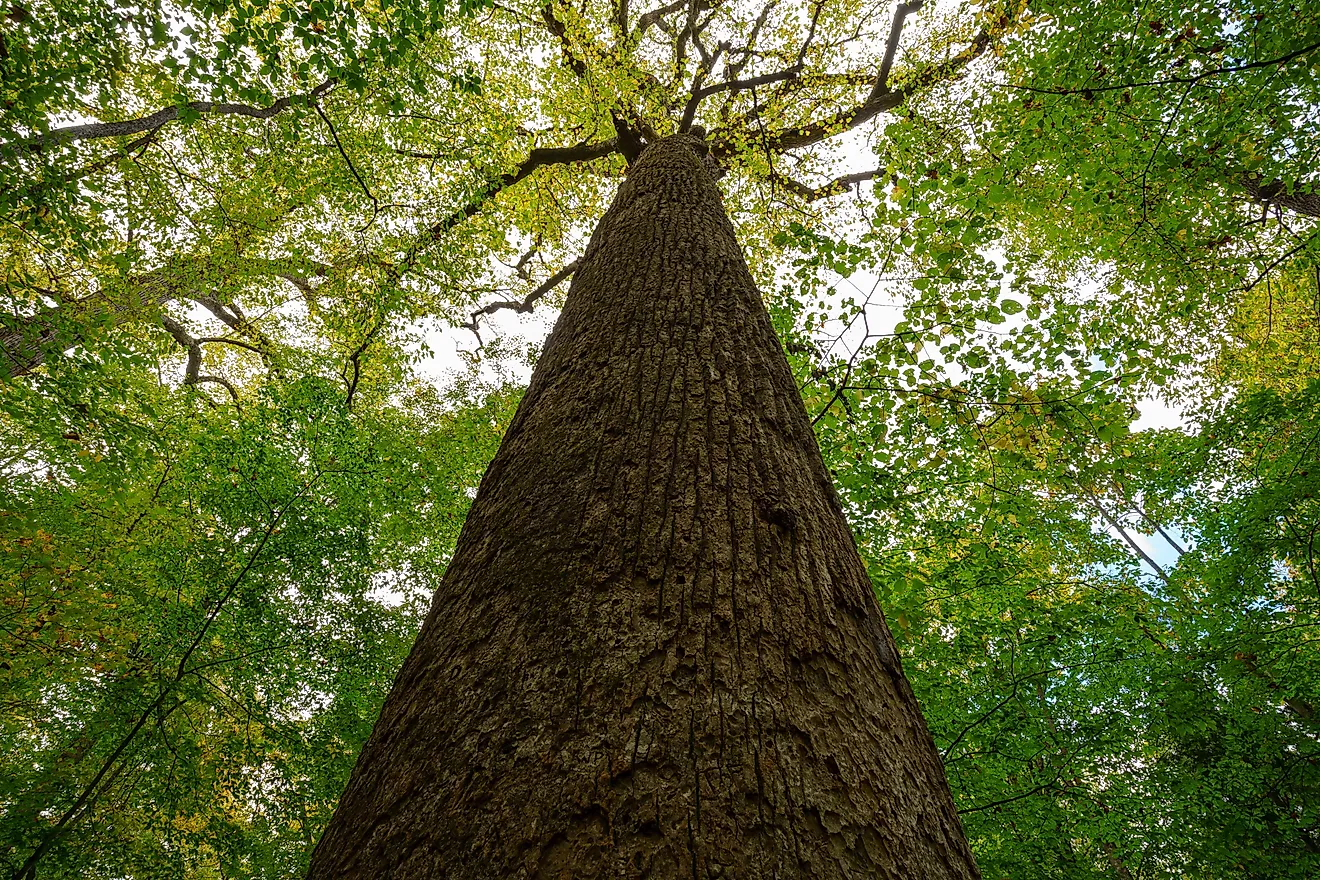
Congaree is a fraction of the size, at about 26,000 acres (105 km²), yet nearly every corner of it is moccasin territory. The park protects the largest remaining stand of old-growth bottomland hardwood forest in the Southeast. Here, the Congaree and Wateree rivers regularly spill into the trees, and water lingers in sloughs, oxbow lakes, and muck long after the floods pull back.

Of the park's 21 snake species, three venomous ones turn up regularly. They are the copperhead, the timber rattlesnake, and the northern cottonmouth (Agkistrodon piscivorus). NPS monitoring crews have photographed cottonmouths here, and paddlers on Cedar Creek often spot them along the banks. Most visitors never get that close. The elevated boardwalk loop carries them roughly 2.6 miles (4.2 km) through the floodplain, safely above the muck.
Hot Springs National Park, Arkansas

Hot Springs makes the list, but only just. Set in the forested Ouachita Mountains, the park lists six venomous snakes that can live within its boundaries. The cottonmouth is one, alongside the southern copperhead, three rattlesnakes, and the Texas coral snake. Ridges and hardwood forest stand in for swamp here, so moccasin encounters are uncommon and mostly happen near creeks and wet ground.

Those wet pockets are easy to miss in a park famous for its bathhouses. Rocky slopes and novaculite outcrops give way to green creek valleys, and those creeks hold around 50 fish species, a steady buffet for a snake that hunts at the water's edge. In all, more than 70 species of reptiles and amphibians live in the park. Still, the venomous snake most visitors meet is not the cottonmouth but the copperhead, which the park says can turn up along most of its trails.
The Park With None, Great Smoky Mountains

Plenty of hikers swear they have seen a water moccasin in a Smokies creek. They have not. Great Smoky Mountains National Park is home to 23 snake species, and only two are venomous, the northern copperhead and the timber rattlesnake. Tennessee wildlife officials say cottonmouths do not live in East Tennessee at all. The real culprit is usually the northern water snake, a dark, thick-bodied, completely harmless swimmer with the same fondness for streams.
Where Water Moccasins Really Live
The pattern is simple. Water moccasins chase warm, slow water, so the Southeast's swamp and floodplain parks hold nearly the entire national park population. The Everglades wins on sheer acreage, Congaree packs the most moccasin country into a small footprint, and Hot Springs clings to the drier edge of the snake's range. Anywhere else, that dark snake on the creek bank is almost certainly a harmless water snake. Either way, the rule never changes. Give it room, and it will usually return the favor.