The US Lakes Where River Otters Thrive
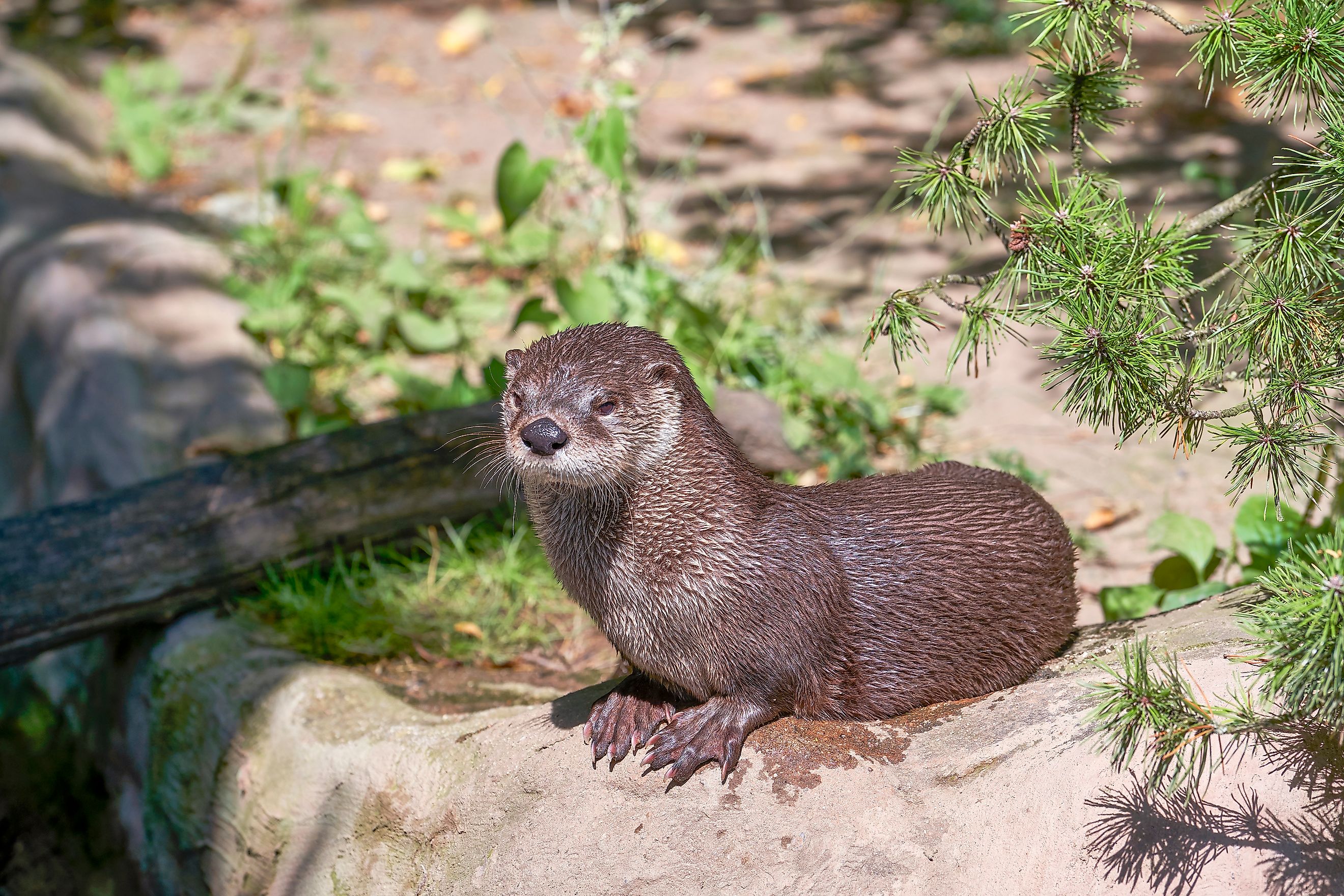
Spread across hundreds of thousands of freshwater lakes, glacial ponds, and winding river basins in the United States, the North American river otter thrives in numerous protected lakes and watersheds nationwide. They are not just found in protected areas, however. River otters have reclaimed dozens of isolated lake ecosystems across the country. River otters prosper in clean water, and favor clear, unpolluted lakes with a rich supply of fish, crayfish, and amphibians. They also prefer shoreline cover, lakes featuring brush piles, fallen trees, log jams, or abandoned beaver lodges that make safe otter dens in which to raise their young. River otters typically require ice-free winter access. In colder northern areas, they rely on lake outflows, rapids, or fast-moving sections that do not freeze completely. River otters generally favor productive waters rich in prey, but they can also tolerate developed and contaminated waters, so their presence signals a food-rich ecosystem more than it guarantees clean water.
Sawbill Lake and the Boundary Waters Canoe Area Wilderness, Minnesota

Sawbill Lake is a 765-acre lake in Cook County, northeastern Minnesota, and it serves as an entry point into the Boundary Waters Canoe Area. Minnesota has one of the most robust river otter populations in the country. The Boundary Waters offers an interconnected maze of thousands of pristine lakes, quiet backwaters, and beaver ponds in which river otters thrive. Sawbill Lake and its surrounding waterways provide an abundant supply of fish, amphibians, and crayfish, little human disturbance, and plenty of secluded shoreline brush and old beaver lodges for dens.
Lake Superior and Isle Royale National Park, Michigan

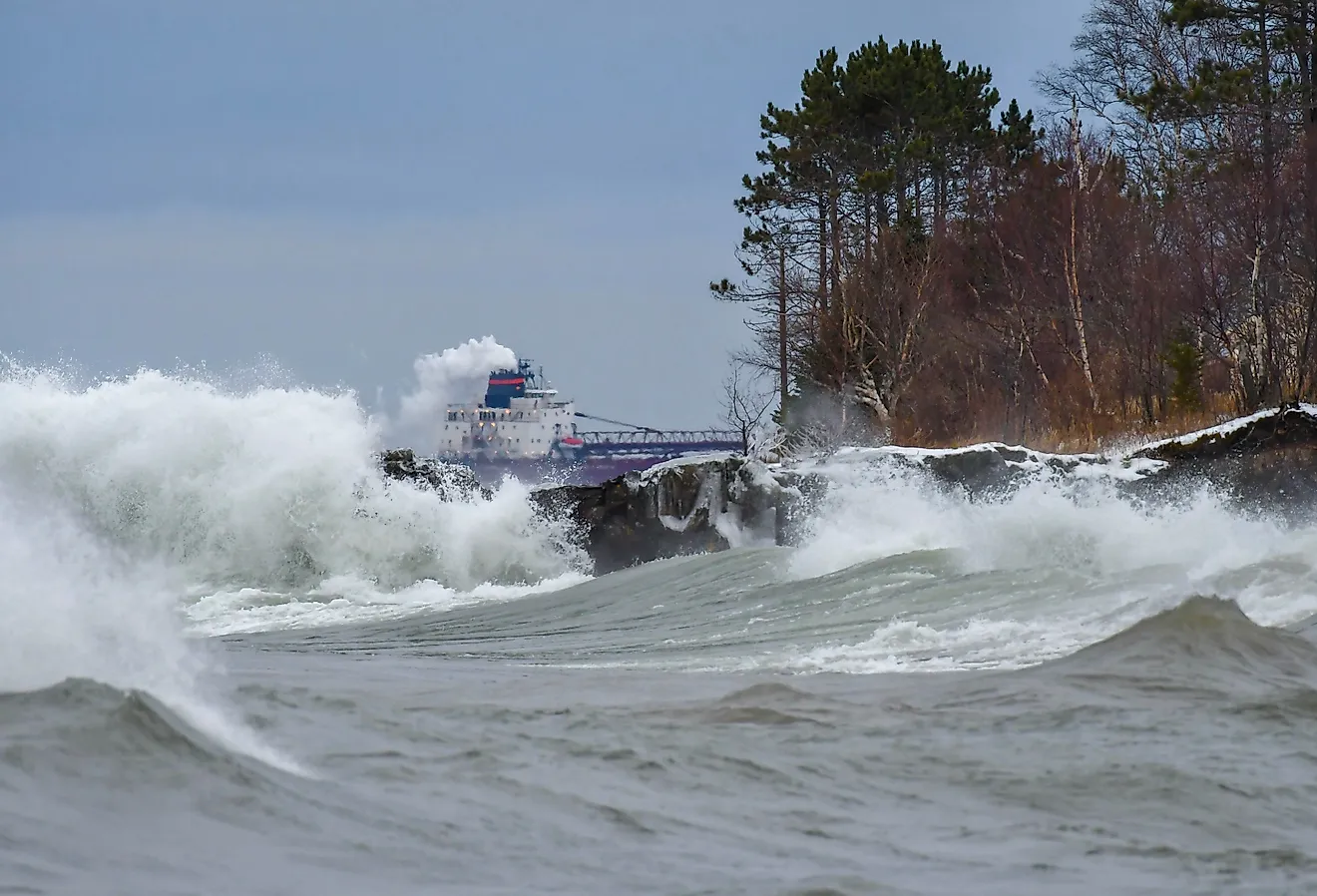
The island archipelago of Isle Royale National Park in Michigan is surrounded by the cold, clear waters of northwestern Lake Superior, creating the perfect sanctuary for otters. Here, river otters are protected from heavy industrial development, and the island's interior lakes, sheltered bays, and rocky inlets are their prime habitat. Otters take full advantage of cold-water fish populations and often use abandoned beaver huts, muskrat burrows or natural rock cavities along the shore as dens to raise their pups. They thrive on the island's abundant fish and crayfish populations.
American Lake, Washington

Located in Pierce County, Washington's Puget Sound region, the 1,091-acre American Lake supports a famous, highly visible resident population of river otters. Despite suburban pressures, these otters have adapted remarkably well, frequently using residential docks, boathouses, and quiet coves. Their success here reflects how adaptable river otters can be, thriving even amid suburban development. Despite challenges like seasonal algae blooms, the lake still offers enough prey and shoreline cover to support them.
Grand River Watershed Lakes and Reservoirs, Ohio
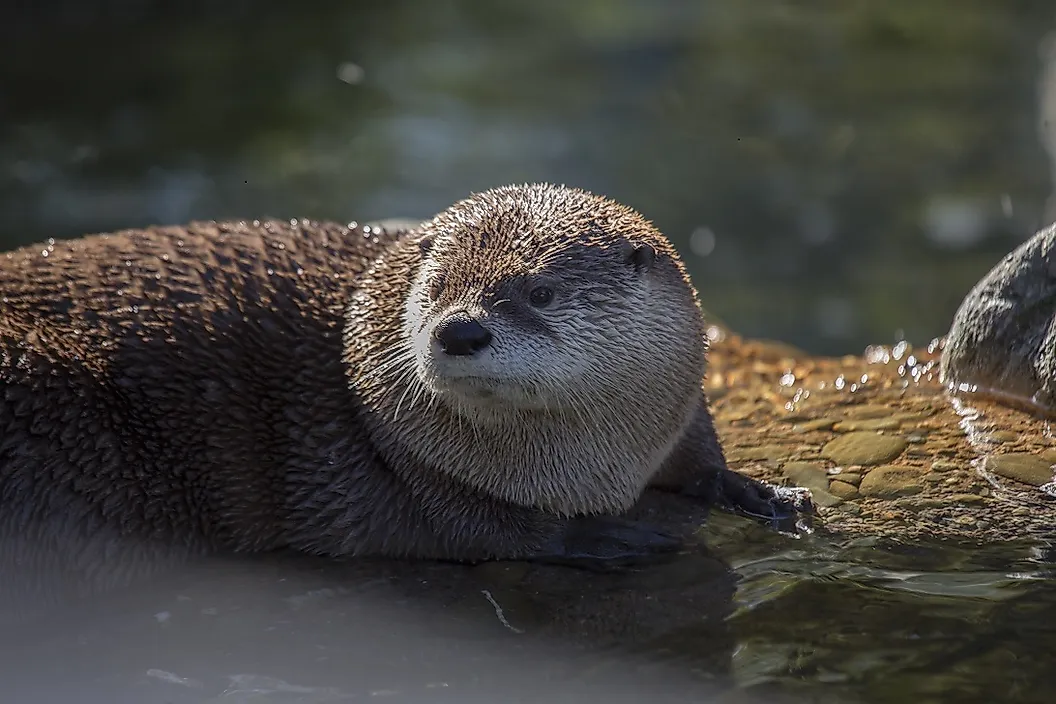
In Northeast Ohio, the Grand River area contains many watershed and regional lakes and reservoirs. This is one of the best conservation success stories in the U.S. By the early 1900s, river otters were locally extinct in Ohio due to trapping and habitat loss. In 1986, the state launched a major reintroduction program, releasing otters relocated from the American South into watersheds feeding the Great Lakes. Today, populations have naturally rebounded and expanded across dozens of Ohio counties, with local lakes and connected tributaries heavily populated once again. This reflects the success of the state's reintroduction program, along with improved water quality and expanding beaver and wetland habitat, which together brought otters back from the brink of local extinction.
Deep Creek Lake and the Youghiogheny River Basin, Western Maryland

Found within the mountains of Garrett County, Maryland, Deep Creek Lake is Maryland's largest inland freshwater body, at 3,900 acres. Surrounded by mountainous terrain, state parks, and dense forests, the lake and its feeder streams throughout the Youghiogheny River Basin offer cold, clear water. River otters live in and around Deep Creek Lake, using the lake's quieter bays, coves, shorelines, marshy inlets, neighboring beaver ponds, and the surrounding watershed to forage. Conservation and reintroduction programs have helped river otters return to healthy numbers across many Maryland waterways, including Deep Creek Lake.
Honeoye Lake, New York

Honeoye Lake of the Finger Lakes in New York, and its Honeoye Inlet Wildlife Management Area, are one of the most successful wildlife comeback stories in the U.S. River otters were extinct in this region by the early 20th century. New York's River Otter Project released 279 otters at sites across the western part of the state during the late 1990s, and the population has since spread through the Finger Lakes region. Today, otters range throughout marshy inlets, channels, and finger lake ecosystems in and around the 1,772-acre Honeoye Lake. This shows how grassroots conservation and state-backed relocation can successfully bring river otters back to a heavily visited recreational lake district.
Squam Lake and Winnipesaukee Region, New Hampshire

Surrounded by dense hardwood forests and granite-lined shores, New Hampshire's large interior lakes provide clear, cold-water habitats. Squam Lake, one of the state's most famous lakes (as it was the filming location for 1981's On Golden Pond) is 6,791 acres in area. It features deep water basins, rocky coves, and quiet islands where river otters find abundant smallmouth and largemouth bass, crayfish, and safe winter denning spots under tree root systems. Throughout the Winnipesaukee region, otters use classic, forested glacial lakes framed by rugged northern geography as homes.
Reelfoot Lake, Tennessee

In Northwest Tennessee, Reelfoot Lake was formed by a series of massive earthquakes in the 19th century. The lake covers 15,000 acres and is the largest naturally occurring lake in Tennessee. Unlike the clear, rocky lakes of the north, Reelfoot Lake is a flooded, swampy forest environment filled with drowned cypress trees, lotus beds, and shallow bayous. This provides a southern wetland paradise for river otters. Reelfoot Lake's high biological productivity creates an endless supply of fish and amphibians. Its maze of cypress trees offers river otters the ultimate protection in which to raise their young.
Yellowstone Lake and Shoshone Lake, Wyoming

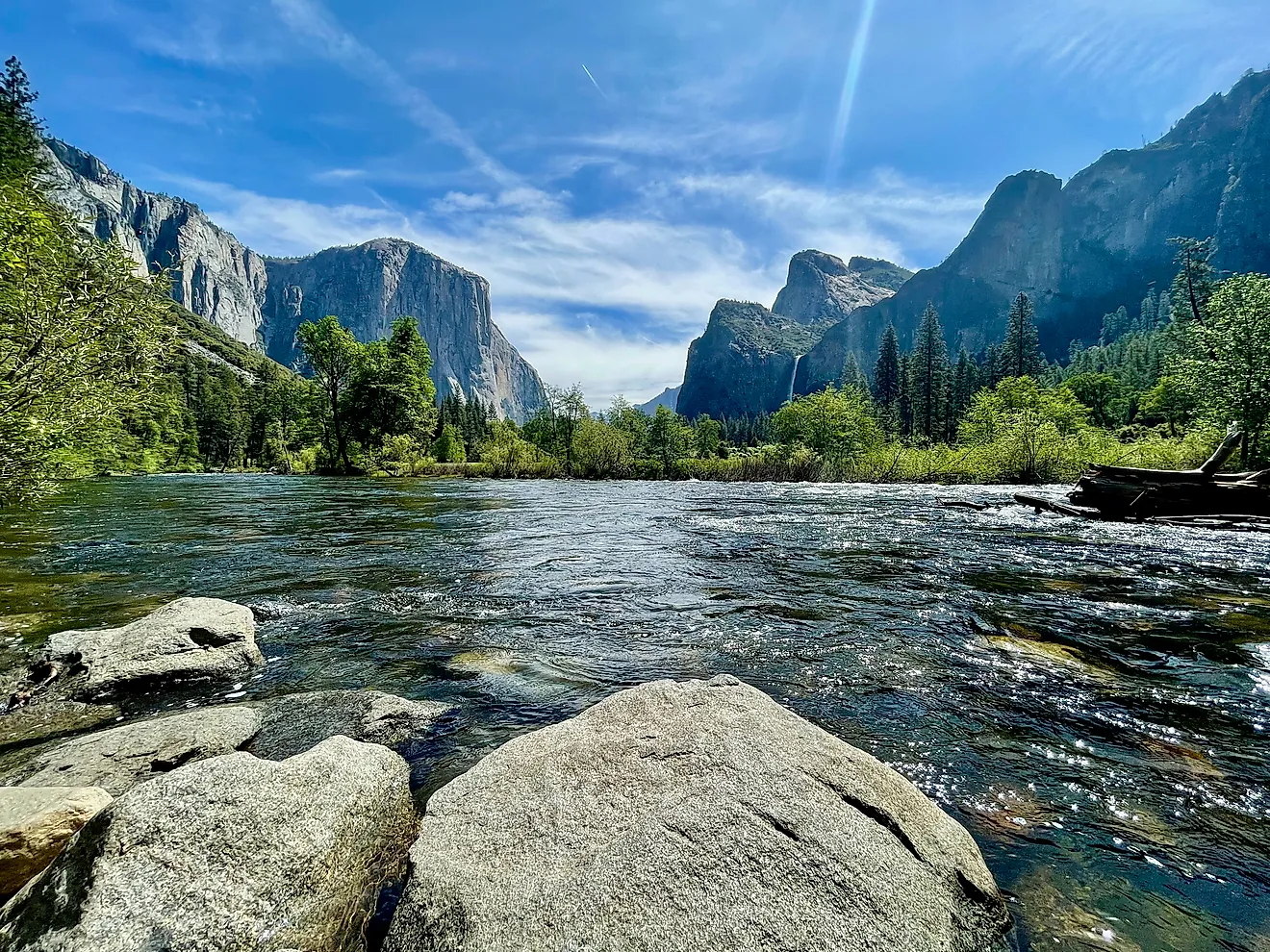
Within Yellowstone National Park, high in the Rocky Mountains of Wyoming, Yellowstone Lake sits at an altitude of over 7,000 feet and covers about 85,000 acres. It and its surrounding alpine lakes (such as Shoshone Lake, measuring 8,050 acres in area) support a wild, high-altitude river otter population. Operating in an extreme environment, otters living within these lakes must deal with heavy winter ice packs, using thermal vents, open river mouths, and active beaver slides to hunt trout through sub-zero months. The surprising fact that river otters have thrived in this environment shows their ability to adapt to harsh winters and live alongside bears and wolves in a fully protected ecosystem.
Inspirational, Thriving River Otters
The story of the North American river otter is one of America's greatest conservation triumphs. No longer pushed to the brink of extinction, these playful predators have woven themselves back into the fabric of the nation's most iconic lake systems. As long as we protect the clean water and wild shorelines they depend on, the splash of a diving otter will remain a defining, joyful soundtrack of lakes across the U.S. for generations to come.