The Clearest Lakes in Each US State
Water clarity measures how far light penetrates beneath a lake’s surface, revealing what lies below. Scientists typically record this using a Secchi disk, a simple black-and-white plate lowered into the water to measure the depth of visibility. The deeper the disk remains visible, the clearer the lake. Transparency is more than visual appeal. It reflects low nutrient levels, limited sediment runoff, protected watersheds, and careful stewardship.
This guide identifies the clearest representative lake in every U.S. state using documented transparency reporting, long-term monitoring programs, oligotrophic classifications directly tied to clarity data, and recognition supported by state or federal agencies. Among those fifty state standouts, twenty lakes rise to national prominence for exceptional visibility, scale, or long-established reputations for clarity. followed by the clearest lakes in the remaining states.
National Clarity Leaders: 20 Lakes That Rise Above the Rest
Crater Lake - Oregon
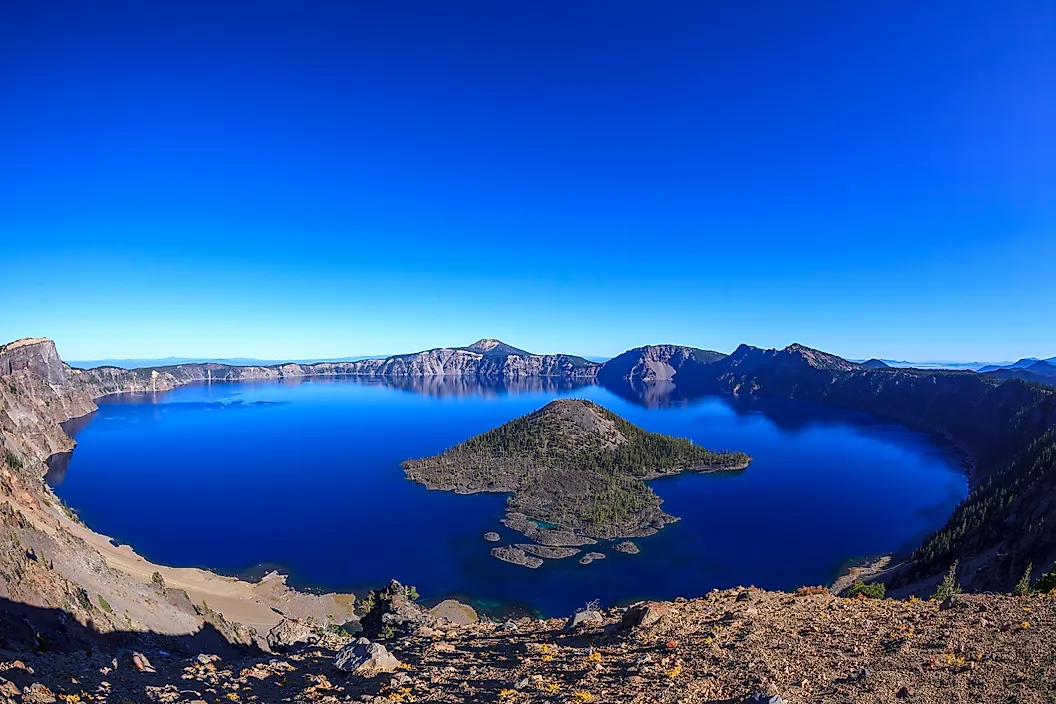
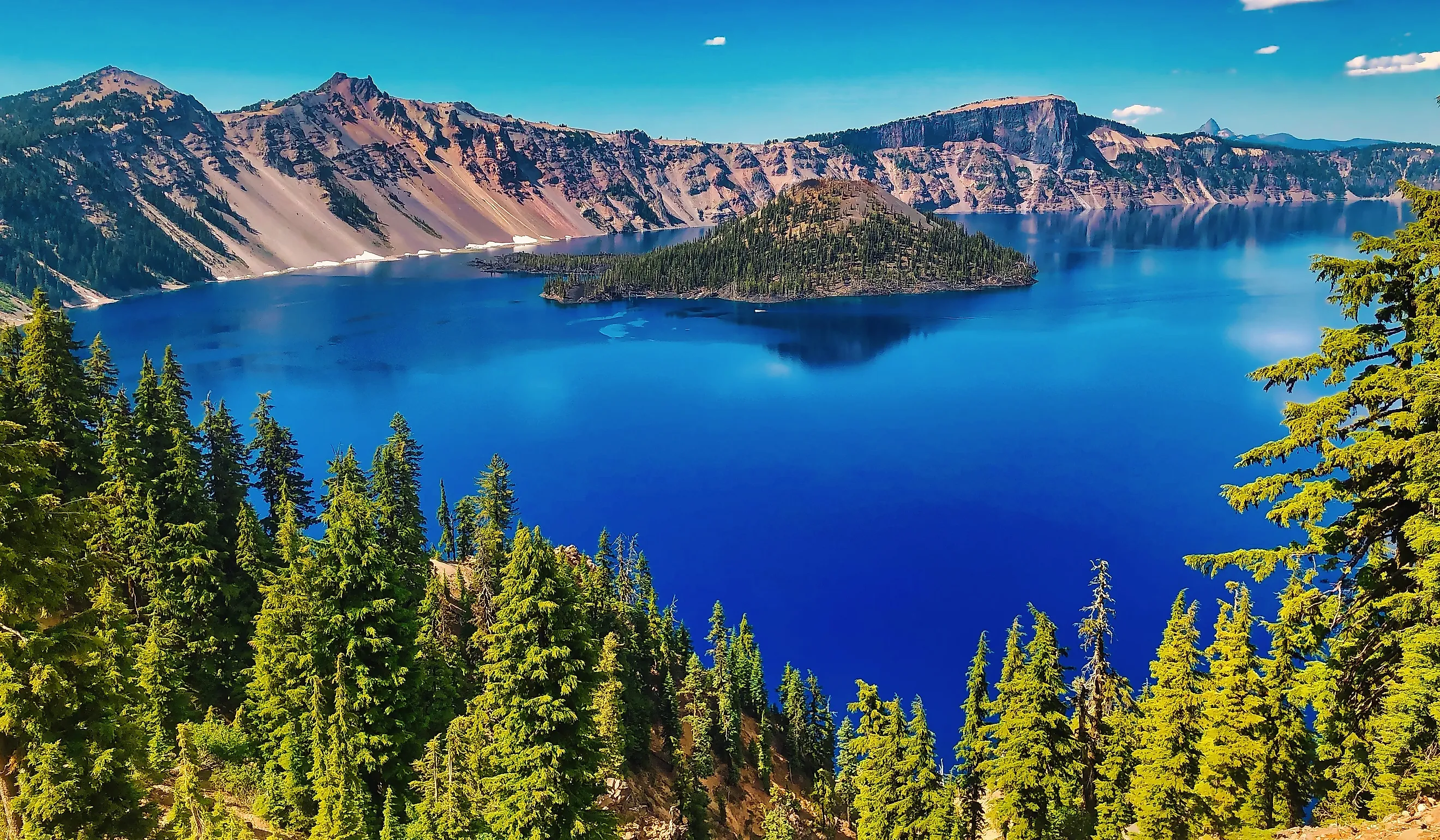
Located in southern Oregon within the Cascade Range, Crater Lake ranks among the clearest lakes ever measured in the United States, based on recorded Secchi depth. Secchi depth readings have exceeded 100 feet (30 meters), with historical measurements reaching beyond 130 feet (40 meters). Formed inside a collapsed volcano in the Cascade Range, the lake has no rivers flowing into it. Snow and rainfall are the only sources of water, which greatly limits sediment and nutrient input. At 1,943 feet (592 meters) deep, the lake’s intense sapphire color reflects both purity and depth. While Oregon is home to other exceptionally clear waters, including Waldo Lake, Crater Lake remains the state’s most thoroughly documented clarity benchmark.
Lake Tahoe - California and Nevada

Straddling the Sierra Nevada between California and Nevada, Lake Tahoe pairs remarkable scale with decades of clarity monitoring. Average Secchi depths often hover around 60 feet (18 meters), and the lake plunges to 1,645 feet (501 meters). Granite bedrock, cold alpine conditions, and decades of watershed protection contribute to its vivid blue transparency. Both California and Nevada frequently cite Lake Tahoe as their clearest large lake. Although Nevada’s Liberty Lake and other alpine basins are admired for their clarity, Tahoe’s sustained scientific tracking secures its prominence in both states.
Lake Chelan - Washington

Situated in north-central Washington near the Cascade Mountains, Lake Chelan stretches 50 miles (80 kilometers) through a glacial valley in north-central Washington. Classified as ultra-oligotrophic, the lake’s low nutrient levels support strong transparency in many basins. Deep, fjord-like contours and limited sediment inflow preserve its cold, remarkably clear water. Other Washington lakes, including Lake Crescent, are often praised for their visibility, but Chelan’s scale and monitoring history make it the state’s leading representative of clarity.
Flathead Lake - Montana

Located in northwestern Montana near Glacier National Park, Flathead Lake, the largest natural freshwater lake west of the Mississippi River, regularly participates in clarity monitoring programs such as regional Secchi Dip-In efforts. Seasonal transparency often reaches 20-30 feet (6-9 meters), depending on runoff. Fed by glacial waters near Glacier National Park, the lake’s depth and relatively low nutrient input support impressive visibility. Smaller alpine lakes may rival it locally, but Flathead’s combination of size and documented clarity makes it Montana’s defining clear-water lake.
Lake George - New York

Positioned in eastern New York, Lake George, framed by the Adirondack Mountains, is long known for its exceptional transparency and extensive watershed protection. Secchi depths frequently exceed 20 feet (6 meters), and in some years exceed 30 feet (9 meters). Granite geology, limited development in key areas, and ongoing monitoring preserve its clarity year after year. While New York has other high-quality lakes, including some in the Finger Lakes region, Lake George remains the state’s clarity icon.
Jordan Pond - Maine

Found within Acadia National Park in coastal Maine, Jordan Pond is recognized as Maine’s clearest lake. Classified as oligotrophic and used as a drinking-water source, it maintains strict protection standards. On calm days, bottom visibility stretches far from shore, and the surface reflects surrounding mountains like glass. Sebago Lake is also known for its high clarity, but Jordan Pond’s protected status and consistently pristine conditions give it the edge.
Torch Lake - Michigan

Located in northern Michigan, Torch Lake’s glacial history and pale sandy bottom create striking turquoise water often compared to the Caribbean. Secchi transparency frequently exceeds 20 feet (6 meters), especially in calm summer conditions. Although Michigan’s inland lakes vary widely in clarity, Torch stands as the clearest large lake in the state.
Lake Jocassee - South Carolina

Tucked into the foothills of the Blue Ridge Mountains in South Carolina, Lake Jocassee is prized by divers for reported visibility reaching 30-50 feet (9-15 meters). Forested slopes, limited shoreline development, and deep mountain water help maintain clarity. While other southeastern lakes offer swimmable conditions, Jocassee stands as South Carolina’s clearest lake.
Summersville Lake - West Virginia

Located in central West Virginia, Summersville Lake is nicknamed "The Little Bahamas of the East" for its bright blue water and exceptional visibility. Rocky shorelines and relatively undeveloped surroundings contribute to strong transparency. Other West Virginia lakes offer scenic appeal, but Summersville is most frequently cited for clarity.
Black Oak Lake - Wisconsin

Black Oak Lake in northern Wisconsin records some of the highest documented Secchi depths in the state. Its glacial origins, limited shoreline disturbance, and forested watershed help maintain consistently high transparency. While Wisconsin features many clear northern lakes, Black Oak remains the state’s most consistently measured clarity benchmark.
Amistad Reservoir - Texas

On the Texas-Mexico border, Amistad Reservoir stands out for its clear blue water and high underwater visibility. Texas environmental reporting frequently ranks among the state’s clearest large reservoirs. Canyon Lake is also often praised, but Amistad’s consistent reputation secures its placement.
Wilson Lake - Kansas
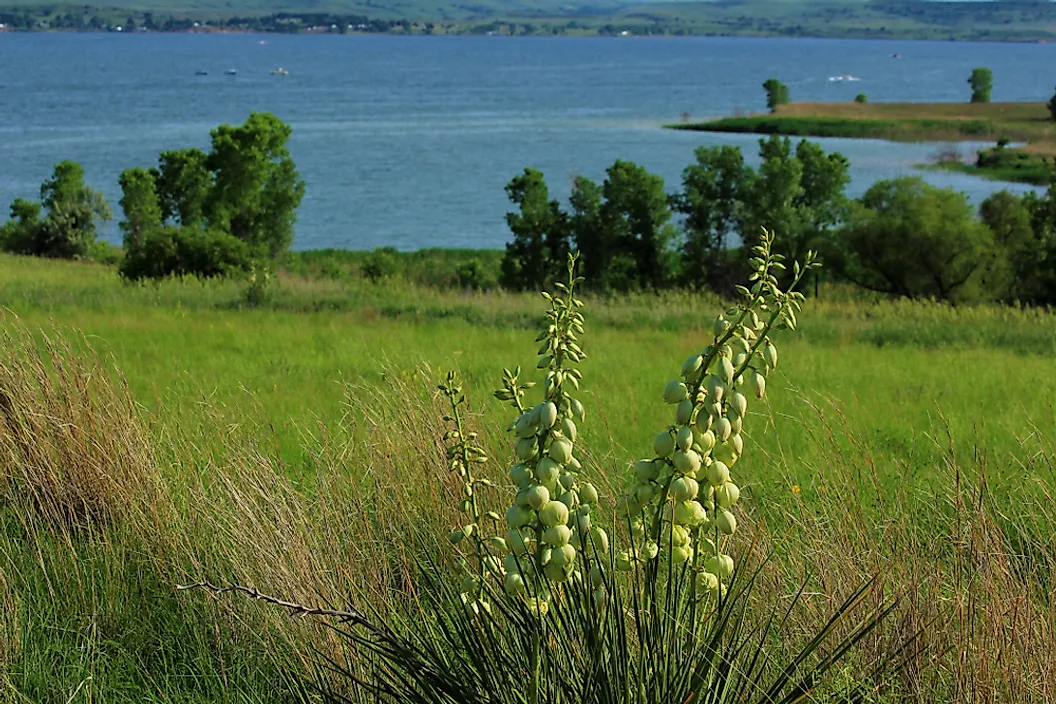
Wilson Lake’s rocky shoreline and deep, blue water have earned it the reputation as Kansas’s clearest lake. Limited sediment input and reservoir depth contribute to impressive visibility compared with other regional waters.
Bear Lake - Utah and Idaho

Bear Lake’s vivid aquamarine hue comes from suspended calcium carbonate particles that enhance light reflection. Transparency often exceeds 10 feet (3 meters). Though Idaho’s Priest Lake and Utah’s Cecret Lake are also admired, Bear Lake’s distinctive chemistry and scale make it the clearest shared representative.
Jenny Lake - Wyoming

Situated at the base of the Teton Range, Jenny Lake reflects alpine clarity and cold oligotrophic conditions. Calm days reveal underwater rocks and glacial debris near shore. Wyoming has many mountain lakes, but Jenny Lake is its most iconic example of clear water.
Newfound Lake - New Hampshire

Newfound Lake consistently ranks among New Hampshire’s clearest lakes, supported by strong water-quality monitoring and cold, deep basins. Squam Lake is also highly regarded, but Newfound is often considered the state’s most consistently transparent.
Lake Willoughby - Vermont

Framed by steep cliffs, Lake Willoughby’s glacial depth and cold water preserve remarkable transparency. Its dramatic setting and clean water make it Vermont’s clarity standout.
Lake Ouachita - Arkansas

Lake Ouachita’s rocky basin and protected setting within the Ouachita National Forest help sustain visibility that often exceeds 20 feet (6 meters). Sparse shoreline development and low nutrient input preserve its bright, blue-green water. Among Arkansas reservoirs, it remains the clearest documented and most consistently transparent.
Broken Bow Lake - Oklahoma

Broken Bow Lake sits in the forested Ouachita Mountains, where steep terrain and limited development reduce sediment inflow. Deep coves and rocky bottoms enhance underwater visibility. Among Oklahoma’s large reservoirs, Broken Bow consistently delivers the clearest water.
Norris Lake - Tennessee

Norris Lake’s deep, winding coves and relatively low nutrient levels support strong transparency across much of the reservoir. Clear, blue water and rocky shorelines distinguish it from many other Tennessee impoundments. It remains the clearest major lake in the state.
West Okoboji Lake - Iowa

West Okoboji Lake is a deep glacial lake with measured clarity, setting it apart in Iowa. Its cold, blue water sets the clarity benchmark in the state.
The Clearest Lake in the Remaining 28 States
While the lakes above stand out nationally for exceptional transparency, clarity is not limited to just twenty destinations. Every state has at least one lake that consistently rises above its regional peers for visibility, water quality, or protected watershed conditions. The following lakes represent the clearest documented example in each of the remaining states.
Alabama - Lewis Smith Lake

Located in north-central Alabama, Lewis Smith Lake has deep, rocky basins and consistent visibility, establishing it as Alabama’s clearest. On calm days, the water takes on a glassy blue tone, and divers regularly note strong underwater clarity, especially in less developed arms of the reservoir.
Alaska - Kenai Lake

Situated on the Kenai Peninsula in southern Alaska, Kenai Lake’s glacially fed turquoise water remains strikingly transparent in calm weather. Though many Alaskan lakes appear vivid from suspended minerals, Kenai combines color with strong visibility, making it the state’s clearest, widely recognized large lake.
Arizona - Knoll Lake

High on the Mogollon Rim in Arizona, Knoll Lake is known for its unusually clean, clear water compared with many desert reservoirs.
Colorado - Hanging Lake

Located in Glenwood Canyon in western Colorado, Hanging Lake’s glass-clear travertine water is strictly protected to preserve its pristine condition.
Connecticut - Powers Lake
In western Connecticut, Powers Lake is locally described as one of the state’s cleanest lakes. Powers Lake benefits from limited development.
Delaware - Killens Pond

Within Killens Pond State Park in central Delaware, Killens Pond is considered among Delaware’s clearer inland waters.
Florida - Crescent Lake

Between Putnam and Flagler counties in Florida, spring influence and comparatively low turbidity set Crescent Lake apart from many nutrient-rich Florida lakes. In a state known for tannic and algae-prone waters, Crescent Lake maintains some of the clearest natural lake conditions.
Georgia - Lake Allatoona

Northwest of Atlanta in Georgia, Lake Allatoona’s rocky shoreline and managed reservoir conditions often produce clearer water than many other Georgia lakes. Boaters and swimmers regularly remark on its strong visibility, especially during stable weather.
Hawaii - Lake Waiau

Perched high on Mauna Kea on the island of Hawaii, Lake Waiau is one of Hawaii’s few natural lakes and features notably clear alpine water.
Illinois - Lake Le-Aqua-Na

In northwestern Illinois, this small state-park lake is often labeled one of Illinois’s cleanest and clearest.
Indiana - Clear Lake
In northeastern Indiana, Clear Lake lives up to its name and is widely regarded as Indiana’s clearest natural lake.
Kentucky - Laurel River Lake

Within the Daniel Boone National Forest in southeastern Kentucky, Laurel River Lake’s deep blue-green water is frequently cited as Kentucky’s clearest reservoir.
Louisiana - Lake Claiborne

In north-central Louisiana, Lake Claiborne is often described as the state's clearest lake.
Maryland - Greenbrier Lake

Inside Greenbrier State Park, near South Mountain in western Maryland, Greenbrier Lake’s sandy beach and relatively clean water give it a reputation for clarity in Maryland.
Massachusetts - Joshua Pond

Located on Cape Cod in Massachusetts, this Cape Cod Kettle Pond is widely praised for its unusually clear, clean water.
Mississippi - Clear Springs Lake

In the Homochitto National Forest in Mississippi, spring-fed conditions and a light-colored bottom enhance visibility at Clear Springs Lake.
Minnesota - Caribou Lake

Located in Itasca County, in northern Minnesota, Caribou Lake is known for its striking transparency in a landscape of glacial lakes and pine forests. On calm days, the water can look almost window-clear along sandy and rocky edges. Deer Lake in the same region is also frequently cited for excellent visibility.
Missouri - Table Rock Lake

Across the Ozark Mountains in Missouri, Table Rock Lake’s rocky Ozark shoreline supports good underwater visibility.
Nebraska - Bridgeport State Recreation Area Lake
Located in western Nebraska, this sand-pit lake is frequently described as Nebraska’s clearest due to its strikingly blue water.
New Jersey - Atsion Lake

In the Pine Barrens of southern New Jersey, Atsion Lake is often regarded as one of New Jersey’s clearest.
New Mexico - Lake Katherine

High in the Sangre de Cristo Mountains in northern New Mexico, Lake Katherine features cold, very clear mountain water.
North Carolina - White Lake

Located in Bladen County in southeastern North Carolina, spring-fed White Lake is widely touted as North Carolina’s clearest natural lake.
North Dakota - Lake Upsilon
Located near the Canadian border in northern North Dakota, Lake Upsilon is a spring-fed glacial lake known for its unusually clear, turquoise water.
Ohio - Nelson Ledges Quarry
Located in northeastern Ohio, Nelson Ledges is a former quarry-turned-swimming lake, prized for its deep, clear water.
Pennsylvania - Raystown Lake

Set in the Allegheny foothills of central Pennsylvania, Raystown Lake benefits from a large basin and relatively low shoreline development. Clearer coves are common during stable summer weather, when the lake’s blue-green water contrasts with wooded ridgelines.
Rhode Island - Wallum Lake

Along the Massachusetts border in northern Rhode Island, Wallum Lake is recognized for its high water quality and good clarity.
South Dakota - Sylvan Lake

Within Custer State Park in western South Dakota, Sylvan Lake sits in a granite-ringed basin that keeps the water looking crisp and bright on clear days. Calm coves make it easy to see stones and submerged ledges below the surface, a hallmark of the Black Hills’ clean-water landscapes.
Virginia - Lake Moomaw

In the Alleghany Highlands of western Virginia, Lake Moomaw sits in a forested mountain setting where limited shoreline development helps preserve transparency. Rocky coves and deep, cool water give it some of the clearest reservoir conditions in the state.
Where Clarity Endures
Across the United States, the clearest lakes share several defining traits. They are often deep, cold, rocky, or spring-fed. Many sit within protected forests, national parks, or carefully managed watersheds. Low nutrient input and limited shoreline disturbance allow sunlight to penetrate far below the surface.
From volcanic calderas in Oregon to glacial basins in Vermont and mountain reservoirs in Tennessee, clarity reflects both natural geology and long-term stewardship. Clear water is never guaranteed. It is maintained through monitoring, protection, and responsible recreation. Together, these lakes show that transparency remains one of the clearest indicators of ecological balance and one of the most memorable features of the American landscape.