Does The Snake River Actually Have Snakes
With a name like the Snake River, you might picture a waterway writhing with serpents, or at least assume it was named for the reptiles slithering along its banks. The truth is a lot more surprising, and it has very little to do with snakes at all. This 1,000-mile river winding through Wyoming, Idaho, Oregon, and Washington got its name from a simple misunderstanding, not from its wildlife. So does the Snake River actually have any snakes? Here is the real story behind the name, and what truly lives along its shores.
The Short Answer

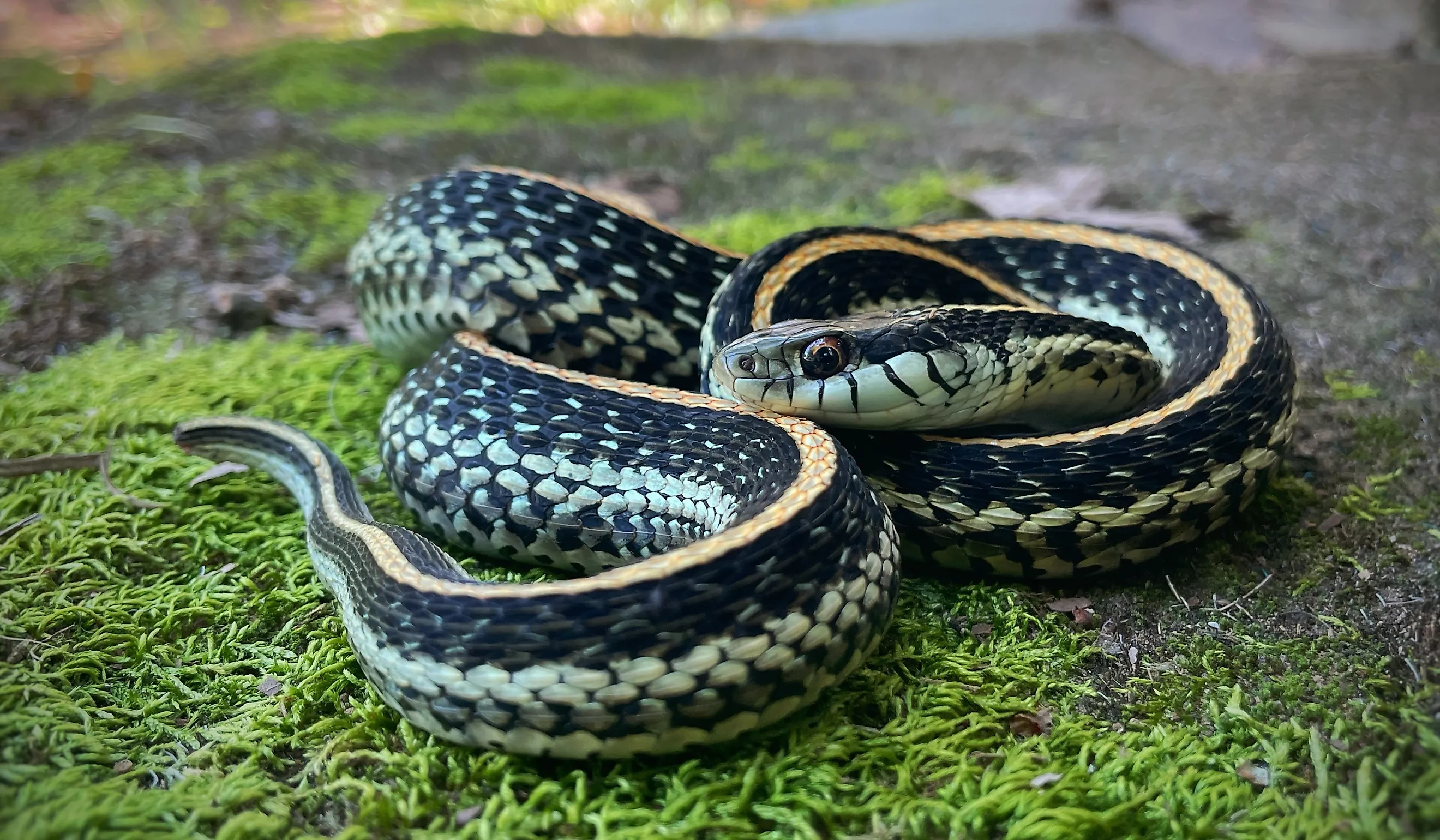
Yes, the Snake River does have snakes, but probably no more than any other river running through the dry, rocky West. Garter snakes patrol its banks and rattlesnakes sun themselves in its canyons, which is exactly what you would expect for a river flowing through this kind of country. What the Snake River does not have is any special abundance of snakes, and more importantly, it was never named for them in the first place. The reptiles are really just along for the ride.
It's Not Named for Snakes

The river's name actually comes from people, not reptiles. It is named for the Shoshone, the Native American tribe long known to outsiders as the "Snake Indians," who lived along the river in what is now southern Idaho. When early European and American explorers encountered the Shoshone in the early 1800s, they tried to communicate through sign language, and that is where things went sideways. The "snake" in Snake River is really a case of simple mistranslation.
A Case of Mistaken Hand Signals

The specific mix-up came down to a single hand gesture. The Shoshone identified themselves with an S-shaped motion of the hand that mimicked a swimming salmon, marking them as "the people who live near the river with many fish." Unfortunately, that undulating hand sign looked almost identical to the gesture for a snake, and the explorers read it as exactly that. The name stuck, and in 1912 the US Geographic Board made "Snake River" official, retiring a string of earlier names like Lewis Fork, Mad River, and Shoshone River.
The Shape Myth

There is a second common assumption worth clearing up. Because the Snake River follows such a famously winding, serpentine course between Yellowstone and the Columbia River, many people assume it was named for looking like a snake on the map. It is an easy mistake to make, but the timing does not support it; the name came from the Shoshone sign-language mix-up, not from the river's twists and turns. The snaking shape is a pure coincidence, however fitting it may seem.
So What Snakes Actually Live There?

For the record, the Snake River corridor is home to a respectable cast of real snakes. The most common are garter snakes, which readily swim and forage along the shallow, grassy margins and bask on sun-warmed rocks. In the river's hot, arid canyon stretches, especially dramatic Hells Canyon, hikers and rafters may also come across Great Basin rattlesnakes, along with bull snakes and racers on the dry slopes above the water. None of them define the river, but they are certainly there. So the Snake River does have snakes, just not because of them, which makes its name one of the great happy accidents of American geography.