How Long It Takes A Freighter To Get Through The Welland Canal
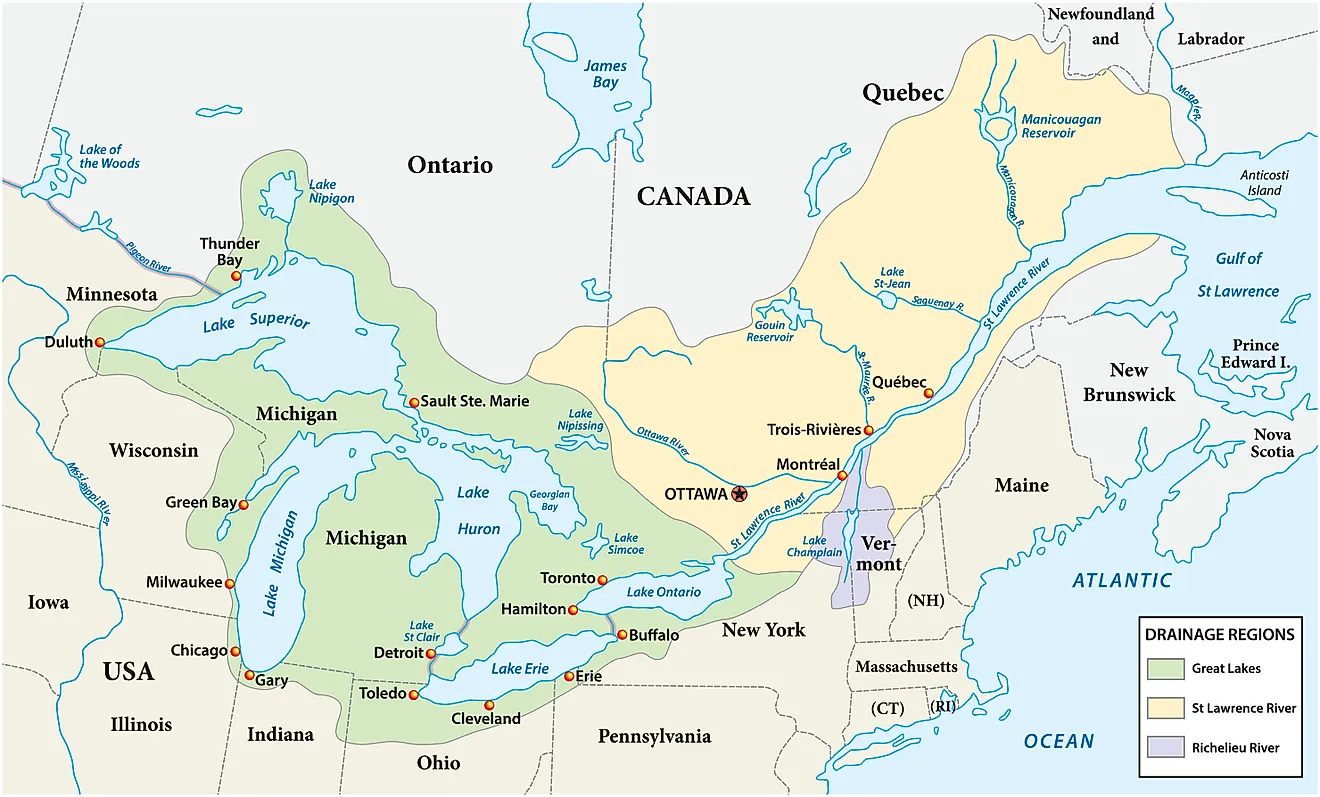
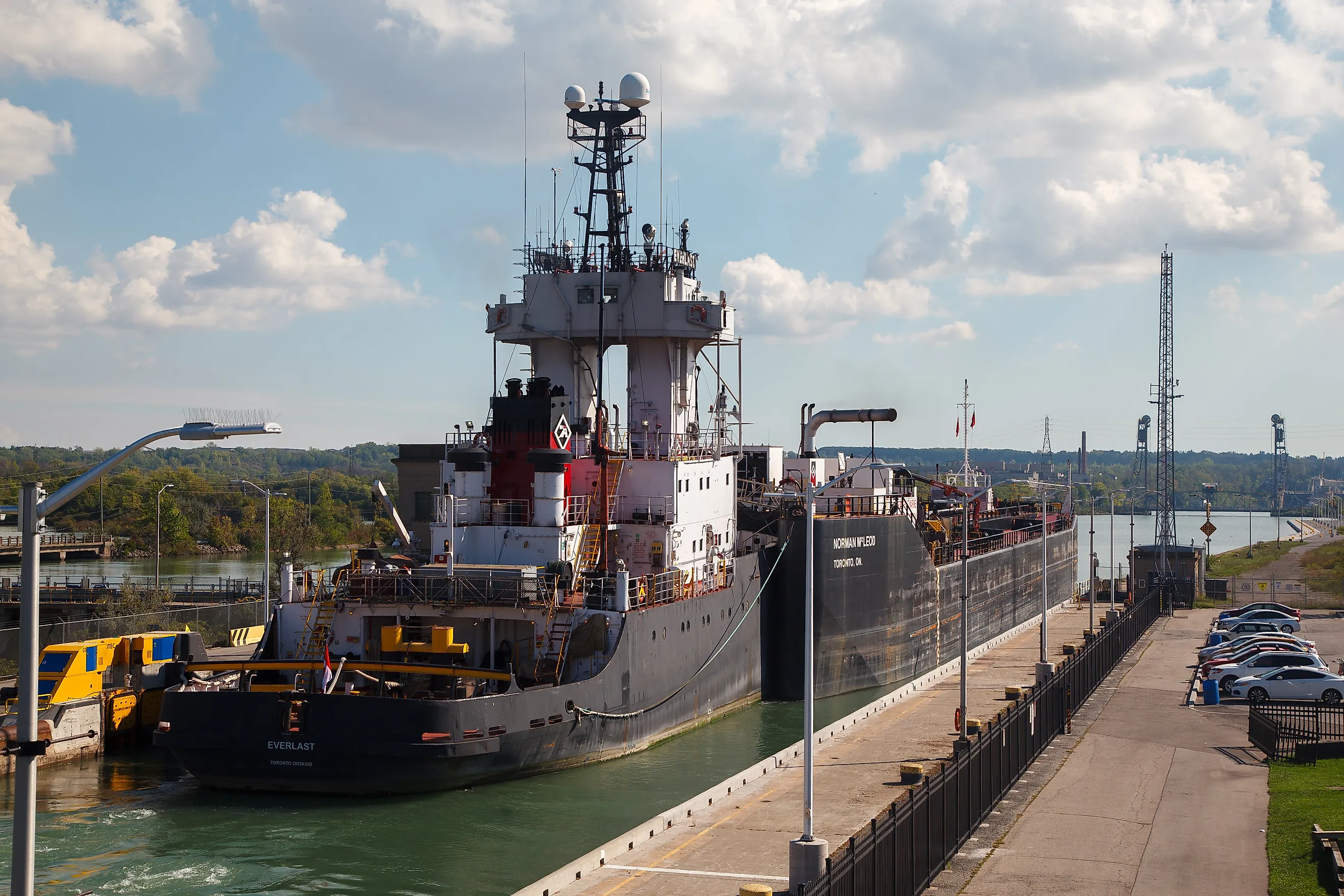
About eleven hours, for 27 miles. That is a little over two and a half miles per hour, which a person could comfortably walk. The canal is not slow because the ships are slow. It is slow because seven of its eight locks sit in the first eight miles, so a freighter entering from Lake Ontario spends most of its transit stopped, rising 326 feet through a staircase of concrete chambers before it ever gets a clear run.
Eleven Hours Is The Working Figure

Multiple independent sources land on the same number, which is unusual enough to be worth noting.
A full transit of the 43-kilometer canal through all eight locks takes approximately 11 hours. One mariner who has made the passage many times reports the same average from personal experience.
Britannica puts it at usually less than eight hours, which sits well below everybody else. The eleven-hour figure is the one operators and schedulers work to.
The Range Runs From Seven To Fifteen

The average conceals a considerable spread, and the variable is traffic rather than distance.
The same mariner reports hearing of transits as short as seven hours and horror stories of more than fourteen. The Seaway's own weekly transit advisory tells vessels to allow plus or minus two hours on any scheduled time.
Nothing about the canal changes between a seven-hour passage and a fifteen-hour one. What changes is how many ships are ahead of you.
Twenty To Thirty Minutes Per Lock

Breaking the transit into its parts shows where the hours actually go.
The water fill or drain itself takes only 10 to 15 minutes. Add approach and exit and a vessel spends 20 to 30 minutes per lock.
Eight locks at the upper end of that range comes to four hours. The remaining seven are spent sailing, waiting and maneuvering between chambers.
Seven Locks In Eight Miles

This is the detail that explains the whole shape of the journey.
The first seven locks are packed into the first eight miles of the canal from the Port Weller end. Locks 4, 5 and 6 are the twinned flight at Thorold, lifting ships about 141 feet in three steps.
After that the canal runs level for roughly 16 miles to Lock 8 at Port Colborne, which barely lifts at all. The work is front-loaded and the rest is transit.
Each Chamber Is Built For One Ship

The dimensions govern how much traffic can move and how fast.
A standard Welland lock measures 233.5 meters long and 24.4 meters wide, which accommodates a Seaway-class freighter carrying around 30,000 tons. Maximum permitted vessel length is 740 feet.
One ship per chamber, one chamber at a time. The twinned flight locks at Thorold are the exception that lets traffic move in both directions simultaneously.
It Runs Around The Clock

The canal does not close overnight, which is the only reason eleven hours is tolerable.
Ships transit 24 hours a day, seven days a week throughout the navigation season. A vessel arriving at Port Weller at two in the morning is processed the same as one arriving at midday.
That continuous operation is what keeps the system moving. A canal working daylight hours only would double every transit figure quoted here.
Small Boats Wait Far Longer

Commercial traffic has priority, and recreational boaters find out what that means.
A Notice to Mariners during one busy season advised recreational vessels to expect delays of 12 to 24 hours passing through the canal because of high commercial volumes, suggesting smaller boats use the Erie Canal instead.
So the eleven-hour figure applies to a freighter. A yacht can spend a full day waiting for a gap.
The Canal Is The Seaway Bottleneck

Set against the rest of the system, this one stretch takes a disproportionate share of the time.
The Montreal to Lake Ontario section covers 186 miles through seven locks in about 24 hours upbound. The Welland covers 27 miles through eight locks in eleven.
That is roughly 7.8 miles per hour on the St Lawrence against 2.5 on the Welland. Same ships, same system, a third of the speed.
Winter Empties The Locks Entirely

The transit time is zero for about three months of the year.
The season runs from late March to late December, and during the closure the Seaway drains the locks to repair them. Some of those chambers are more than 20 meters deep, and the work has to finish before the canal refills.
Everything that needs doing to eight locks has to happen inside that window, which is why the opening date is announced months ahead.
The Short Answer

A freighter takes about eleven hours to transit the Welland Canal, covering 27 miles and climbing 326 feet through eight locks at an average of roughly two and a half miles an hour. Reported times run from seven hours to over fourteen depending entirely on queuing.
The shape of the journey is the thing to remember. Seven of the eight locks are in the first eight miles, so a ship does nearly all its climbing at the start and then runs level for sixteen miles to a guard lock that barely lifts it at all.