The 10 Cleanest Lakes in the United States
The Environmental Integrity Project's 2022 review of state water-quality reports found that more than half of US lake acres are classified as impaired, meaning they fall short of the standards needed for swimming, fishing, drinking water, or aquatic life. Some lakes are doing better. The list below ranks the ten cleanest large lakes in the country based on the 2025 Cleanest and Dirtiest Lakes in America report from Lake.com, which analyzed chemical-monitoring data from the National Water Quality Monitoring Council for the 100 largest US lakes between January 2020 and July 2025. Of those, 46 had enough recent data to score. Each lake received a pollution score across eight measures: dissolved oxygen, ammonia, lead, phosphorus, sulfate, total dissolved solids, turbidity, and pH. Lower scores mean cleaner water.
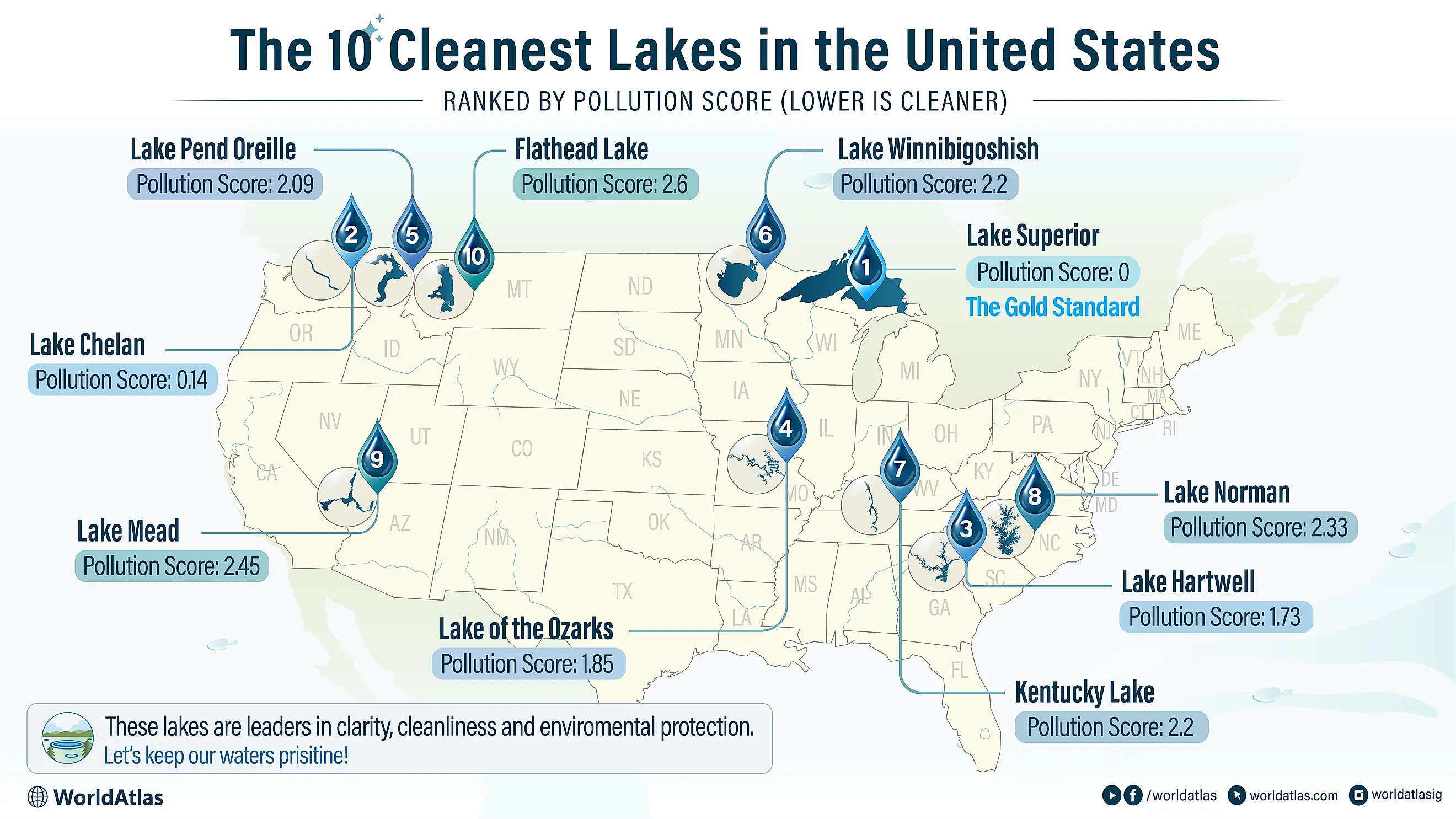
Lake Superior took the top spot with a pollution score of zero, the cleanest of any large lake measured in the country. Lake Chelan in Washington came in second. The ten lakes that follow are scattered across the country, with entries in Washington, Idaho, Montana, Minnesota, Missouri, the Carolinas, and the desert Southwest.
Top 10 Cleanest Lakes In The United States Ranked
| Rank | Lake | Pollution Score |
|---|---|---|
| 1 | Lake Superior | 0 |
| 2 | Lake Chelan | 0.14 |
| 3 | Lake Hartwell | 1.73 |
| 4 | Lake of the Ozarks | 1.85 |
| 5 | Lake Pend Oreille | 2.09 |
| 6 | Lake Winnibigoshish | 2.20 |
| 7 | Kentucky Lake | 2.20 |
| 8 | Lake Norman | 2.33 |
| 9 | Lake Mead | 2.45 |
| 10 | Flathead Lake | 2.60 |
1. Lake Superior

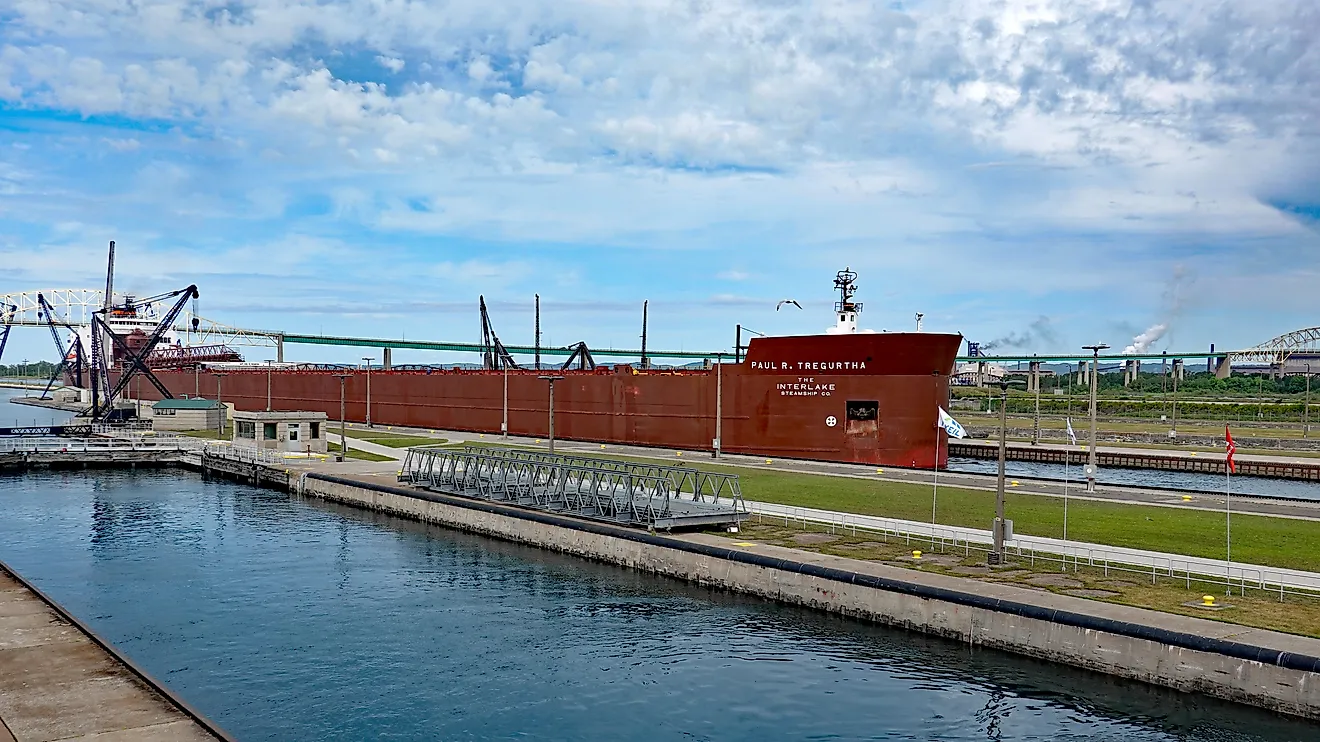
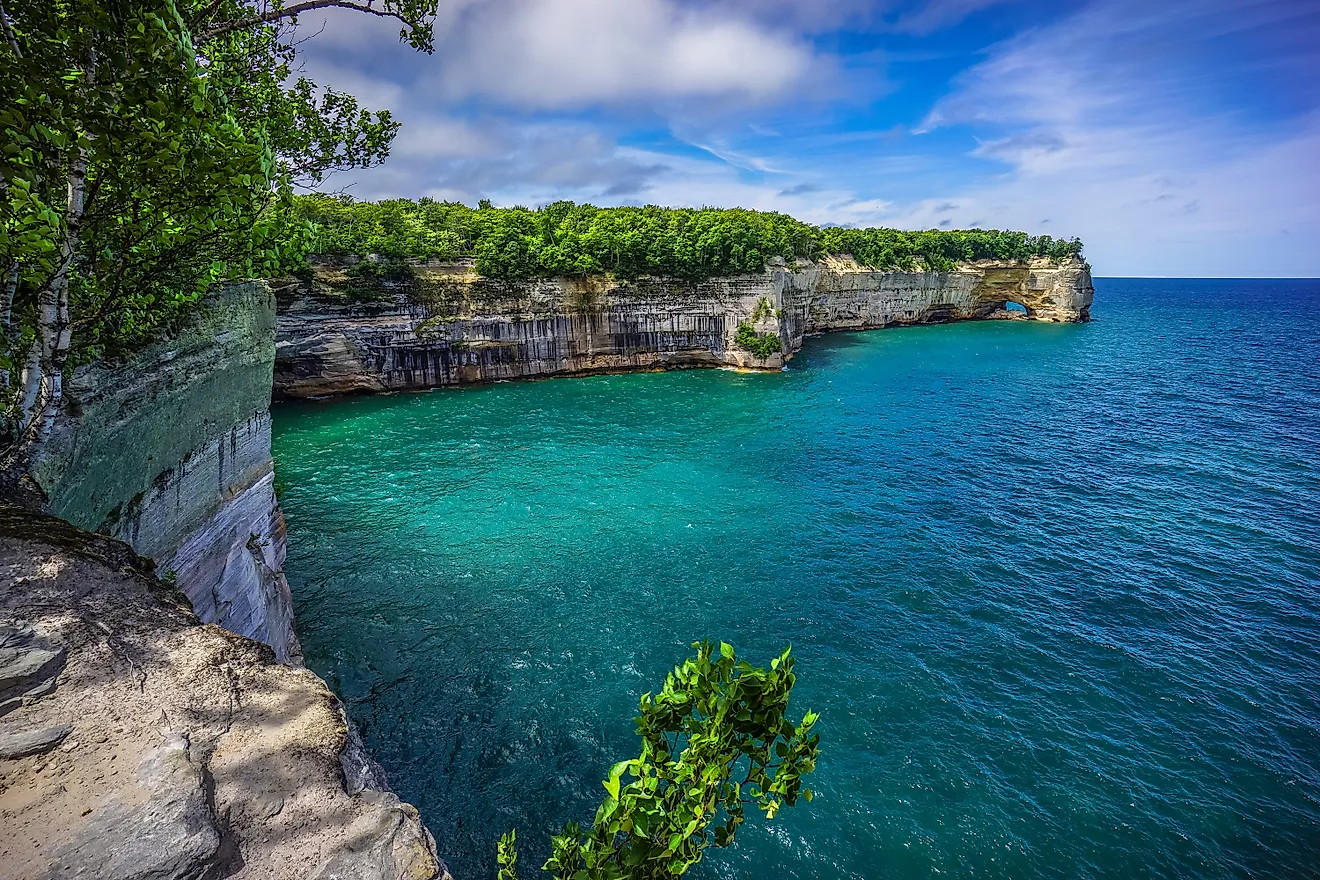
Lake Superior is the largest freshwater lake in the world by surface area, covering about 31,700 square miles, roughly the size of Austria. It is also the deepest of the Great Lakes at a maximum depth of 1,333 feet. Its pollution score in the Lake.com study was zero, the cleanest of any large lake measured. Turbidity is just 0.46 NTU and dissolved oxygen 10.45 mg/L; total dissolved solids run only 44 mg/L. The phosphorus level is essentially undetectable. Two structural features explain the clean water. The catchment-to-surface-area ratio is about 1.55, meaning relatively little land drains into the lake compared with its size, so terrestrial pollution sources stay limited. Average water-residence time is about 191 years, so anything that does enter the system gets diluted across many decades. More than 80 fish species live in the lake, including native lake trout, lake whitefish, and cisco.
2. Lake Chelan

Lake Chelan sits in Washington's North Cascades, runs about 50 miles long, and reaches 1,486 feet deep, making it the third-deepest lake in the United States. Its fjord-like profile reflects glacial origins; the lake fills a long valley carved by ice. The Lake.com study gave it a pollution score of 0.14 and recorded the lowest total dissolved solids of any lake in the rankings at 30.20 mg/L. Dissolved oxygen sits at 9.44 mg/L. Glacier-fed streams flowing in from the Okanogan-Wenatchee National Forest help keep the water cold, clear, and low-mineral. Chelan supports popular fisheries for salmon, trout, bass, northern pikeminnow, and burbot.
3. Lake Hartwell

Lake Hartwell is a 56,000-acre reservoir on the Savannah River, formed by the US Army Corps of Engineers' Hartwell Dam, completed in 1962. It straddles the Georgia-South Carolina line and is the uppermost of three Army Corps reservoirs on the Savannah River. Its pollution score is 1.73, with turbidity at 1.9 NTU. The lake is a regional fishing destination for hybrid striped bass, largemouth bass, catfish, bream, and crappie. The surrounding watershed supports more than 250 bird species and a wide range of mammals.
4. Lake of the Ozarks

Lake of the Ozarks is a 54,000-acre reservoir in central Missouri, formed in 1931 by the Bagnell Dam on the Osage River. The lake has had a notable turnaround over the past two years. In 2024, watershed groups raised concerns about algal blooms, low dissolved oxygen, agricultural runoff, and shoreline erosion. Sustained monitoring by H2Ozarks and the Lake of the Ozarks Watershed Alliance has helped reverse the trend. The lake now scores 1.85 on the Lake.com index, with dissolved oxygen at 7.5 mg/L, no significant lead or ammonia detected, and phosphorus at just 0.01 mg/L. Common catches include crappie, catfish, carp, shad, and bass.
5. Lake Pend Oreille

Lake Pend Oreille (pronounced "pond oh-RAY") is the largest lake in Idaho and the fifth-deepest in the United States at 1,158 feet. Its pollution score is 2.09, with ammonia at just 0.02 mg/L and phosphorus at 0.01 mg/L. The lake is fed by the Clark Fork River and drained by the Pend Oreille River; its remoteness and largely forested watershed help keep nutrient loads low. The lake holds native bull trout, westslope cutthroat trout, and mountain whitefish, and the surrounding area supports a wide range of birdlife. Sandpoint, on the lake's northern shore, is the main town and outdoor base.
6. Lake Winnibigoshish

Lake Winnibigoshish, often shortened to Lake Winnie, is Minnesota's fifth-largest lake. It scored 2.2 on the Lake.com index with dissolved oxygen at 9.38 mg/L. The lake's name comes from an Ojibwe word meaning "miserable, dirty water," but the modern reading is the opposite: low nutrient levels, low algae, and clear water through most of the year. The Mississippi River runs through the lake. The Minnesota Pollution Control Agency notes elevated mercury concentrations in some fish tissue, a regional issue tied to atmospheric deposition rather than local pollution, but levels are usually below human-consumption advisories. Winnie sits within the Chippewa National Forest and the Leech Lake Reservation, with summer fisheries for walleye, northern pike, and yellow perch and active ice fishing in winter.
7. Kentucky Lake

Kentucky Lake is a Tennessee Valley Authority reservoir on the Tennessee River, completed in 1944 with the construction of Kentucky Dam. At more than 160,000 surface acres and 184 miles long, it is the largest artificial lake in the eastern United States. Its pollution score is 2.2, tied with Lake Winnibigoshish, and turbidity sits at 3.63 NTU; total dissolved solids run 84 mg/L. The lake forms the western boundary of the Land Between the Lakes National Recreation Area, a 170,000-acre forest peninsula shared with Lake Barkley to the east. The reservoir supports popular bass, crappie, and catfish fisheries, and the surrounding land hosts white-tailed deer, songbirds, and waterfowl including blue-winged teal.
8. Lake Norman

Lake Norman is the largest man-made lake in North Carolina, formed in 1963 by Duke Energy's Cowans Ford Dam on the Catawba River. It covers about 32,000 acres and reaches 130 feet at its deepest point. A 2023 sewage spill raised local concerns about water quality, but cleanup efforts and ongoing monitoring have brought the lake back to a 2.33 pollution score on the Lake.com index. Turbidity is 2.34 NTU, dissolved oxygen 7.14 mg/L, and phosphorus 0.03 mg/L. The water is usually exceptionally clear, although seasonal algae blooms can give it a milky cast in late summer. Common wildlife along the shoreline includes foxes, ospreys, and white-tailed deer.
9. Lake Mead

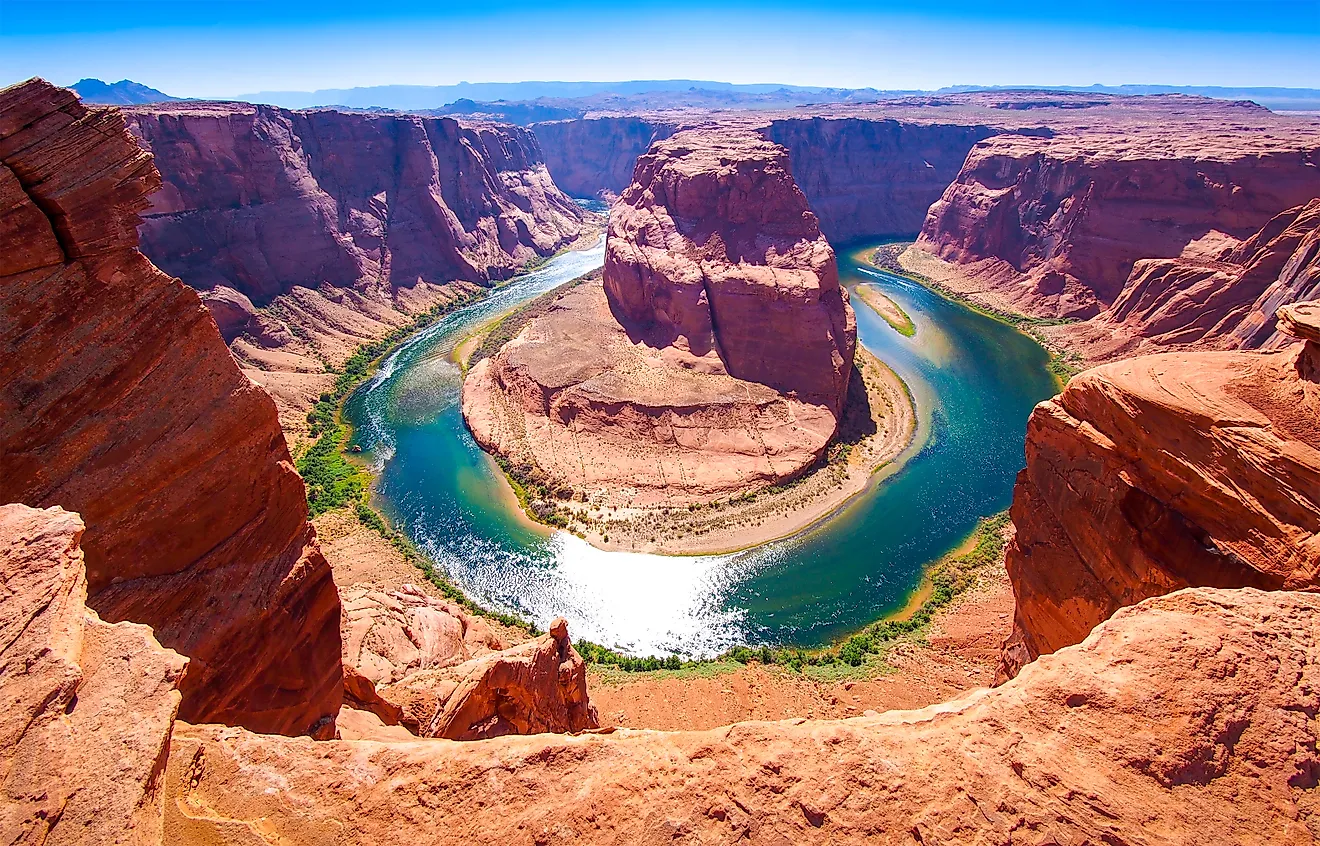
Lake Mead, on the Nevada-Arizona border, is the largest reservoir in the United States by maximum capacity. It was created in 1936 by Hoover Dam on the Colorado River and reaches 532 feet at its deepest point. The lake supplies water to roughly 20 million people across Nevada, Arizona, California, and northern Mexico. Its pollution score in the Lake.com study was 2.45, with dissolved oxygen at 4.93 mg/L (lower than the leaders on this list) and turbidity at 3.44 NTU. The longer story is harder. Decades of drought across the Colorado River basin have driven Lake Mead's water levels to historic lows; as of early 2026 the reservoir was operating at roughly a third of its capacity, and reduced releases from Lake Powell upstream are projected to push the surface elevation down further. The basin's broader water-allocation negotiations now run alongside the longer-term question of whether Mead can sustain its current role.
10. Flathead Lake

Flathead Lake in northwestern Montana is the largest natural freshwater lake west of the Mississippi River in the lower 48 states. It scored 2.6 on the Lake.com index, with dissolved oxygen at 9.68 mg/L and low phosphorus and nitrogen levels that limit algal growth. Visibility regularly reaches 20 feet during the summer. The lake is fed by the Flathead and Swan Rivers and topped off each summer by snowmelt and runoff from the surrounding mountains. Average water residence time is about 2.2 years. The fishery includes lake trout, bull trout, and westslope cutthroat trout; the surrounding watershed supports black bears, gray wolves, and elk.
Protecting America's Cleanest Lakes
The lakes on this list stay clean for different reasons. Lake Superior's clean profile comes mostly from its scale and its 191-year residence time. Flathead Lake benefits from its cold mountain inflows and tight watershed. Lake of the Ozarks and Lake Norman both clawed their way back from declining water quality through sustained monitoring and watershed-group action. The pattern across all ten is that clean water is not a fixed condition; it is the product of geography combined with active management. The challenge for the next decade is keeping lakes in this condition as climate change, agricultural runoff, and Colorado River drought reshape the underlying conditions.