Was The Roman Empire Really Better Than The Roman Republic?
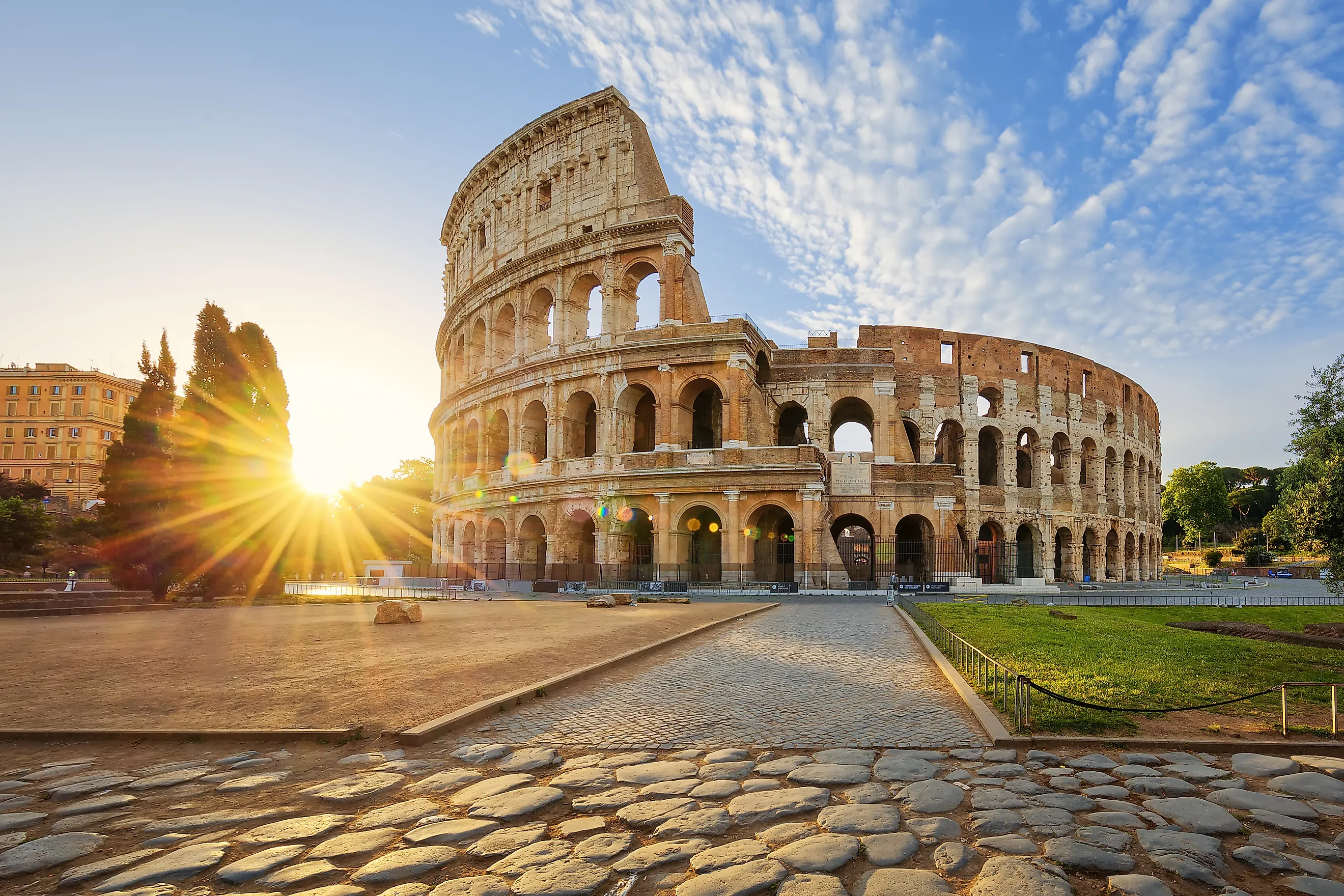
Ancient Rome's two most iconic iterations, the Roman Republic and Roman Empire, continue to loom large in collective historical memory. However, the Empire's success and preeminence have led some to believe it was "better" than the Republic. While true that there were measurable improvements, there were also a number of ways in which it was worse. Painting a picture of these pros and cons is crucial to garnering a full understanding of Ancient Rome.
Better: Political Stability

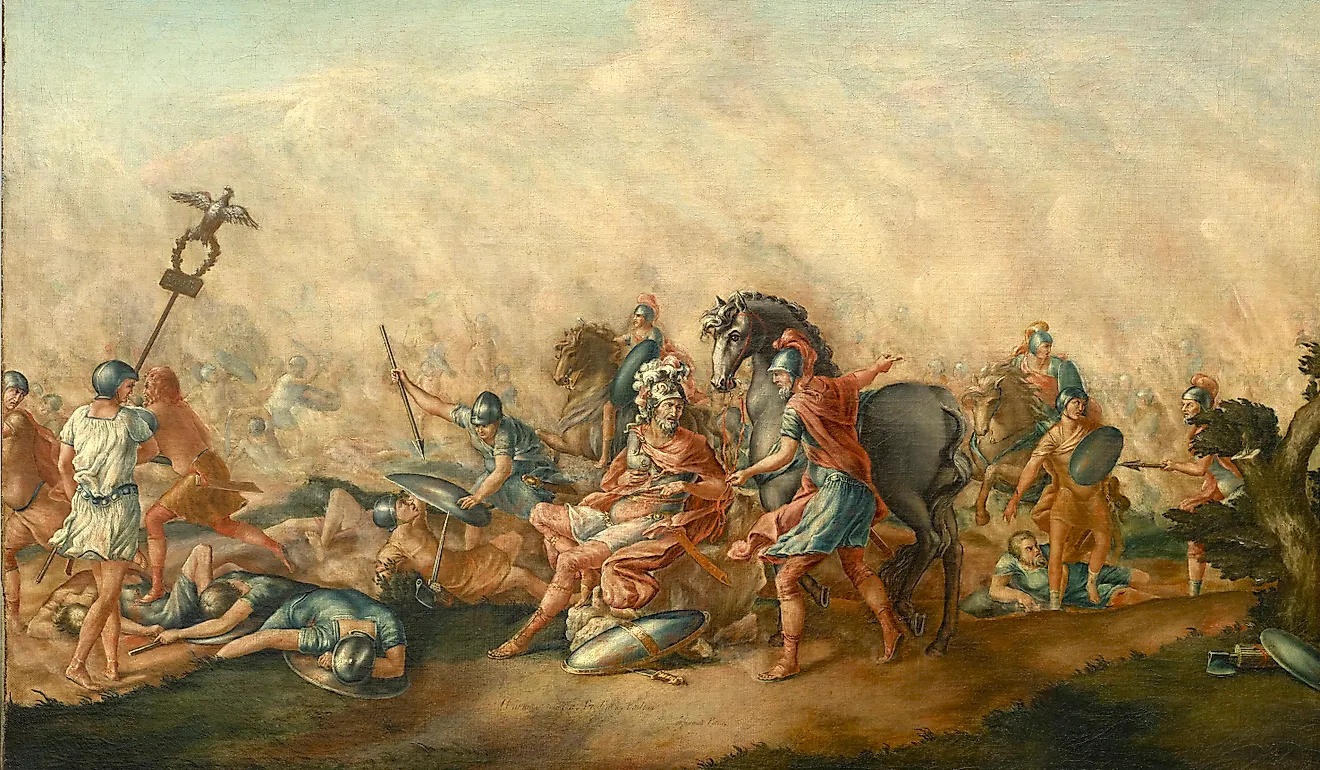
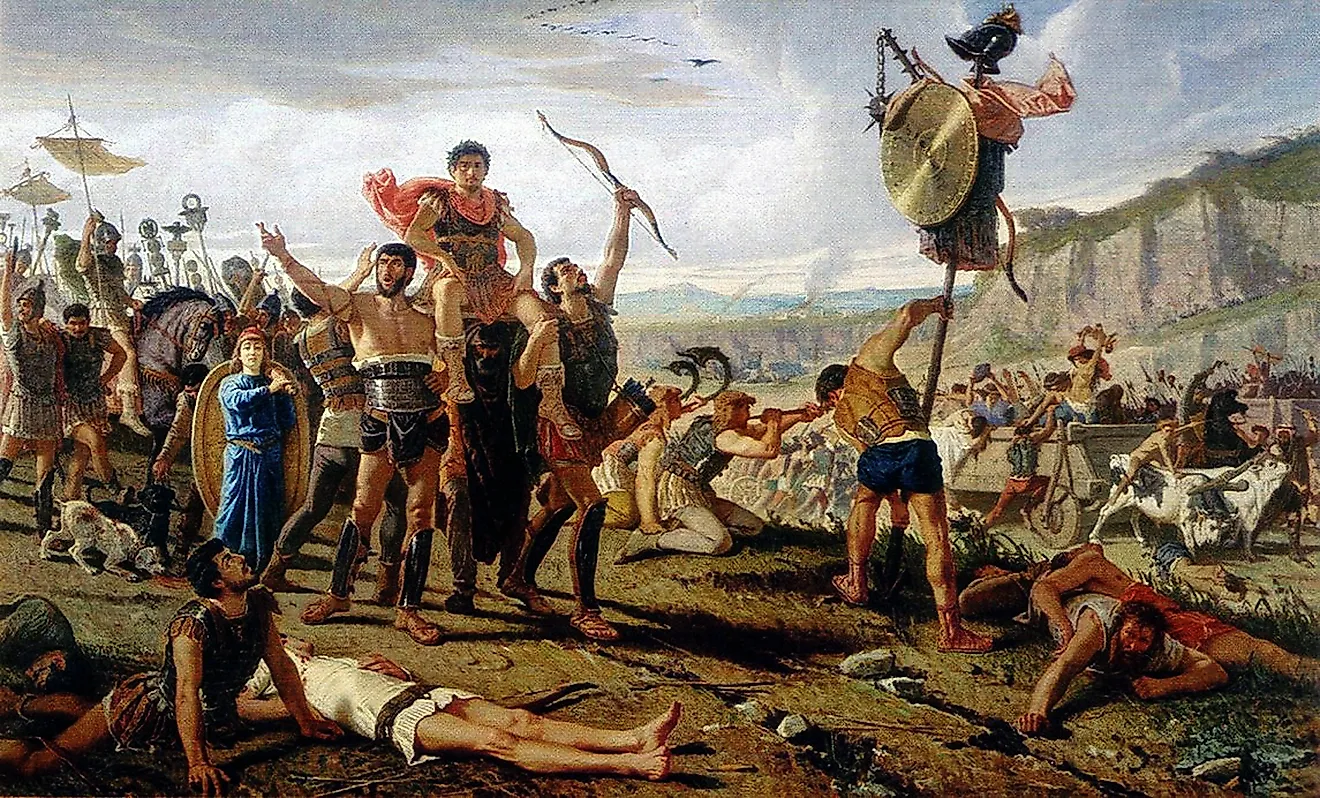
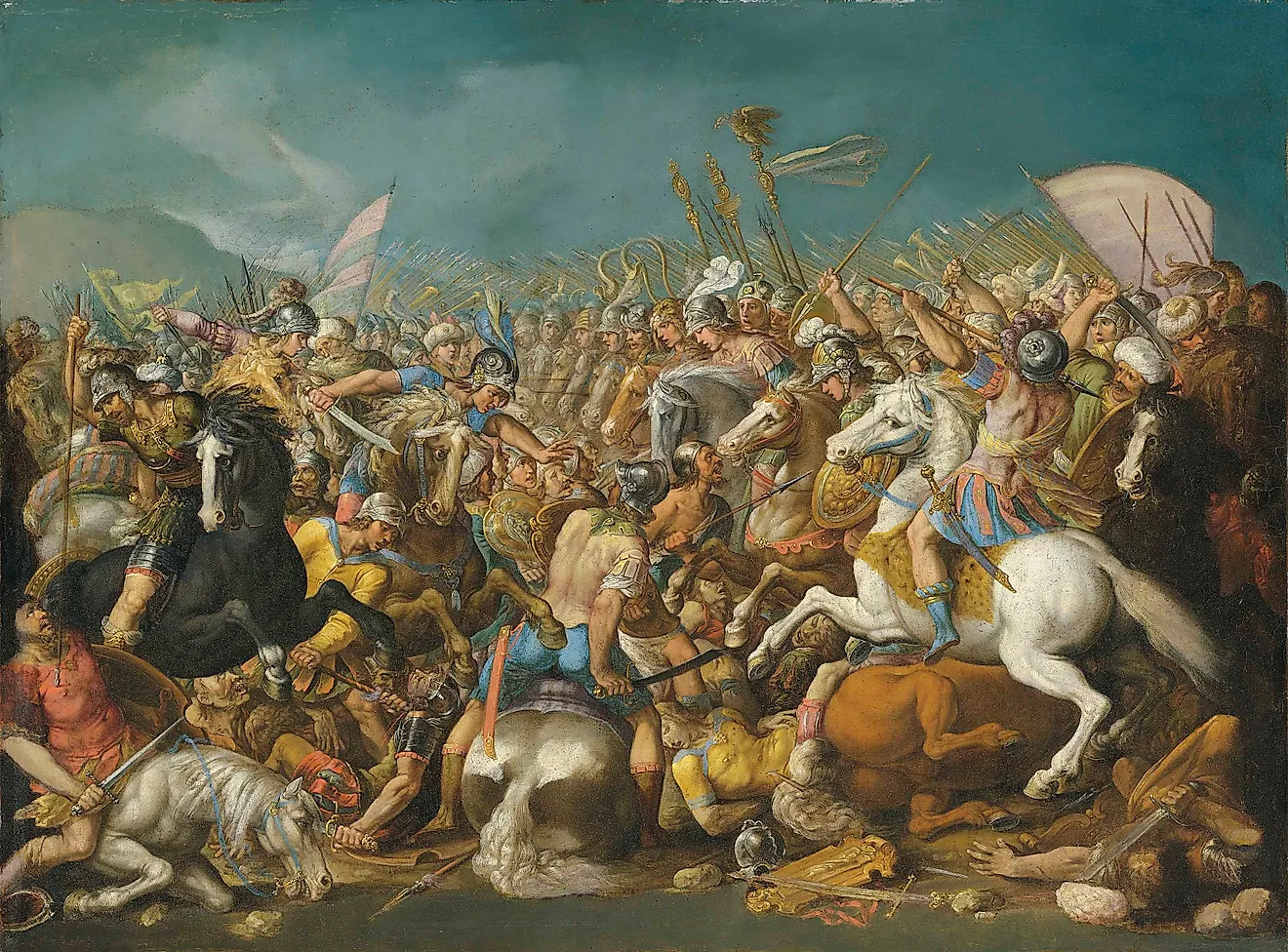
During the last 100 years of the Republic's existence, it was torn apart by civil wars. The foundation for this instability was established in the 80s BCE when General Sulla marched on Rome twice with his army. This set the precedent that the military could be used to resolve political disputes. General Julius Caesar built on this precedent in 49 BCE. The Senate ordered him to surrender his army and his command in Gaul. That territory covered modern-day France, Belgium, and Luxembourg, along with adjacent lands. He refused, and in January, he marched his troops across the Rubicon into Italy. The war ran until 45 BCE, when Caesar destroyed the last Pompeian army in Spain. Early in 44 BCE, the Senate named him dictator for life. Soon afterward, a group of senators concerned about Caesar's tyrannical rule assassinated him, resulting in the outbreak of another civil war that ended with the rise of the Roman Empire in 27 BCE.
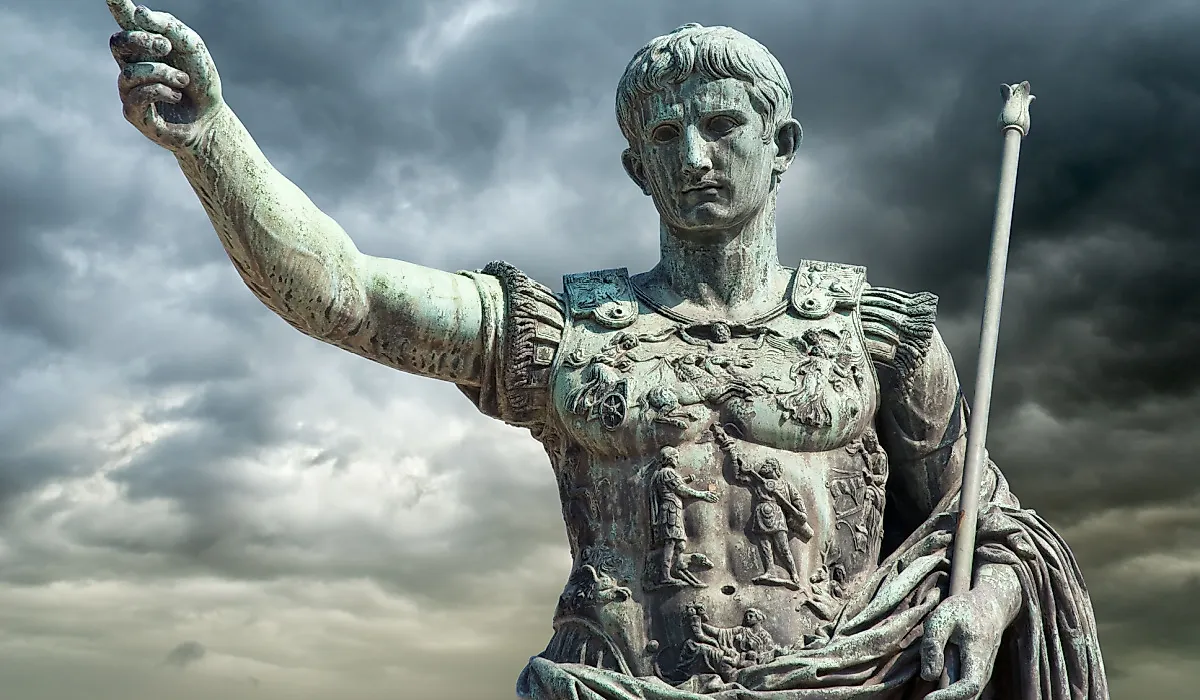
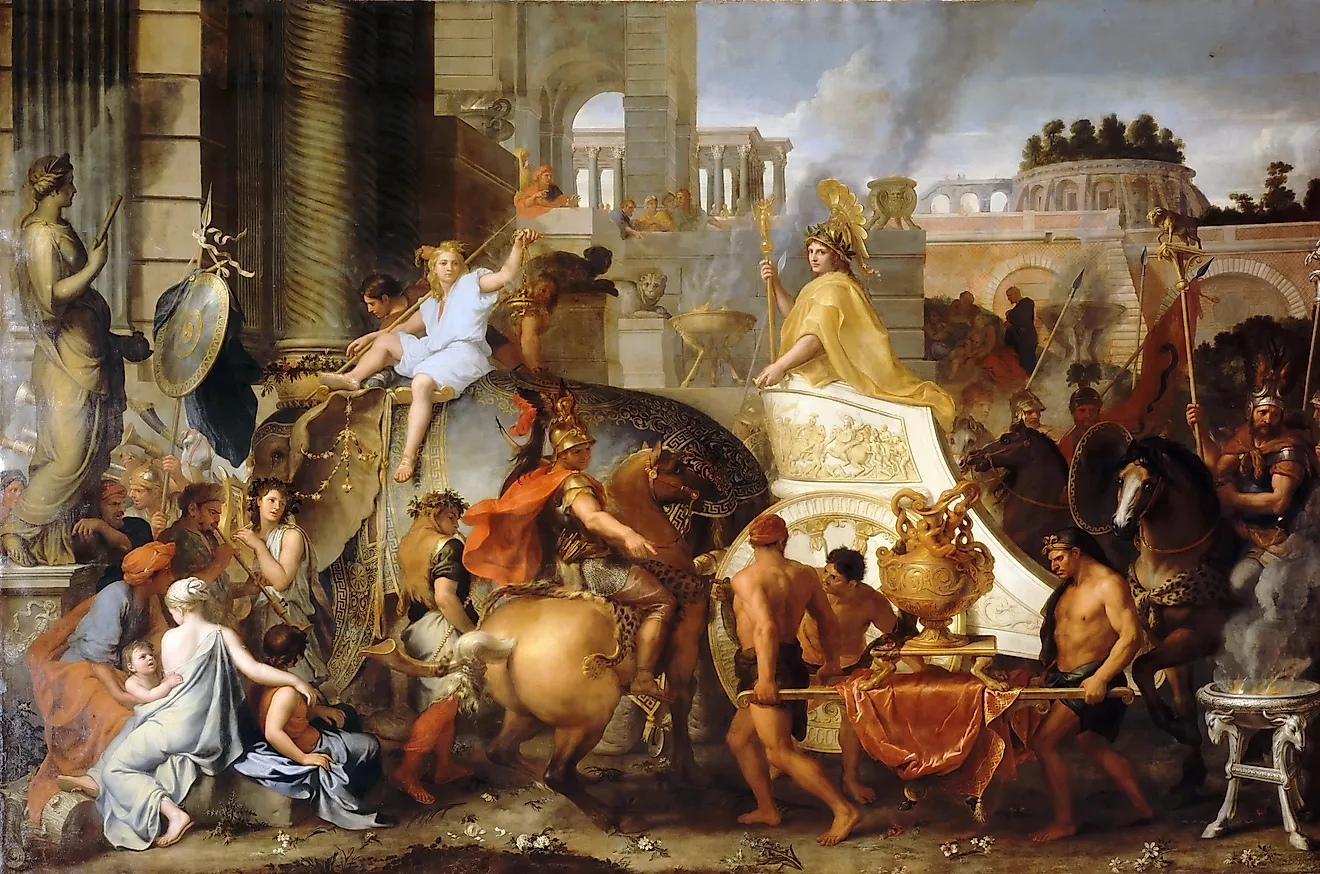
Rome's first emperor, Augustus, understood that political instability was the Republic's Achilles' heel. The source of much of this instability was charismatic political and military figures like Marius, Sulla, Pompey, and Julius Caesar, who could overwhelm Republican institutions. Therefore, Augustus concentrated all power in his hands. He could directly appoint officials, control the army, make legislation, and order public works projects, among other things. Doing so allowed him and future emperors to suppress rivals if need be. This initially worked wonders, and the first two centuries of the Empire's existence were characterized by a period of peace and prosperity known as the Pax Romana.
Better: Military Professionalism

In the late Roman Republic, military professionalism was a problem. The shift is traditionally traced to 107 BCE, when the consul Gaius Marius enrolled volunteers from the capite censi, the landless poor previously barred from service. That solved an immediate manpower shortage and created a longer-term problem. The state supplied pay and equipment, but soldiers who owned nothing depended on their commanders rather than the Senate to secure land and bonuses once their service ended. This was a major contributing factor in the political instability that characterized the last decades of the Republic's existence.
The military was reformed with the rise of the Empire. Soldiers now served long periods and received regular pay from the state treasury. The Empire also increasingly relied on auxiliary forces and provincial recruits, rather than Italians. These measures helped prevent the conflicting loyalties of the Republican era.
Better: Tax Collection And Overall Administration

Rome's republican institutions were created for a small Italian city-state. As the Republic expanded into a Mediterranean-wide power, these institutions struggled to keep up with administrative requirements. Tax collection was perhaps the biggest problem. Because the government in Rome had little authority in the far-reaching territories, it was forced to rely on provincial governors. Doing so paved the way for corruption, since these officials sometimes kept the revenues for themselves.
This changed with the rise of the Empire. Now that authority was centralized under one person, the emperor could directly appoint people he knew were loyal to him. He could also coordinate infrastructure projects like road construction. All these measures made tax collection even easier. In short, the overall administrative state became far more effective under the Roman Empire.
Worse: Political Freedom

The Roman Republic began in 509 BCE following centuries of tyrannical monarchs. Everything in its political system was therefore meant to prevent the accumulation of too much power in the hands of one person or institution. Two consuls shared the responsibilities of a king, and they were elected by popular assemblies. The Senate also served an advisory role. Admittedly, this system was imperfect. Senators were unelected and served for life, meaning that they had an abundance of political experience that gave them outsized influence. Regardless, the Roman Republic still had meaningful power-sharing and even some semi-democratic institutions.
On paper, the Roman Empire looked no different. It initially kept most Republican trappings, and emperors even feigned respect for institutions like the Senate. However, it was all a ruse, and the emperor was the only one who had any real power. This reality became even clearer under the reign of Diocletian, who ruled between 284 and 305 CE. He required visitors to bow before him and wore garments that were indistinguishable from those worn by kings. He also stripped the Senate of any remaining legislative power.
Worse: Territorial Expansion

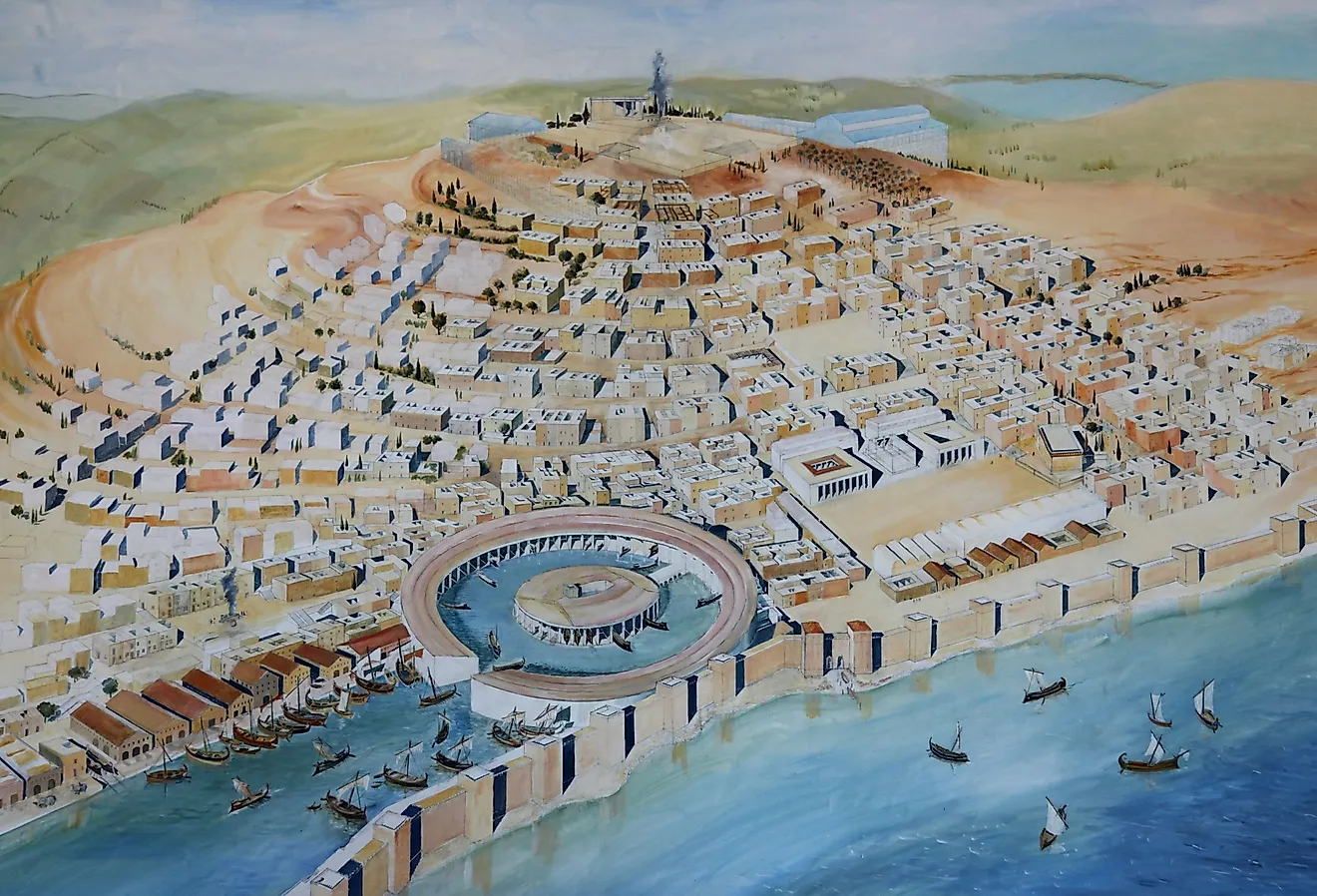
The Roman Republic began as a small Italian city-state but rapidly expanded over nearly five centuries. It started by first taking control of Italy. During the 200s and 100s BCE, it then fought a series of wars with the Tunisia-based empire of Carthage. In doing so, it came to control vast swaths of North Africa, as well as Spain and Sicily. Around the same time, Rome made incursions into the Balkans, Greece, and the Middle East. Julius Caesar then led Rome's campaign to conquer Gaul in the 50s BCE. Finally, Rome annexed Egypt in 30 BCE.
Territorial expansion was much more limited in the Empire. This was the case for two main reasons. First, the transition to a professional standing army made the military much better suited for defense than aggression. Second, the cost of expansion was simply too great. Expanding borders required more investments into defensive measures. Territorial acquisitions also necessitated building infrastructure and administrative facilities to properly govern them. While these costs were worth it early on when expansion could double or triple tax revenue, diminishing returns eventually set in.
What Does This All Mean?
The comparison depends on what a state is being asked to do. Republican institutions were designed to stop any single man from ruling, and they worked well enough to govern a city and then a peninsula. They broke under the weight of a Mediterranean empire, because the same checks that blocked concentrated power also blocked coherent administration. Augustus removed those checks. The Empire gained a functioning treasury, a standing army, and a provincial government the Republic could never assemble. It surrendered exactly what those checks had existed to protect, and the court Diocletian built two centuries later shows which side of the exchange the emperors valued.