The Roman Generals Who Destroyed Their Careers With One Mistake
Ancient Rome produced many formidable generals. However, they weren’t perfect. Consider Publius Claudius Pulcher, who lost the Battle of Drepana after ignoring a religious warning. Marcus Licinius Crassus’ invasion of Parthia also ended in disaster. Finally, Publius Quinctilius Varus lost all credibility when he led thousands of soldiers to their deaths in the Battle of the Teutoburg Forest. These are just some examples of Roman generals who destroyed their careers with one mistake.
Marcus Licinius Crassus: Invading Parthia (54 to 53 BCE)

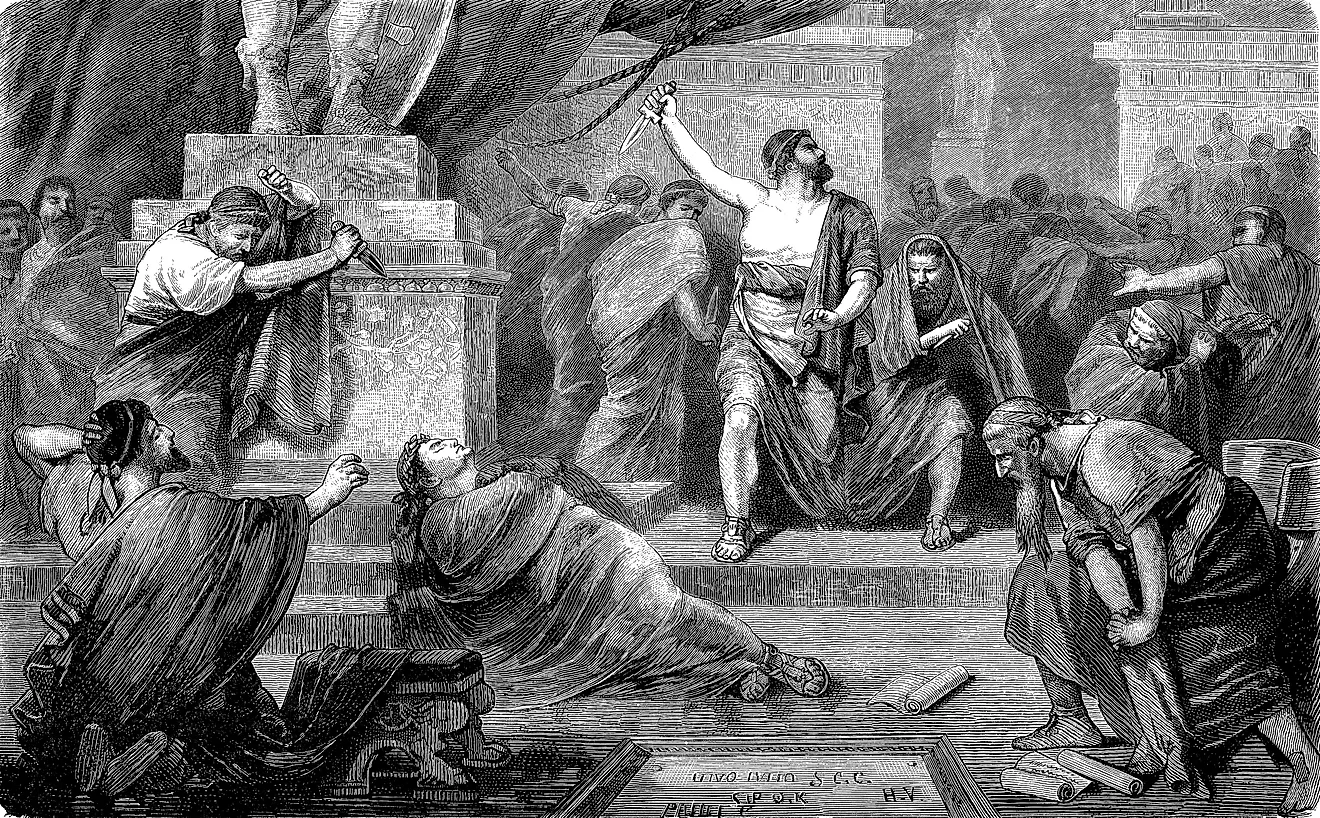
Marcus Licinius Crassus was one of the most important figures of the late Roman Republic. The richest man in Rome, he also oversaw the defeat of Spartacus in the Third Servile War (73 to 71 BCE). These two factors led to him becoming a member of the First Triumvirate, an informal alliance that ruled the Republic during the 50s BCE. However, its other members, Julius Caesar and Pompey the Great, were more accomplished. Caesar spent the 50s BCE conquering Gaul, whereas Pompey had countless victories in the east. Eager to prove his worth, Crassus planned a campaign against the historic enemy of the Greco-Roman world: Persia.

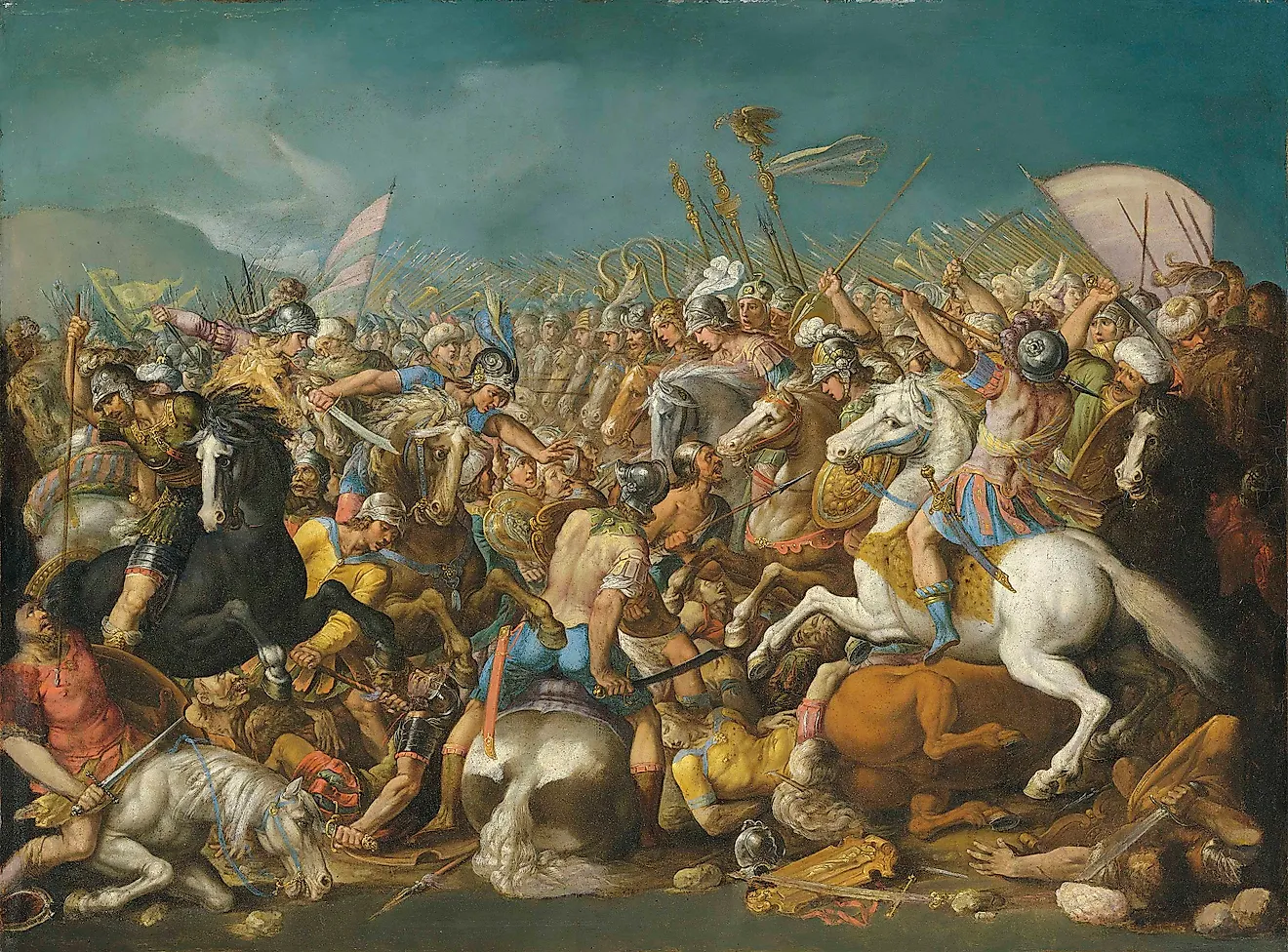
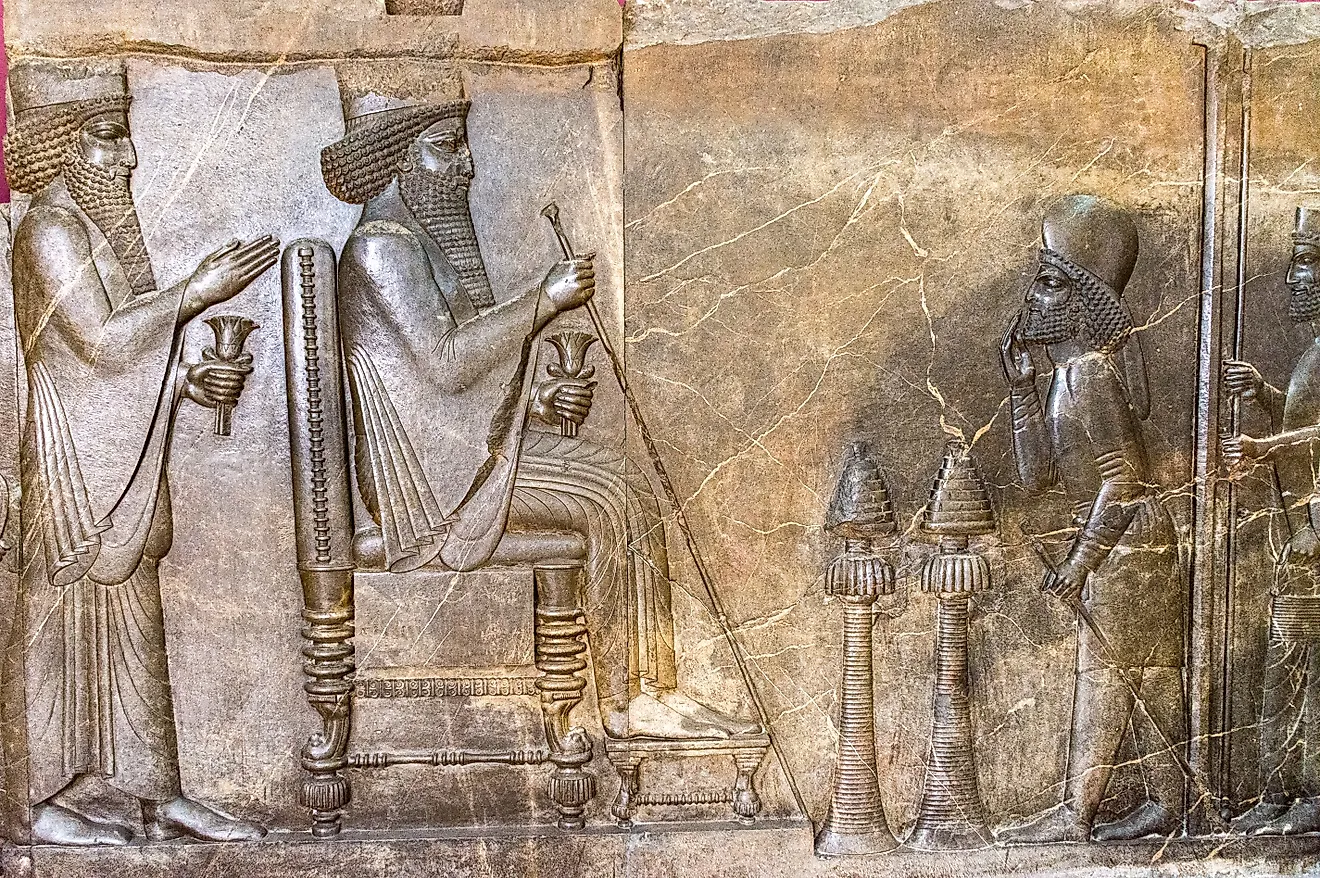
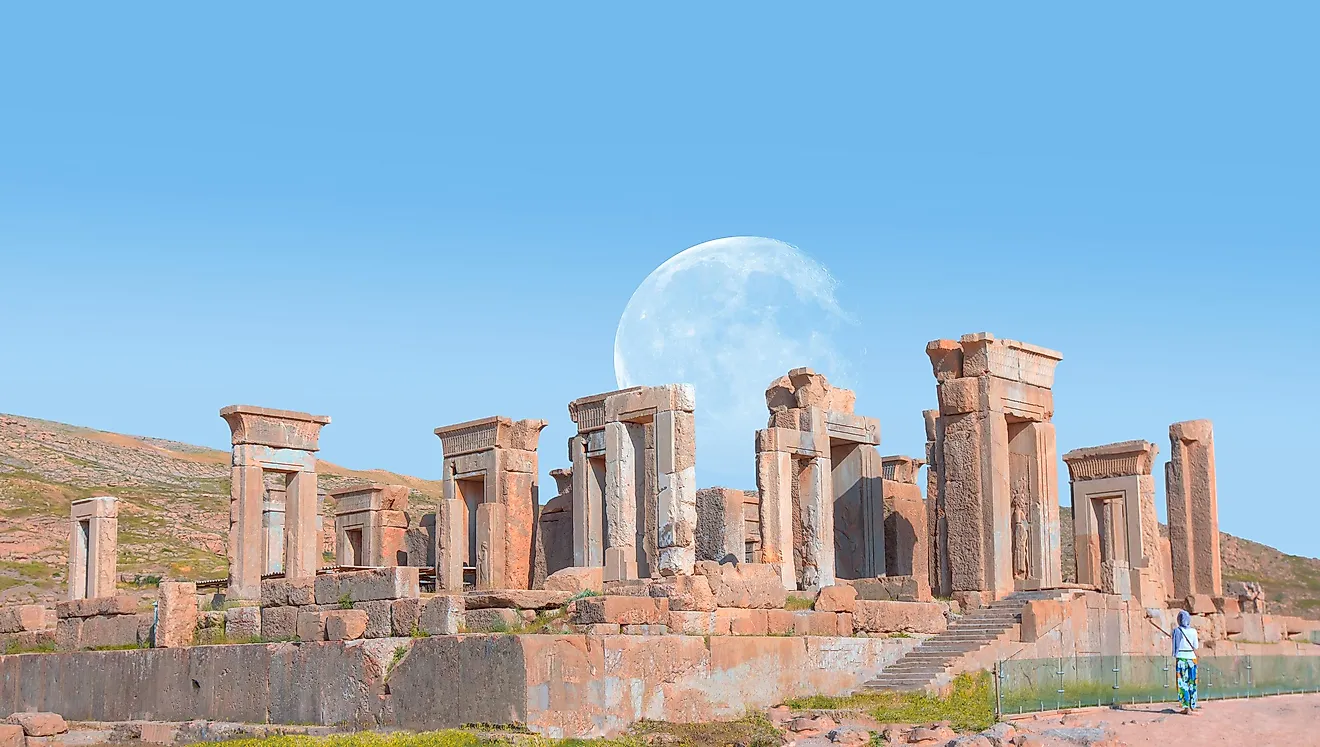
Crassus began his invasion of the Persia-based Parthian Empire in 54 BCE. Things initially went well, only for the tide to turn at the Battle of Carrhae (53 BCE). Fought on open terrain, the Roman army was exposed to the Parthian horse archers, cavalry, and heavily armored cataphracts. Even when it became clear that he had lost, Crassus’ poor leadership during the retreat resulted in his army being destroyed. He was ultimately killed in a botched negotiation attempt after the battle.
Pompey the Great: Not Pursuing A Decisive Victory At the Battle of Dyrrhachium (48 BCE)

Julius Caesar often overshadows Pompey in discussions about Roman generals. While understandable to some extent, Pompey’s achievements shouldn’t be ignored. In his early 20s, he raised an army in support of Sulla during his civil war against Gaius Marius’ supporters. He also played a major role in the aforementioned Third Servile War. Unlike Crassus, however, Pompey’s accomplishments didn't stop there. In 67 BCE, he systematically swept over the Mediterranean Sea to rid it of pirates. He also defeated Mithridates VI in the Third Mithridatic War, thereby annexing Syria and capturing Jerusalem. All these victories garnered Pompey the moniker “the Great”.

Pompey and Caesar never liked each other. This dislike was exacerbated by Caesar’s Gallic campaign, which brought him immense wealth and personal popularity. Concerned about his seemingly unchecked power, the Senate, with which Pompey was allied, ordered Caesar to give up control of his army and return to Rome. Caesar refused and declared war on the Senate. He quickly conquered Italy, and Pompey and the senators fled to the east.

Although Caesar’s civil war is often portrayed as an endless series of victories for him, this wasn’t the case. Consider the Battle of Dyrrhachium in 48 BCE, in which Pompey soundly defeated Caesar in Albania and forced him to flee to Greece. If Pompey had more aggressively pursued his victory here, he could have won the war. But he didn’t. Pompey possibly feared a trap, or he may have wanted to give his troops time to rest. Regardless of the reason, by the time he met Caesar at the Battle of Pharsalus, the momentum had shifted. Caesar won a decisive victory, and Pompey was forced to flee to Egypt. He was then killed on the orders of King Ptolemy XIII, who was trying to curry favor with Caesar.
Publius Quinctilius Varus: Marching Into The Teutoburg Forest (9 CE)

Perhaps no other Roman general had a greater fall from grace than Publius Quinctilius Varus. Over his career, he governed important territories like Syria and thus had significant administrative experience. Emperor Augustus therefore made him governor of Germania. The Romans had attempted to settle the region for decades, and Varus was seen as an ideal person to consolidate authority beyond the Rhine River.

Things initially went well, but the tide turned in 9 CE when a Germanic leader named Arminius informed Varus of an alleged rebellion. Varus accepted this information uncritically and marched three legions through the Teutoburg Forest to stop the uprising. There, Arminius had secretly organized an ambush involving several Germanic tribes. Over the next three days, the three legions were destroyed, and between 15,000 and 20,000 soldiers were killed. The scale of the defeat was so great that Varus killed himself, rather than dealing with the consequences. It also permanently halted Roman plans to settle past the Rhine.
Publius Claudius Pulcher: Pursuing The Battle Of Drepana (249 BCE)

During the First Punic War (264 to 241 BCE), the Roman Republic fought Carthage for control of Sicily and the surrounding Mediterranean waters. While the Romans ultimately won, this didn’t mean that everything went smoothly. The case of Publius Claudius Pulcher is illustrative. A consul and general, he was well respected. Everything changed in 249 BCE.
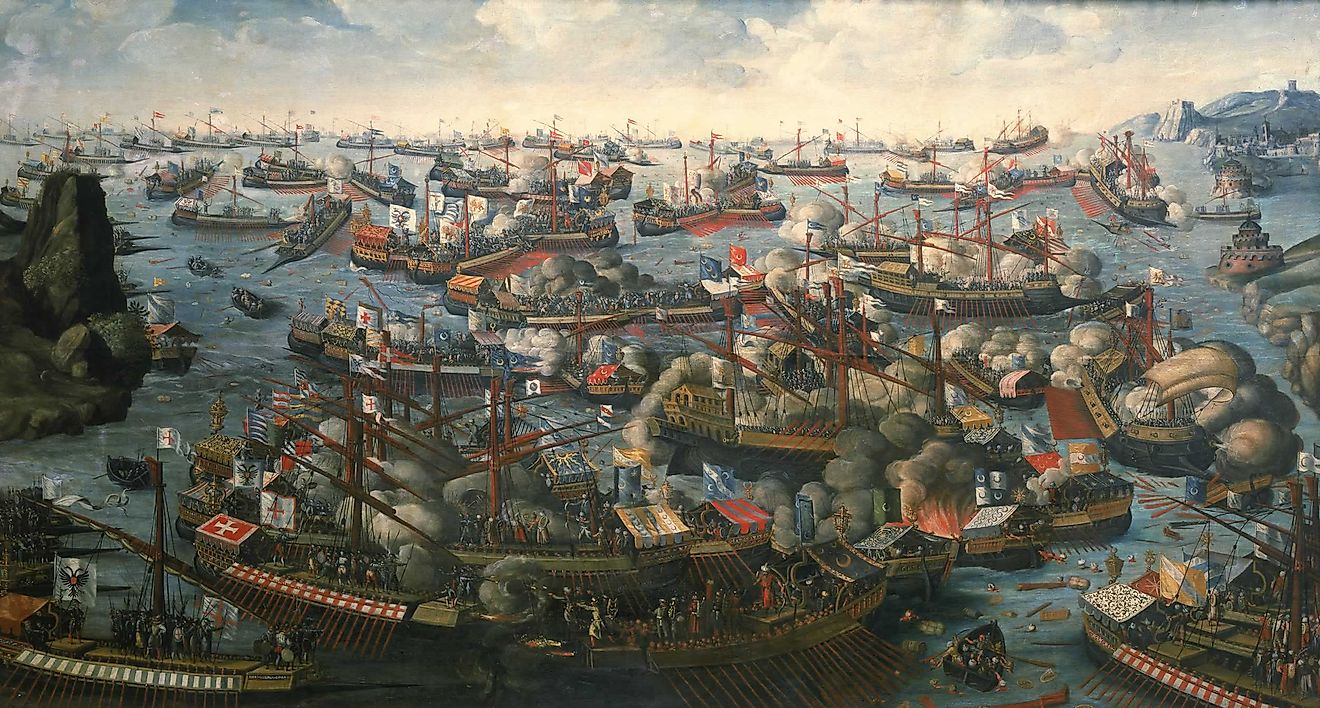
Before the Battle of Drepana, Roman officials conducted the traditional religious practice of checking whether the sacred chickens would eat. According to the ancient accounts, they refused to do so. Pulcher allegedly responded by throwing the chickens into the water and proceeding with the naval operation. It ended in disaster. 93 out of 123 ships were lost, and up to 20,000 soldiers died. Humiliated and accused of religious misconduct, Pulcher returned to Rome in disgrace. While he was convicted of a lesser charge, his career was essentially over. Pulcher died shortly thereafter, possibly by suicide.
Impact And Legacy
Several Roman generals destroyed their careers with one mistake. Pulcher ignored religious warnings and was subsequently humiliated after the Battle of Drepana. Crassus’ invasion of Parthia led to his death. Pompey’s failure to consolidate his victory after the Battle of Dyrrhachium proved disastrous. Finally, Varus’ march through the Teutoburg Forest ended with the deaths of thousands, him committing suicide, and a permanent shift in Roman policy regarding Germania.