The Rise Of Suleiman The Magnificent
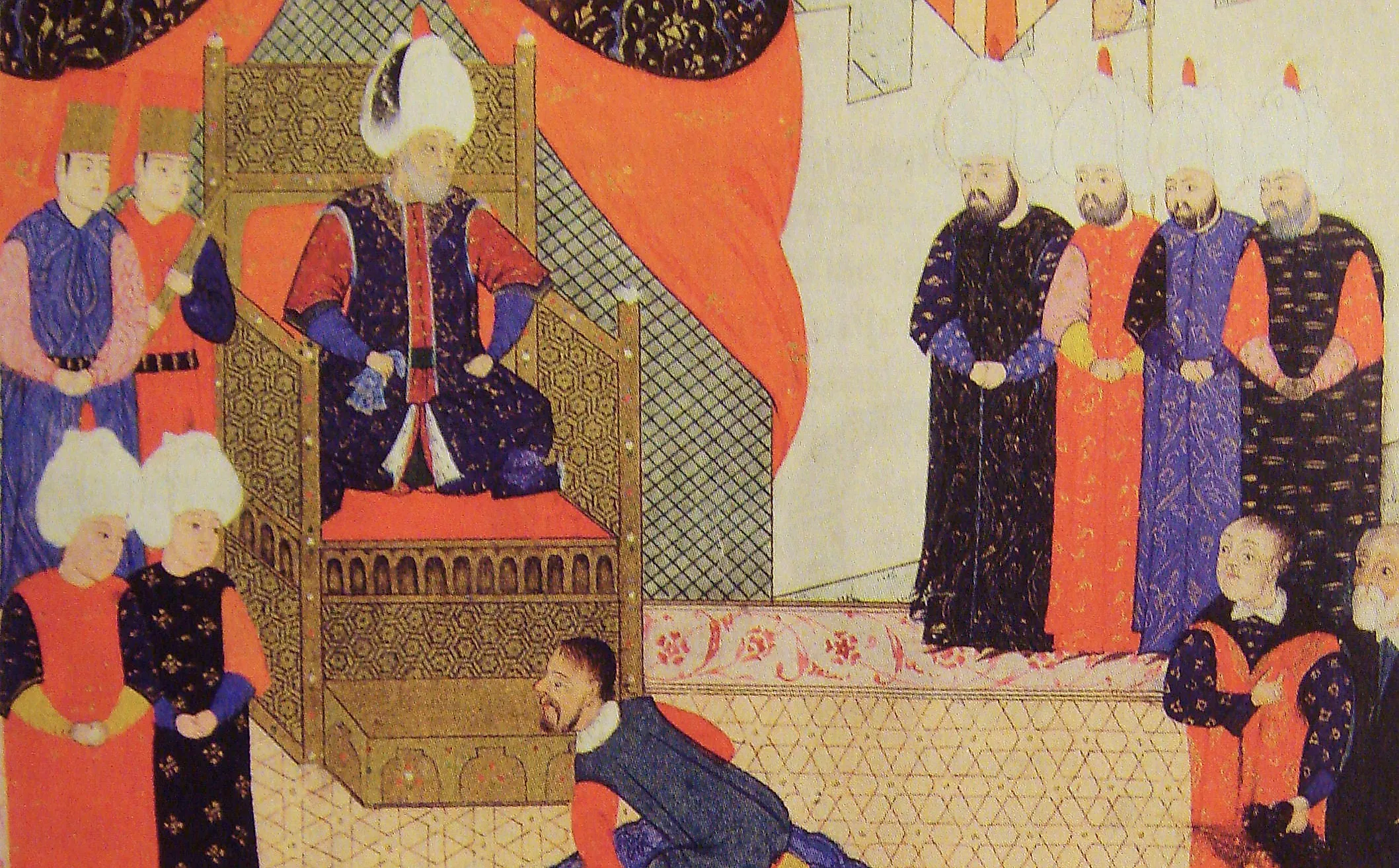
Perhaps no Ottoman leader was more influential than Suleiman the Magnificent. Under his reign (1520 to 1566), the empire significantly expanded its territory. Furthermore, Suleiman's tenure corresponded with major advances in Ottoman law and culture. For these reasons, exploring the rise of Suleiman the Magnificent is important. Indeed, doing so explains how he achieved such feats and why other Ottoman leaders may not have been as successful.
Background

To understand Suleiman's rise, one must first comprehend the reign of his father, Selim I. While he only ruled the Ottoman Empire for a relatively short time (1512 to 1520), he was one of its most impactful sultans. Selim's most notable achievement was the defeat of the Mamluk Empire, leading to Ottoman control of Egypt, the Levant, and the holy cities of Mecca and Medina. With this, Selim I could credibly claim to be the first Ottoman caliph (the leader of the global Muslim community), which gave him legitimacy amongst the many Sunni Muslims within the empire's borders.

More tangibly, Selim's rule saw the Ottoman Empire expand its territorial reach by about 70 percent, thereby greatly increasing its influence in the Middle East, Europe, and North Africa. All this meant that, by the time Suleiman came to power, he was inheriting a state that was already on the rise.
Suleiman Becomes Sultan

As a young man, Suleiman gained significant experience in government, serving as a provincial governor in cities such as Manisa, Kaffa, and Edirne. Doing so taught him key lessons about taxation, military leadership, and diplomacy. Therefore, by the time his father died in 1520, Suleiman was well prepared to govern the Ottoman Empire.

Another factor that set Suleiman up for success was his relatively smooth accession to power. In the past, Ottoman successions frequently turned into violent struggles between competing princes. The most notable instance of this was the Ottoman Interregnum at the beginning of the 1400s, a roughly ten-year civil war between the sons of former sultan Bayezid I. However, Suleiman was Selim's only surviving son. This meant that the entire army and political bureaucracy quickly supported Suleiman, allowing him to focus all his efforts on running the empire, rather than competing for power.
Military Advances

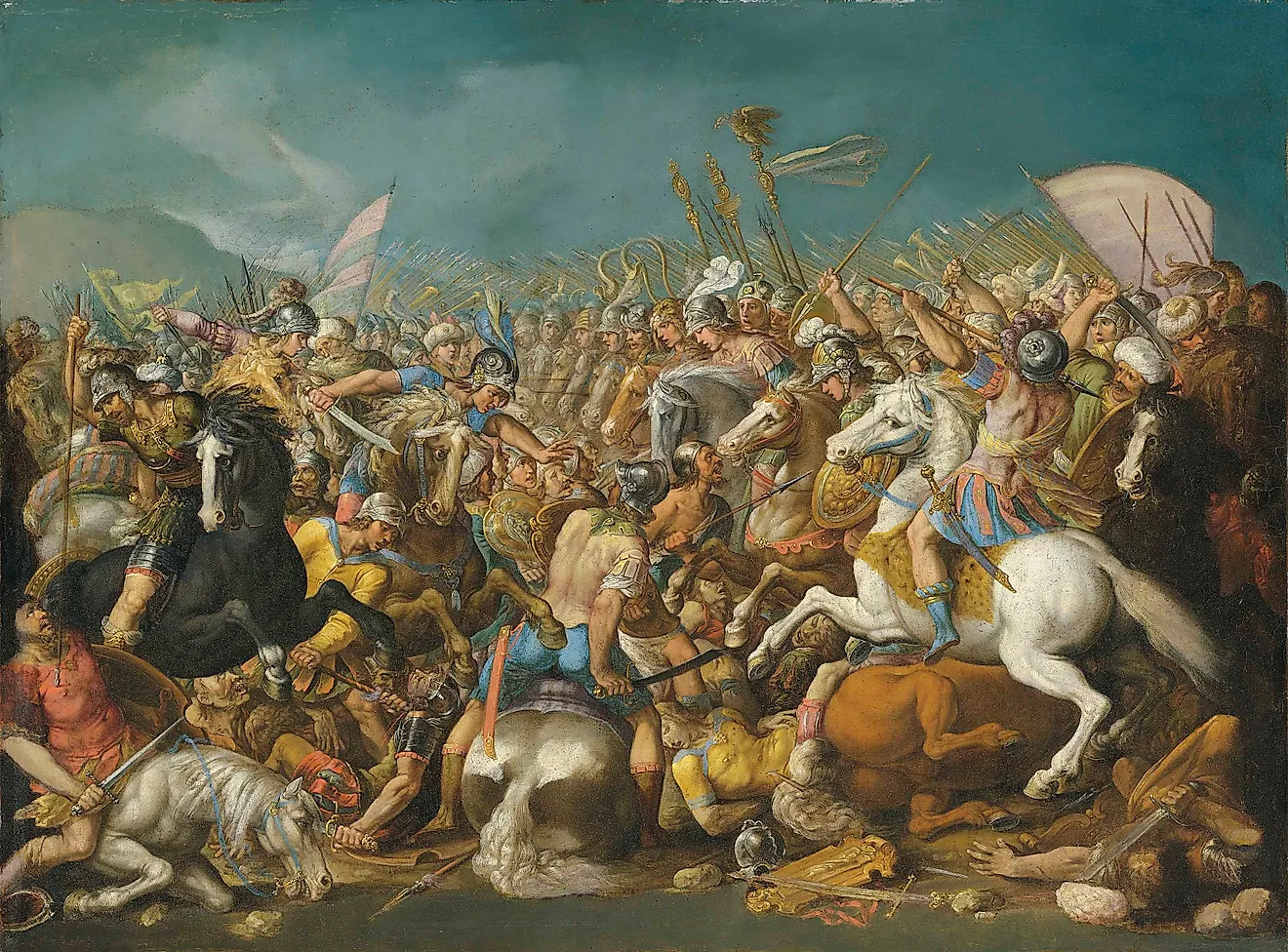
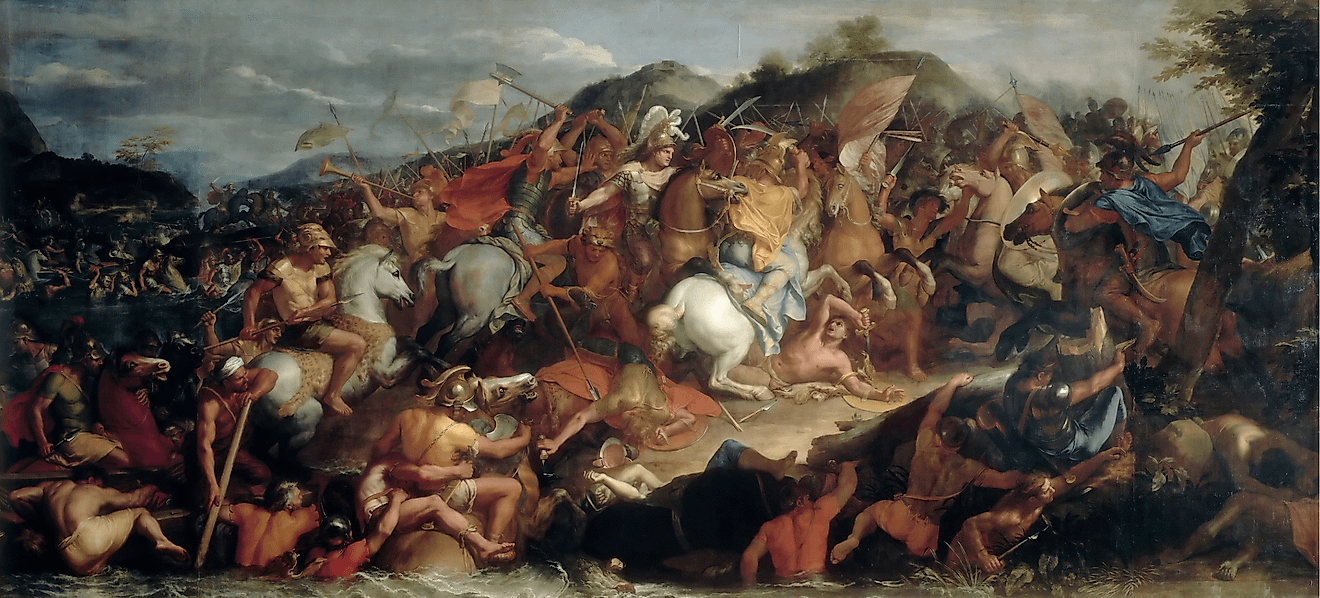
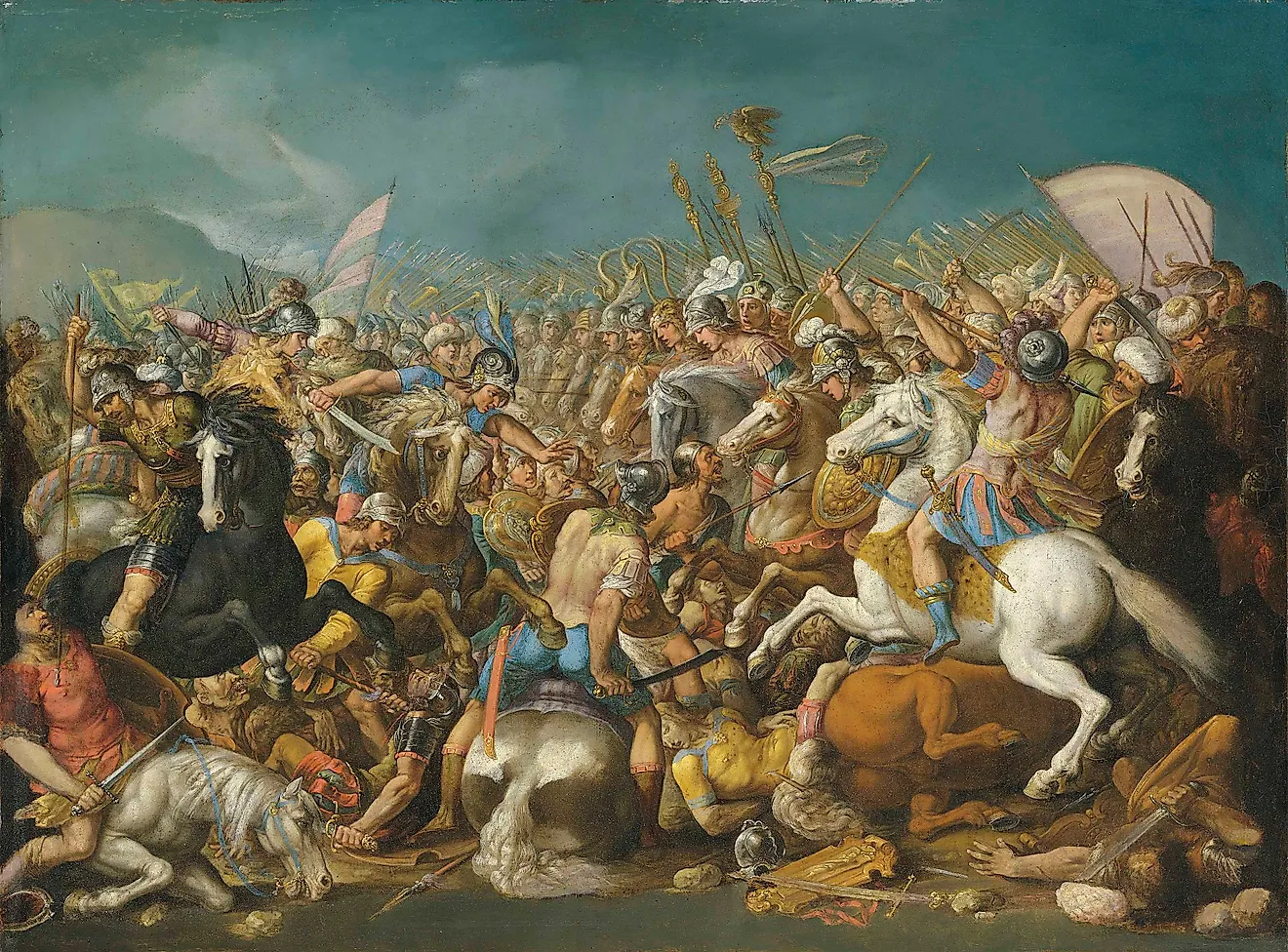
As Sultan, Suleiman oversaw what is often remembered as the Golden Age of the Ottoman Empire, a major component of which was characterized by territorial expansion. In 1521, Suleiman captured Belgrade, which opened the door to Ottoman incursions into Central Europe. Indeed, in 1526, the Battle of Mohács paved the way for Hungary to become an Ottoman province. Furthermore, in 1529, the Ottomans laid siege to Vienna. While the siege was ultimately unsuccessful, it nevertheless demonstrated that the Ottomans were a major European power.

Ottoman expansion under Suleiman was not just restricted to Europe. For instance, the navy was utilised to increase Ottoman influence in North Africa, resulting in the control of major cities like Tunis and Algiers. Suleiman's reign also saw an entrenchment of the rivalry with the Iranian-based Safavid Empire. This conflict led to the Ottomans capturing Baghdad from the Safavids in 1534 and securing control over Eastern Anatolia.
Legal And Cultural Flourishing

Law, art, and culture also flourished under Suleiman's reign. Whereas previously Ottoman law was somewhat fluid, it was formally divided into two spheres by Suleiman. Now, Sharia (Islamic law) was supplemented by a formally codified Kanun (Sultanic Law) to assist easier decision-making in administrative, fiscal and criminal matters. The millet system, which gave religious minorities autonomy to practice their own religion and laws, so long as they paid a tax called the Jizya, was also further entrenched under Suleiman.

In the cultural realm, hundreds of artistic societies, including elite artists and artisans, called the Ehl-i Hiref, were patronized by Suleiman. Poetry and literature thus thrived under his reign. However, Ottoman architecture was perhaps the most notable component, with renowned architect Mimar Sinan creating many famous public buildings and mosques. The most well-known of these buildings was the Süleymaniye Mosque in Istanbul, which remains a symbol of the Ottoman Golden Age.
Impact And Legacy

As the ruler during the most prosperous period in Ottoman history, Suleiman gained the moniker "the Magnificent". Nonetheless, while he certainly was a skilled leader, the circumstances around Suleiman's rise played a major role in setting him up for success. Indeed, his father's leadership meant that he inherited an already strong and prosperous empire. Furthermore, serving as a governor in provincial towns gave Suleiman experience leading major political units. Finally, his relatively smooth accession to power let him avoid getting bogged down in the power struggles that plagued his predecessors (and successors). All this meant that while other sultans experienced success, the unique circumstances surrounding Suleiman's reign made it impossible to replicate.