How Lake Nicaragua Compares To The Great Lakes
Lake Nicaragua loses to every single Great Lake on every single measurement. It is smaller than all five, shallower than all five, and holds less water than all five. Dropped into the group it would finish last on area by a factor of 2.3, last on volume by a factor of 4, and last on depth so comprehensively that Lake Superior's average depth is nearly six times Nicaragua's deepest point. It wins exactly one category, and it is the category most people care about, because Lake Nicaragua has sharks.
It Would Finish Sixth Of Six

The largest lake in Central America is comfortably the smallest thing in this comparison.
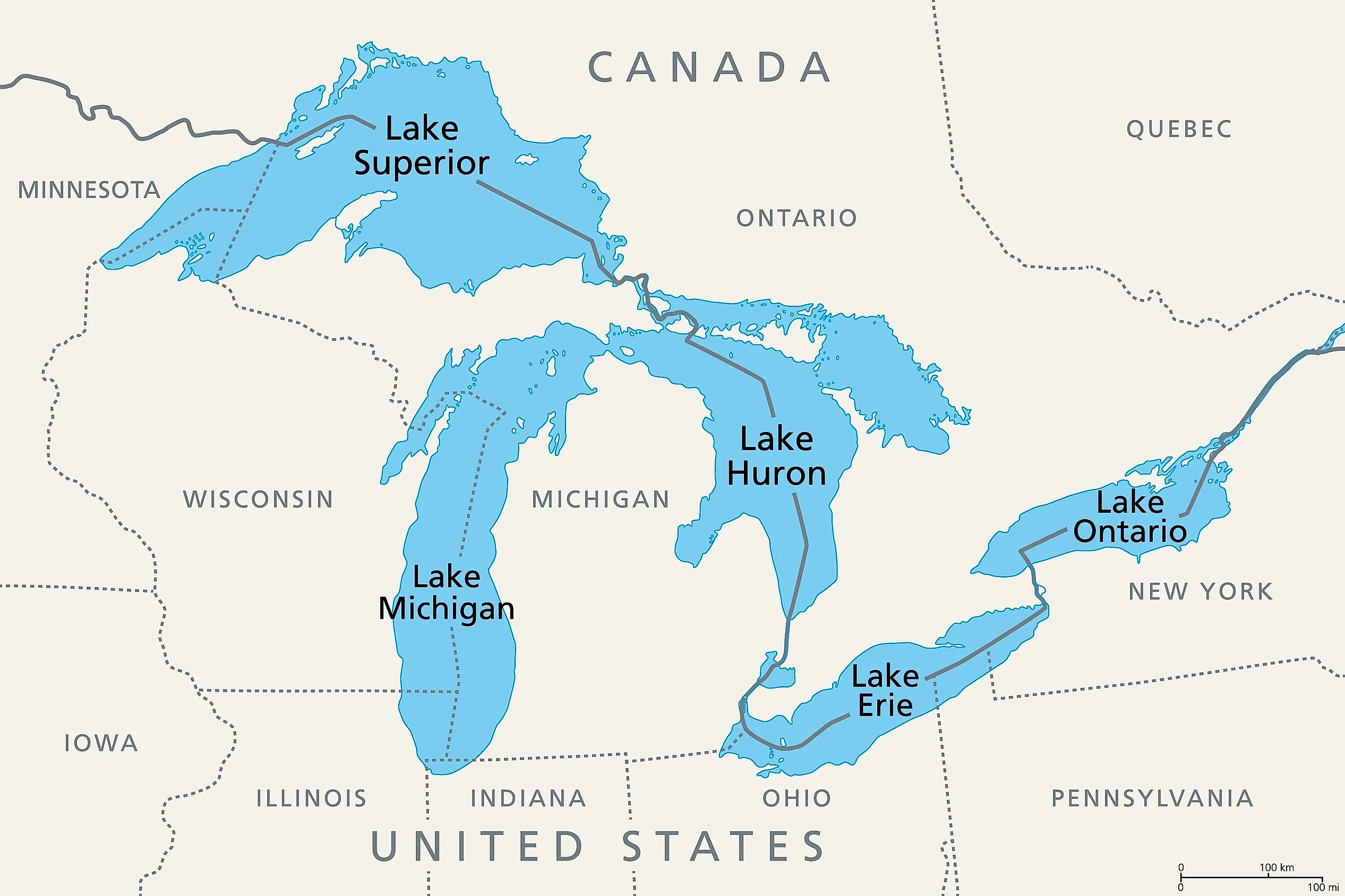
Lake Nicaragua covers 8,264 square kilometers. Lake Ontario, the smallest Great Lake by surface, covers 18,960 and is 2.3 times larger. Erie is 3.1 times larger, Michigan 7, Huron 7.2 and Superior 9.9.
All five together cover 244,360 square kilometers, which is 30 Lake Nicaraguas. The 19th largest lake in the world would be a minor feature of the Great Lakes system.
On Volume It Is Not Close

Shallowness turns a respectable area into a very modest quantity of water.
Nicaragua holds 108 cubic kilometers. Erie, the weakest Great Lake by volume and the usual punchline of this series, holds 484 and so contains four Lake Nicaraguas. Ontario holds 15, Huron 33, Michigan 46 and Superior 112.
The five combined hold 22,684 cubic kilometers, which is 210 Lake Nicaraguas. It would take two centuries of them to fill the system.
Erie Is Deeper On An Average Day

The depth figures are where the comparison stops being a contest.
Lake Nicaragua averages 13.3 meters and bottoms out at 26. Lake Erie, the shallowest Great Lake, averages 19 and reaches 64. Superior averages 147 and reaches 406.
Superior's average depth is 5.7 times Nicaragua's deepest point. You could stand the entire water column of Lake Nicaragua on the floor of Lake Superior and it would not reach a fifth of the way up.
But It Has Bull Sharks

This is the category where the Great Lakes score zero and Lake Nicaragua scores sharks.
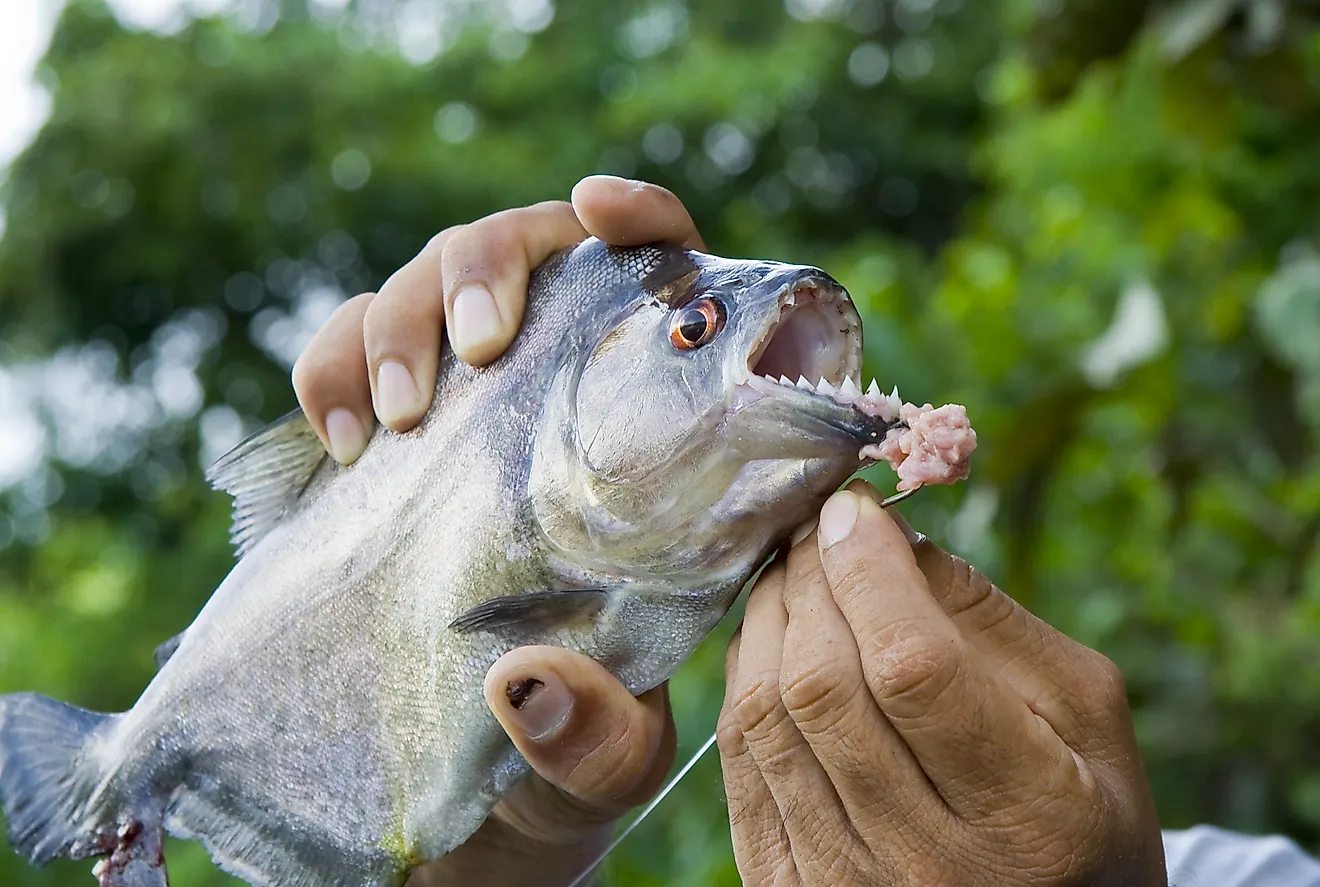
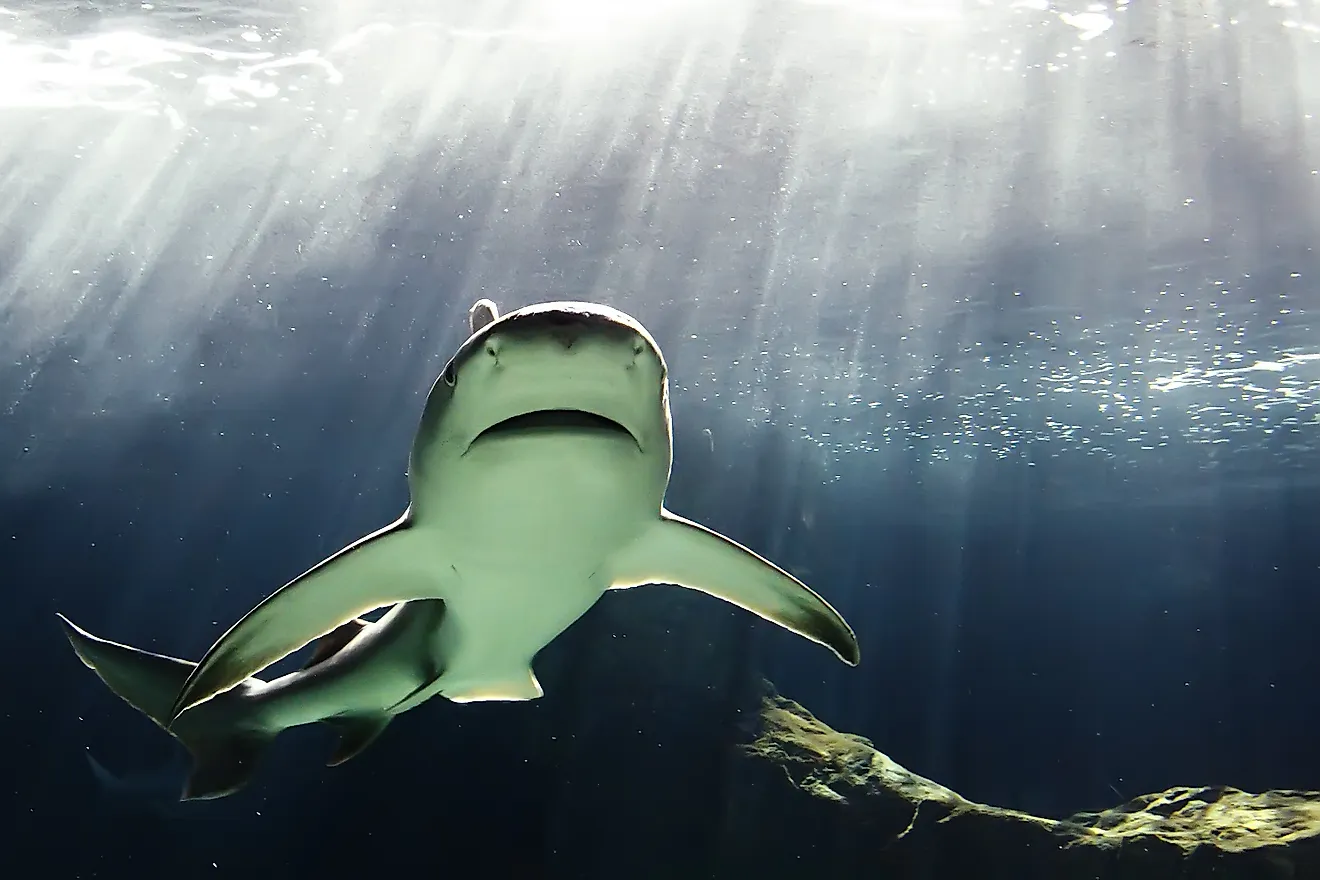
Caribbean bull sharks live in the lake, along with tarpon and sawfish, all of them saltwater species in fresh water. For a long time the sharks were assumed to be an endemic landlocked population that had adapted over millennia.
In 1961 that turned out to be wrong, and the real explanation is better.
They Swim Up The Rapids Like Salmon

The sharks are not trapped. They are commuting.
Bull sharks enter the lake from the Caribbean by traveling 200 kilometers up the San Juan River, jumping the rapids in a manner researchers have compared to salmon. Tagging has shown individuals moving back and forth between the river and the lake.
Bull sharks tolerate fresh water better than almost any other shark, which is what makes the journey possible. Nothing in the Great Lakes does anything comparable, and the St Lawrence has had lamprey and little else.
A Waterfall Stops Them Going Further

There is a second Nicaraguan lake upstream, and the sharks cannot reach it for an almost comically specific reason.
Lake Managua connects to Lake Nicaragua by the Tipitapa River, which carries a waterfall roughly 12 feet high. The bull sharks that can navigate 200 kilometers of rapids from the Caribbean cannot get past it.
So Nicaragua has two large lakes, one with sharks and one without, separated by less than four meters of vertical drop.
It Has A Volcano In It

The second category the Great Lakes cannot compete in is interior scenery.
Ometepe, the lake's largest island at 276 square kilometers, was formed by two volcanoes, Concepcion and Maderas, rising directly out of the water. It is the largest volcanic island in any freshwater lake on Earth, and the International Union of Geological Sciences listed it among 100 global geological heritage sites in 2022.
Isle Royale is bigger and is not a pair of volcanoes. From the high ground on Ometepe you can see the Pacific Ocean.
It Drains To The Wrong Ocean

One geographic oddity outdoes anything in the Great Lakes for sheer awkwardness.
Lake Nicaragua sits closer to the Pacific than to the Caribbean, and drains east into the Caribbean via the San Juan River. That made the lakeside city of Granada an Atlantic port despite being a short distance from the Pacific coast.
During the California Gold Rush of the late 1840s, travelers used the river and the lake as a shortcut across the continent, which is also why the lake spent a century being considered for a canal.
Shallow Lakes Are Vulnerable Lakes

The pattern running through this series applies here as firmly as anywhere.
Lake Nicaragua is large, shallow, and fed by a catchment of 41,600 square kilometers. That is the same arrangement that made Lake Winnipeg the most threatened lake in the world and left the Aral Sea as a desert, and the proposed canal across it raised exactly those concerns.
A big surface over a thin body of water concentrates everything arriving from upstream. Depth is what protects a lake, and Nicaragua does not have any.
The Scoreboard

Lake Nicaragua is smaller than every Great Lake, shallower than every Great Lake, and holds less water than every Great Lake. All five together are 30 times its area and 210 times its volume, and Superior alone could take 112 of it.
It has bull sharks that climb 200 kilometers of rapids, a pair of volcanoes sitting in the middle of it, and a view of the Pacific from an island that drains to the Atlantic. The Great Lakes have none of those things and never will, which is one win each if you are generous about the scoring.