What Happens If The Great Lakes Stop Feeding The St. Lawrence
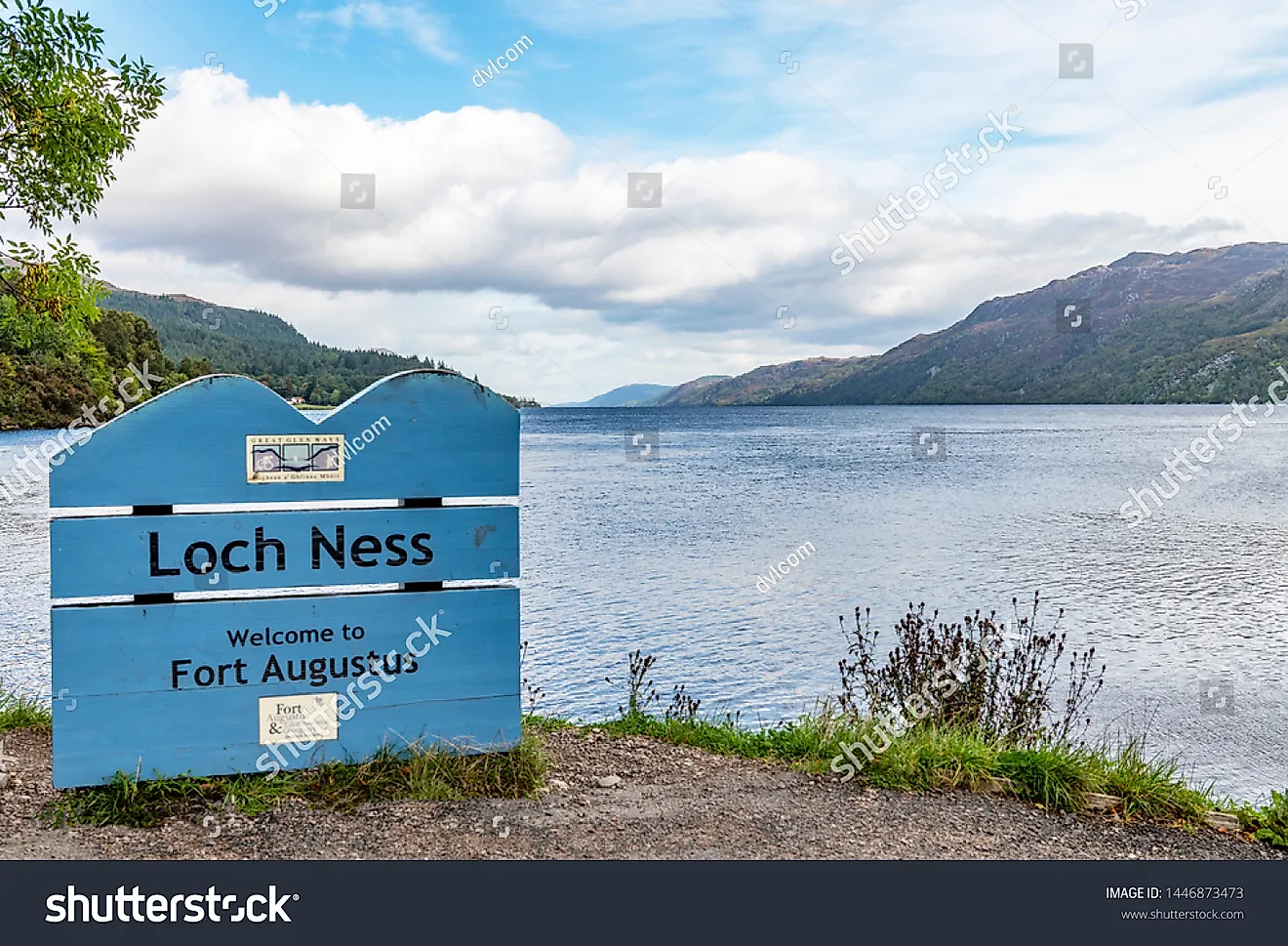
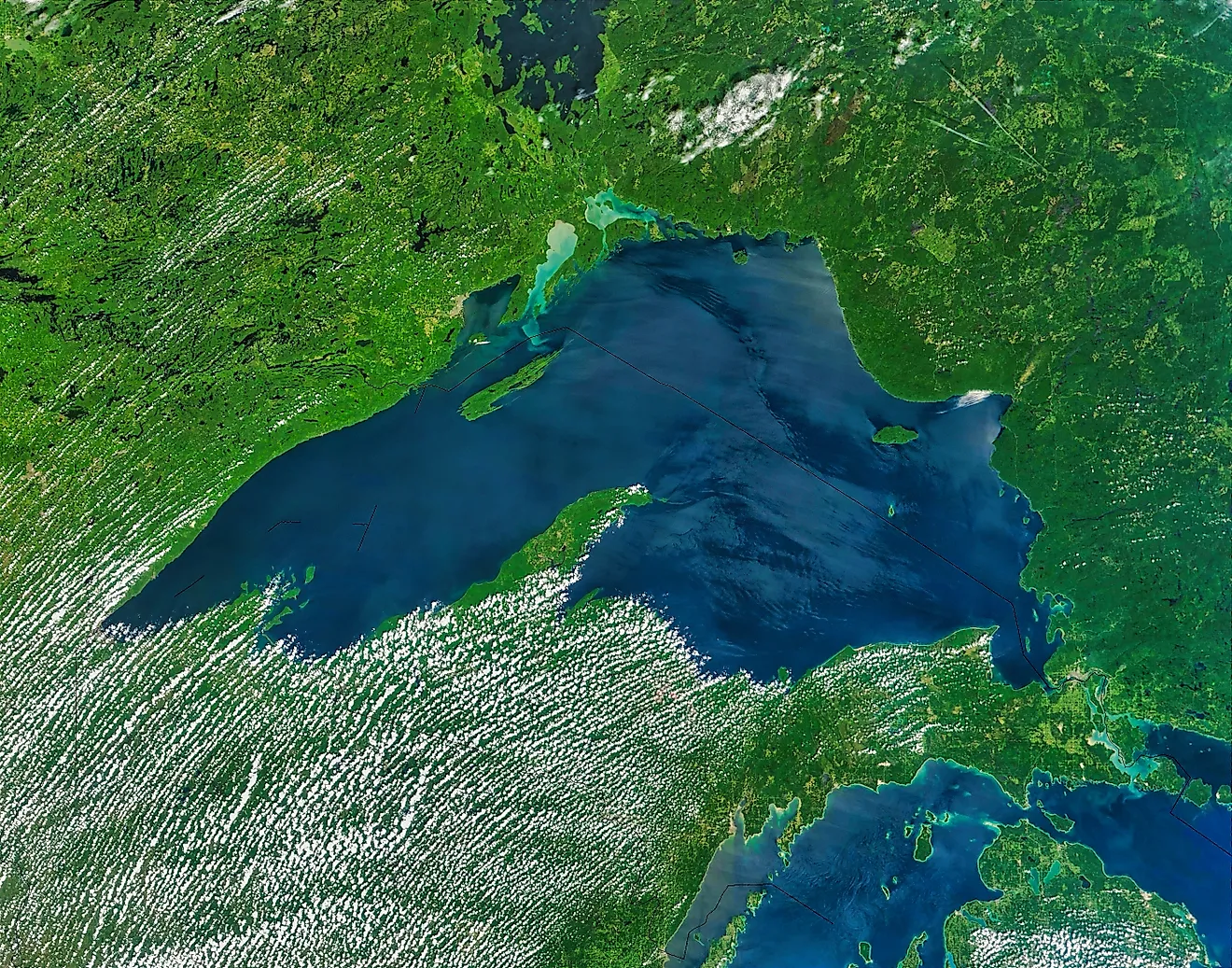
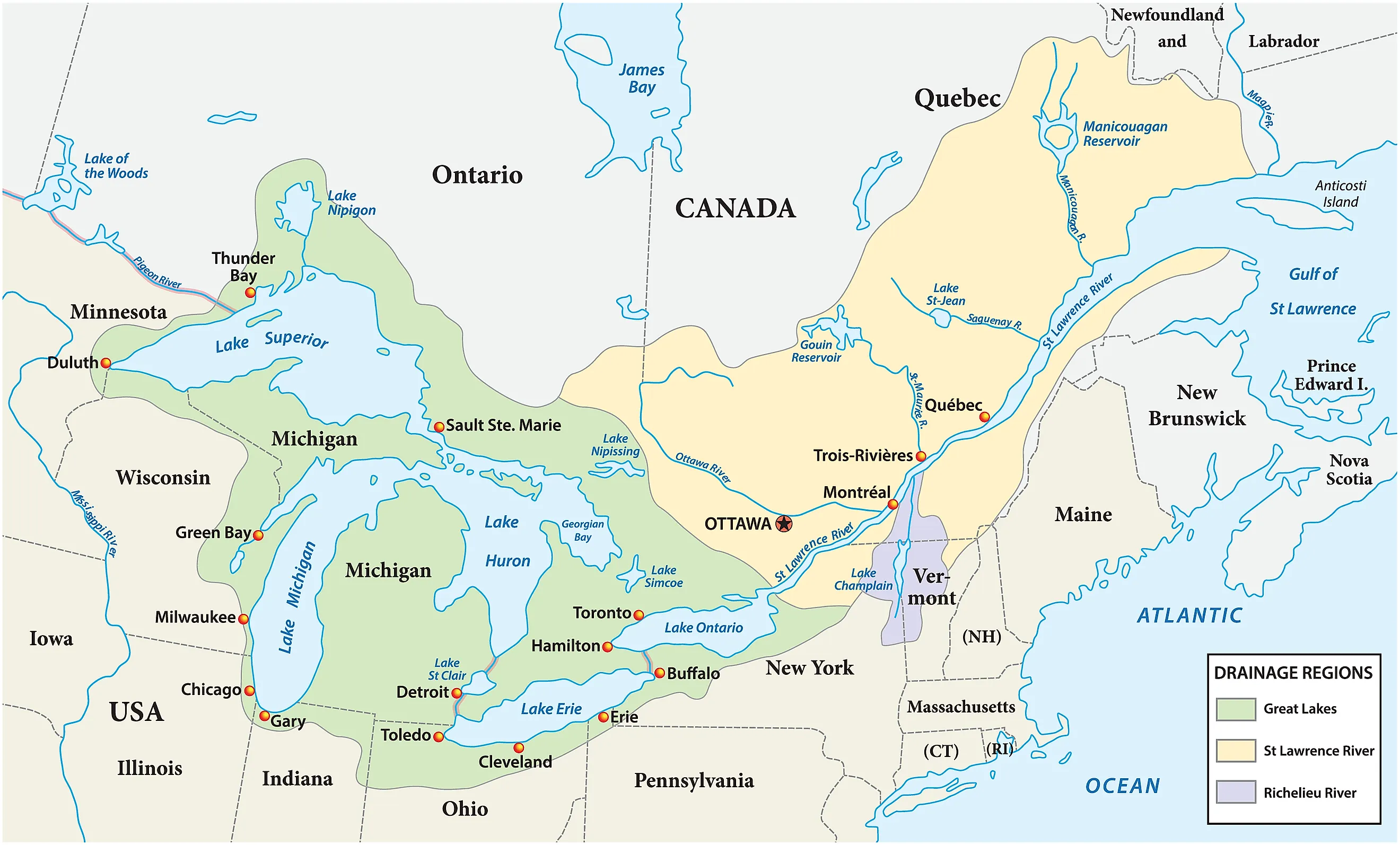
Nearly three Olympic swimming pools' worth of water leaves Lake Ontario every second through the upper St. Lawrence River, which runs along the border between New York and Ontario. That flow begins the river's journey toward the Atlantic Ocean, and water originating in the Great Lakes accounts for about 60% of the river's flow at Québec City annually. Along the way, the river drives 16 turbines on the American side of the Moses-Saunders Power Dam and 16 more on the Canadian side. It supports ocean-going cargo ships traveling to Great Lakes ports and supplies the canal that feeds two of Montreal's major drinking-water treatment plants.
If Lake Ontario suddenly stopped supplying the river, the consequences would extend far beyond the lake's outlet. Hydroelectric generation, commercial shipping, drinking-water infrastructure, and aquatic habitats would all face severe disruptions. The exact effects would depend on how long the interruption lasted, the amount of water already stored downstream, and the contributions of other tributaries.
The Ottawa Would Keep Part Of The River Flowing

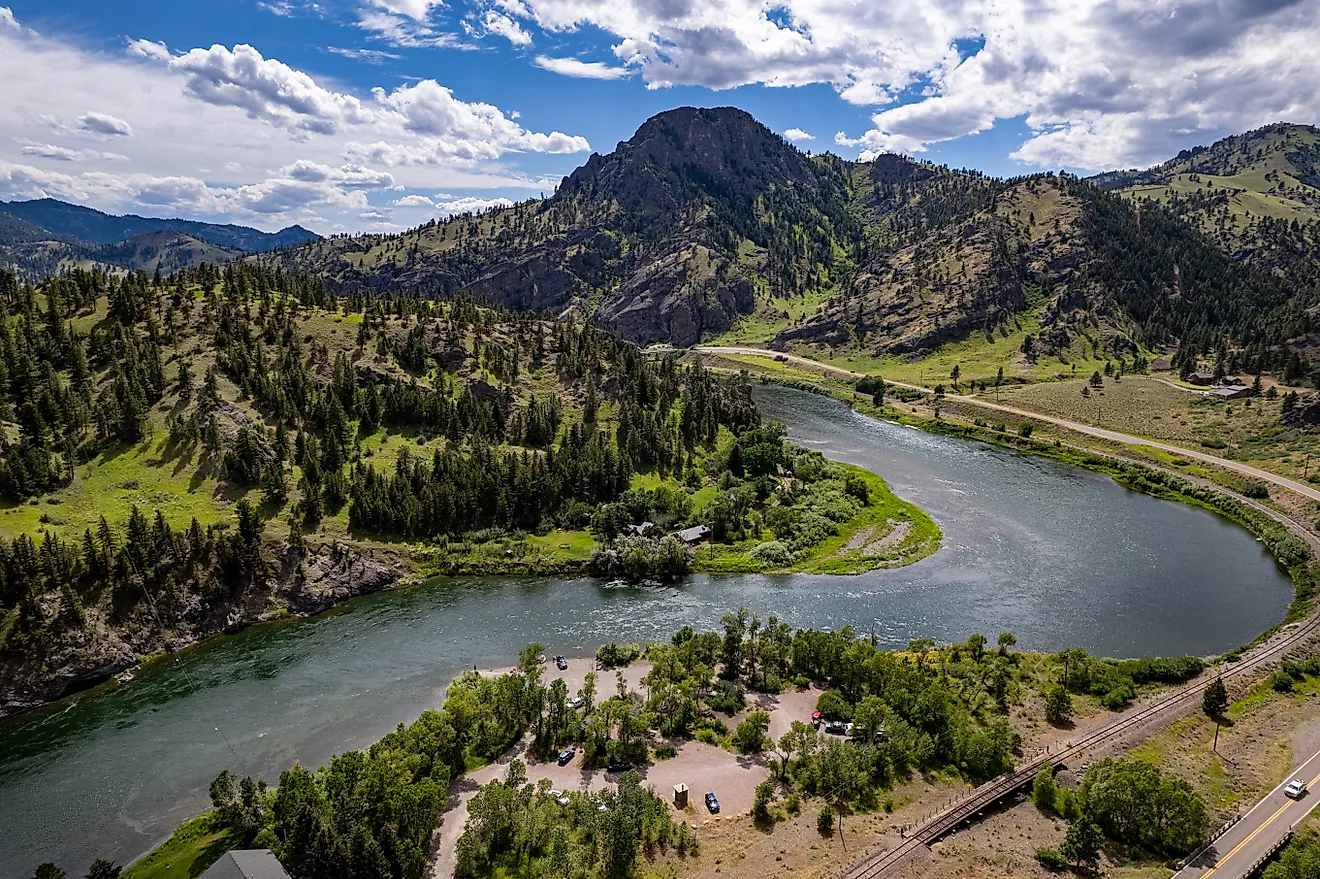
Lake Ontario is the principal source of the St. Lawrence River, but it is not the only source of water. The river receives additional inflows along its course, including a large contribution from the Ottawa River near Montreal. If Lake Ontario's discharge stopped, the upper St. Lawrence would initially retain water already stored in its channels and impoundments, but that supply would diminish as water continued moving downstream. Smaller tributaries could not replace the lake's normal contribution.
Downstream of the Ottawa River's junction, the situation would be different. According to the joint Canada-Quebec St. Lawrence Action Plan, approximately 60% of the St. Lawrence's annual flow at Québec City originates in the Great Lakes, about 15% comes from the Ottawa River, and the remainder comes from other tributaries. These proportions vary considerably throughout the year, with the Ottawa River sometimes supplying as much as half the flow at Québec City during spring runoff. Even so, the loss of Lake Ontario's share could substantially lower water levels along parts of the St. Lawrence, with the extent of the decline depending on channel geometry, existing water storage, tributary inflows, and dam operations. Losing 60% of the flow would not necessarily mean losing 60% of the river's depth.
Massena's Power Dam Would Lose Its Main Water Supply

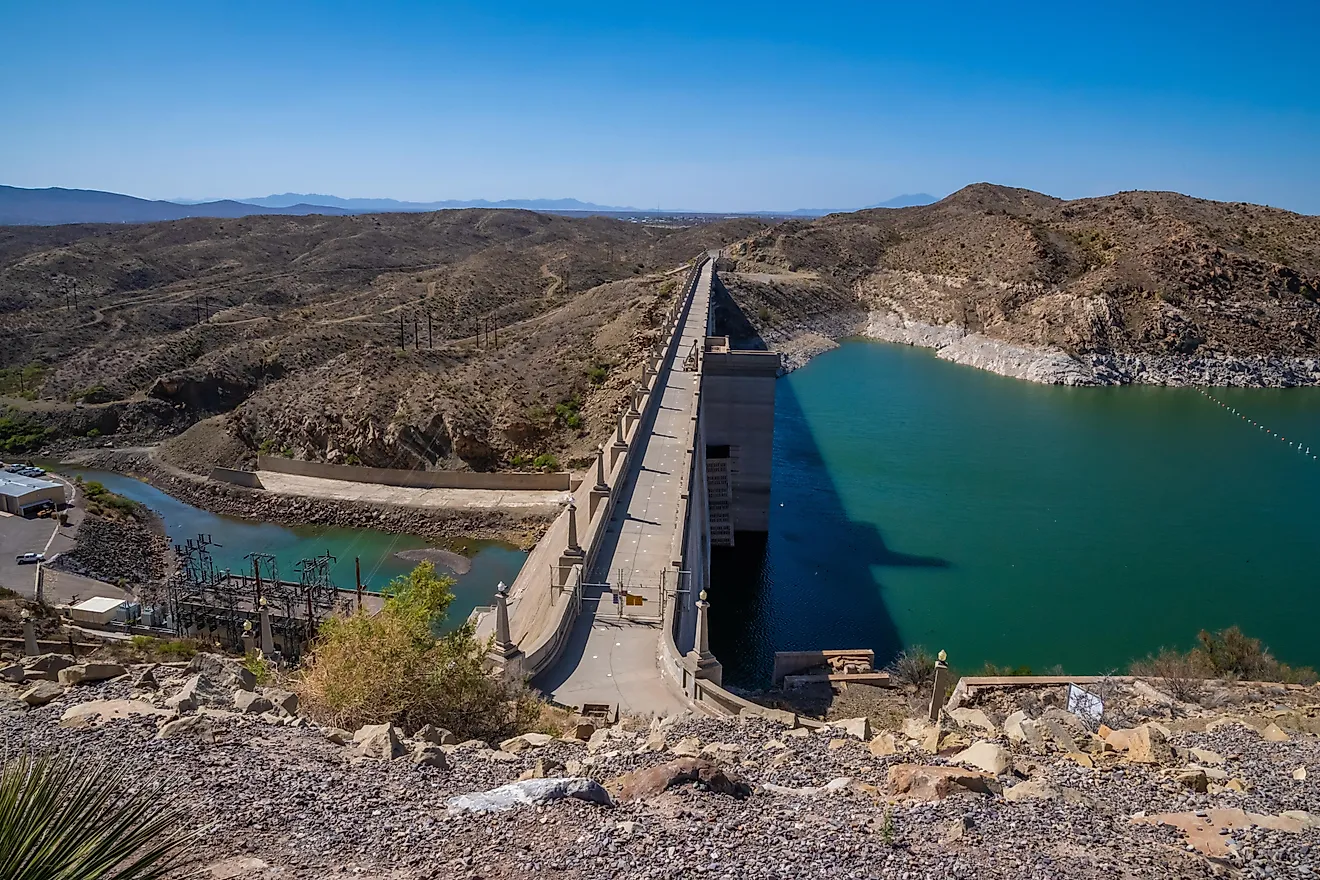
The Moses-Saunders Power Dam crosses the St. Lawrence River between Massena, New York, and Cornwall, Ontario, upstream of the Ottawa River's contribution. It contains two generating stations: the St. Lawrence-Franklin D. Roosevelt Power Project on the American side and the R.H. Saunders Generating Station on the Canadian side. Each station has 16 turbine-generating units, giving the shared complex 32 units altogether.
Hydroelectric generation depends on water passing through turbines as it drops from a higher elevation to a lower one, and output also depends on that difference in water elevation across the dam, known as the hydraulic head. If Lake Ontario stopped feeding the upper St. Lawrence, the generating stations would lose their primary water supply. Operators could initially release some of the water already stored upstream of the dam, but continued releases without sufficient replenishment would lower that storage, and the smaller tributaries entering the upper river could not maintain the facilities' normal output. A prolonged interruption could severely reduce or eventually halt operations, requiring electricity from other generating facilities to replace the lost supply.
Ships Would Lose Cargo Capacity Before Losing Passage

A ship can become too deep for the St. Lawrence's navigation channels even while plenty of water remains visible around it. Its draft, the vertical distance between the waterline and the lowest part of its hull, must remain within the available navigation depth. Falling water levels can force ships to carry lighter loads before conditions become too shallow for safe passage.
The Great Lakes' connection to the Atlantic Ocean depends on the St. Lawrence Seaway's system of locks, canals, and navigation channels. Between Montreal and Lake Ontario, the system includes seven locks, with two in the United States and five in Canada. A prolonged interruption to Lake Ontario's outflow would threaten navigation on the upper river whenever water levels fell below operational requirements. Ships could face reduced cargo capacity, movement restrictions, or closures of affected sections.

Traffic within the Great Lakes themselves would face different conditions depending on the cause of the interruption. If the lake remained full but its outlet was blocked, navigation within the lakes might initially continue, even as passage through the St. Lawrence became impossible. If the interruption resulted from extreme declines in lake levels, shipping within the lakes could also be affected.
Smaller water-level changes already create economic consequences. In July 2026, shipping company CMA CGM announced a low-water surcharge of US$150 per twenty-foot equivalent unit on specified routes from northern Europe to Montreal, effective July 20. The company attributed the charge to declining river levels that were reducing vessels' carrying capacity. A sustained loss of Lake Ontario's contribution would create a much more serious challenge for shipping on the upper St. Lawrence.
Montreal Could Struggle To Draw Drinking Water
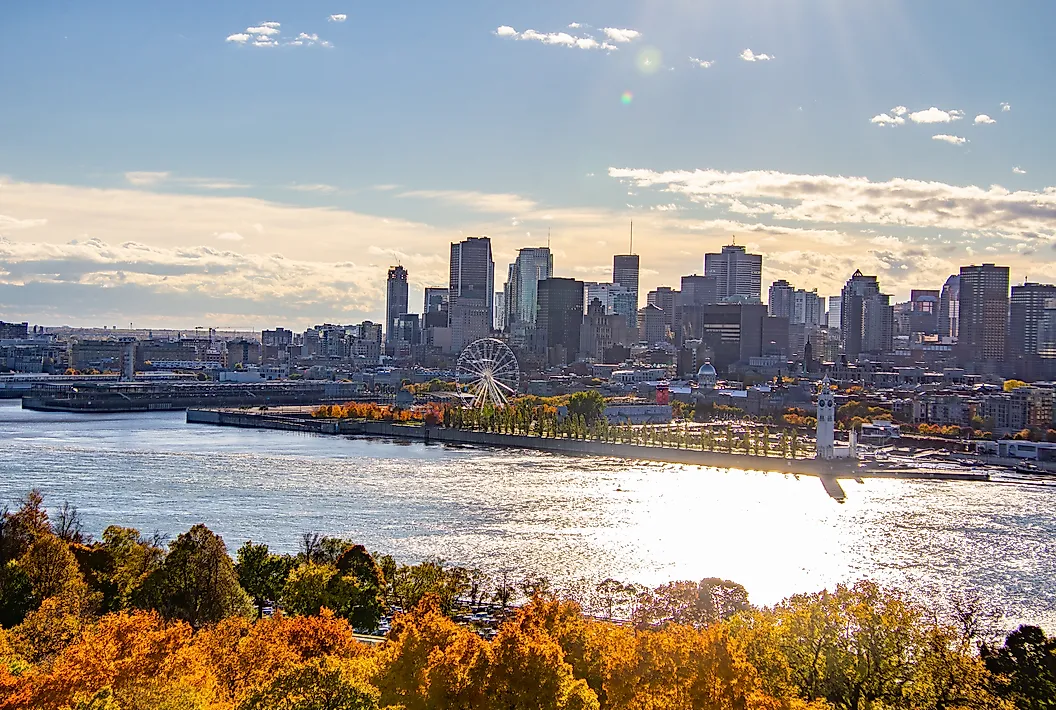
Montreal relies heavily on the St. Lawrence River for drinking water. The city's Atwater and Charles-J.-Des Baillets treatment plants receive water through the approximately eight-kilometer (five-mile) Canal de l'Aqueduc, which is supplied by the river, and these two facilities serve a sizable portion of Montreal's drinking-water network. A major reduction in St. Lawrence water levels could threaten the infrastructure used to withdraw that water. Intakes require adequate depth and hydraulic conditions to operate reliably; if levels fell too low, treatment facilities could encounter pumping difficulties or require operational adjustments, depending on the location, elevation, and design of each intake.
Reduced discharge could also affect water quality. River flow helps dilute pollutants entering from wastewater systems, agricultural runoff, and other sources. With less water available, the concentration of some contaminants could increase if pollutant inputs remain unchanged, placing additional demands on water treatment. Montreal has multiple treatment plants and water sources, so losing Lake Ontario's outflow would not automatically eliminate the city's entire drinking-water supply. However, an extended interruption could require changes to water withdrawals, increased treatment measures, or consumption restrictions if existing infrastructure could no longer meet demand.
Lake Saint-Pierre Would Lose Flooded Fish Habitat

Between Sorel-Tracy and Trois-Rivières, the St. Lawrence widens into Lake Saint-Pierre, a shallow lake surrounded by extensive wetlands and seasonally flooded habitats. During spring, rising water levels inundate shoreline vegetation and floodplain areas that provide important breeding grounds for fish. Northern pike and yellow perch are among the species that depend on these flooded habitats. Northern pike deposit adhesive eggs on submerged vegetation, while yellow perch attach their egg masses to suitable plant material. Shallow flooded areas also provide habitat for developing fish and support the aquatic organisms they consume.

A long-term reduction in upstream discharge could decrease the extent or duration of spring flooding, potentially disconnecting wetlands from the main river and reducing access to suitable spawning grounds. The Ottawa River and other tributaries would continue contributing water, but their inflows would be added to a much smaller upstream supply. The severity of habitat loss would depend on seasonal conditions, water levels, and the location of individual spawning sites.
These species are already under pressure. Federal environmental assessments have documented a major decline in Lake Saint-Pierre's yellow perch population since the 1990s, while northern pike numbers have declined since the early 2000s. Habitat degradation, agricultural land use, and reduced access to spawning areas are among the documented concerns. A long-lasting interruption of Lake Ontario's contribution could add another source of stress, particularly if it occurred during spring reproduction.
Saltwater Could Reach Farther Into The Estuary

Downstream of Québec City, the St. Lawrence transitions toward its saltwater estuary. Freshwater flowing toward the Atlantic helps resist the upstream movement of saline water. If a large portion of that freshwater supply disappeared, the balance could shift, potentially allowing the saltwater transition zone to move farther inland. However, the distance of that movement could not be determined simply by subtracting Lake Ontario's contribution from the river's total flow. Tides, channel depth, estuary geometry, sea level, and the remaining freshwater discharge would all influence the outcome. Water entering from the Ottawa River and other tributaries would continue opposing saltwater intrusion.
The possibility of changing salinity has already attracted attention from researchers and municipal officials in Québec City and Lévis, where some drinking-water facilities draw from the St. Lawrence. Research summarized by Ouranos found that samples collected between 2018 and 2020 indicated that the studied drinking-water intakes were outside the saline transition zone. The winter salinity peaks observed at treatment plants were associated primarily with road salt and melting snow deposits, rather than direct intrusion from the estuary. Those findings describe existing conditions, not the consequences of a complete loss of Lake Ontario's discharge. A major, lasting decrease in freshwater flow could change the location of the saline transition, but predicting whether saltwater would reach particular drinking-water intakes would require detailed hydrological modeling.
Could The Great Lakes Actually Stop Feeding The River?

Under ordinary conditions, Lake Ontario continuously drains into the St. Lawrence River because its water surface lies above the downstream river system. For that natural outflow to stop entirely, the lake would have to fall below the level needed to discharge through its outlet, the drainage route would have to be blocked or fundamentally altered, or water would have to be prevented from passing through downstream control structures. These are extreme scenarios, not expected consequences of an ordinary dry season.
The Moses-Saunders Power Dam regulates Lake Ontario's outflow roughly 100 miles (160 kilometers) downstream from the lake's outlet. Although the dam can control how much water passes downstream, it cannot eliminate the need to manage incoming water. If inflows into Lake Ontario continued while discharge was severely restricted, water would accumulate upstream, raising lake and river levels and potentially increasing the risk of flooding.
Managed Releases Show How Much Is At Stake

Lake Ontario's outflow is managed under the International Joint Commission's regulatory framework. For October 24 through 30, 2026, the International Lake Ontario-St. Lawrence River Board established an outflow target of 7,040 cubic meters per second, equivalent to approximately 248,600 cubic feet per second, or roughly 2.8 Olympic swimming pools' worth of water every second, using a standard pool volume of 2,500 cubic meters. The importance of these flows becomes especially clear during periods of low water. In September 2025, the board announced a temporary increase in Lake Ontario's outflow of up to 500 cubic meters per second to help recreational boaters remove their watercraft from Lake St. Louis on October 18, temporarily raising downstream water levels.
Such adjustments depend on sufficient water being available and on acceptable conditions elsewhere in the system. Under an ongoing cutoff, operators would lose the ability to sustain downstream flows using Lake Ontario's supply, and water from the Ottawa River and other tributaries could not replace the missing flow through the upper international section or the generating stations at Massena and Cornwall. A complete interruption of Lake Ontario's discharge remains hypothetical, and seasonal low water, changing precipitation, and regulation decisions are far more realistic concerns. Even so, the scenario illustrates how heavily the St. Lawrence's power generation, commercial navigation, drinking-water systems, and aquatic ecosystems depend on the continued movement of Great Lakes water toward the Atlantic.