The Rivers Where Striped Bass Run Farthest Upstream
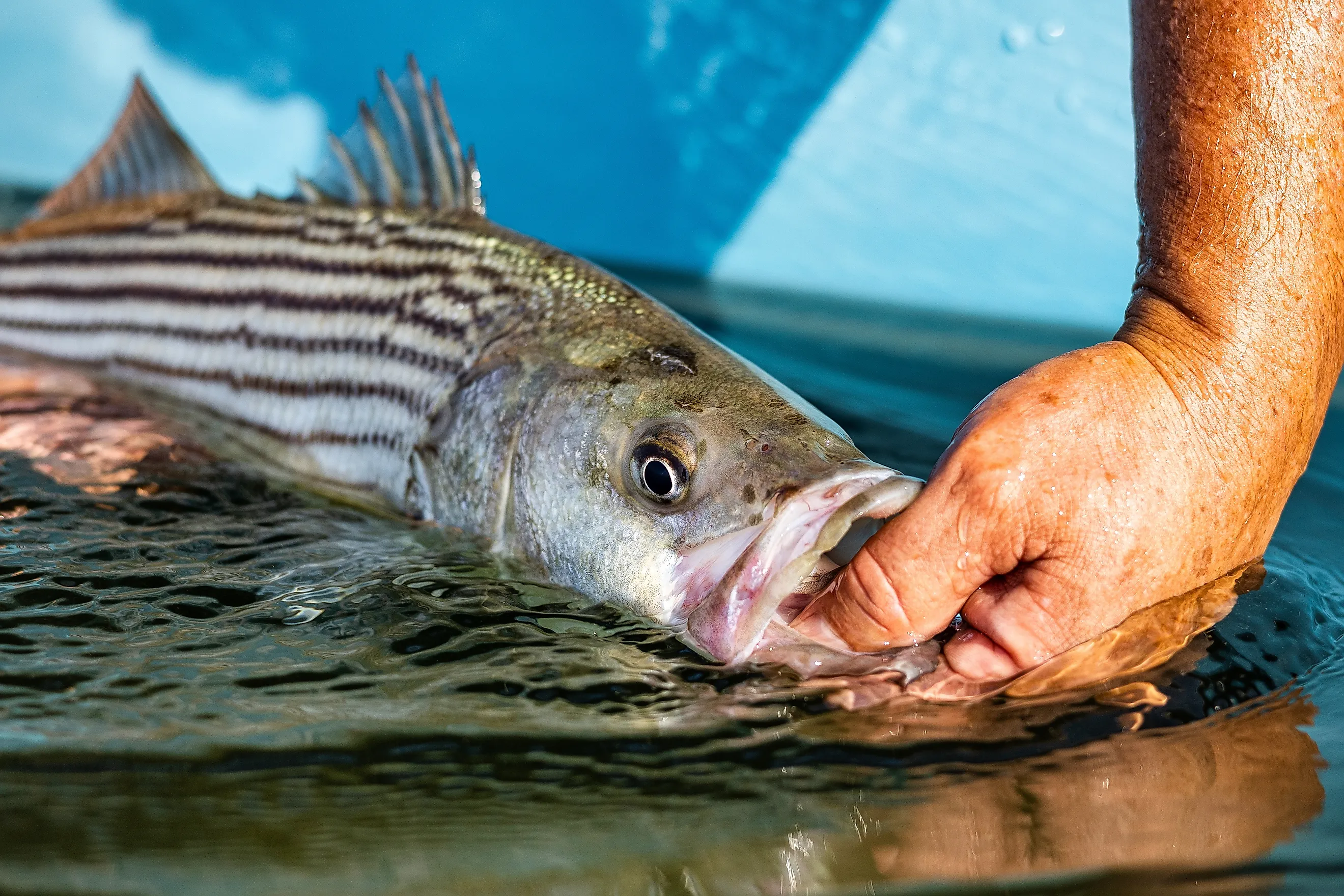
A striped bass is an ocean fish, but you can catch one almost 280 miles from the sea. On the Delaware River, big stripers turn up where the water divides Pennsylvania from New York, far above the last reach of the tide. They swim that far for one reason. Their eggs only survive while a current keeps them moving, so every spring the fish leave the salt and push upstream to find flowing water to spawn in. On most rivers a dam or a waterfall finally stops them. On a handful, the run carries much farther, all the way to where the anglers are waiting.
Delaware River

Most of the Delaware's striped bass spawn in the tidal fresh water around Philadelphia and Trenton, where the tide ends about 133 miles above the mouth of Delaware Bay. Stripers once spawned throughout the nontidal river as well, though very little spawning happens above Trenton today.
Some big adults still head well upstream, with no dams anywhere on the main stem to block the way. Anglers around Easton, where the Lehigh River joins the Delaware about 184 miles from the bay, have reported summer stripers in the 40-pound class. In late May 2004, New Jersey's Division of Fish and Wildlife noted in its weekly shad-run reports that striper catches were spreading upriver through the Delaware Water Gap.
The farthest records come from above the mouth of the Lackawaxen River, which enters the Delaware roughly 277 river miles from the bay. Very large stripers have been caught on this stretch, where the Delaware runs between Pennsylvania and New York more than 140 miles past the head of tide.
Sacramento River

Striped bass on the Sacramento once gathered below the Red Bluff Diversion Dam in the northern Sacramento Valley, and they were there to eat young salmon. A striper that reached Red Bluff had covered roughly 240 river miles from Chipps Island at the western edge of the Delta, well beyond the main spawning water between the city of Sacramento and Colusa. During a federal study in the mid-1990s, nearly every striped bass caught near the dam came from directly below it between May and October, while the gates were lowered into the river, and juvenile salmon and steelhead outweighed the rest of their stomach contents three to one. California's stripers descend from New Jersey stock, starting with 132 young stripers from the Navesink River released at Carquinez Strait in 1879 and 300 more from the Shrewsbury River in 1882. The dam's gates have stood permanently open since 2011 so that salmon and sturgeon can pass freely.
Hudson River

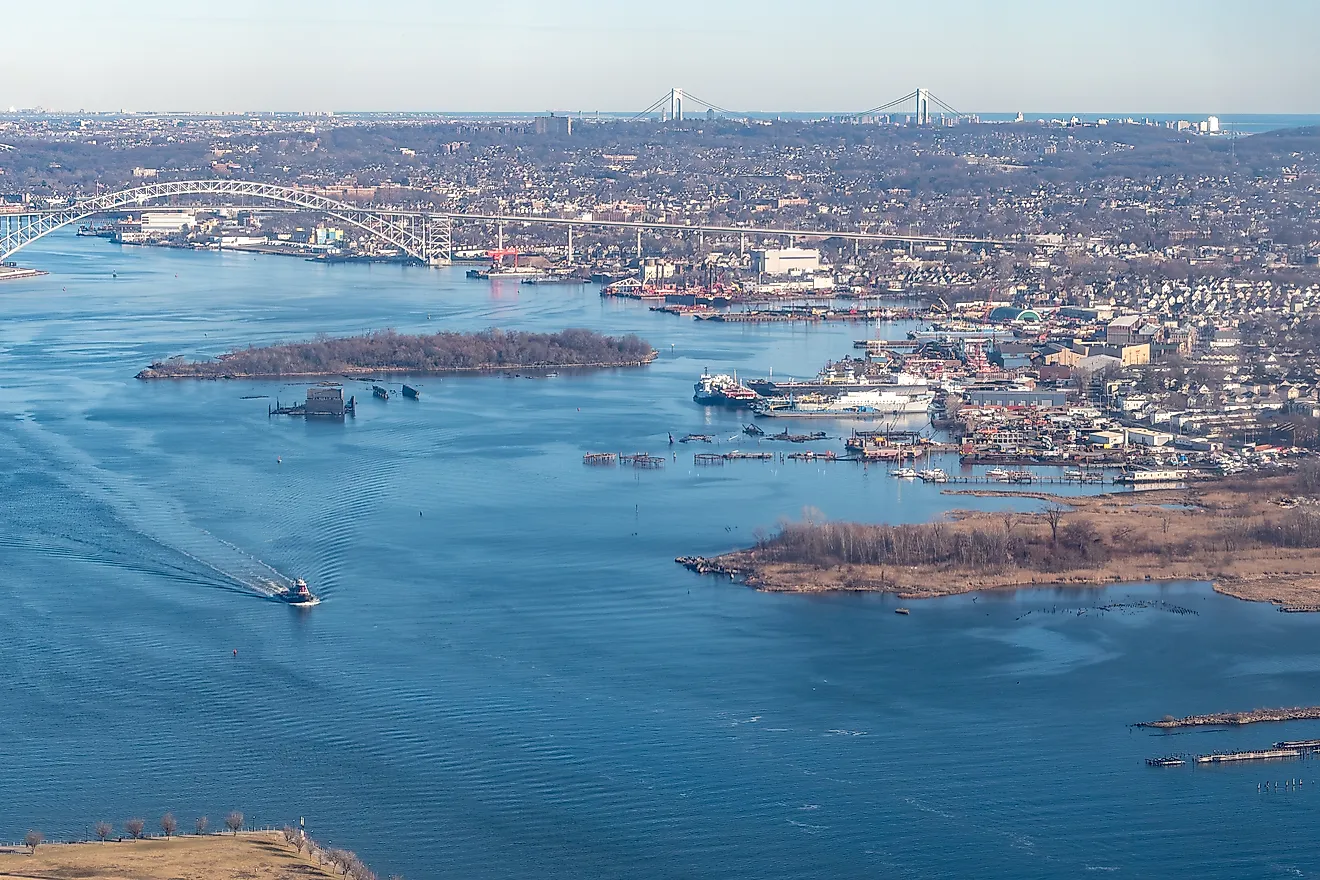
The Hudson still rises and falls 4 to 5 feet with the tide near Albany, and striped bass follow that tidal river all the way to the Federal Dam at Troy, about 150 river miles above New York City. Between mid-April and Memorial Day, schools of mature stripers move up the valley alongside river herring on their own spawning run, and live or chunked herring pulled from the river are the standard bait. The largest females, fish past 40 inches and heavier than 30 pounds, show up in numbers for only a week or two each season. A 60-pound female measuring 53.4 inches, caught in Newburgh Bay on May 14, 2014, set New York's inland striped bass record, and fish of 30 and 40 pounds turn up near downtown Albany most springs.
Roanoke River

Weldon, North Carolina, is known as the Rockfish Capital of the World, and rockfish is the regional name for striped bass. Adult stripers from Albemarle Sound and the Atlantic travel about 130 miles up the Roanoke to spawning grounds near the town, where the riverbed rises through a series of rapids toward Roanoke Rapids Dam, in place since 1955. The fish come upriver in a series of pushes during April, and in 2020 one guide said two anglers could easily catch 50 to 100 stripers in three-quarters of a day.
Because the eggs drift back downriver while they develop, state biologists consider releases of 6,000 to 8,000 cubic feet per second from the dam ideal for spawning. Even in years with good river conditions, spawning success has been poor over the past eight years, and the North Carolina Wildlife Resources Commission suspended the spring harvest season in 2025 and again in 2026. Every striper caught in the Roanoke River Management Area during those seasons had to be released.
Potomac River

A run of small stripers reaches the Fletcher's Cove area of northwest Washington, D.C., most springs, and in May 2025 anglers reported schools of 18- to 25-inch fish from the cove up to Chain Bridge. Just upstream, the Potomac drops off the fall line at Little Falls, and the tide begins. The tidal river below runs 108 miles to the Chesapeake Bay, and stripers spawn in its fresh upper reaches, with some fish traveling all the way to the fall line.
Fly anglers cast Clouser minnows just south of Fletcher's Cove, and early mornings and late evenings bring the best bites. The large spawners are already heading back down the bay by mid-May, bound for New England waters for the summer, and the stripers that stay through the warm months spread across the city's waters into the Tidal Basin and off Hains Point.
Connecticut River

The remains of Enfield Dam in Connecticut, more than 50 miles up the river and now little more than a band of rapids, are the first major obstruction for shad and herring, and striped bass gather below them to feed. Shore anglers fish the first 1,000 feet below the old dam, and the biggest stripers come after dark, including at least six reported over 50 pounds. Striped bass spawning has not been verified anywhere in Connecticut, so these fish are in the river to hunt.
Holyoke Dam in Massachusetts sits 87 miles above Long Island Sound and is the first dam on the river's main stem. Stripers chasing American shad usually hold between Springfield and the base of the dam from mid-April into early June, and the dam's fish lift has passed striped bass since the first one appeared in 1979. The U.S. Fish and Wildlife Service counted 518 stripers through the Holyoke fishway in 2025, riding the lift alongside 324,172 shad.
A striped bass egg swells to about an eighth of an inch across once it absorbs water, and a five-pound female can release as many as 250,000 of them in a single season, each needing two or three days of moving current before it hatches. On the Delaware, the fish that travel farthest end up a long way from that water. A striper caught above the Lackawaxen has swum about 277 river miles from the bay, roughly 140 miles beyond the tidal stretch around Trenton and Philadelphia where most of the river's spawning takes place. On the Roanoke, the spawning grounds near Weldon lie a few miles below Roanoke Rapids Dam, so releases from that dam set the flows that carry each spring's eggs back toward Albemarle Sound. When those flows stay above 12,000 cubic feet per second for long stretches between late April and early June, state biologists consider the whole year's crop of young fish at risk.