10 Hottest States In The United States
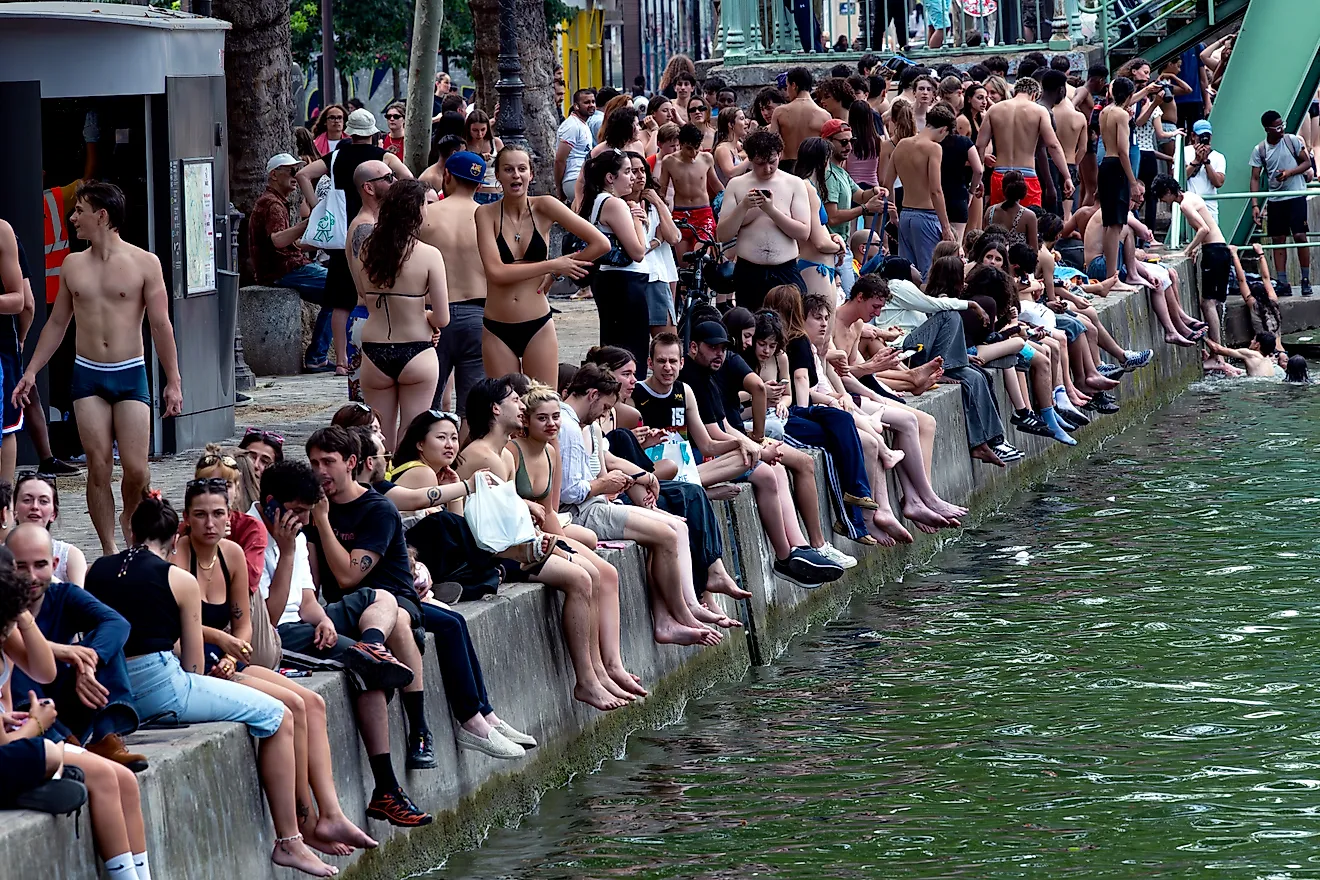
In early July 2026, a heat dome settled over the eastern two-thirds of the country for the Fourth of July weekend, driving heat indices past 105°F across the Plains, Midwest, and mid-Atlantic and putting more than 160 million people under heat alerts on the nation's 250th birthday. For most of the map, that is a dangerous, record-tying event worth taking seriously. For the states on this list, it is closer to an ordinary summer afternoon. The United States is big enough to hold almost every climate at once, with a humid continental north and a humid subtropical south, yet a handful of states stay parked at the warm end all year. Ranked by long-term average annual temperature using NOAA data, these are the ten hottest states in the country, and what it actually feels like to live in them.
1. Florida - 71.5°F

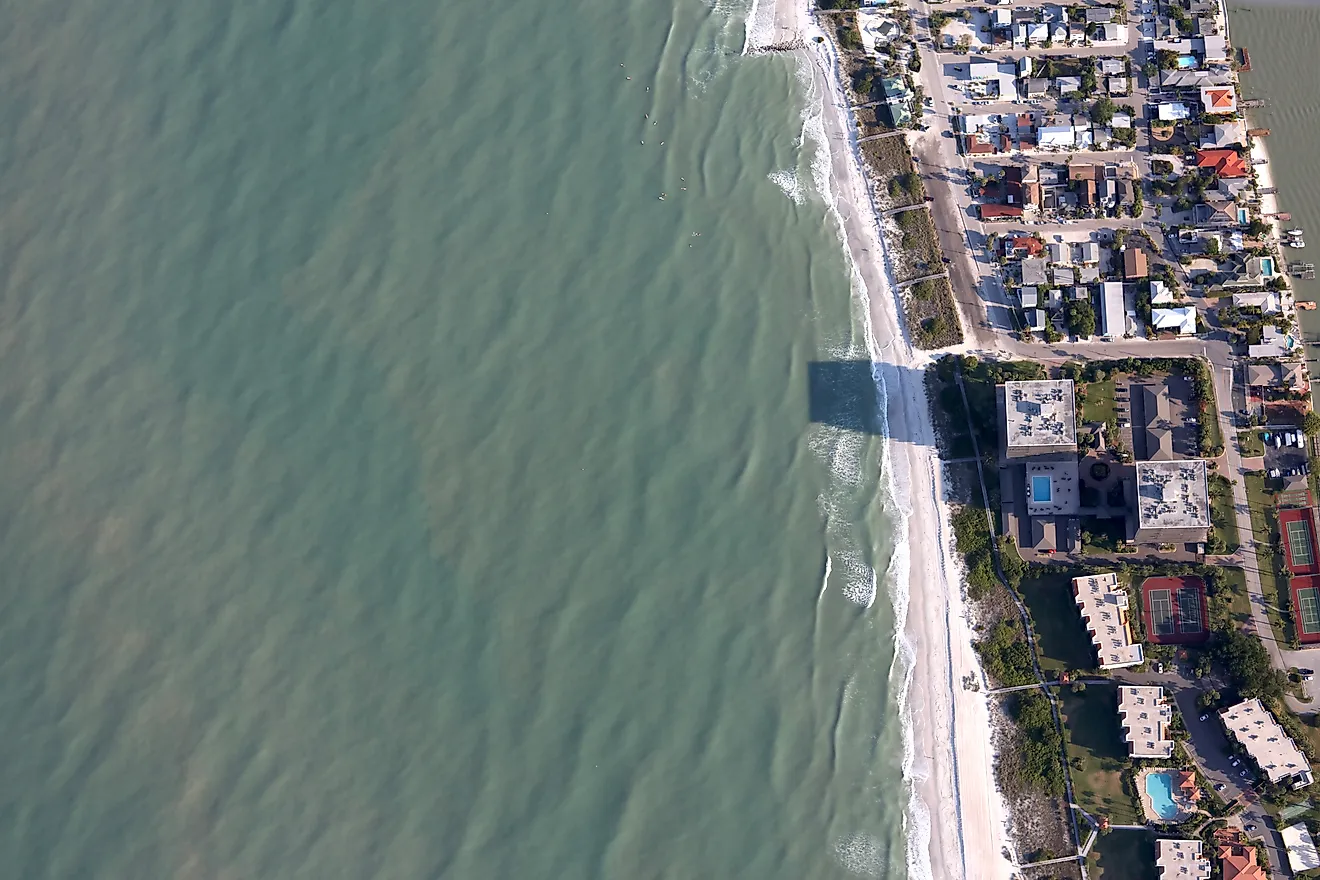
Florida is the hottest state in the country, and it does not get there with dramatic desert peaks. It gets there by refusing to cool off. A tropical climate in the south and a humid subtropical one through the center and north, plus warm water on both flanks from the Gulf of Mexico and the Atlantic Ocean, keep Florida warm and muggy around the clock, day and night, which is what pins its annual average at the top. The heat peaks in summer, not winter: July is the hottest month, with statewide highs around 90°F to 92°F and a heat index that routinely climbs past 100°F.
2. Hawaii - 70.2°F

Hawaii is the surprise near the top, and it earns the spot without ever really trying. It does not do brutal heat; it does relentless consistency. The Hawaiian Islands hold more climate zones than any other state, from sea level up through alpine summits, yet the populated coasts barely budge off warm all year, and the state has essentially never dropped to freezing. Trade winds and afternoon thunderstorms take the edge off, so while the mainland spikes and crashes with the seasons, Hawaii simply stays warm. Late summer is the peak, with coastal highs in the upper 80s.
3. Louisiana - 67.2°F

Louisiana runs on heat plus humidity, and the humidity is the part that does the damage. Its position on the Gulf keeps the air thick enough that summer afternoons can feel like 120°F even when the thermometer reads well below that. The subtropical climate delivers long, muggy summers broken by heavy afternoon thunderstorms, and the hottest stretch lands in July and August, when highs sit in the low 90s. Winters are short and mild, which is exactly why the yearly average climbs so high.
4. Texas - 65.8°F

Texas is really several climates wearing one hat. The west is dry and arid, the east is humid and subtropical, and the Gulf Coast holds a swampy heat all summer. Statewide, August is the hottest month, with highs commonly in the mid-90s and well into the 100s across West Texas and the southern border. That spread is the whole story: parts of Texas are as hot as anywhere in the country, but the state's sheer size and its cooler corners keep the overall average in fourth.
5. Georgia - 64.3°F

Georgia shares Florida's humid subtropical setup without quite matching its intensity. Summers are long and sticky, winters short and mild, and the state's low latitude and Atlantic coastline keep the annual average high. July is the peak, when southern Georgia can push past 95°F while the Blue Ridge foothills up north stay noticeably cooler. Afternoon thunderstorms are a near-daily summer ritual, dropping several inches of rain across the season.
5. Mississippi - 64.3°F
Mississippi ties Georgia and arrives the same way: humid subtropical, with long oppressive summers and short, mild winters. The southern half, nearest the Gulf, runs hottest, with July highs around 91°F and nights that stay warm and damp. Humidity is the defining trait; the air holds moisture so well that sweat has nowhere to go, which is why a Mississippi 90°F can feel considerably worse than a dry 100°F out West.
7. Alabama - 63.7°F

Alabama is another humid subtropical southerner: hot summers, mild winters, and rain spread across the year. The southern counties nearest the Gulf run warmest, cooled a little by sea breezes that push 10 to 15 miles inland, while the north tapers off toward the Appalachian Mountains. The hot season stretches from May into September, and July highs across most of the state hover around 90°F.
8. South Carolina - 63.4°F

South Carolina's heat comes from a mix of low elevation, the warm Gulf Stream running just offshore, and the Blue Ridge Mountains blocking cooler air to the northwest. The coast and southern interior get long, humid summers and gentle winters. July is the warmest month, with highs near 89°F and the kind of humidity that makes the beach the only sensible place to be.
9. Arkansas - 61.1°F
Arkansas ties Arizona at the bottom of the top ten, which is a strange pairing: one state soaks, the other bakes. Arkansas is the soaker. Even though it never touches the Gulf, Gulf moisture still drives its humid subtropical summers, hot and sticky, with July highs around 92°F. Winters are mild and fairly dry. The seasonal swing is wider here than in the Deep South, and that is exactly what keeps Arkansas at ninth rather than higher.
9. Arizona - 61.1°F

Arizona is the baker, and the only true desert state on the list. Its low desert elevations serve up scorching, bone-dry summers and mild winters, and from June through September daytime highs run between 90°F and 120°F. Phoenix averages a July high around 106°F, and the state record reached a ferocious 128°F at Lake Havasu City in 1994. What drags Arizona's statewide average down to a tie for ninth is its high country: the mountains and plateaus above the desert floor stay far cooler, and desert nights drop sharply once the sun is gone.
None of these states need a heat dome to reach these numbers; the ranking rests on decades of averages, not one scorching weekend. Which state counts as hottest still depends on the question you ask. By year-round average, the humid Southeast and tropical Hawaii win. By raw summer peak, Texas and the desert Southwest take it. And by the standard of the July 2026 heat wave broiling the rest of the country, most of America briefly got a taste of what these ten states live with every single year.
Top 25 Hottest US States
| Rank | State | Average Temp (°F) |
|---|---|---|
| 1 | Florida | 71.5 |
| 2 | Hawaii | 70.2 |
| 3 | Louisiana | 67.2 |
| 4 | Texas | 65.8 |
| 5 | Georgia | 64.3 |
| 5 | Mississippi | 64.3 |
| 7 | Alabama | 63.7 |
| 8 | South Carolina | 63.4 |
| 9 | Arkansas | 61.1 |
| 9 | Arizona | 61.1 |
| 11 | Oklahoma | 60.4 |
| 12 | North Carolina | 59.6 |
| 13 | California | 59.1 |
| 14 | Tennessee | 58.5 |
| 15 | Kentucky | 56.4 |
| 16 | Delaware | 56.3 |
| 17 | Virginia | 56.1 |
| 18 | Maryland | 55.5 |
| 19 | Missouri | 55.3 |
| 20 | Kansas | 55.1 |
| 21 | New Mexico | 54.5 |
| 22 | New Jersey | 53.6 |
| 23 | Illinois | 52.7 |
| 23 | West Virginia | 52.7 |
| 25 | Indiana | 52.5 |
Average annual temperatures are based on long-term NOAA climate normals.