The Cities With the Lowest Annual Rainfall in the US
Several locations across the United States experience comparatively minimal yearly precipitation. Variables ranging from geography to topography affect how cities develop and the local ecosystems that emerge based on what the environment allows. The resulting levels of aridity experienced by these urban centers are driven by these meteorological influences. Mountain barriers account for much of it, intercepting Pacific storm systems and leaving the terrain beyond them in a rain shadow. Elsewhere, persistent subtropical high pressure suppresses cloud formation, and what rainfall does arrive is concentrated into narrow seasonal windows.
Los Angeles, California

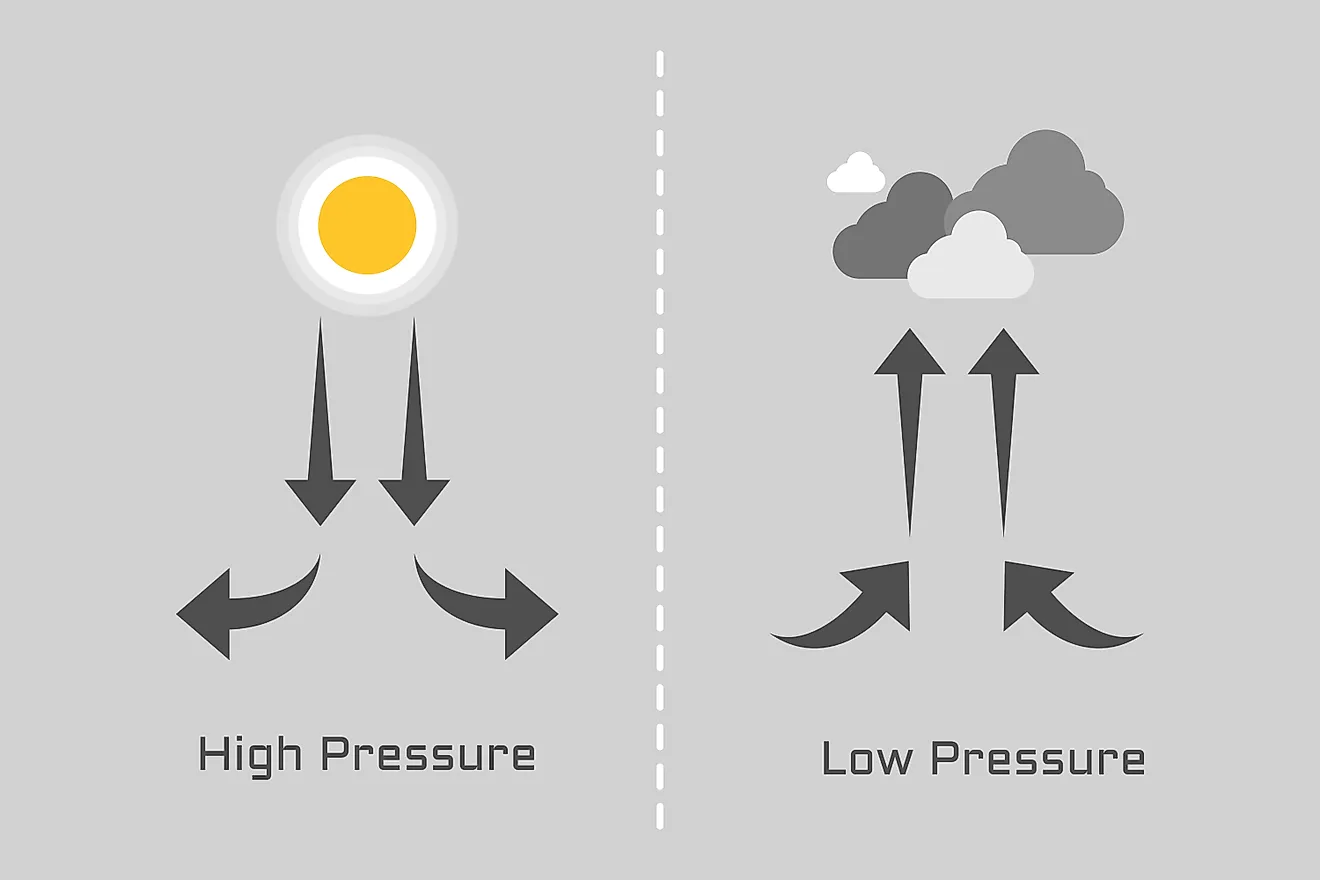
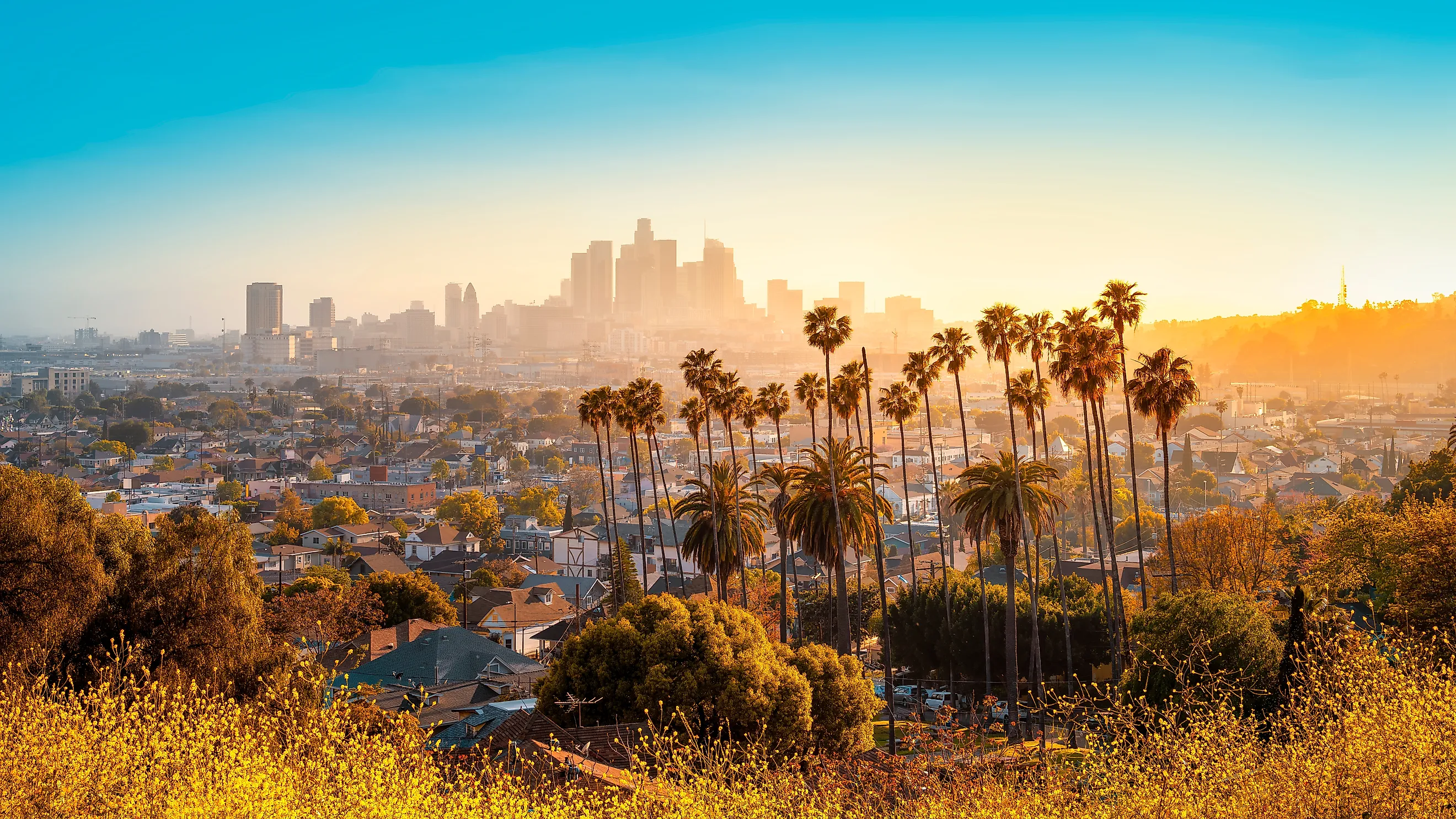
Located along the coast of the Pacific Ocean, Los Angeles is one of the driest cities in the country with an annual rainfall expectancy of approximately 14.3 inches. The area's climate is influenced by Mediterranean weather patterns and rainfall primarily occurs during seasons with low temperature, leaving summer months consistently arid. The summer weather can lead to high pressure levels thwarting cloud formation and thus preventing the development of consistent rainfall.
Beyond the atmospheric influences, the nearby Transverse and Peninsular ranges also shape local precipitation patterns, wringing moisture out of storms along their seaward slopes and leaving the country inland of them far drier. When rainfall does occur in the area it tends to be short and intense, coming in bursts during the winter and causing the occasional flood concern.
San Jose, California

Also within California, sitting in the Santa Clara Valley, is San Jose, charting roughly 13.5 inches of rain per year. The surrounding terrain limits the atmospheric moisture that reaches the region due to the coastal weather systems operating in the valley. The sharp contrast between rainfall in late fall through early spring versus through the high temperature season creates a noticeable gap that ultimately results in lower annual rainfall ratings. The Santa Cruz Mountains create variation in the precipitation between communities within the municipality, with a seasonal rainfall pattern that mimics many of the state's central and southern coastal territories.
Fresno, California

The amount of rainfall Fresno receives is largely due to its position in the San Joaquin Valley and what scientists refer to as the "rain-shadow" effect that is formulated by the Sierra Nevada. Essentially, as the storm systems moving eastward from the Pacific Ocean carrying extensive amounts of water vapor approach the mainland, they encounter the coastal mountains surrounding the valley and the topography forces the air upward, expanding and cooling it adiabatically. The result is condensation and rainfall on the western or windward slopes, and by the time the air descends to Fresno, the clouds have been vastly depleted of moisture.
This phenomenon occurs throughout the multiple valleys of California, producing a barrier effect that stops Pacific storms from extensively precipitating, ultimately keeping annual precipitation totals low compared to the windward slopes. Fresno generates an average of 11 inches of rain annually, concentrated to colder seasons similarly to other listed territories within the state.
Tucson, Arizona

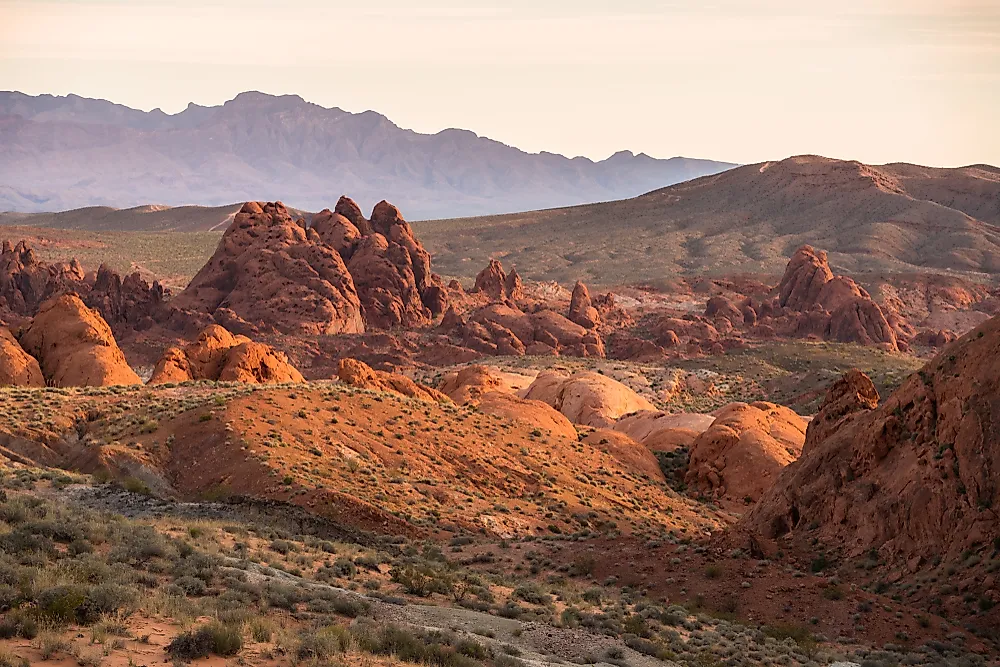
The Sonoran Desert houses the city of Tucson, producing about 10.6 inches of precipitation per year largely due to its location and the surrounding landscape. The dryness of the region is influenced by high pressure subtropical systems that constrain cloud development, along with the effects of local mountain ranges which contribute to where storms move and form. Tucson experiences rainfall from both the Pacific and the North American Monsoon, a meteorological pattern associated with the intense solar heating over desert areas and the resulting high-pressure ridge, known as the monsoon ridge, which causes drastic shifts in wind and thunderstorms. Despite its challenges, this city's arid desert conditions and mountainous terrain create the ideal environment for a variety of ecosystems within a compact geography.
San Diego, California

Another city within California that ranks as one of the lowest in annual precipitation is San Diego, receiving approximately 9.8 inches. The California Current within the area keeps the temperature moderate, but it also affects the atmospheric stability, resulting in limited development of recurrent precipitation. The majority of rainfall arrives by way of the Pacific storm system. Due to its proximity to the ocean it is heralded as one of the driest coastal cities in the country, demonstrating that communities located near major bodies of water do not always have to be the wettest in the territory.
Riverside, California

Riverside averages around 9.4 inches of rainfall per year, attributed to its inland location amidst Southern California's valleys where mountain ranges drastically curtail the Pacific Ocean's weather systems. Due to its measurable distance from the ocean, the rain-shadow effect is strengthened in comparison to localities closer to the coast. The city experiences dry summers and encounters the majority of its rainfall in the winter months. However, its harsher climate trends illustrate how precipitation patterns can evolve even across short distances in mountainous territories.
El Paso, Texas

In the Chihuahuan Desert a local municipality in Texas known as the "Sun City" unsurprisingly receives one of the lowest levels of rainfall in the country at just 8 inches annually, its location and its topography secluding it from the Pacific Ocean and the Gulf of Mexico atmospheric weather systems. Rainfall normally occurs during the summer when monsoon condensation reaches the locality, producing brief but powerful thunderstorms. Winters are substantially more arid, and generally the city's climate is reflective of the broader conditions that can be observed with the Chihuahuan Desert. With an average of 300 sunny days per year, the city's nickname is certainly apt to its weather conditions.
Phoenix, Arizona

Also located within the Sonoran Desert is Phoenix, sharing many topographic similarities and weather patterns with Tucson. The territory itself typically gets 7.2 inches of precipitation annually from winter Pacific storms and summer monsoon thunderstorms. These monsoon events sometimes result in increased risks of flash-floods despite the low annual total rainfall. Overall, it portrays the contradicting and often extreme seasonal changes typically associated with the conventional desert climate.
Las Vegas, Nevada

Las Vegas maintains a low rate of precipitation with an average of approximately 4.2 inches yearly. The area itself is positioned within a desert basin conducive to the rain-shadow effect. Persistent high pressure systems hinder cloud development and suppress the frequency of widespread rainfall, and the city's elevation of 2,000 to 3,000 feet makes winters noticeably cooler.
Since desert surfaces absorb water slowly, brief storms are still substantially damaging. The North American Monsoon is also primarily responsible for the downpours that occur within this territory, but outside of that what rainfall does occur tends to be sparse.
Yuma, Arizona

The driest city in the United States is Yuma, with 3.3 inches of annual precipitation on average. Also within the Sonoran Desert in Arizona, Yuma is shaped by its terrain and elevation, both serving to limit access to rain-producing atmospheric systems. The summer heat is severe and long-lasting while the winters are noticeably milder.
Despite being one of the most arid climates in the country, this region supports large-scale agriculture through irrigation systems connected to the Colorado River, demonstrating how water management and geography rather than just rainfall can also play a substantial role in water availability.
Why These Cities Stay Dry
Although the municipalities listed share commonalities, the reasons behind their climate conditions can differ substantially. While the rainfall in some cities like Las Vegas, Phoenix, and Yuma are molded by the desert environments and mountain-range barriers, other coastal regions such as San Diego and Los Angeles experience similarly arid conditions but due to oceanic influences and unique seasonal atmospheric patterns. These complexities highlight how the rainfall rankings are not determined solely by a singular factor, but through a combination of topographic, geographic, and atmospheric conditions which influence the large-scale weather systems of each territory.