These Invasive Species Are Threatening America's Wildlife
The United States is fighting an ongoing battle against invasive species that threaten ecosystems, agriculture, and native wildlife. Invasive species are plants, animals, and other organisms that are not native to an area but have been introduced intentionally or accidentally and can harm the ecosystem. According to the National Wildlife Federation, invasive species pose serious threats to approximately 42% of endangered or threatened species. Among the most problematic are feral swine, which vigorously uproot crops and damage ecosystems; Burmese pythons, which has long devastated the natural fauna of the majestic Florida Everglades; and domestic cats, which are often held responsible for the decline in local bird and small mammal populations. Other invasive species include European starlings, the nutria, Asian carp, and gypsy moths. These animals collectively highlight the urgent need to raise public awareness about invasive species threatening America’s wildlife.
Feral Swine

Feral swine (Sus scrofa) are not native to the Americas. Also known as wild pigs, wild boars, and wild hogs, they descend from pigs that were first brought to the continent from Europe by explorers as a food source and later escaped or were released. Today, they are considered among the most destructive animal species in the US, causing widespread damage to natural resources. They eat large amounts of vegetation and destroy plants by rooting them up and through other destructive behaviors. With few natural predators outside of humans in many of the areas where they are currently found, their population is rapidly increasing. Wild sows average two litters per year and can give birth to as many as 12 offspring. The number of counties with wild hog populations in the United States has tripled since the 1980s, a trend authorities call a "feral swine bomb." The number of reports has nearly tripled between 1982 (about 550 reports) and 2023 (about 1,500 reports). The states with the highest feral swine populations are Texas, Georgia, Florida, Louisiana, and Oklahoma.
Burmese Pythons

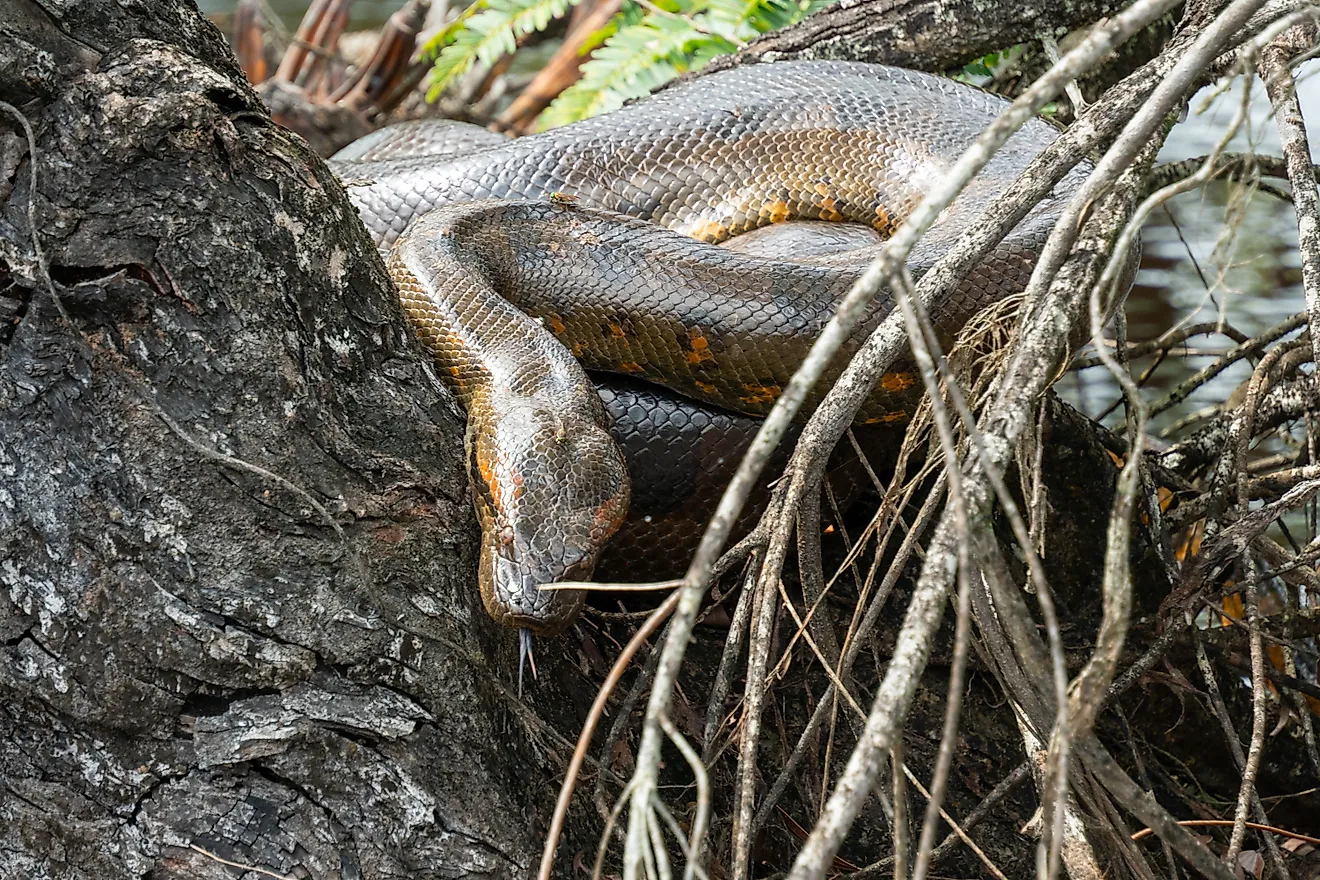
Burmese pythons (Python bivittatus) were introduced to Florida in the 1970s through the illegal exotic pet trade. Most likely, owners released them accidentally or intentionally into the Everglades when the snakes grew too large to manage. There are persistent rumors that Hurricane Andrew's destruction of a python breeding center helped these snakes establish a presence in the wetlands, but experts believe the species had already established itself before the hurricane. Although native to Southeast Asia, where large carnivores like tigers and crocodiles regulate their populations, the Burmese python has become an apex predator in the Florida Everglades. It lurks to ambush prey such as alligators, bobcats, white-tailed deer, and endangered species including Key Largo woodrats. These snakes are among the largest in the world, reaching over 20 feet in length and weighing up to 200 pounds.
Cats

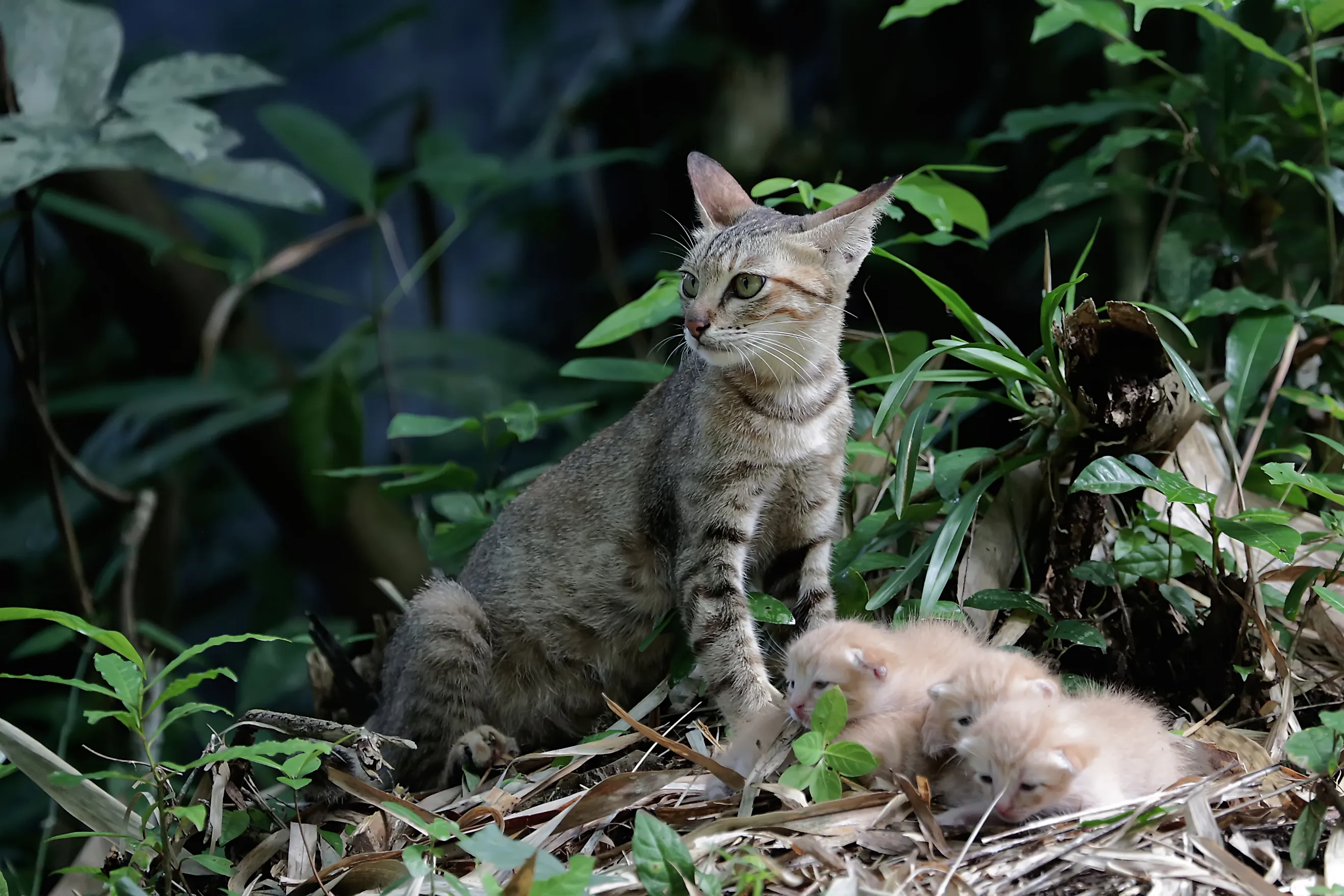
Ecologists consider domestic cats (Felis catus) among the worst invasive species in the world. Cats were first introduced to the United States by European colonists in the 1600s, carried across the Atlantic Ocean aboard ships to control rodent populations. Today, cats inhabit every continent except Antarctica and are among the most widely distributed species on the planet. Between 60 million and 100 million free-range, often unowned cats kill an estimated 1 billion to 4 billion birds in the United States alone, with devastating consequences for threatened species such as the wood thrush and the least tern. In some studies, cats were observed eating young green sea turtles. Cats, including feral cats, are also responsible for spreading diseases that affect the health of wildlife and humans, including toxoplasmosis, plague, and rabies.
European Starlings

With a story that seems fit for the Bard, European starlings (Sturnus vulgaris) were introduced to the US in 1890 by Eugene Schieffelin, who aimed to introduce every bird species mentioned in William Shakespeare's works to North America. In a notorious attempt, Schieffelin released dozens of starlings in Central Park, New York City. The effort was remarkably successful; today, over 200 million European starlings inhabit areas from Alaska to Mexico. These starlings cause millions of dollars in damage as they travel in flocks of up to 50,000, often displacing native birds and their young from nests, spreading parasites and diseases like E. coli, and damaging crops and vineyards.
Nutria

The nutria (Myocastor coypus) is a large, semi-aquatic rodent native to South America. Brought to the US in 1889 for its fur, thousands of nutrias escaped or were released when their keepers could no longer afford to house them; the problem intensified when the fur market collapsed in the 1940s. Today, they are found in more than 20 states, including California, Gulf Coast and Atlantic Coast states, and the Pacific Northwest, where they damage vegetation and crops and destabilize and destroy the banks of lakes, ditches, and other bodies of water. Of most concern is the damage they cause to marshes, wetlands, and other fragile ecosystems where threatened and endangered native wildlife make their homes.
Asian Carp

Asian carp (there are several taxonomic classifications) are among the world's 10 most harmful invasive species. Native to Europe and Asia, carp were imported to the U.S. in the 1960s and 1970s to control algal blooms by consuming plankton in ponds and wastewater treatment plants. Floodwaters eventually caused the captive fish to escape into local lakes, rivers, and streams, most notably the Mississippi River basin and its tributaries, including the Ohio and Missouri rivers. Today, four types are present in waters across the United States: bighead carp, black carp, grass carp, and silver carp. The carp threaten native species by outcompeting them for food and habitat and by carrying parasites or diseases that can kill native fish species.
Gypsy Moths

Another experiment gone awry, the invasive Gypsy moth (Lymantria dispar), or spongy moth, was accidentally released in North America in the 1860s by Étienne Léopold Trouvelot, a French lithographer who lived in Massachusetts and spent his spare time studying silk moths. In an attempt to breed a heartier silkworm to satisfy the global demand for silk, he imported the gypsy moths from Europe to America, where some ultimately escaped from his backyard lab. Today, the moths are firmly established in the forests of the northeastern United States, including throughout Maine, New Hampshire, Vermont, and others. In Canada, the moths are found across southern Ontario and Quebec, where they can cause complete defoliation of hardwood trees.
Summary
The US faces significant ecological challenges from invasive species such as feral swine, which damage vegetation and wetlands; Burmese pythons, decimating native wildlife in Florida’s Everglades; and domestic cats, which kill billions of birds each year and spread diseases. European starlings, introduced in New York during the 1890s, compete with native birds and harm crops, while nutrias damage wetlands and marshes. Asian carp, brought in to control algae, now dominate US waterways and outcompete native fish, and gypsy moths defoliate forests in the Northeast. Remember, these are just some of the invasive species endangering America’s wildlife.