Vipers
Vipers are snakes that belong to the family Viperidae, which comprises more than 350 different species of venomous snakes. The family is divided into two main subfamilies based on anatomy: pit vipers in the subfamily Crotalinae, which have heat-sensing pits between the eye and nostril, and true vipers in the subfamily Viperinae, which lack those pits. Pit vipers are found in both the Americas and parts of Asia, while true vipers are restricted to the Old World. Vipers are found on almost every continent, with the exception of Antarctica and Australia, and they are also absent from several large islands including Madagascar, New Zealand, Ireland, and Hawaii. While snakes in general incite fear among people, venomous snakes like vipers take it a step further. With that said, their venom does more than immobilize prey; it is also the source of several important human medicines. Read on to discover why vipers are among the most specialized predators in the reptile world.
Physical Description

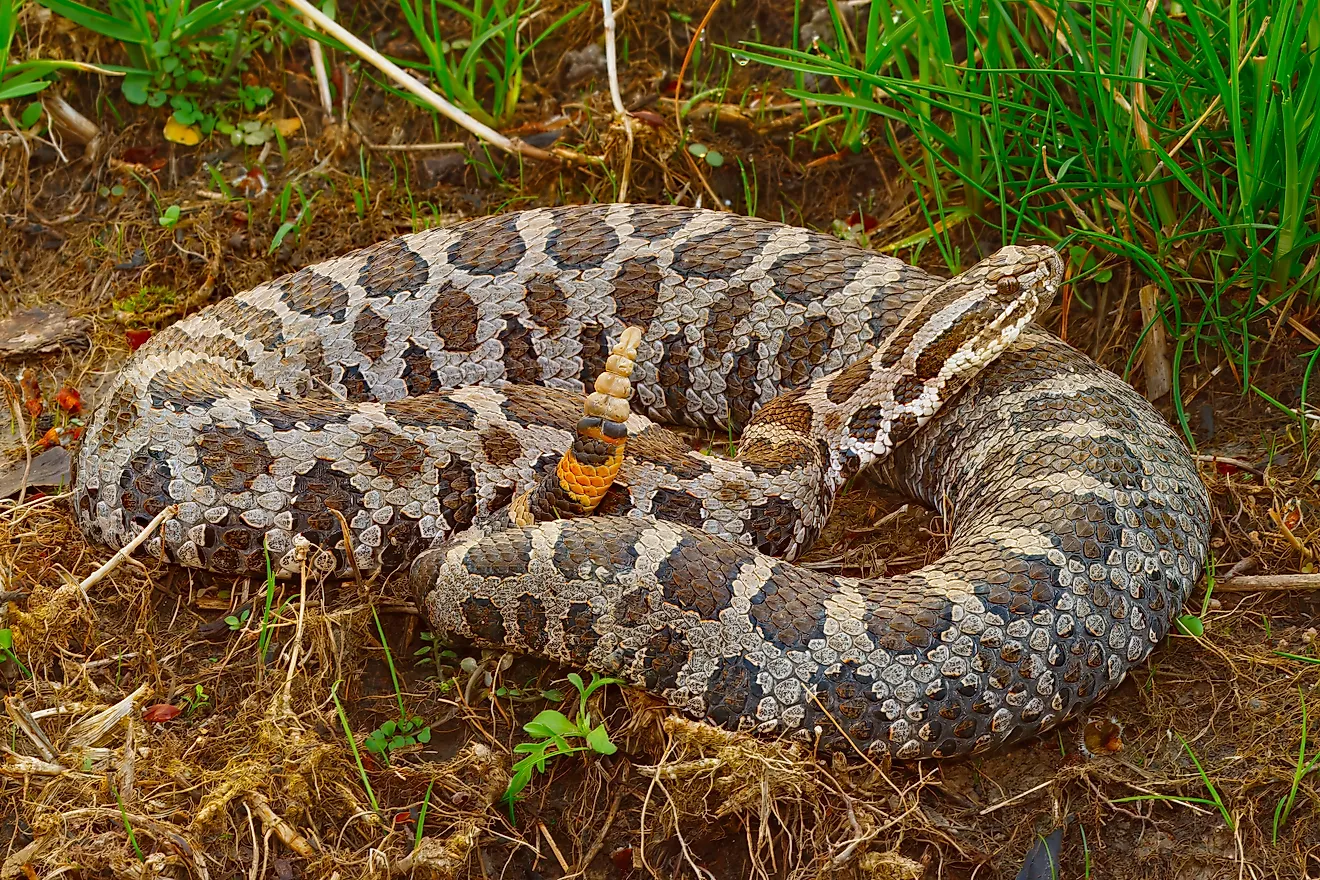
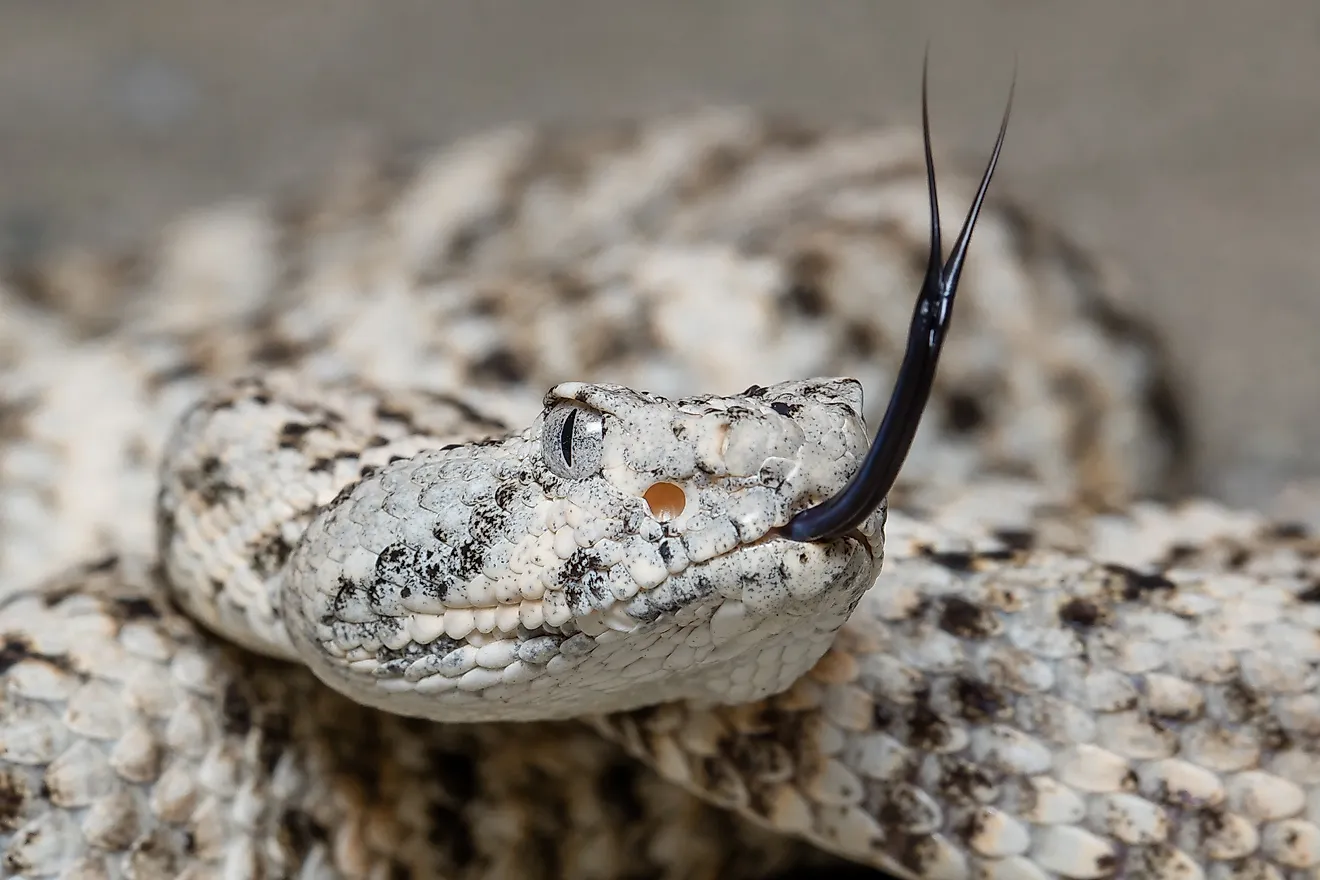
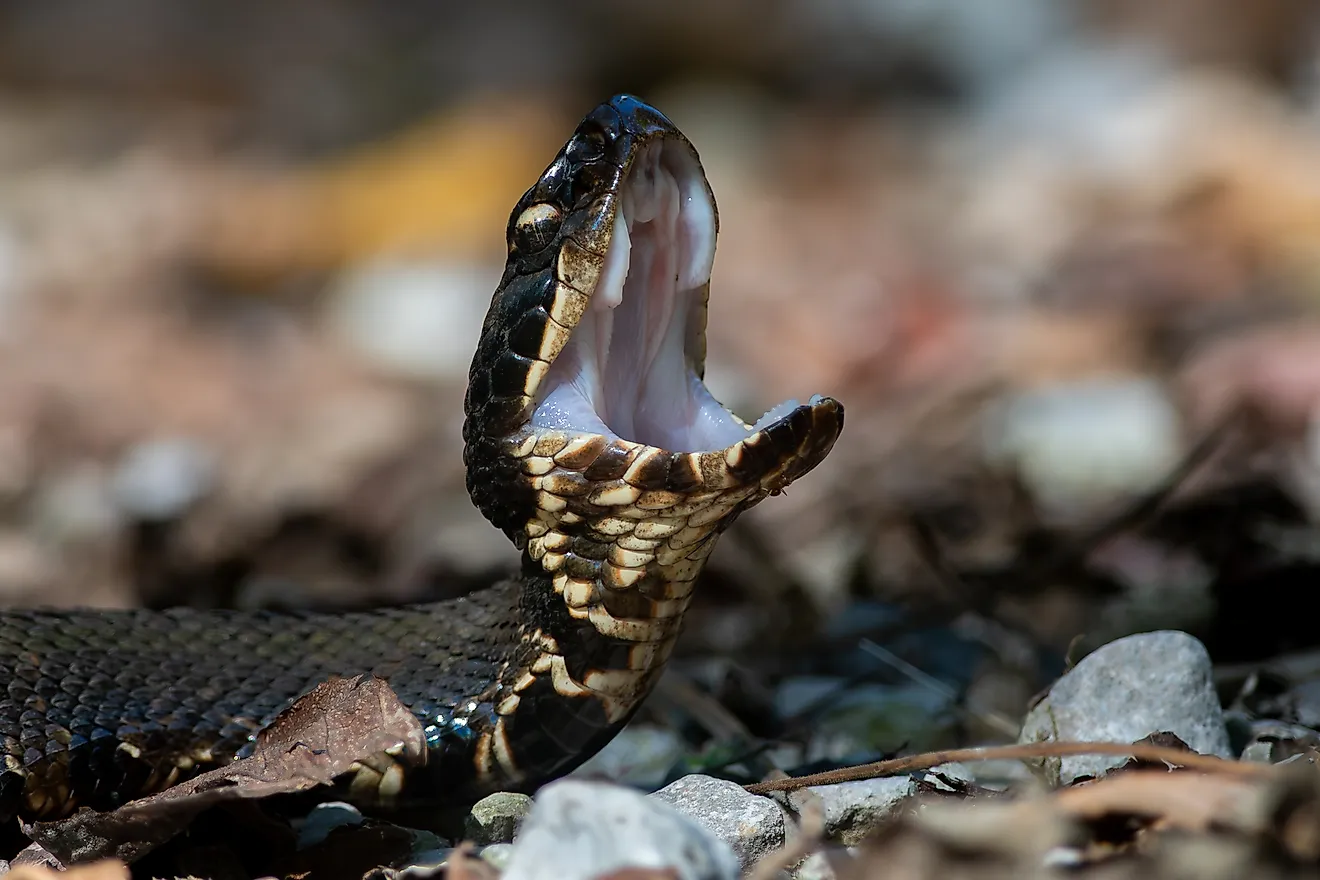
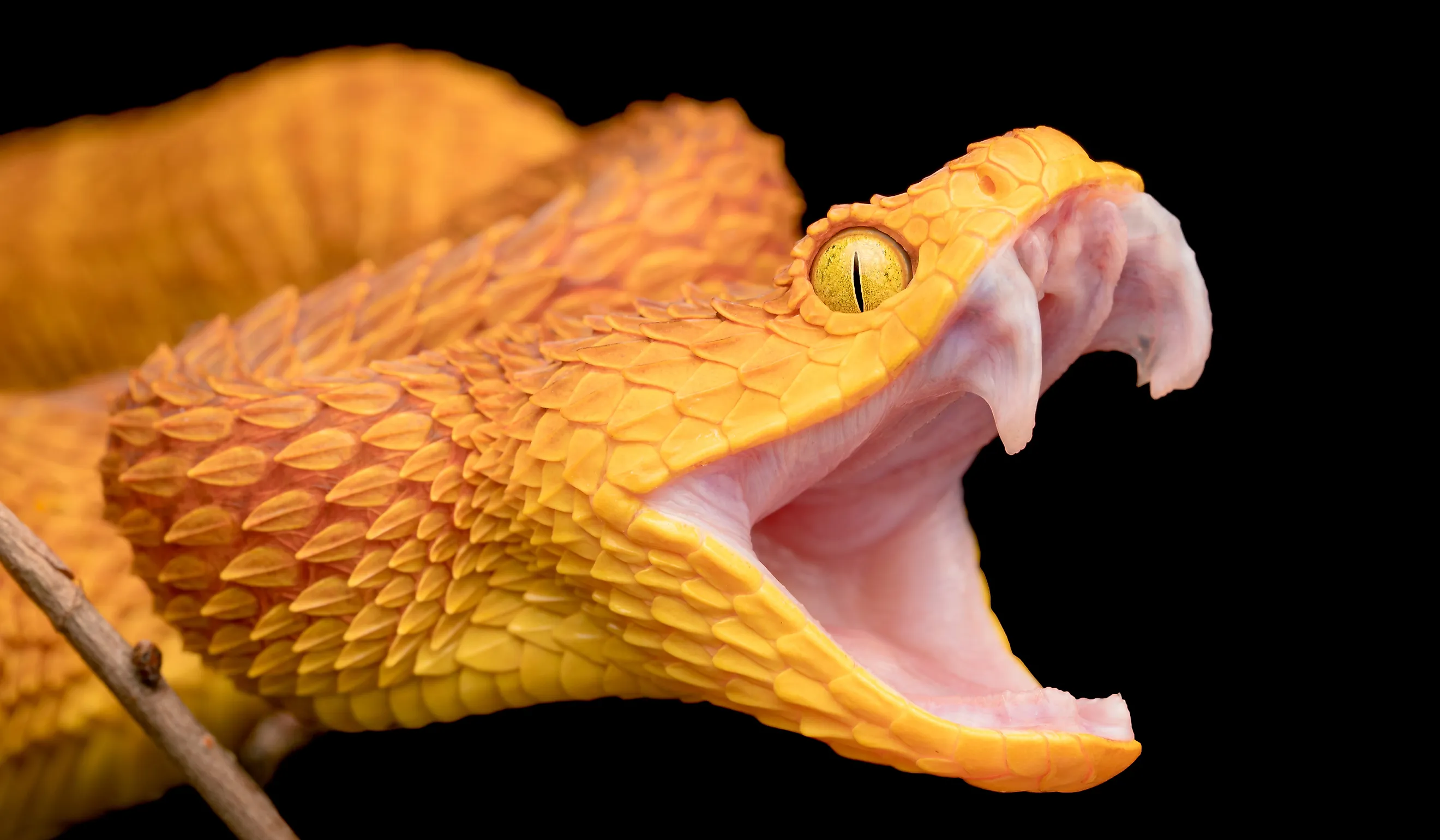
All vipers possess a pair of long, hollow fangs used for injecting venom. These fangs are attached to movable bones on the upper jaw and fold back against the roof of the mouth when not in use, which is part of what makes vipers such specialized envenomators. Vipers generally have elliptical (cat-like) pupils and keeled scales, though these features are not universal. Rhombic night adders (Causus rhombeatus), for example, have round pupils and only lightly keeled scales.

With so many species, viper sizes vary significantly. The Namaqua dwarf adder (Bitis schneideri) of southern Africa reaches only about 25 centimeters in length, making it one of the smallest vipers in the world. At the other end of the scale, the South American bushmaster (Lachesis muta) of the Amazon basin can exceed 10 feet and is the longest venomous snake in the Western Hemisphere.
Range and Habitat

Vipers are found across most of the world, though not in Australia, Antarctica, or on several isolated islands. Habitats vary as much as the snakes themselves. In the Americas, pit vipers occupy deserts, grasslands, and rainforests from southern Canada to central Argentina. Rattlesnakes in particular are concentrated in the deserts of the western United States and Mexico.
Across Europe, Africa, and Asia, true vipers and Old World pit vipers fill a similarly broad range of habitats, from temperate forests to tropical jungles to arid scrubland. Saw-scaled vipers (Echis carinatus), for example, inhabit arid regions and dry savannahs north of the Equator across Africa and Asia, and are responsible for more human deaths than any other snake in that region.
Behavior and Food

Most vipers are nocturnal or crepuscular and tend to be less active than other snake species, since they are ambush predators rather than active hunters. Rather than flee when approached by a predator, a viper typically relies on camouflage, blending in with rocks, foliage, or ground debris until the threat passes.
Vipers strike prey and inject venom to immobilize it, but they usually release the prey item immediately afterward to avoid being bitten or injured in a struggle. The snake then waits for the venom to do its work before using scent to track down the prey and consume it. This "strike-and-release" strategy is well documented in rattlesnakes and other pit vipers.
Reproduction

The majority of viper species are live-bearing, meaning the young develop inside the mother and are born fully formed rather than hatching from externally laid eggs. There are exceptions: the bushmaster mentioned earlier is actually an egg-laying (oviparous) pit viper, one of only a handful within Crotalinae. In captivity, rattlesnakes have been observed to engage in long-term sperm storage (LTSS). One documented case saw a female Western diamondback rattlesnake retain viable sperm for roughly five years without any opportunity to mate, and then give birth to live offspring.

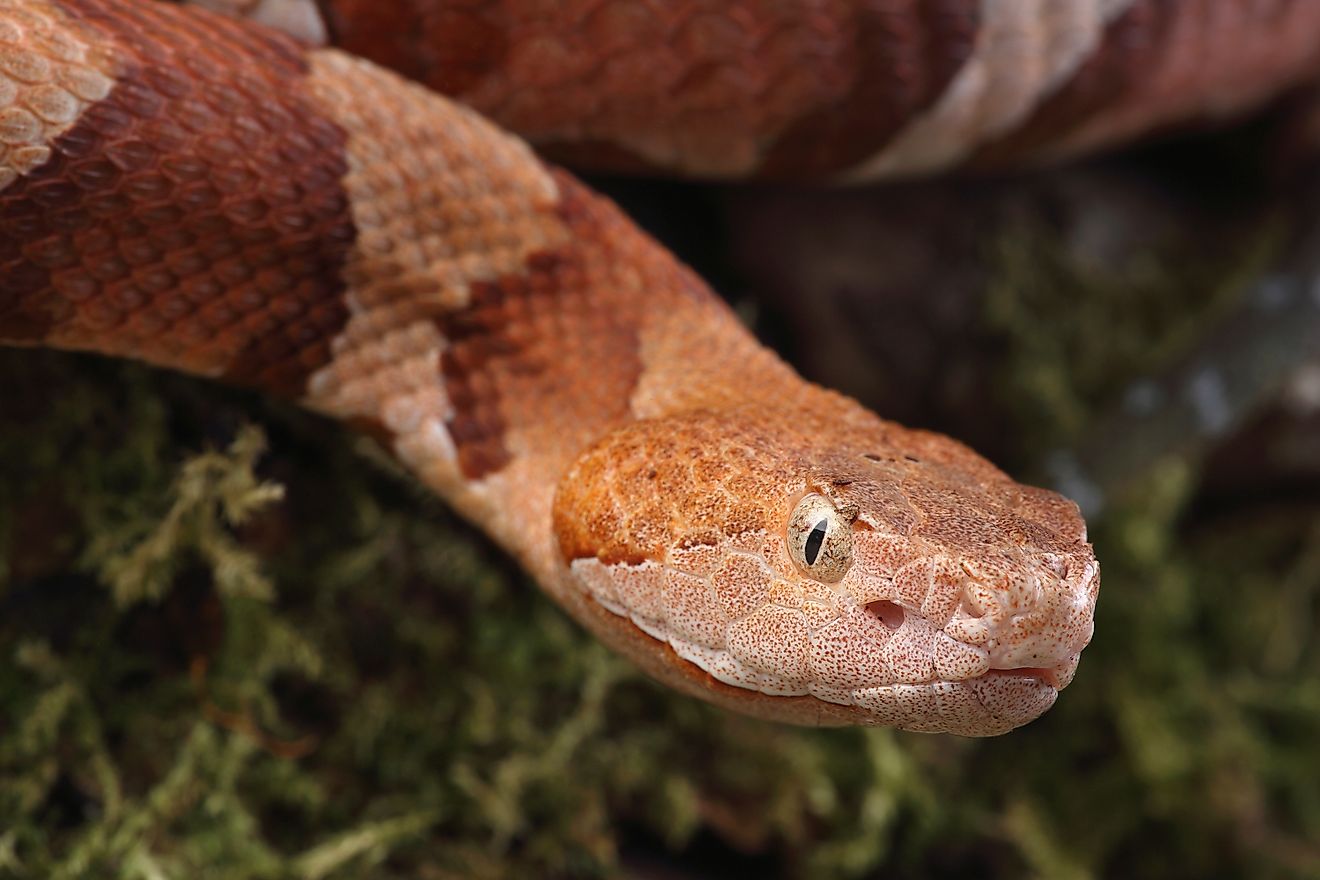
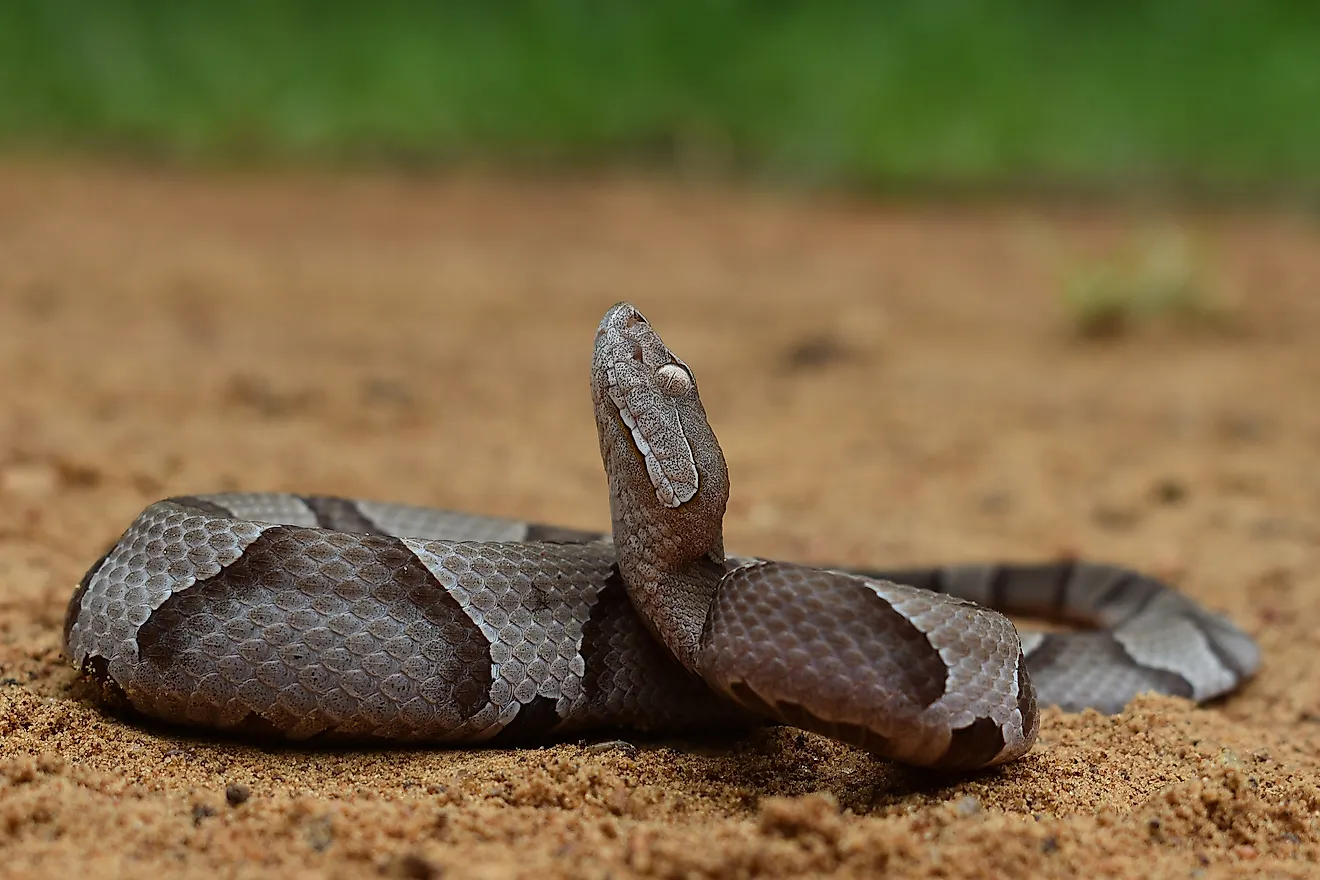
Under similarly isolated conditions, a copperhead was also able to reproduce through parthenogenesis, a form of asexual reproduction in which an egg develops without fertilization. When no mates are available, pit vipers in this situation can produce offspring that are genetically derived from the mother alone, rather than waste a finite supply of eggs. Parthenogenesis is common among plants and invertebrates, and more than 80 species of fish, amphibians, and reptiles are now known to be capable of it as well.
Importance to the World

Snake venom has been used in traditional medicine for thousands of years, and vipers have contributed some of the most important examples in modern pharmacology. The venom of the jararaca (Bothrops jararaca) from South America gave rise to the first ACE inhibitor, Captopril, which was approved by the U.S. FDA in 1981. ACE inhibitors are a widely used class of heart medicines, prescribed for high blood pressure, heart failure, and post-heart-attack care.
Venom from the southern copperhead (Agkistrodon contortrix contortrix) contains a protein called contortrostatin. Contortrostatin is a disintegrin studied for its ability to slow the growth and spread of breast cancer. In one landmark study, contortrostatin was injected directly into the mammary glands of mice that had been given human breast cancer cells two weeks earlier. The treatment inhibited tumor growth, slowed angiogenesis (new blood vessel formation), and produced more than 70% inhibition of metastasis to the lungs.

Saw-scaled viper venom has also been the source of several drug candidates because of its clot-related properties. Echistatin, a disintegrin derived from Echis carinatus venom, inhibits platelet aggregation and bone resorption and has served as a template for drug development due to its simple structure. Other venom-derived compounds include ecarin, an enzyme used as the main reagent in the ecarin clotting time (ECT) laboratory test, and tirofiban, an antiplatelet drug used to prevent blood clots during heart procedures.
Threats

Old World and New World vipers alike face threats around the world. In North America, rattlesnakes and copperheads are commonly persecuted by humans out of fear. Copperheads are responsible for more venomous snakebites in the United States than any other species, and because of that, many copperheads are killed on sight even though fatal bites are extremely rare.
In Texas and Oklahoma, rattlesnake roundups still take place annually. Hunters spend months beforehand gathering rattlesnakes from dens to be weighed, displayed, and ultimately killed at the events. In 2016, the Sweetwater Rattlesnake Roundup in Texas recorded a single-year haul of 24,262 pounds of rattlesnakes. Roundups were once far more common, with dozens running across Texas at their peak in the late 20th century, and today only a handful remain active.
Russell's vipers (Daboia russelii) also come into frequent conflict with humans and are killed as a result, especially when rice fields are being planted and harvested across Asian countries like India, Bangladesh, Sri Lanka, Pakistan, and Taiwan. Because the snakes live in the rice fields themselves, farmers are frequently bitten and often cannot reach medical attention quickly due to the remoteness of the paddies. During growing seasons, Russell's vipers, along with several nonvenomous snake species, are killed out of fear and misinformation. Mass killings of snakes threaten local ecosystems and damage biodiversity, because snakes act as natural pest control by eating rats, which can destroy 10 to 20 percent of crops annually.
Despite their reputation and capacity for inflicting harm, vipers are ecologically important both in their native habitats, where they keep rodent populations in check, and in the development of human medicines. While they do sometimes come into conflict with humans in rice fields and on the outskirts of settlements, most of the time vipers rely on their camouflage to live quietly and undisturbed in the places they have occupied for millions of years.