The Bloodiest Wars Of The Ottoman Empire
The Ottoman Empire (1299 to 1922) experienced many wars throughout its history. The most violent of these occurred in the second half of its existence, as it fought desperately just to survive. From the Great Turkish War, which ended in its first catastrophic defeat, to World War I, which led to the empire's collapse, you can't understand Ottoman history without a full picture of its bloodiest wars.
The Great Turkish War (1683 to 1699)

For centuries, the Ottomans tried to make inroads into Central Europe. They first besieged Vienna, arguably the most powerful city in the region, in 1529 under the reign of Suleiman the Magnificent. While this attempt failed, it was a monumental display of strength. However, the next 200 years then saw some mixed developments. The empire continued to expand, but political instability, a stagnant military, and economic strain from inflation and shifting global trade patterns indicated cracks were forming. To demonstrate that they were still a formidable power, the Ottomans set out to take Vienna once and for all.

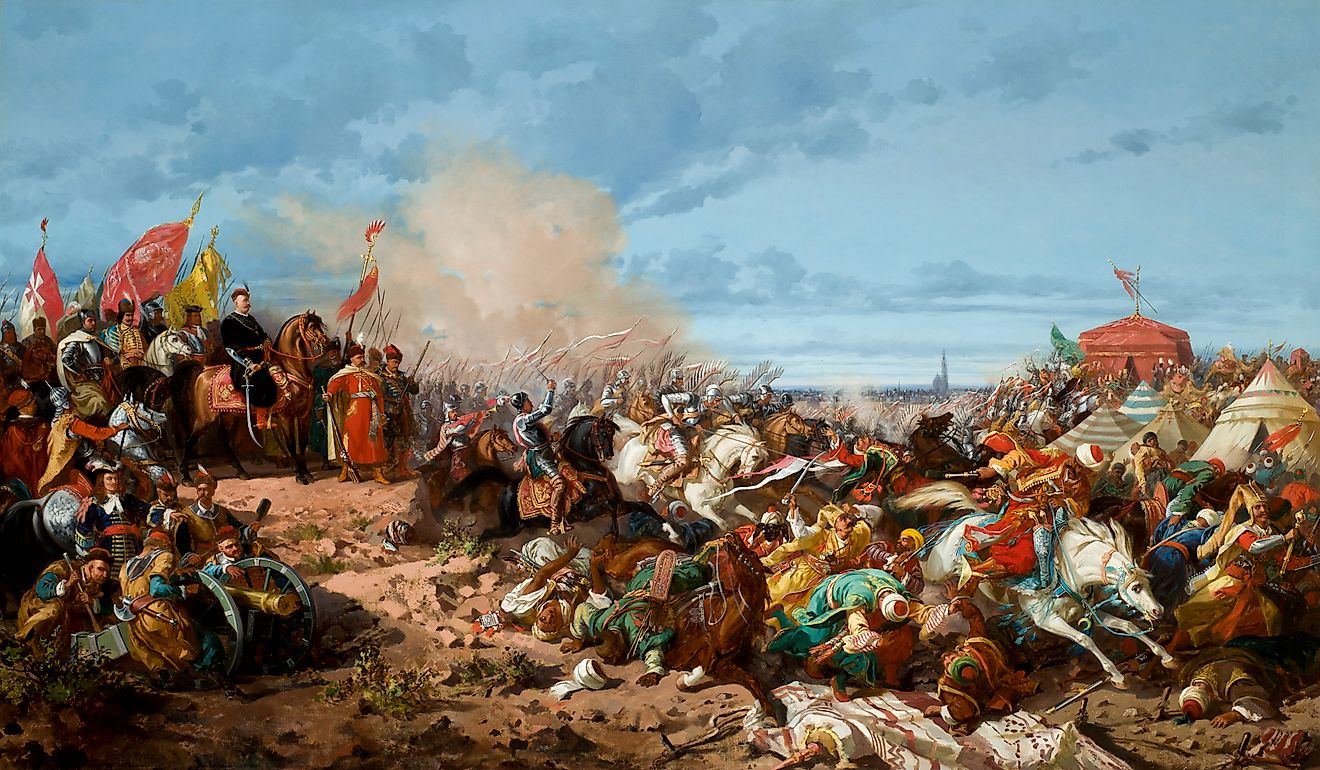
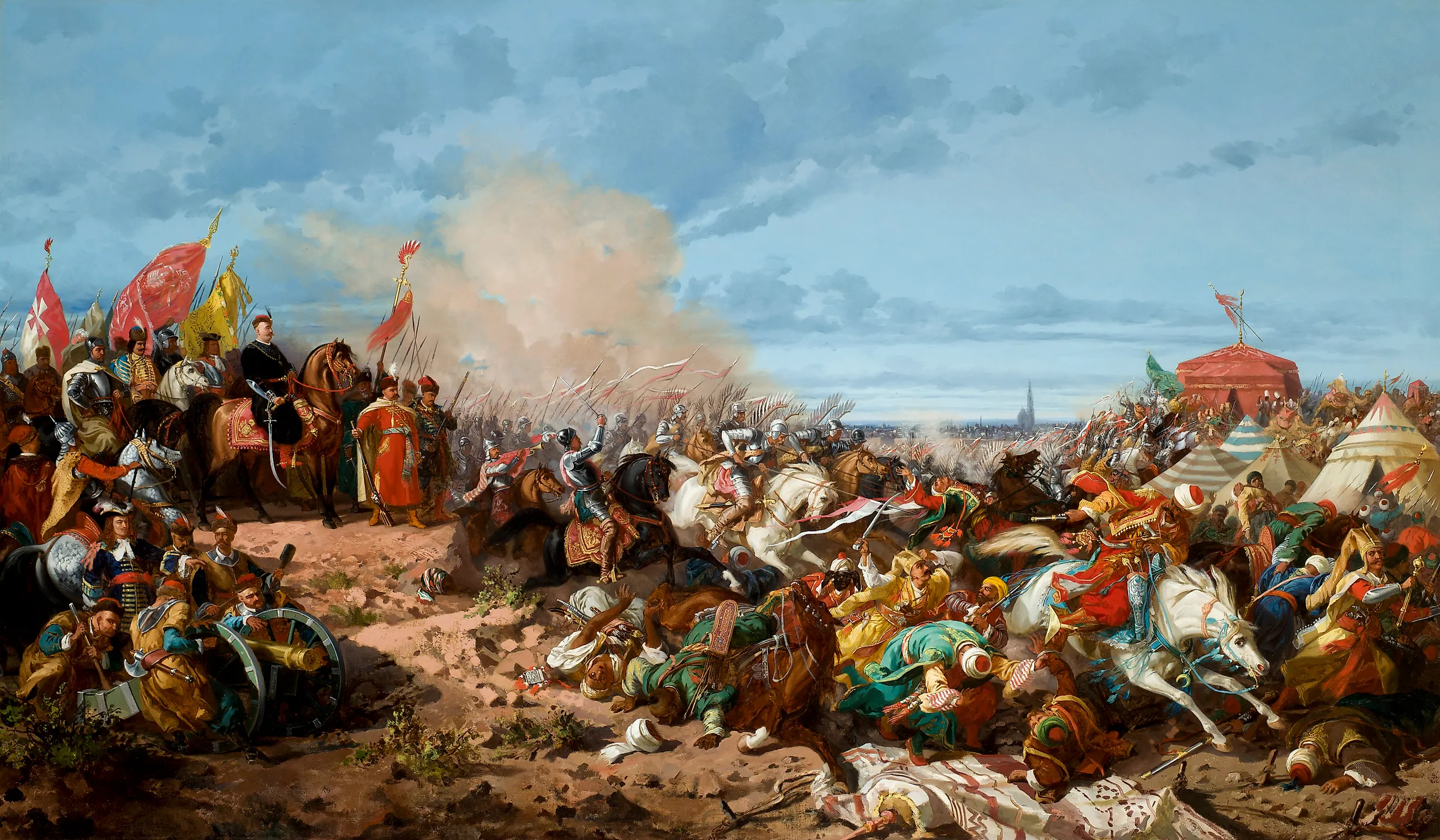
In July 1683, a force of between 150,000 and 300,000 Ottoman troops surrounded Vienna and began besieging it. The siege lasted two months. Food shortages led to famine, and many believed that the city would fall. This changed when a relief army of Polish, Austrian, and German troops attacked on September 12, 1683. Culminating in one of history's biggest cavalry charges, the battle ended in an Ottoman defeat.

The defeat at Vienna kicked off a multi-decade conflict called the Great Turkish War. Fought against a coalition of European forces called the Holy League, formed in 1684, the Ottomans gradually ceded more and more ground as the war progressed. By 1686, they had lost Buda and were on their way to surrendering almost all of their Hungarian territory. The next ten years then saw challenges to their positions in Greece and Crimea. Ultimately, the war ended with the Treaty of Karlowitz in 1699. On top of losing almost all of their Central European holdings, the Ottomans suffered about 175,000 casualties, with total losses on both sides exceeding 300,000 killed or wounded.
The Crimean War (1853 to 1856)

By the mid-1800s, the Ottoman Empire was clearly declining, and other European powers began to debate what would happen if it collapsed. This became known as the Eastern Question. Russia, in particular, saw an opportunity to gain control of the Dardanelles and Bosphorus Straits, which in turn would give it access to the Mediterranean. Alarmed by these plans, Britain and France allied themselves with the Ottomans to help prevent upsetting the balance of power in Europe.

The inciting incident for the Crimean War occurred in 1853 as Christians disputed their authority over holy sites in Jerusalem and Bethlehem. Russia claimed to be the protector of Orthodox Christians, whereas France supported the rights of Roman Catholics. Tensions soon spiralled out of control. The first major engagement happened off the northern Anatolian coast in the Battle of Sinop. Fighting soon shifted to Crimea after the British attacked Russia's naval base in Sevastopol.

Facing mounting pressure at home and abroad, Russia sought peace and signed the Treaty of Paris in 1856. Doing so limited its ability to expand in the Mediterranean. The treaty also ensured the collective European protection of Ottoman territorial integrity, allowing it to survive for several more decades. All this came at an enormous cost, and an estimated 650,000 to 750,000 people died during the war.
The Balkan Wars (1912 to 1913)

The Balkan Wars were the beginning of the end for the Ottoman Empire. They began when a coalition of Serbia, Bulgaria, Greece, and Montenegro declared war on the Ottoman Empire in 1912. Weakened by a conflict with Italy earlier that year, the Ottomans were unprepared for a multifrontal assault. The Serbians attacked in Macedonia, the Greeks attacked Thessaloniki, and the Bulgarians assaulted eastern Thrace. These engagements ended in the Ottomans losing almost all their European territory. The Balkan Wars also triggered one of the largest refugee crises in history, as hundreds of thousands of Muslim refugees fled into the Ottoman Empire. On top of this, between 240,000 and 500,000 people were killed.
World War I (1914 to 1918)

World War I dwarfs all others discussed so far in terms of importance and bloodshed. In the Europe-wide conflict, the Ottomans allied themselves with the Central Powers of Germany and Austria-Hungary. Despite being dramatically weakened from their peak, they still managed to fight for four years on four fronts. The Ottomans even pulled off some major victories, including at the Battle of Gallipoli (1915 to 1916) when they prevented Allied forces from storming the peninsula and taking Istanbul. At the same time, pressure in places like Sinai, Palestine, and Mesopotamia proved too great, and the Ottomans were pushed back. Ultimately, the war ended on October 30th, 1918, when the empire signed the Armistice of Mudros. It was subsequently occupied and partitioned by the Allies, leading to its final collapse in 1922.
The Empire's Final Reckoning
The human toll of World War I is nearly inconceivable. An estimated 15 to 22 million people died. As for the Ottomans, between 250,000 and 800,000 soldiers perished, and over a million civilians also died. However, the most deadly part of the Ottoman war came in the form of the Armenian Genocide. Between 800,000 and two million Armenians, Assyrians, and Greeks were massacred or died during forced deportations. This atrocity is one of the most infamous chapters in Ottoman history and continues to be denied by the modern Turkish state.