How Did The Roman Empire Change Over Time?
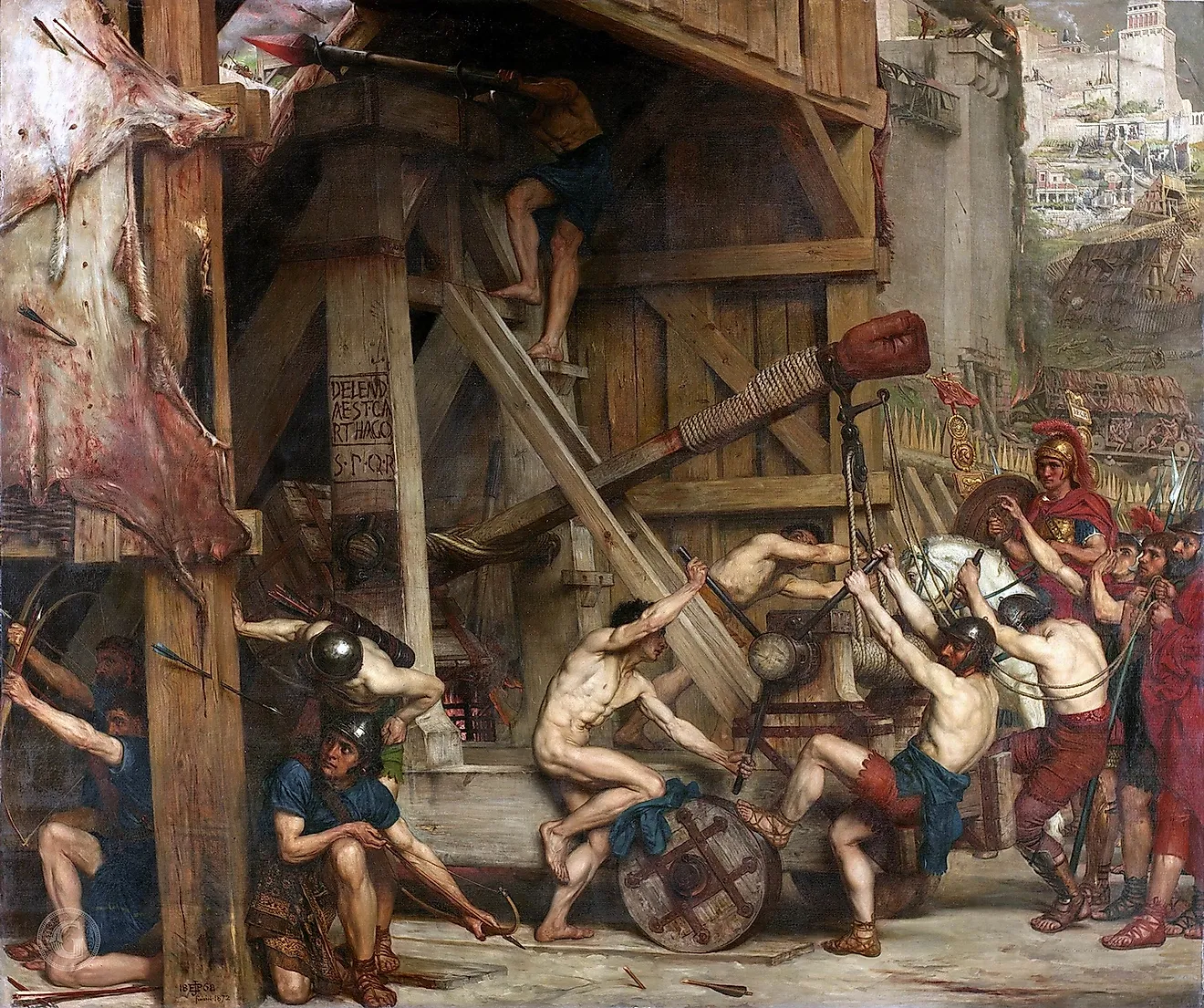
It’s almost impossible to overstate the importance of the Roman Empire. As one of the defining states of ancient history, it fundamentally reshaped the world. At the same time, Rome wasn’t a static entity. Beginning as a monarchy, it transitioned into a republic and then an empire. As crises emerged and problems became ever more existential, another change was needed. Rome therefore split into an Eastern and a Western Empire. While the Western Empire fell soon thereafter, the Eastern Empire survived for the next thousand years.
The Roman Republic

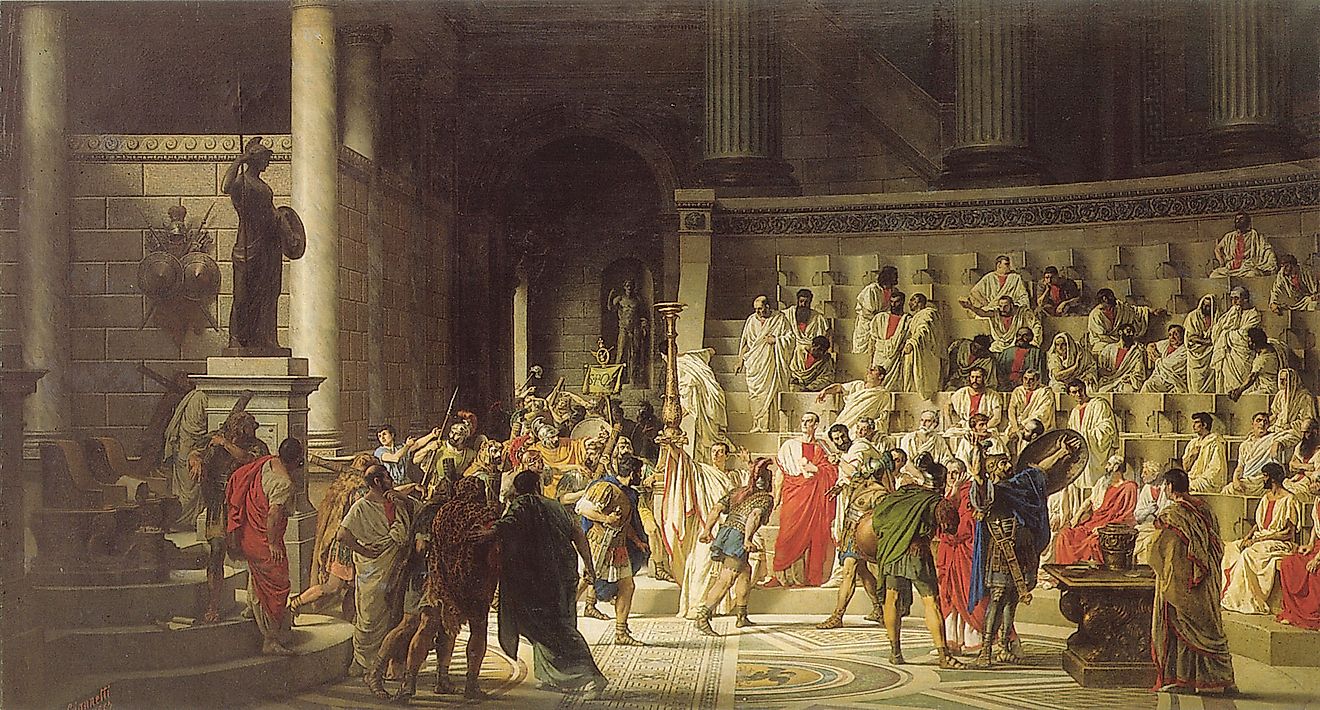
The Roman Republic emerged in 509 BCE. Built on institutional power sharing, the Republican government aimed to prevent the abuses that characterized the monarchical period. Two consuls shared the power of the former king, and they were elected by a popular assembly every two years. Admittedly, the Senate ended up having disproportionate influence. While technically an advisory body, its members served for life, meaning that they had a wealth of political and technical knowledge upon which the consuls relied.

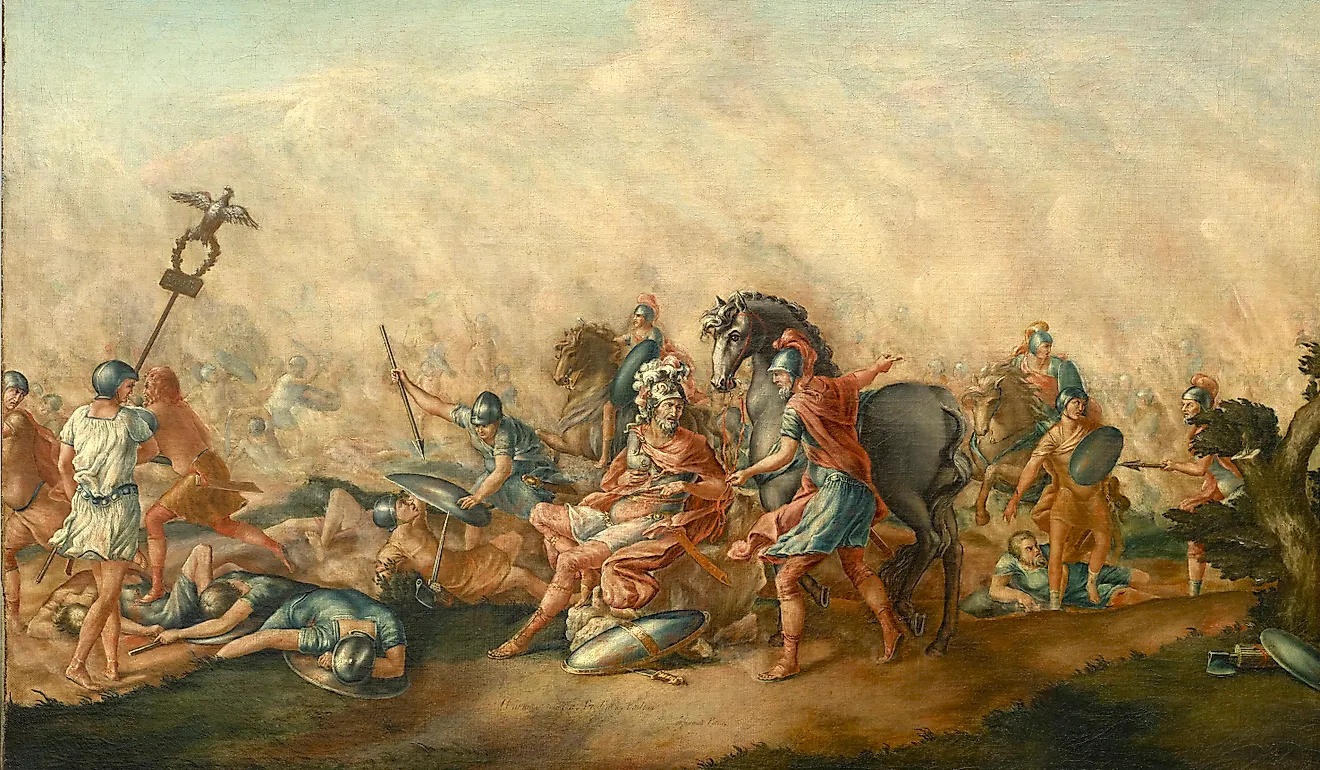
Other flaws emerged as the centuries passed. Rome initially began as a small Italian city-state. Over time, as it accumulated territory in North Africa, the Balkans, and the Levant, its government struggled to understand and fulfill the needs of its many different peoples. To address these issues, it outsourced power to regional generals like Gaius Marius, Lucius Cornelius Sulla, and Julius Caesar. These generals had their own ambitions and, when combined with their popularity, made them a threat to the government. Ultimately, the Roman Republic descended into civil war in 49 BCE when Julius Caesar crossed the Rubicon River with his army.
The Birth Of The Empire And The Pax Romana

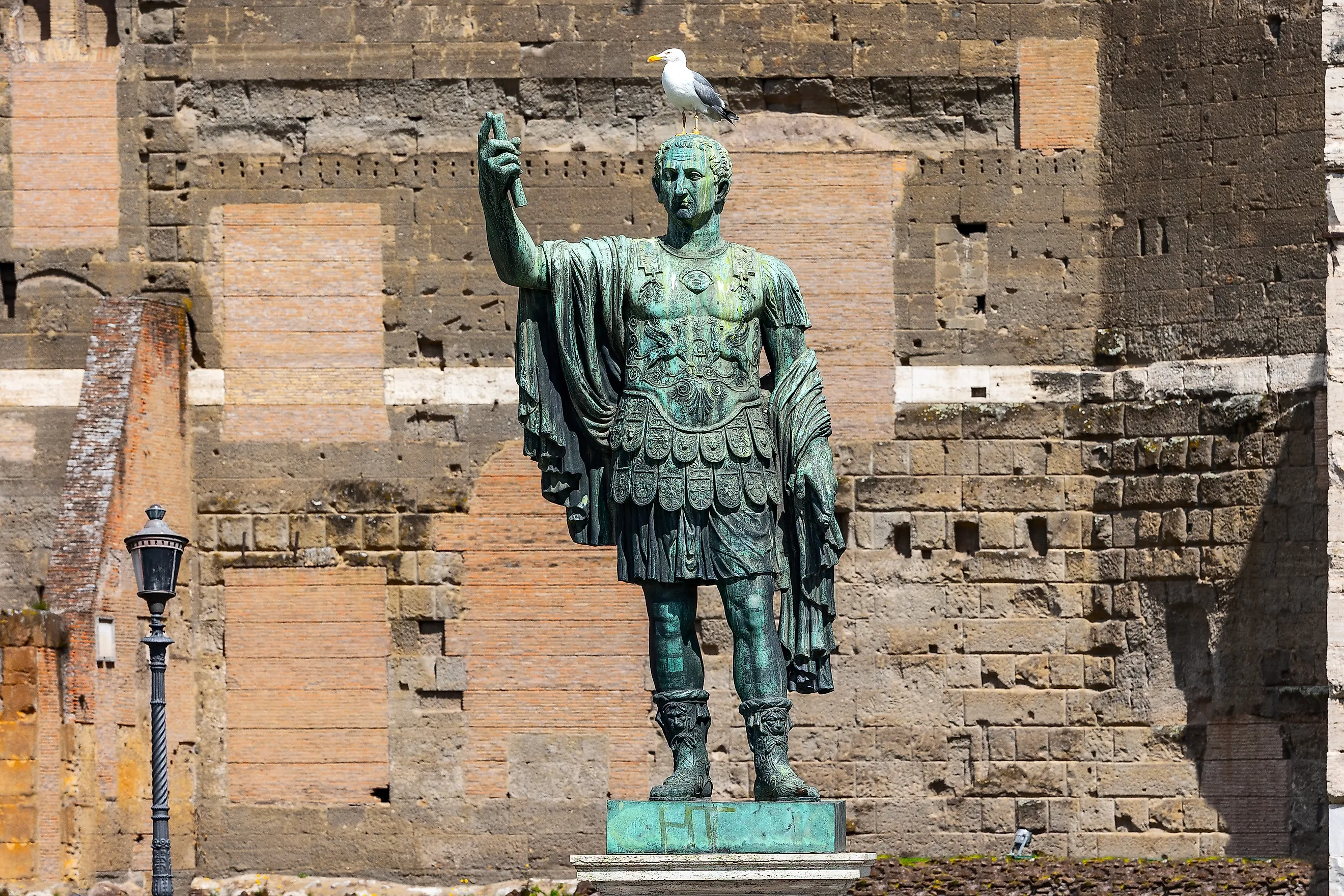
Following a twenty-year conflict, which included assassinations, shifting loyalties, and lurid love affairs, Octavian emerged as the undisputed ruler of Rome. He subsequently changed his name to Augustus and declared himself emperor in 27 BCE. This marked the beginning of the Roman Empire.

Augustus made several key reforms that helped stabilize Rome. First, he created a professional standing army that was paid by him, rather than charismatic generals. This ensured loyalty to the state. Second, he established a professional bureaucracy of full-time administrators that ensured everything ran smoothly, contrasting with the elite-run administrators of the Republic who often used their positions to enrich themselves. Finally, Augustus invested heavily in public infrastructure, which improved quality of life and made tax collection easier. Collectively, all these measures set the empire up for the Pax Romana, 200 years of relative peace, prosperity, and stability.
Growing Problems

After Emperor Marcus Aurelius died in 180 AD, Rome began to experience ever more existential problems. The empire had gotten too large to govern or defend effectively, making it vulnerable to invasions by the Persians in the south and Germanic tribes in the north. Political instability was also a problem. There was no formal succession system for the emperorship, meaning that violent power struggles were common. The Praetorian Guard further compounded this issue. Originally an elite military unit meant to protect the emperor, they eventually began acting as kingmakers and even sold the emperorship to the highest bidder in 193 AD. All these factors, and many more, led to the Crisis of the Third Century (235 to 284 AD). A nearly fifty-year civil war, over twenty emperors rose and fell, and the empire itself nearly collapsed.
The Empire Splits

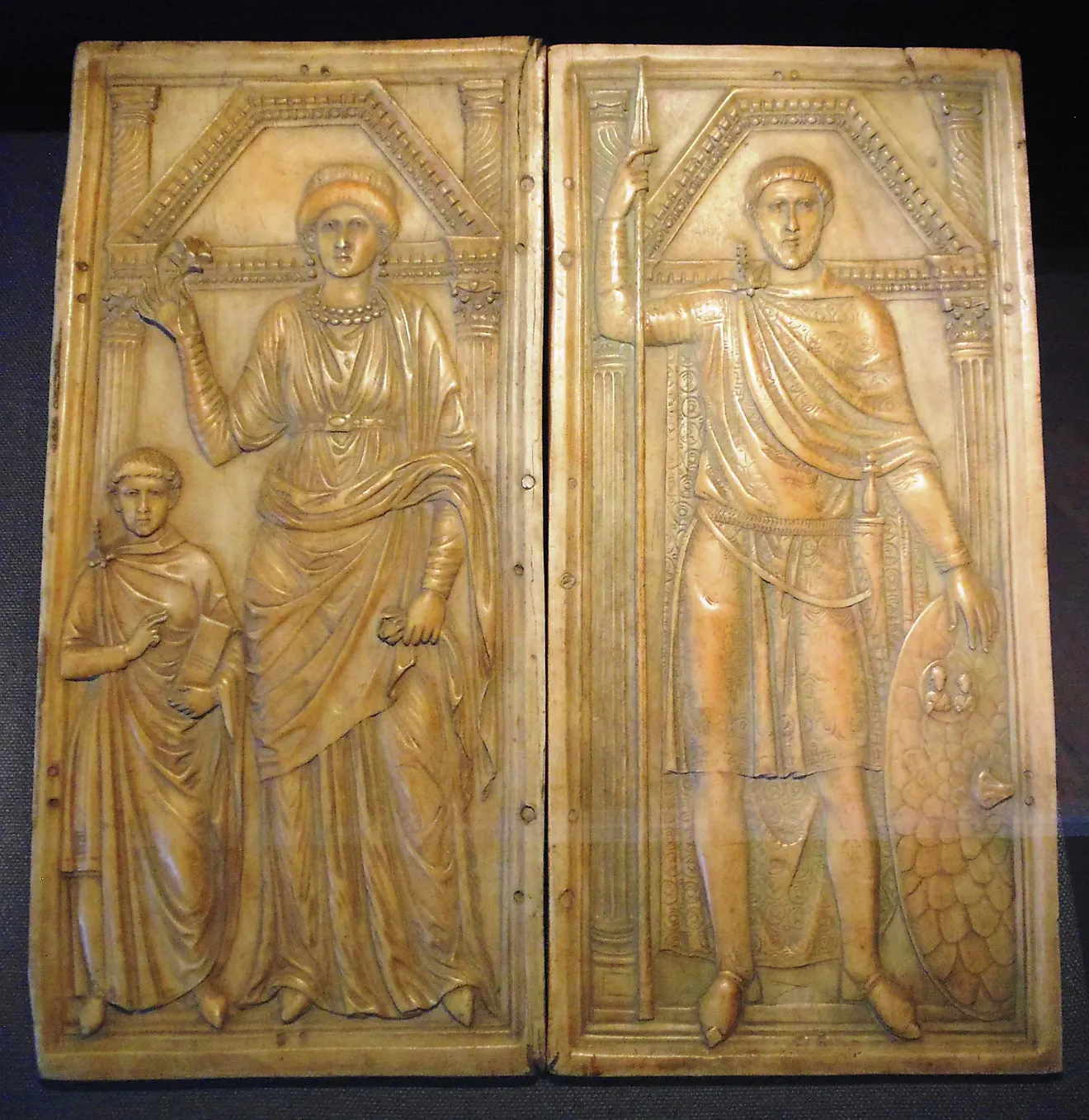
Emperor Diocletian’s reign (284 to 305 AD) brought an end to the fighting. Recognizing that size was the root of many of the empire’s problems, he split it administratively into east and west. Each half was now ruled by two emperors, a senior one called an Augusti and a junior one called a Caesar. While this exact system didn’t last, the shift away from Rome’s traditional power base in Italy continued when Emperor Constantine changed the capital to Constantinople in 330 AD. Rome then permanently split into an Eastern and Western Empire following the death of Emperor Theodosius in 395 CE.
Rome Falls

Even though this split was necessary for Rome’s longterm survival, it arguably sealed the Western Empire’s fate. Without support from the east, economic problems like inflation and high taxation became even more crippling, and barbarian invasions became even more disastrous. This was exemplified in 410 AD, when the Visigoths sacked the city of Rome. This event caused irreparable damage to the empire’s reputation, as it demonstrated that it was no longer invincible. Ultimately, the Western Roman Empire fell in 476 AD when the Germanic leader Odoacer deposed Emperor Romulus Augustulus.
Rome Survives

As the Western Empire struggled and collapsed, the Eastern Roman Empire thrived. Agriculturally rich regions, like Egypt and the Levant, paired with more easily defensible borders, ensured that it stayed a major world power for the next thousand years. Even though we know it today as the Byzantine Empire, people living in it at the time thought of themselves as Romans. This is not to say that there weren’t differences between the two. Whereas the Classical Roman Empire was predominantly pagan (until 312 AD), the Byzantine Empire was Christian. The Byzantine Empire’s power base was also in Anatolia, while the Roman Empire controlled the entire Mediterranean. Finally, Byzantine culture was more focused on religious and philosophical pursuits, contrasting with Rome’s militarism.
Eventually, the Byzantine Empire began to decline. Centuries of wars exhausted it economically and militarily, and catastrophic events like the Sack of Constantinople in 1204 AD permanently weakened its government. Ultimately, it fell in 1453 AD when the Ottomans took Constantinople.