The World's 7 Most Remarkable Ancient Civilizations
Before identifying the 7 Greatest Ancient Civilizations, it helps to clarify what the word civilization actually means. A civilization is not a single country or political state. Instead, it refers to a broad cultural system shared across multiple societies, often connected by language, beliefs, technologies, and ways of organizing life.
A modern example is Western civilization, which includes countries such as the United States, Canada, and much of Europe. These regions are politically independent, yet they share cultural roots in Greco-Roman thought, Christianity, scientific inquiry, and legal traditions. This distinguishes a civilization from an empire, which unites territories under a single government, often through conquest.
Ancient civilizations operated similarly, not by map borders but through shared ideas, technologies, and social structures that influenced vast regions for centuries. Considering this, the civilizations listed below are among the most impactful and lasting in human history.
Sumerian Civilization (4500 - 1900 BC)

Among the most remarkable civilizations in human history, the Sumerian civilization stands as the earliest known society to develop true urban life. Emerging in Mesopotamia, in what is now southern Iraq, the Sumerians benefited from fertile land along the Tigris River and Euphrates River, allowing them to move beyond hunting and gathering and build permanent agricultural settlements.
By approximately 3500 BCE, the Sumerians established some of the earliest cities, such as Ur, which served as a key religious and commercial hub. These cities included temples, administrative structures, and initial governance methods that influenced subsequent civilizations.
Sumer’s influence spread through its innovations. The Sumerians created cuneiform writing, among the earliest writing systems, which supported record keeping, law, literature, and education. They also contributed significantly to mathematics, timekeeping, architecture, and organized religion. Although later belief systems developed on their own, many core ideas about cities, governance, and written knowledge originate from Sumer.
As the first civilization to organize society on a large scale, Sumer helped define what civilization itself would become.
Indus Valley Civilization (3300 - 1300 BC)

The Indus Valley Civilization was one of the world’s earliest and most advanced Bronze Age societies. Its roots trace back to early farming communities as early as 7000 BCE, and the civilization reached its height between roughly 2600 and 1900 BCE. It developed across the Indus Valley, spanning parts of modern-day India and Pakistan.
The Indus Valley Civilization is renowned for its meticulously planned cities featuring grid layouts, uniform brick buildings, and advanced water and drainage systems for its time. Many homes were equipped with private wells and indoor plumbing, a feat that remained unmatched by numerous civilizations that came after.
The civilization also used a written script, commonly called the Indus script, which remains undeciphered. Because of this, much about Indus religion, governance, and social structure is still unknown, making it one of the most intriguing ancient civilizations ever discovered.
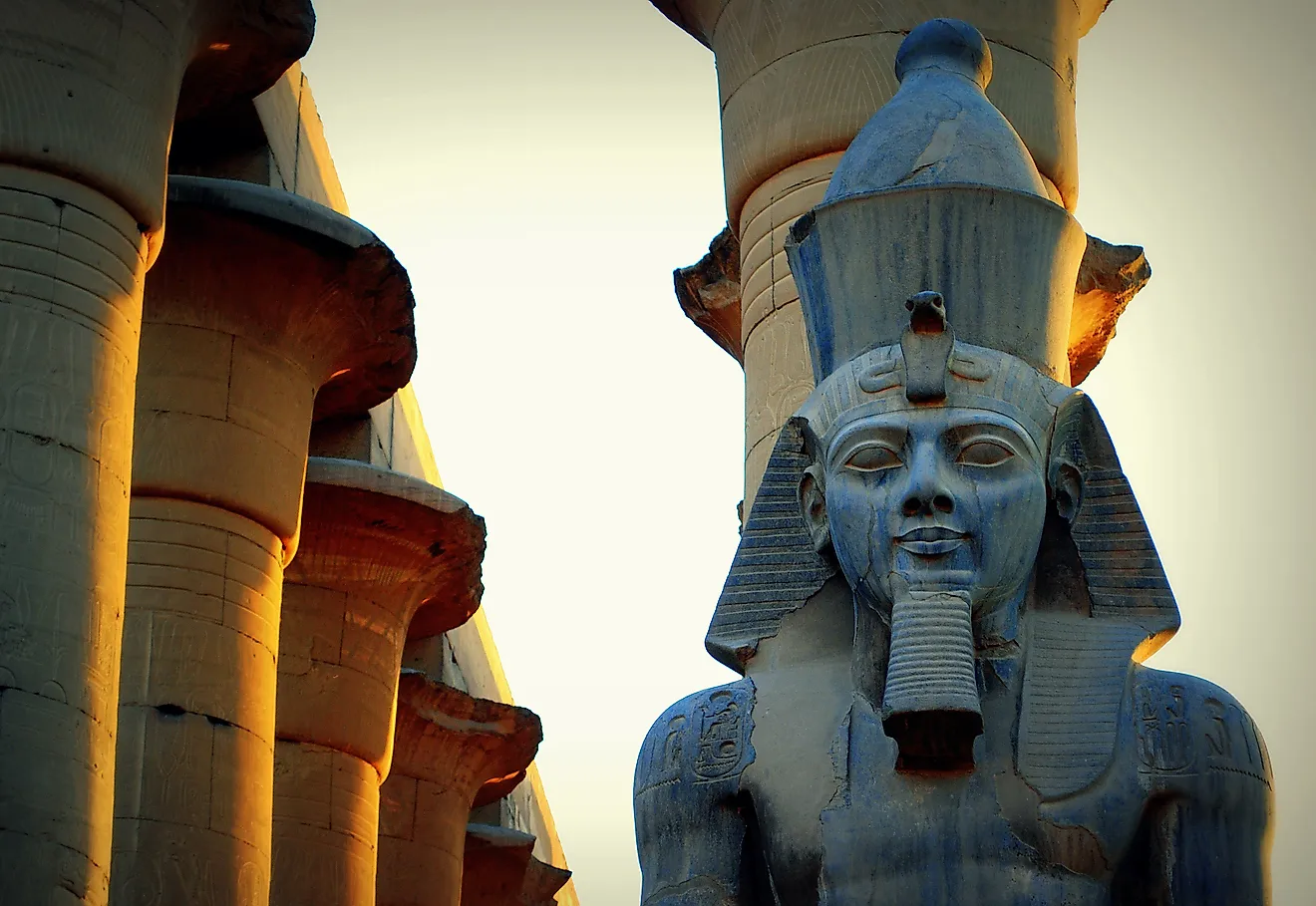
The Egyptian Civilization (3100 - 30 BC)

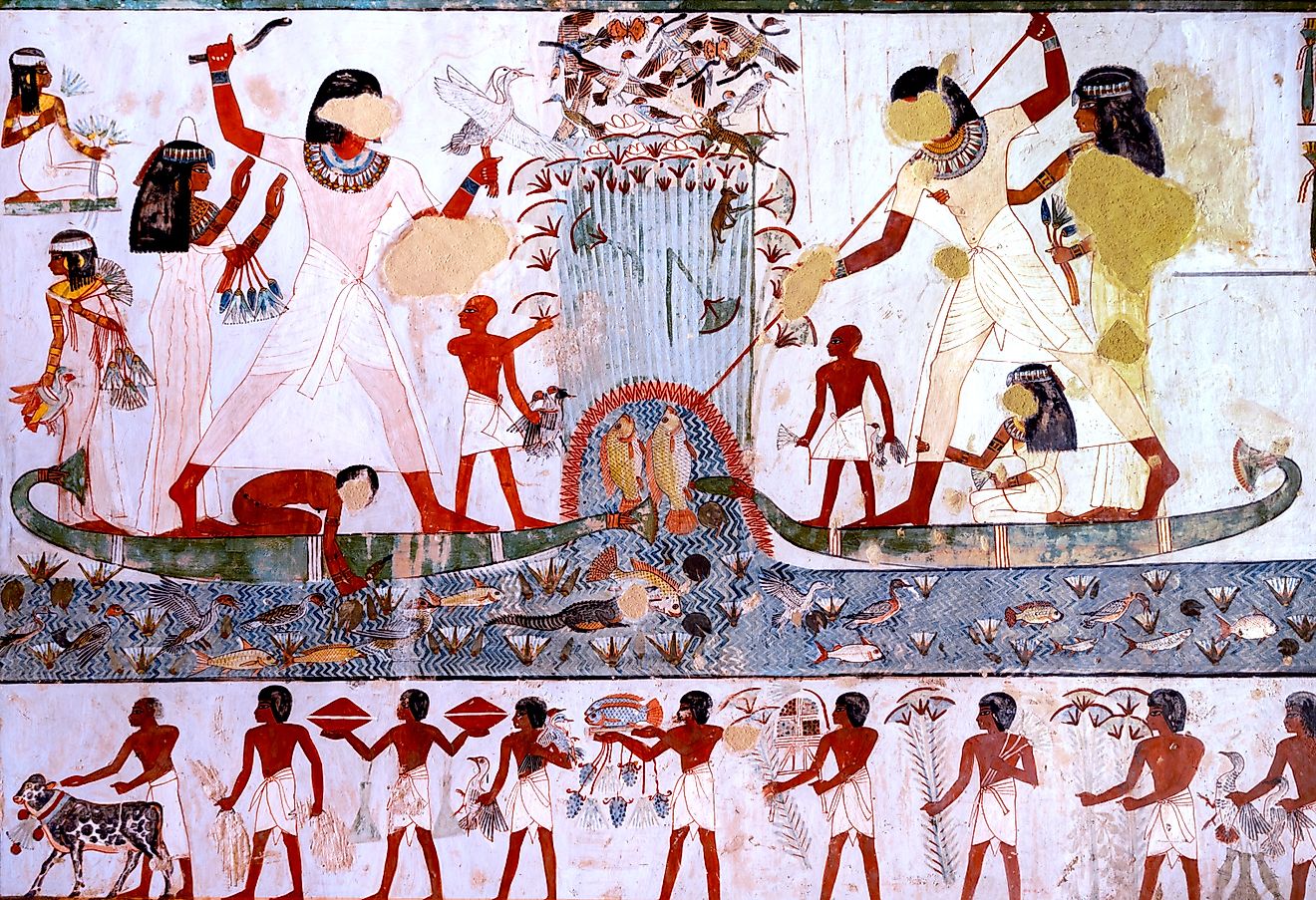
It is impossible to discuss the world’s great ancient civilizations without recognizing Ancient Egypt. Like Sumer, Egypt’s success was closely tied to a river, the Nile. Beginning around 6000 BCE, early settlers learned to rely on the Nile’s predictable annual floods, which deposited fertile soil and supported stable agriculture along its banks.
Over thousands of years, these farming communities evolved into a centralized civilization renowned for its longevity, stability, and innovation. The ancient Egyptians developed a complex hieroglyphic writing system, advanced mathematics and astronomy, and built monumental structures, most notably the Pyramids of Giza.
Egypt also made significant contributions to medicine. Surviving medical texts reveal knowledge of anatomy, wound treatment, dentistry, and surgical procedures, making Egyptian medicine among the most advanced in the ancient world. Together, these achievements helped Egypt endure for more than three millennia as one of history’s most influential civilizations.
Ancient and Early Imperial China (2070 BC-AD 220)

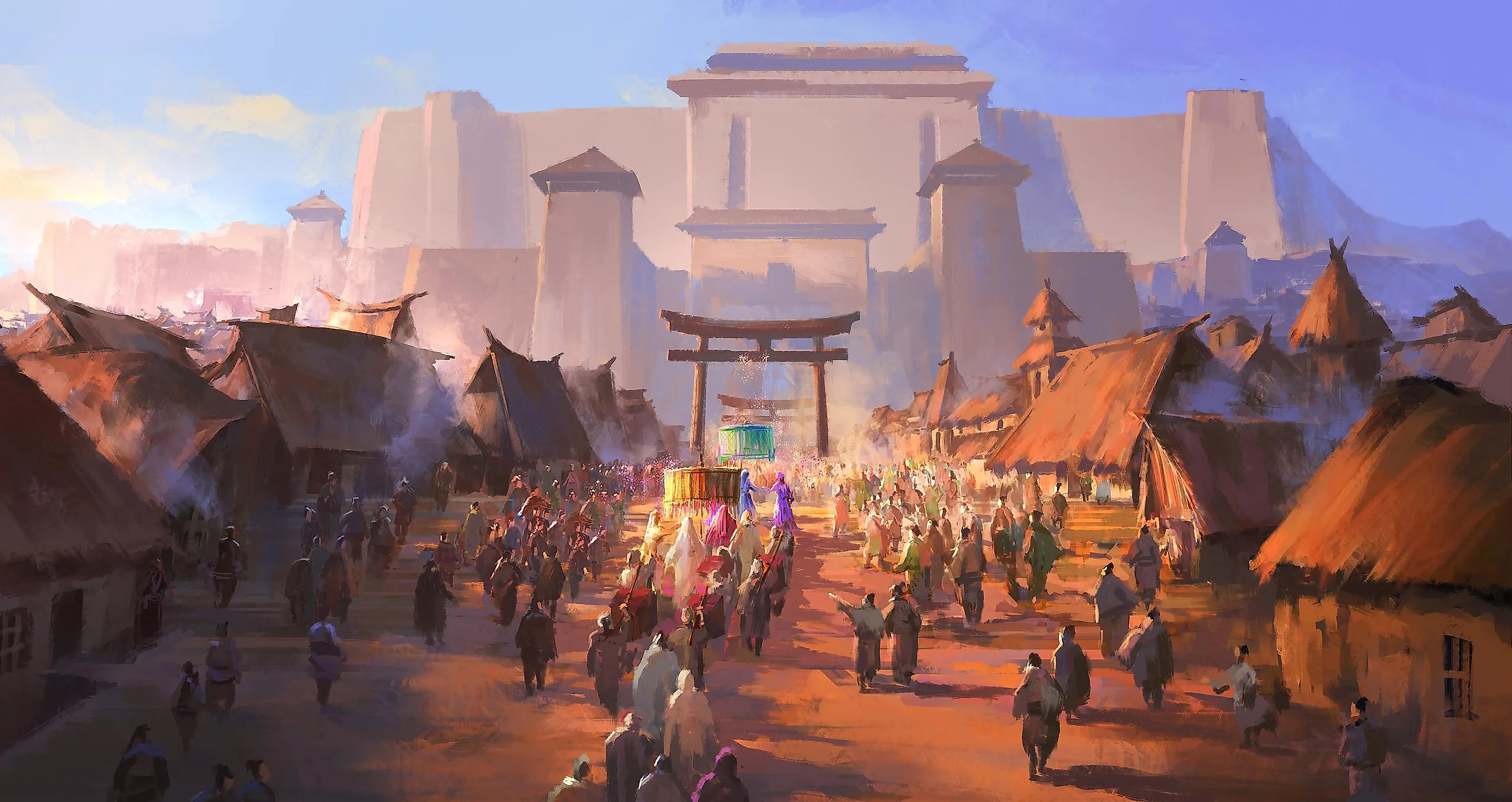
The Ancient Chinese civilization developed along the fertile banks of the Yellow River, where farming communities began settling around 5000 BCE. These early agricultural societies formed the backbone of one of the world’s longest-lasting civilizations.
Ancient China created innovations that still impact the modern world. The Chinese pioneered silk production, a breakthrough that facilitated long-distance trade across Asia. They also introduced significant inventions like the compass, acupuncture, and extensive herbal medicine practices.
China’s legacy is perhaps most visible in the Great Wall of China, a massive defensive system constructed over centuries and still recognized as one of the world’s great architectural achievements.
Ancient Maya Civilization (1000 BC-AD 1520)

Roughly 9,000 years ago, Indigenous peoples in parts of modern-day Mexico and Central America began cultivating maize, along with beans and squash. These early agricultural practices supported permanent settlements, laying the groundwork for later complex societies. The Ancient Maya civilization itself emerged much later, beginning around 2000 BCE.
The Maya are best known for their advanced understanding of astronomy. They carefully observed the Sun, Moon, and planets, building specialized structures and observatories to track celestial cycles. This knowledge enabled them to create highly accurate calendars for ritual, agriculture, and governance.
Maya calendrical systems later entered popular culture through their misinterpretation in modern media, including the 2012 film 2012. In reality, the Maya calendar reflected cyclical timekeeping rather than predictions of an apocalypse, underscoring the civilization’s sophisticated view of the cosmos.
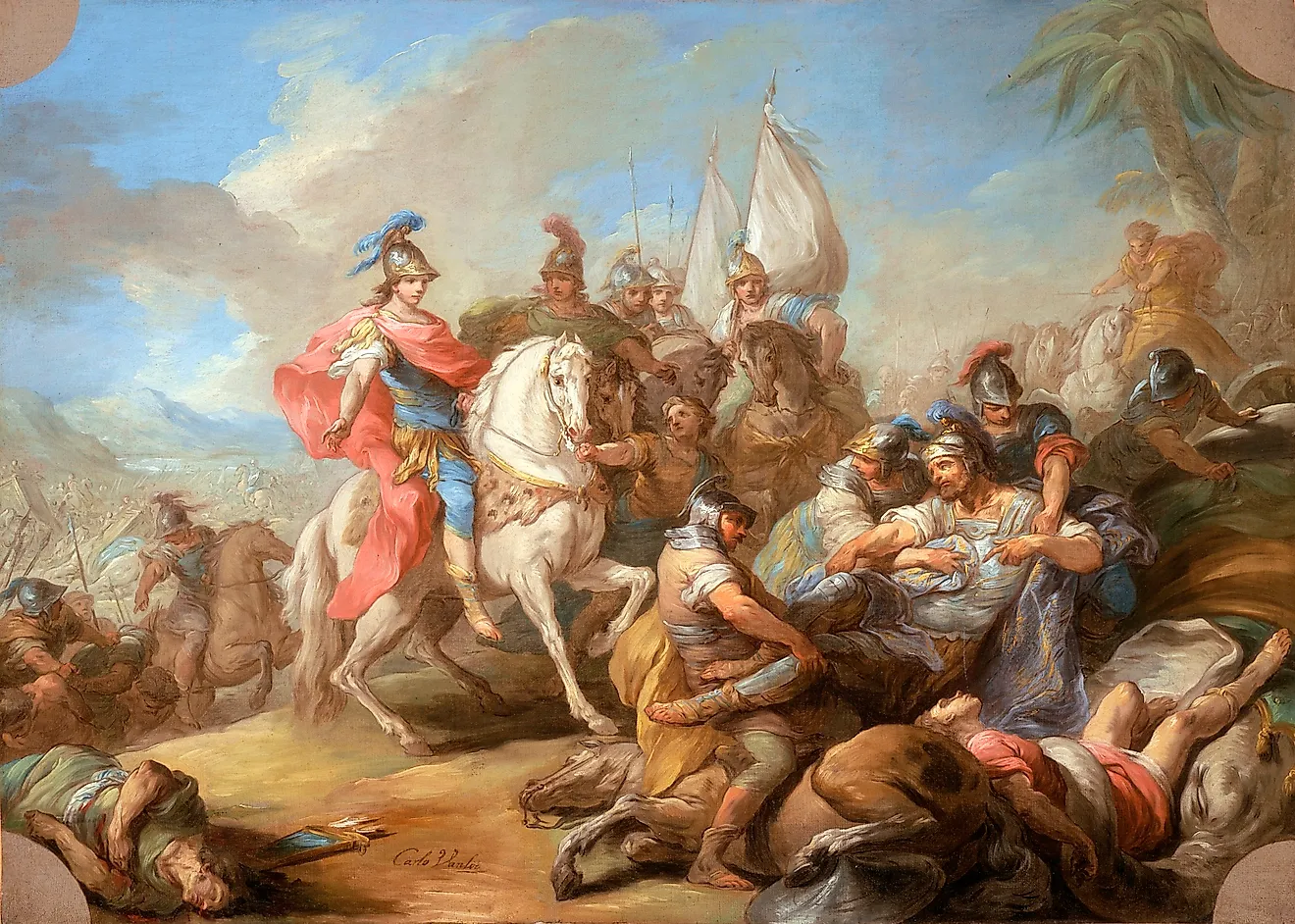
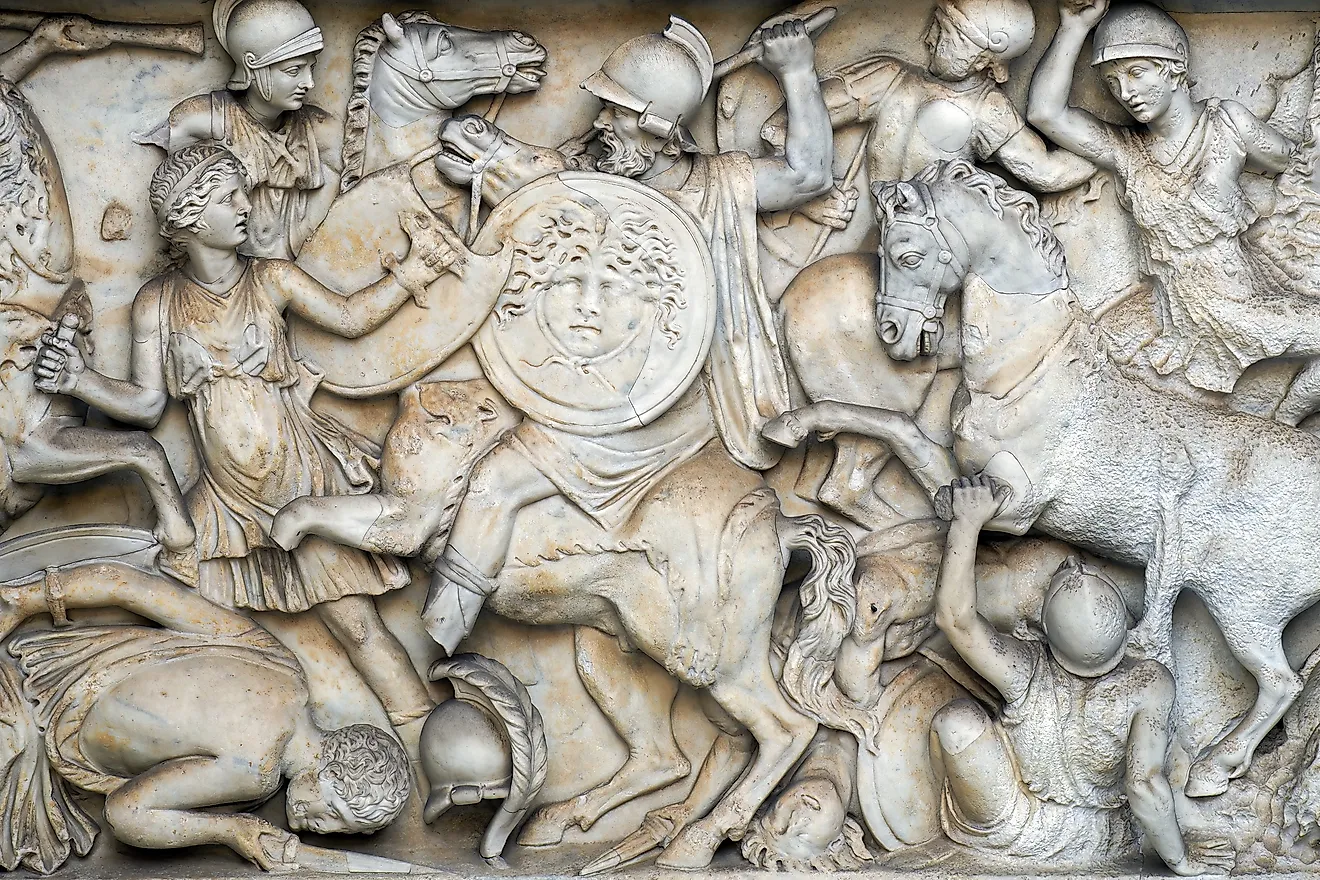
The Ancient Greek Civilization (1100 BC-AD 140)

Few civilizations have influenced modern Western society as deeply as the Ancient Greek civilization. Early farming communities began to settle along the Aegean coast around 7000 BCE, with agriculture supporting the gradual rise of complex societies that would later define Greek civilization.
Ancient Greece made lasting contributions to literature, philosophy, science, and governance. Poets such as Homer and Hesiod helped shape early Western literary traditions, while philosophers such as Socrates, Plato, and Aristotle laid the foundations of Western philosophy.
Greek thinkers made significant contributions to mathematics, medicine, astronomy, and political theory, laying the groundwork for ideas that still shape modern education, science, and democracy. These accomplishments firmly establish Ancient Greece as one of the most influential civilizations in history.
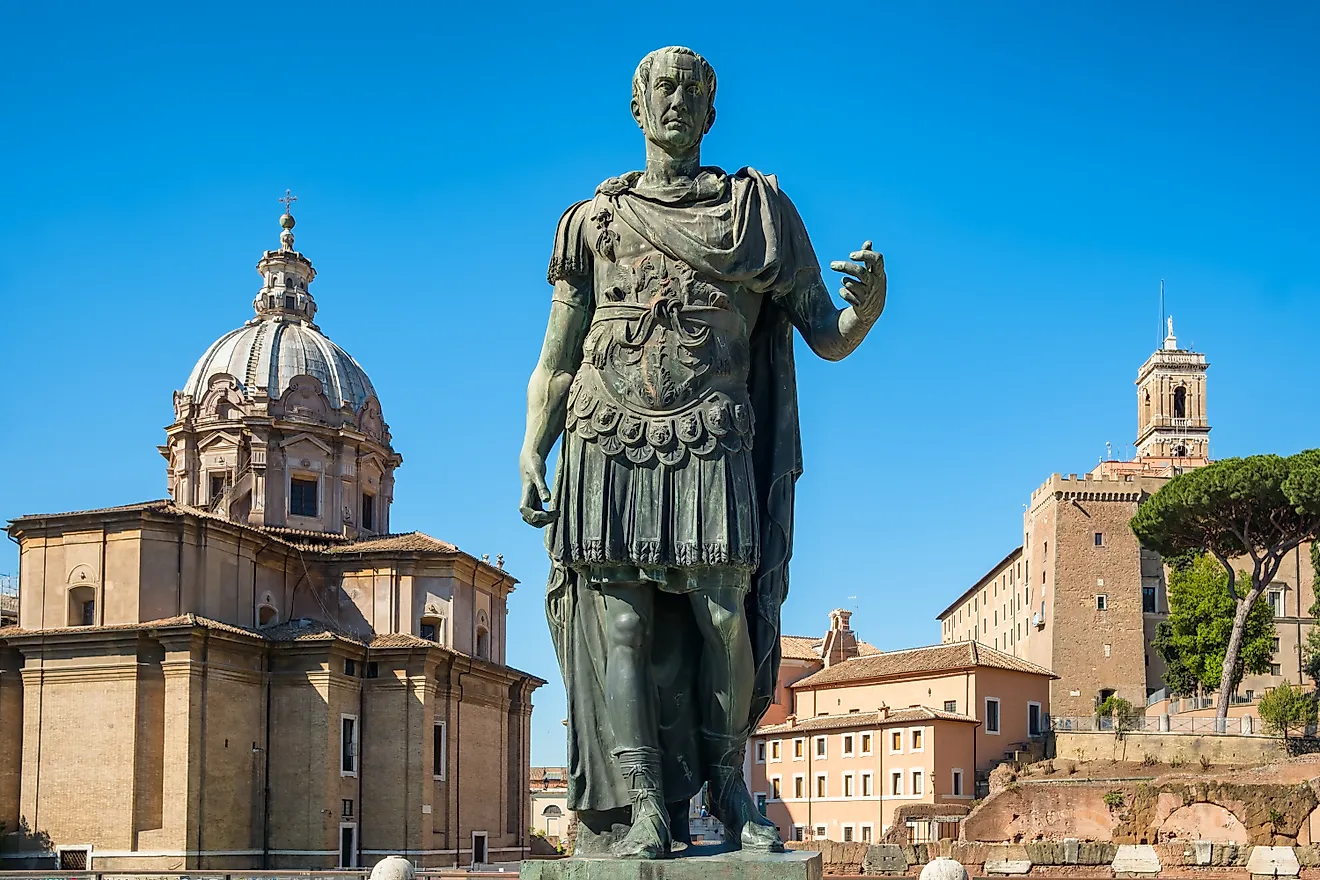
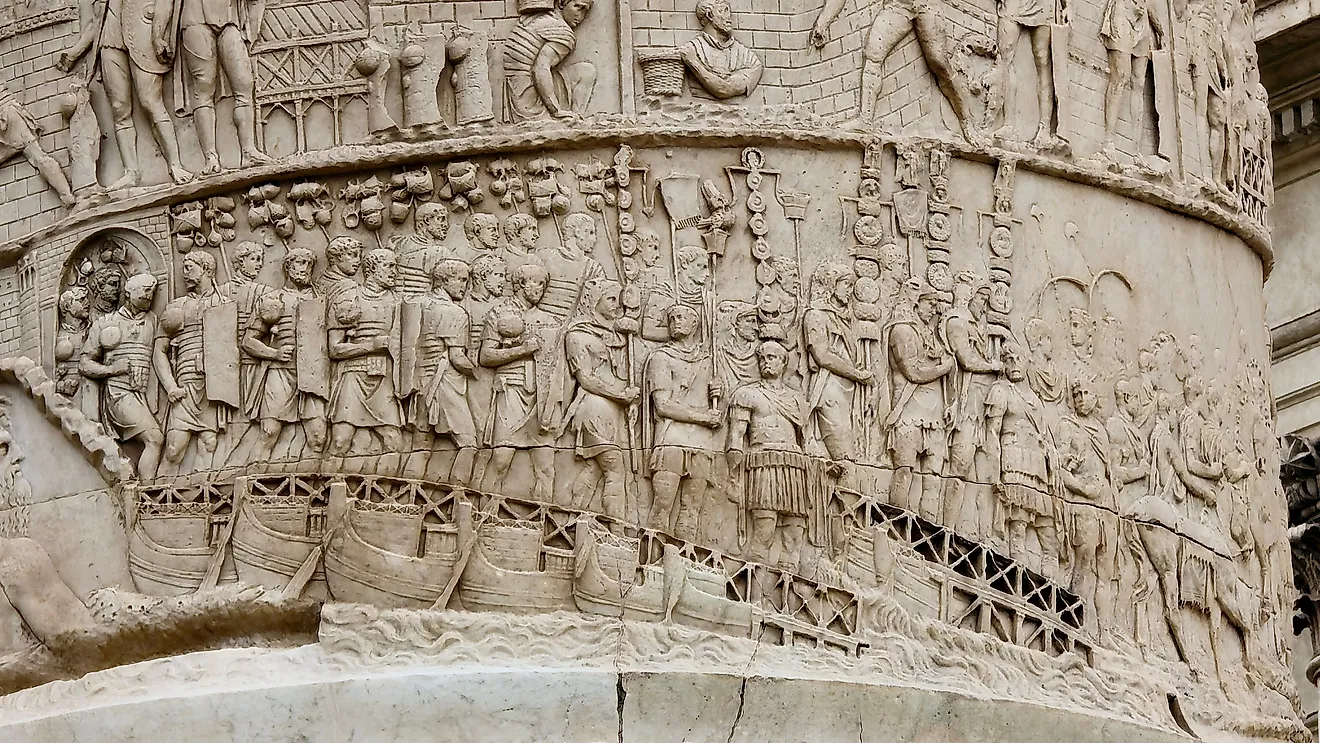
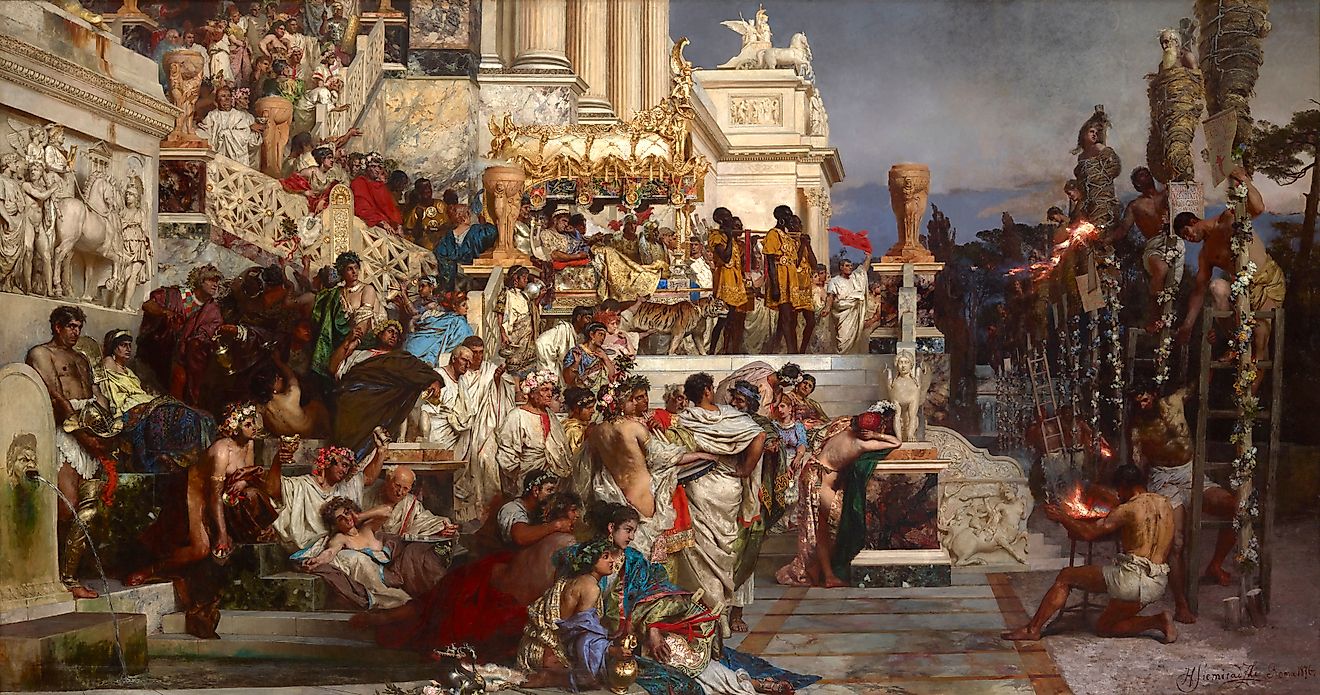
The Ancient Roman Civilization (750 BC-AD 470)

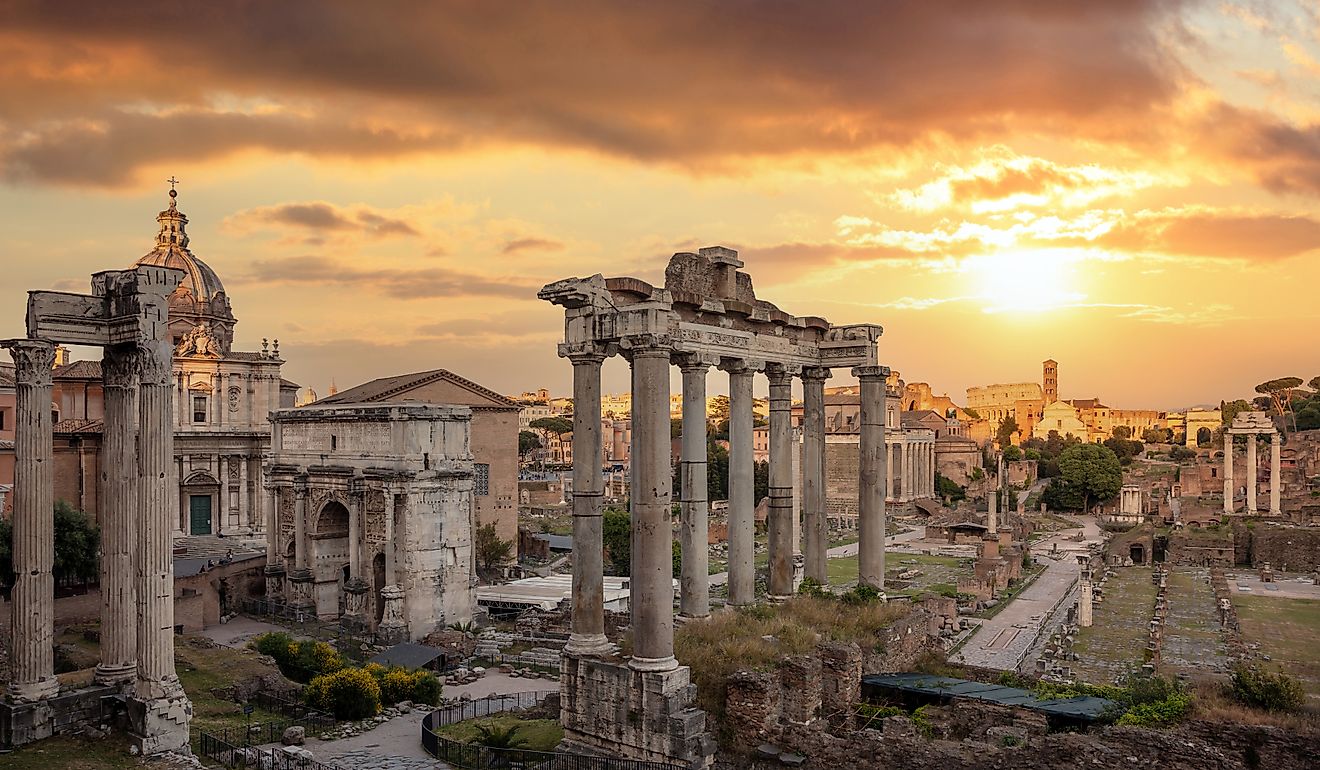
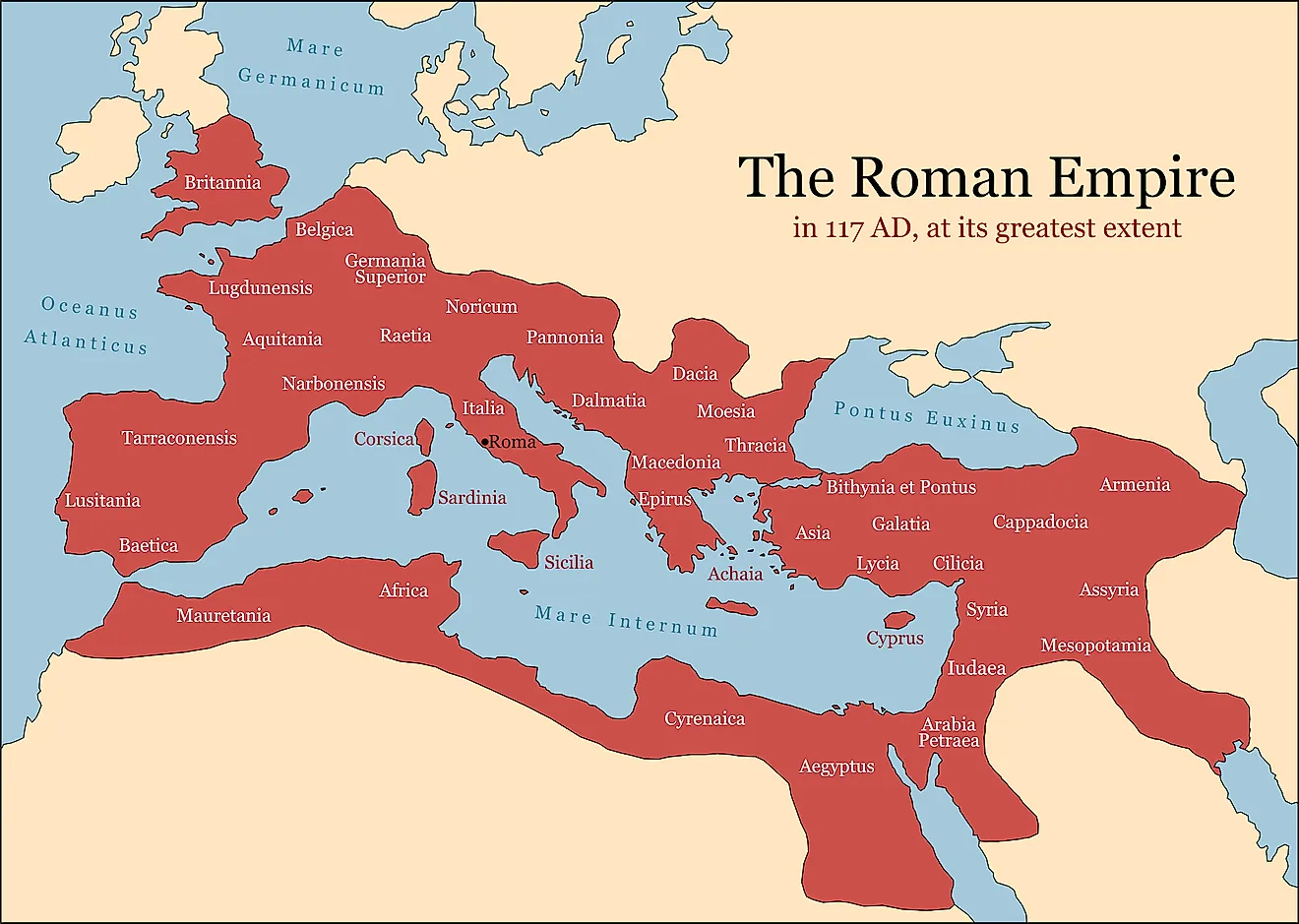
The Ancient Roman civilization began as a small settlement on the Italian Peninsula before growing into one of the most powerful empires in history. Roman legend traces the city’s founding to Romulus and Remus, descendants of the Trojan hero Aeneas, who was said to have fled the fall of Troy.
Rome’s greatest strength lay in its capacity to adapt and enhance existing innovations. Although Romans did not invent roads, aqueducts, arches, or concrete, they advanced these technologies and implemented them on an unmatched scale. Their engineering feats linked huge regions and bolstered cities throughout Europe, North Africa, and the Middle East.
As Rome expanded, it absorbed the cultures, religions, and knowledge of conquered peoples, integrating them into a shared imperial system. This openness helped Roman law, infrastructure, and governance shape much of the Western world long after the empire's decline.
The world we live in was not created in isolation. It was built gradually through the ideas, experiments, and achievements of early civilizations that learned how to organize society at scale. By studying the world’s greatest civilizations, we gain a clearer understanding of how human knowledge developed and why so many modern institutions still trace their origins to the ancient past.