How the Romans Supplied a City of a Million People
At its height, the city of Rome held around a million people, a number no European city would reach again for more than a thousand years. Keeping them all fed and watered was not luck. It took one of the most sophisticated logistical networks of the ancient world, built by the same empire that won its territory on the battlefield. Through roads and trade routes that reached from Asia to the British Isles, resources flowed back to Rome, where an administrative system controlled how they were taxed, stored, and distributed to the people who depended on them.
Administration

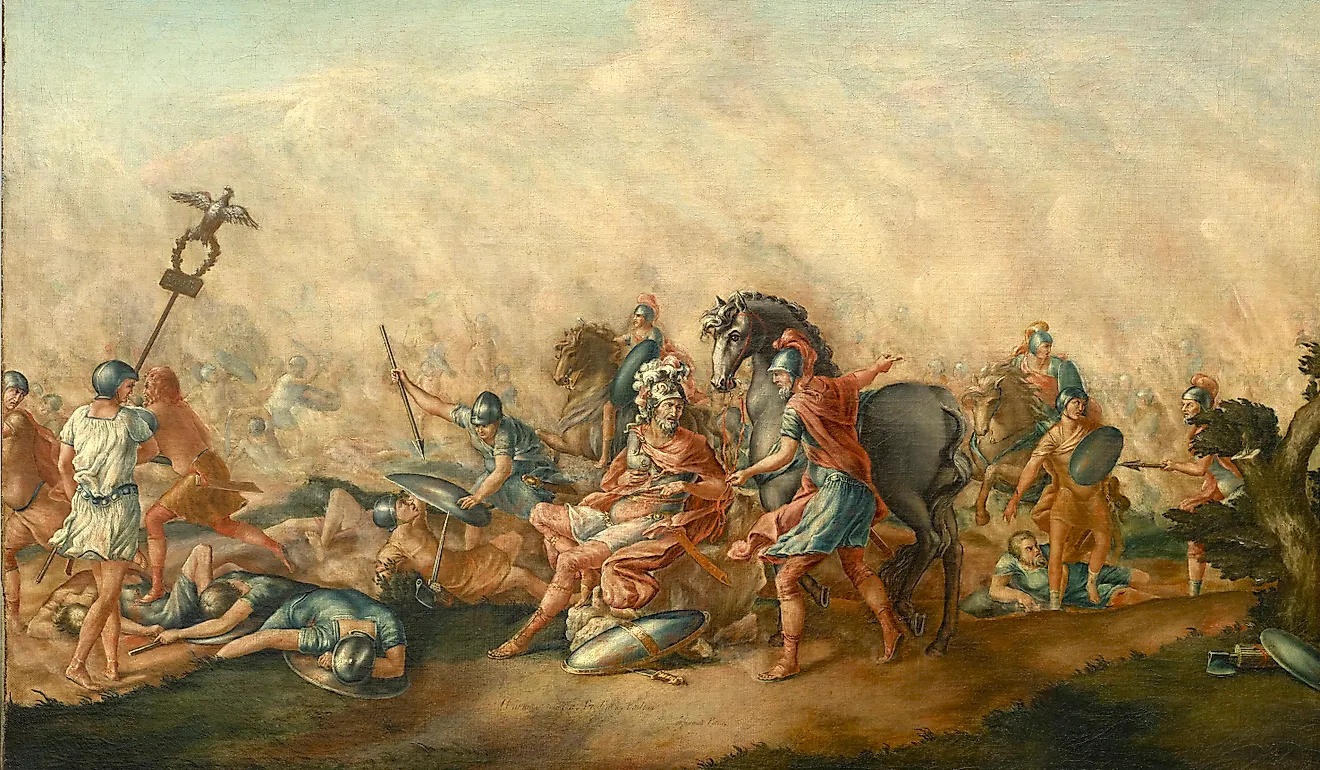
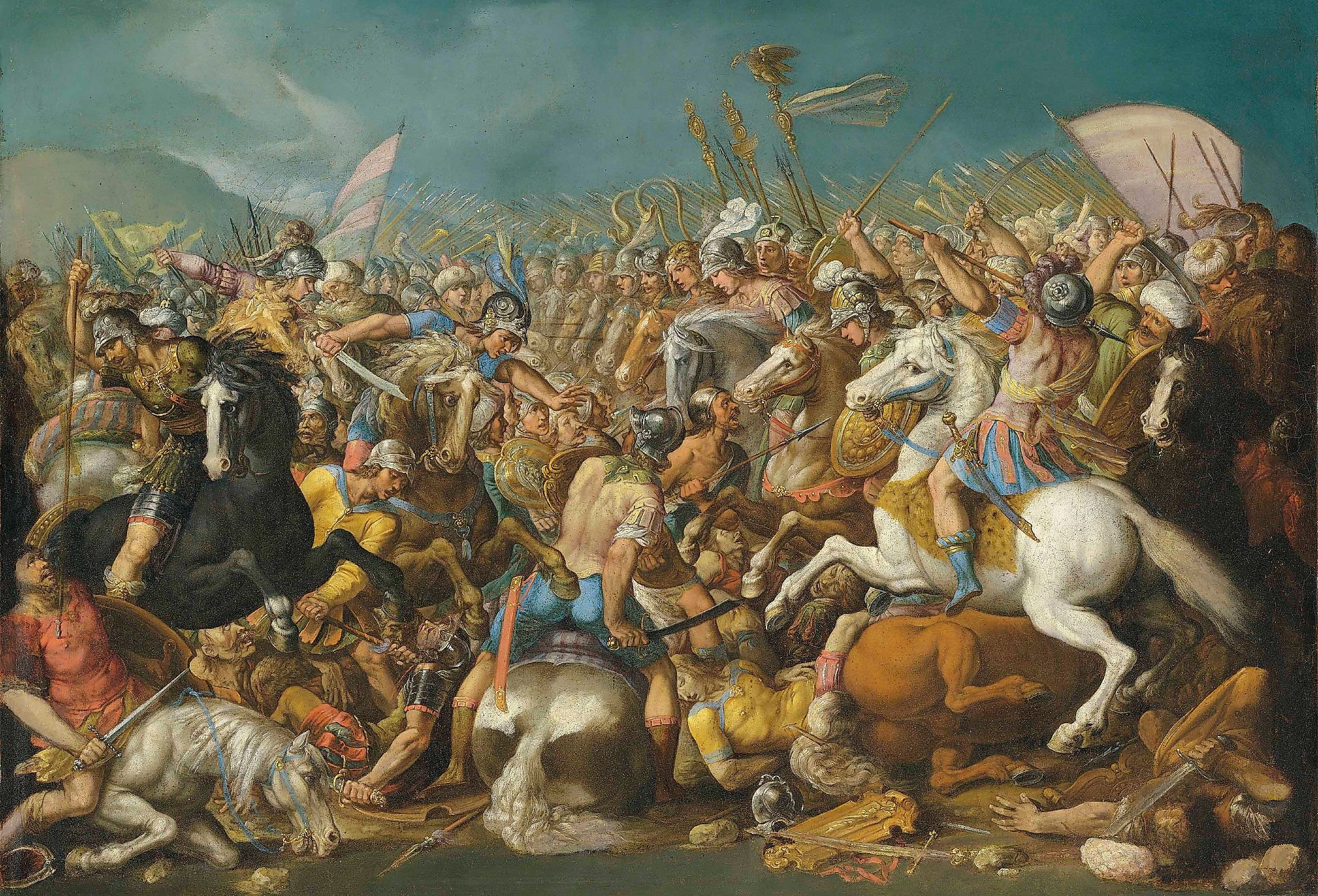
The first thing that allowed Rome to flourish to the point of sustaining such a large population is its ability to administer such a large swath of land. As the city that would become an empire expanded in the 3rd century BCE during the Punic Wars, the need to keep the disparate parts in line with the metropolis became apparent. Indeed, one of the main jobs of the legions as they marched across the landscape was to build roads into the newly conquered areas, which would make communication with them that much easier. There were no local country lanes, either. Arguably the greatest of these thoroughfares in the western provinces was the Via Augusta, which ran roughly 930 miles down the Iberian coast and, at the Pyrenees, linked up with the road network that carried on toward Italy. It meant that resource-bearing carts and horses did not need to worry about being bogged on muddy paths through the woods. Having such a system meant they could move perhaps the most crucial commodity for sustaining the imperial capital: grain.
Creating these roads was not a haphazard process, but one that required significant bureaucratic organization. These vital supplies could make or break whether the republic or later emperors were able to get them to the people. The importance of the annona grew with the empire, extending beyond regions where transporting foodstuffs by road to Rome was impractical. As such, with Rome exercising control over the entire Mediterranean basin by the 1st century CE, shipping became of primary importance. This led the government to commission the construction of Portus, which would supplant Ostia as the city's primary port for maritime trade.
Storage

While the Roman government was successful in regulating the flow of resources needed to sustain Rome's population by sea and land, what was done with them once they arrived was another matter. To address what to do with the quantity of goods arriving at the capital, a system of warehouses was established to not only keep them but also distribute them properly. Through riverboats that moved up and down the Tiber from Ostia and Portus to Rome, ingredients for making bread and other daily staples were efficiently monitored by officials. This applied to other commodities as well, with the warehouses facilitating a market system that thrived under these conditions. Among the more important of these were oil and wine.
Though olive trees and grapes can be found throughout the Mediterranean world, many were imported and exported across the empire. Workers and magistrates worked together to make an economic engine function to the benefit of everyone involved. Having a stable currency provided the backbone of the system, which was aided by a highly active banking system that could accept deposits, issue loans, and exchange currency across the ancient Western world. We know about these things from Monte Testaccio, a giant garbage mound found in Rome made almost entirely of broken storage jars, called amphorae, that once held all manner of items. The fragments found there underscore the expansive nature of Rome's trade and how good they were at managing it.
Aqueducts

As discussed above, liquids such as oil and wine were essential to the Romans, but it would be incorrect to dismiss the importance of water. Indeed, some of the most enduring edifices to Rome's dominance of the ancient Mediterranean world can be found in the structures they built to bring water to their citizens: the aqueduct. Several can still be found in the places the Romans conquered, but the first was Aqua Appia, begun in 312 BCE.
The supply of this life-giving essential was crucial for several reasons. Not only was this water sustaining the population, but the area was also receiving enough of it, providing an opportunity for Rome to thrive. Getting water to public bathhouses meant that sanitary conditions in the city improved. This went hand in hand with a well-functioning sewage system, arguably even by modern standards, that kept filth from building up, which could breed disease. This meant multi-story apartment buildings, small by today's standards but significant at the time, could be built. These apartments had plumbing that could go to the uppermost reaches.

The aqueducts also supplied the water needed for fountains, which were an effective way for rulers to project their power. If the government, which employed laborers to keep the pipes flowing, could maintain the movement of water, it faced less unrest at home.
Conclusion
It can be said that a government's primary function is to ensure that its people can obtain what they need to survive. Historically speaking, when this has not occurred, governments have fallen. The Romans mastered this for centuries, which is one of the reasons why they were able to keep their empire for so long. They administered a system of roads and overseas trade that coordinated the ability to obtain an abundance of resources, which meant there was seldom scarcity. Any excess resources were stored, ensuring there would be a way to regenerate the stocks that kept the system going.
Finally, the Romans built and maintained the rest of the infrastructure that provided their people with the basic necessities to flourish. Keeping a large population fed and housed is difficult at any point in history, and the Romans faced many challenges in the ancient world. The people of Rome could be finicky, and many an emperor found themselves on the wrong end of assassination if they did not do what the citizens wanted. That Rome was able to do so for so long is a testament to its ingenuity, which is studied to this day.