Debunking The Biggest Myths About Ancient History
Ancient history continues to fascinate us. This is for good reason. Societies like the Roman Empire and Ancient Greece seem so far removed from our own, yet still offer us crucial lessons. At the same time, their almost mythic importance has given rise to many myths. These range from minor falsehoods to beliefs that completely mischaracterize the nature of the ancient world. Shedding light on these myths will hopefully provide you with a more informed understanding of this historical period.
People Rarely Lived Past 30

Perhaps the most widespread falsehood about ancient history is that people rarely lived past the age of 30. While true that life expectancies were lower than they are today, these were skewed by infant mortality rates. Up to one-third of children died before they reached the age of ten. This occurred due to malnutrition, disease, and insufficient medical care. However, if they reached adulthood, people often lived into their 50s, 60s, and 70s, and sometimes even longer.

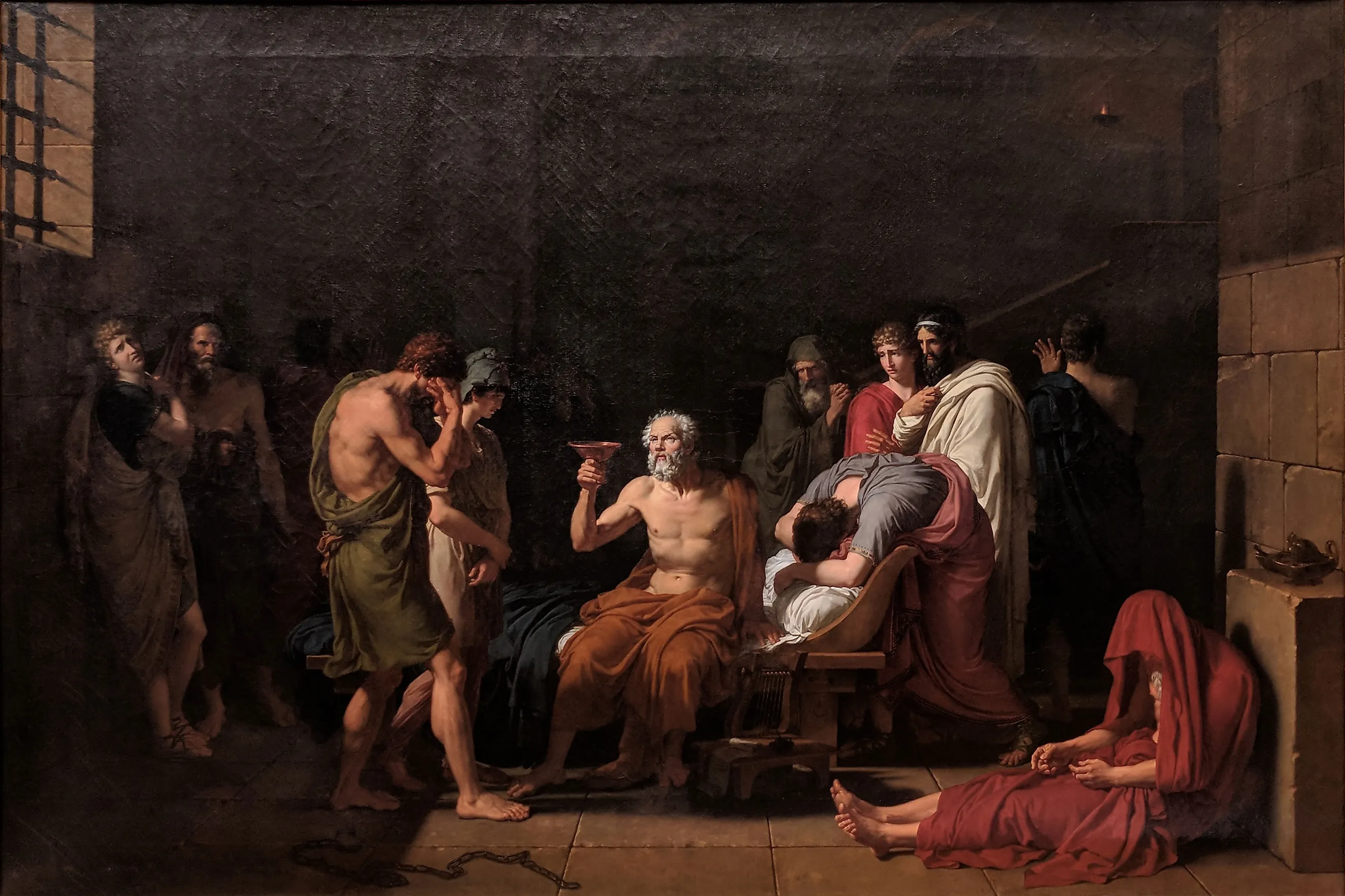
You need only look at the ages of some of the best-known figures in ancient history for proof. The philosopher Socrates lived to the age of 71. He died via suicide, rather than natural causes, indicating that he could have lived even longer. Roman dictator Julius Caesar also lived to 55. He was assassinated, meaning that he too likely could have had a much longer life. Finally, Rome’s first emperor, Augustus, died at the age of 75. While these examples are anecdotal, a cursory glance at any list of major ancient figures reveals that many lived well past 30.
Slaves Built The Pyramids

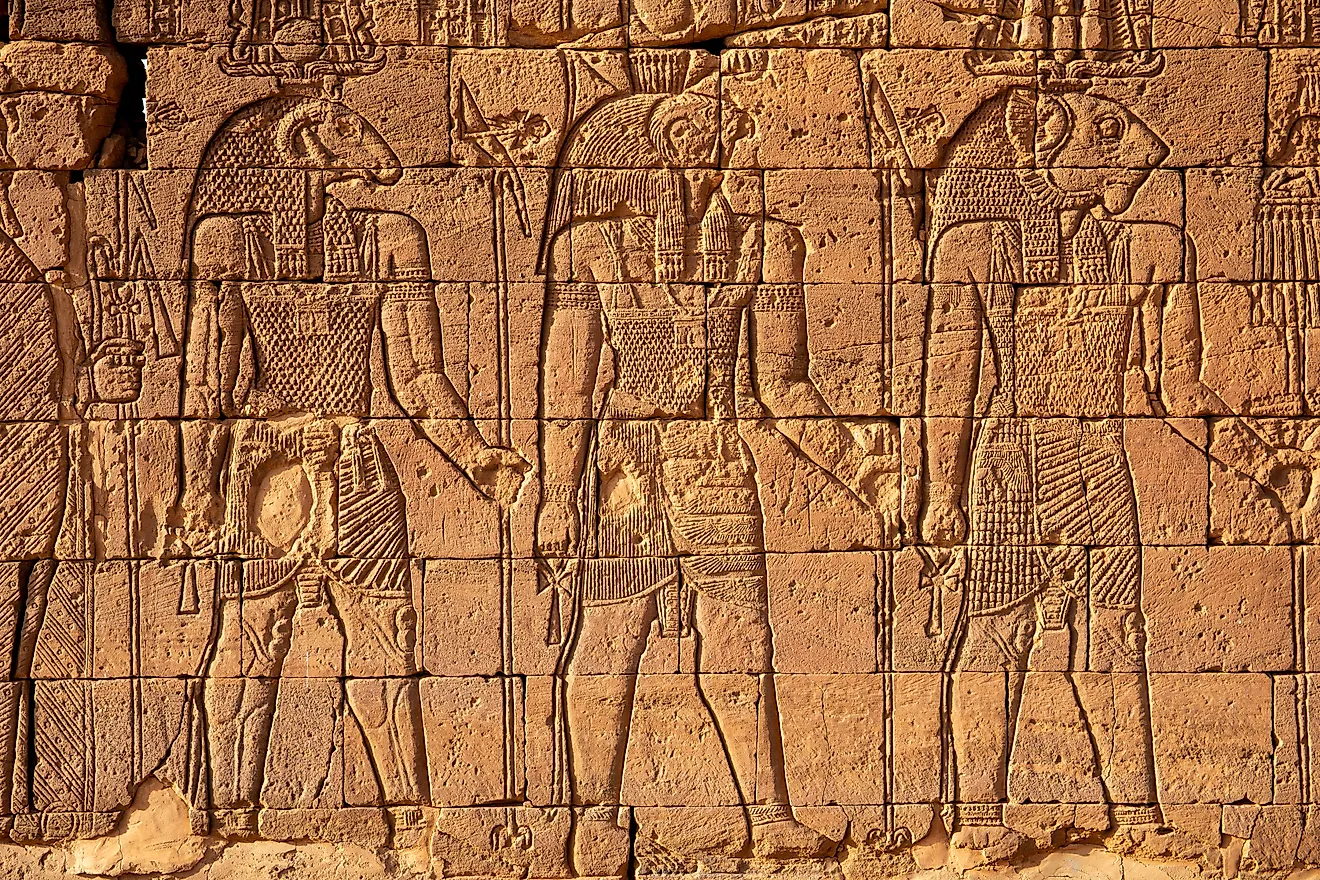
The Egyptian pyramids continue to inspire awe and wonder. We can’t fathom how such large structures were created by people nearly 5,000 years ago. To make sense of them, many believe that the pyramids were built by slaves. This belief is not backed up by evidence. Excavations near the pyramids have uncovered villages, bakeries, breweries, medical facilities, and even cemeteries. This suggests the former presence of people who were housed, fed, and treated for injuries. In other words, paid laborers and skilled craftsmen constructed the pyramids, rather than slaves. Slavery did exist in Ancient Egypt, but it was generally different from the chattel slavery practiced in the Americas during the Transatlantic Slave Trade.
Ancient Greece Was A Democracy

People often state that “Greece was the birthplace of democracy”. While not entirely untrue, the root of this partial misconception is the belief that Ancient Greece was a singular, unified country. In reality, it was a collection of over a thousand independent city-states, each with its own culture, history, and political practices. Athens was, in fact, a democracy. Free adult male citizens were allowed to directly vote on policies and laws. This contrasts with the representative democracy seen in most Western and industrialized countries today, where people elect representatives to pass laws on their behalf. Furthermore, neither women nor slaves were allowed to vote in Athens, giving it a significant democratic deficit by modern standards.

While other city-states took influence from Athenian democracy, many chose a different approach. The most famous example was Sparta. As an oligarchy, the executive was run by two hereditary kings from two different royal families. A council of 28 elders called the Gerousia then functioned as the legislative and judicial wing of government. While there were some limited popular assemblies where male citizens over the age of 30 could voice their opinions, they had little real power.
Alexander The Great Was Universally Loved

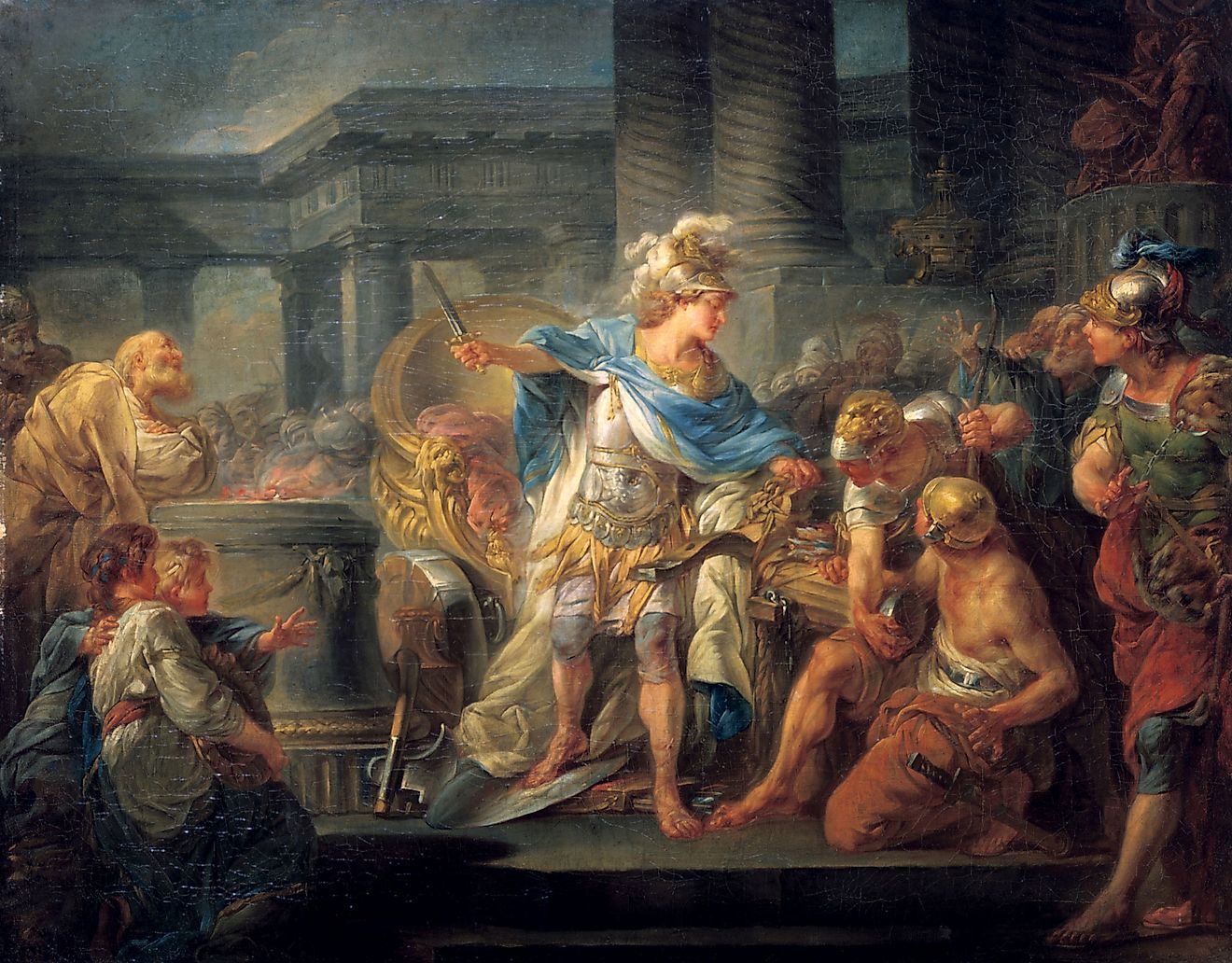
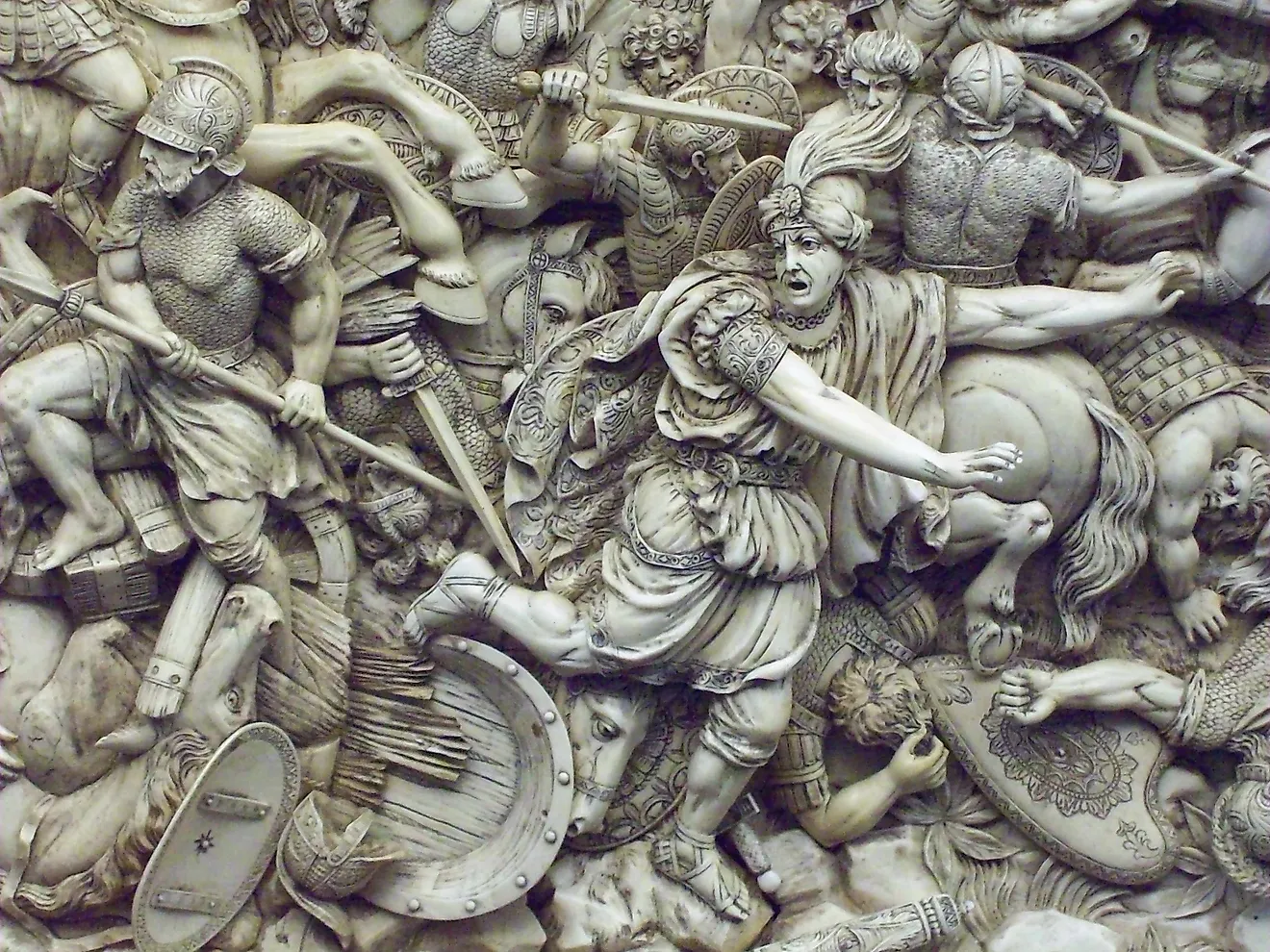
As king of Macedonia, Alexander the Great (356 to 323 BCE) built an empire that stretched from Albania to India. In doing so, he cultivated an image of a cosmopolitan and benevolent leader, one that persists to this day. Rather than trying to eliminate the cultures of the areas he conquered, Alexander merged them with his own Greek culture. He adopted elements of Persian fashion, incorporated Persian court rituals into his daily routine, and even married several Persian women. When combined with his genuine interest in history and philosophy, you could easily come away with the impression that Alexander the Great was universally loved.

The reality was much more complicated. Alexander had a violent streak that resulted in people submitting to him out of fear, rather than love. This was exemplified when he annihilated the city of Thebes in 335 BCE after it refused to stop its rebellion. Almost every building was destroyed, and thousands were killed or sold into slavery. Terrified that the same thing would happen to them, the other Greek city-states never rebelled against the Macedonian king. Alexander again displayed his brutal tendencies following the Siege of Gaza in 332 BCE. Frustrated by how long the whole affair took, he slaughtered 10,000 Gazan men and sold the women and children into slavery. He also dragged Gaza’s leader, Batis, around the city’s walls with a chariot until he died.
The Roman Empire Fell In 476 AD

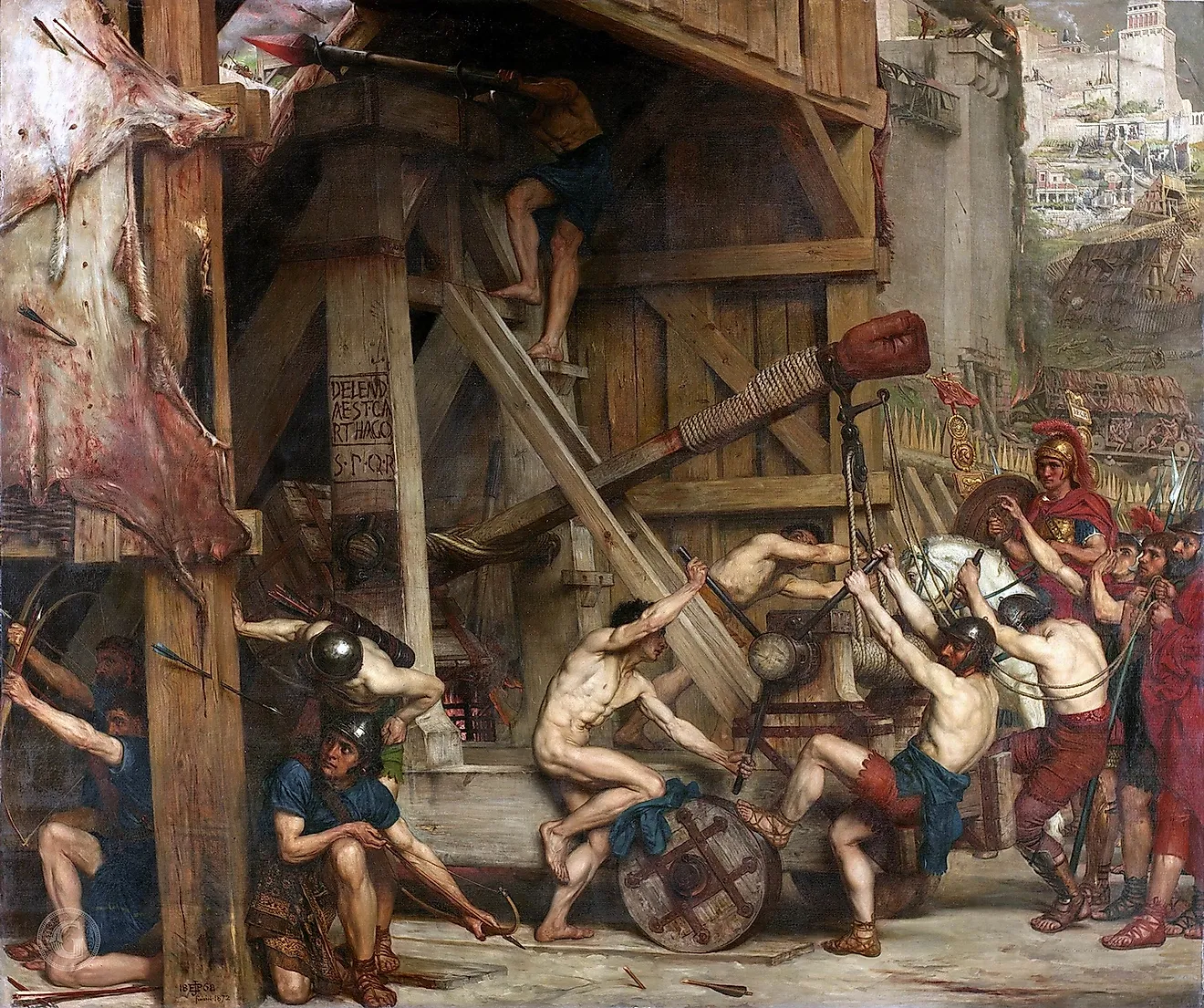
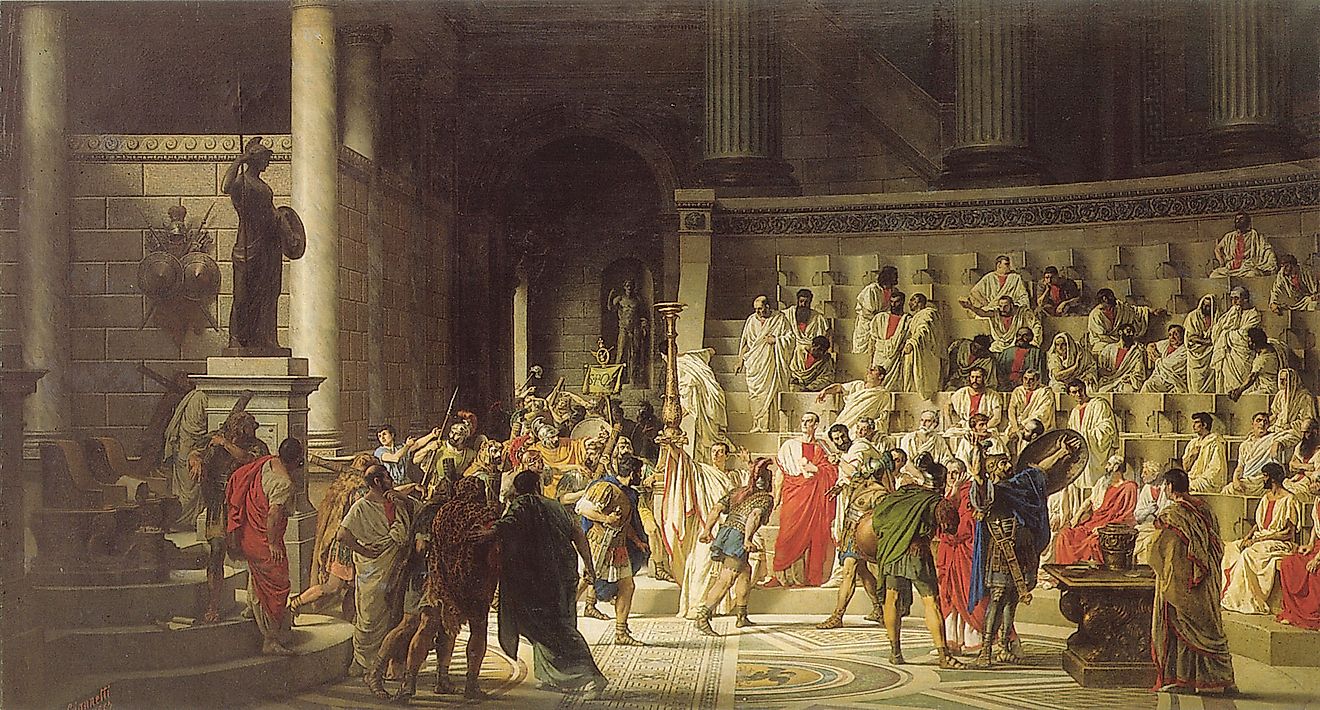
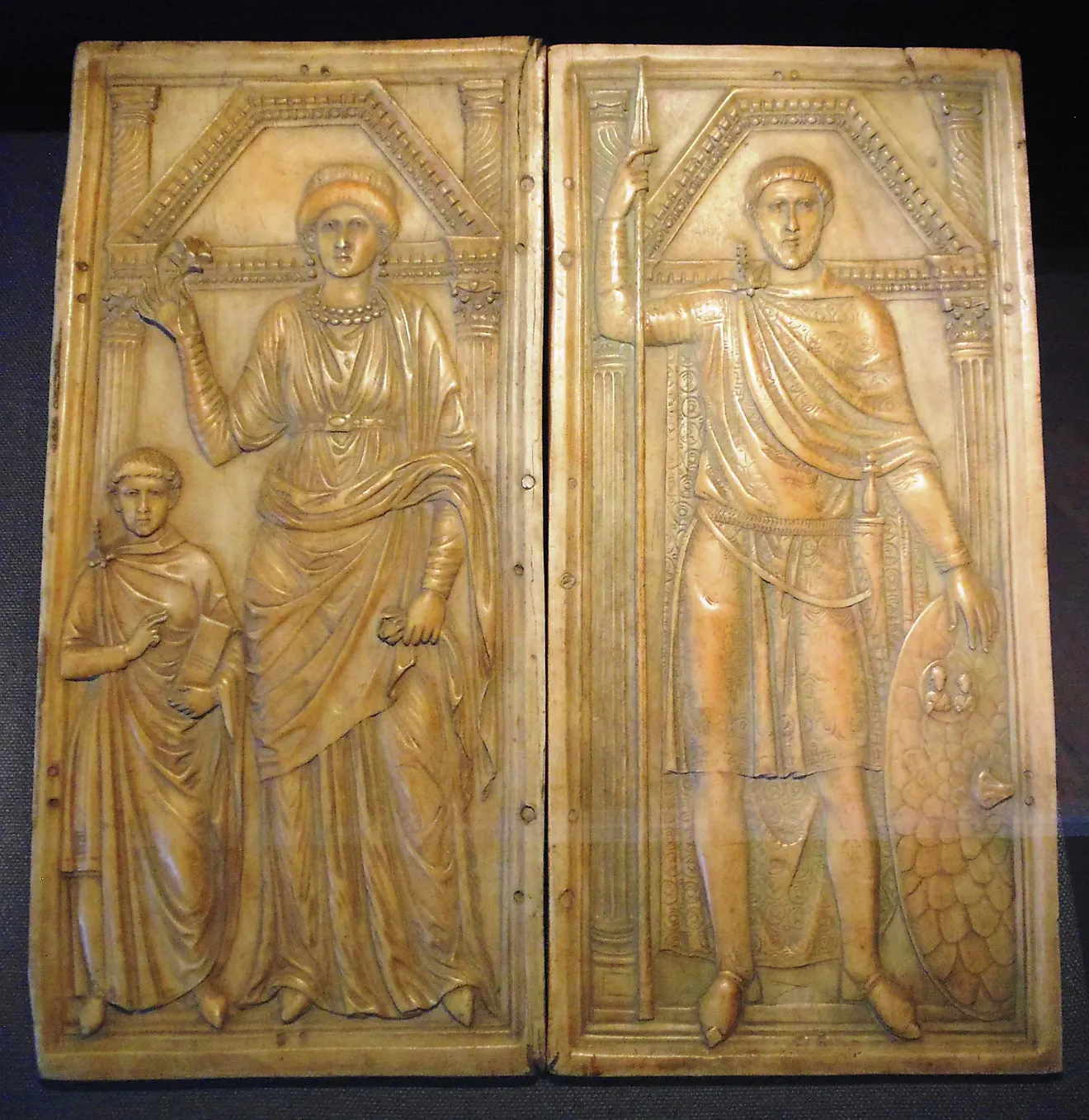
One of the biggest misconceptions about ancient history is that the Roman Empire collapsed in 476 AD. The Western Roman Empire indeed fell sometime around this time. However, important institutions, like the Senate, persisted for centuries, and many successor barbarian kingdoms preserved Roman cultural and political practices. The Eastern Roman Empire also survived for the next thousand years. Even though we know it today as the Byzantine Empire, its citizens thought of themselves as Romans. When it eventually fell to the Ottomans in 1453 AD, the exodus of scholars to places like Italy ushered in the Renaissance, as they brought with them literature, art, and general knowledge from the Roman world.