Was The Roman Empire Inspired By Alexander The Great?
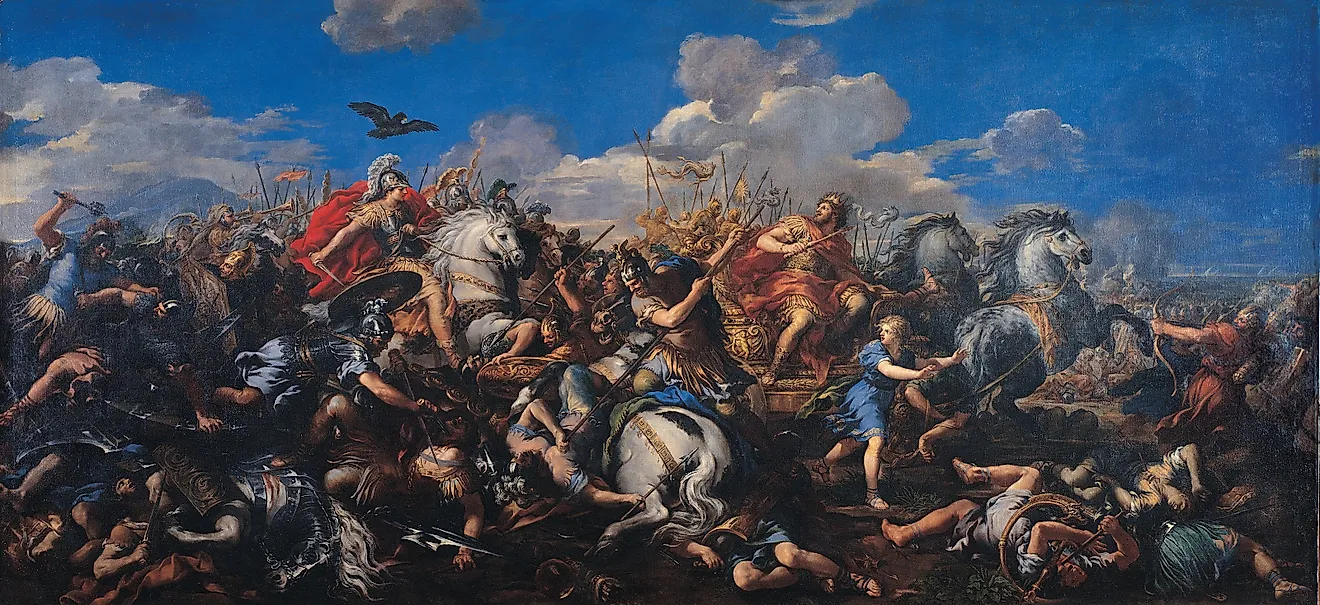
Alexander the Great left an indelible mark on the ancient world. This influence was perhaps most acutely seen in the Roman Empire. From its leaders, to its military tactics, to the very world it inherited, the Macedonian king’s legacy can be seen everywhere in Roman history. Although Rome ultimately conquered Alexander’s former empire, it also absorbed and adapted many of the political, cultural, and military traditions he helped spread. In many ways, the Roman Empire became both the heir to and continuation of the Hellenistic world Alexander created.
Alexander Created the World That Rome Inherited

You cannot understand Rome without comprehending the world in which it was formed. After Alexander the Great died in 323 BCE, his empire was separated into several Hellenistic kingdoms, the largest of which were the Ptolemaic Kingdom in Egypt, the Seleucid Empire in Persia and the Near East, and the Antigonid Kingdom in Macedonia and Greece. These powers preserved the Greek culture that Alexander and his successors introduced.
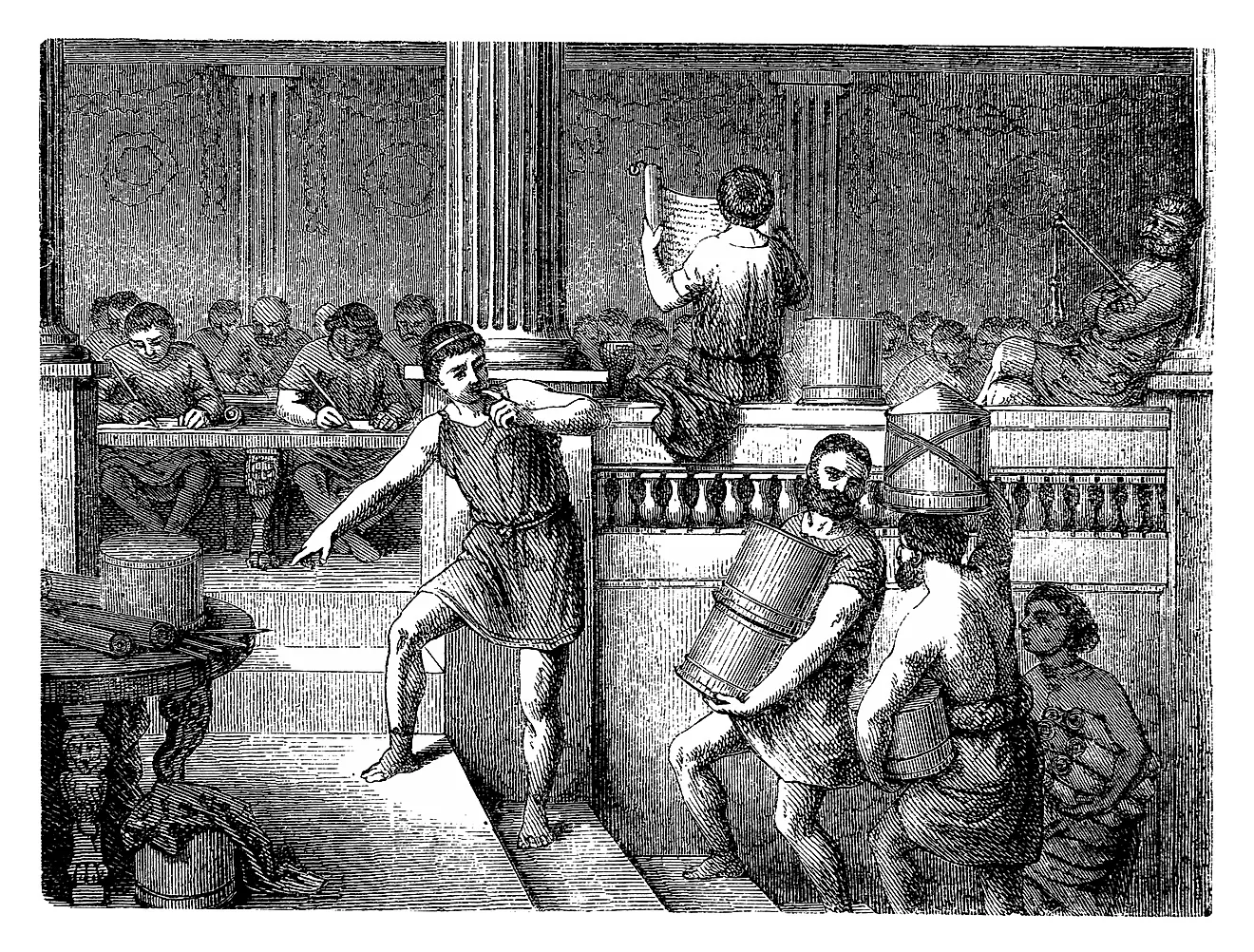
When the Roman Republic eventually conquered these states, it was forced to grapple with Alexander’s cultural legacy. While Latin was the official language of the Roman Republic and Empire, Greek was more commonly used in the eastern Mediterranean. Cities founded by Alexander, like Alexandria in Egypt, also became cultural and economic centers. Finally, Greek science, art, culture, and religion spread widely within Rome. In short, although Rome conquered Alexander’s former empire politically, Alexander’s cultural legacy transformed Rome itself.
Alexander Inspired Julius Caesar
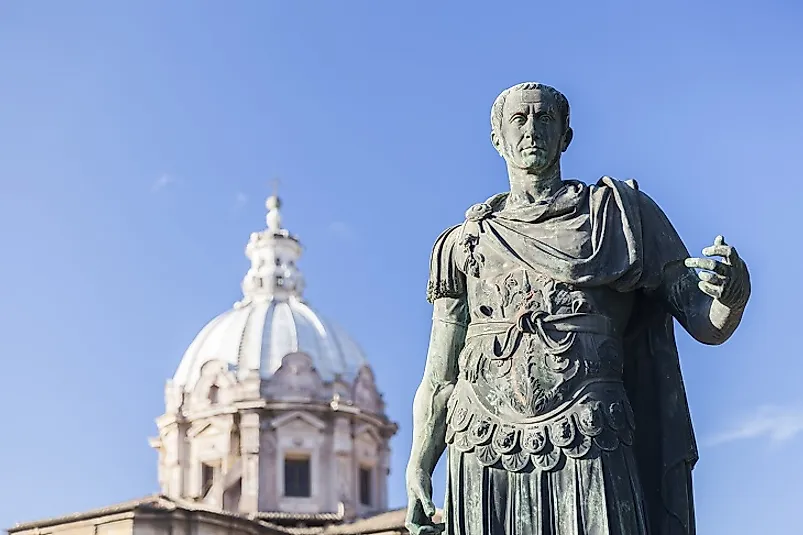
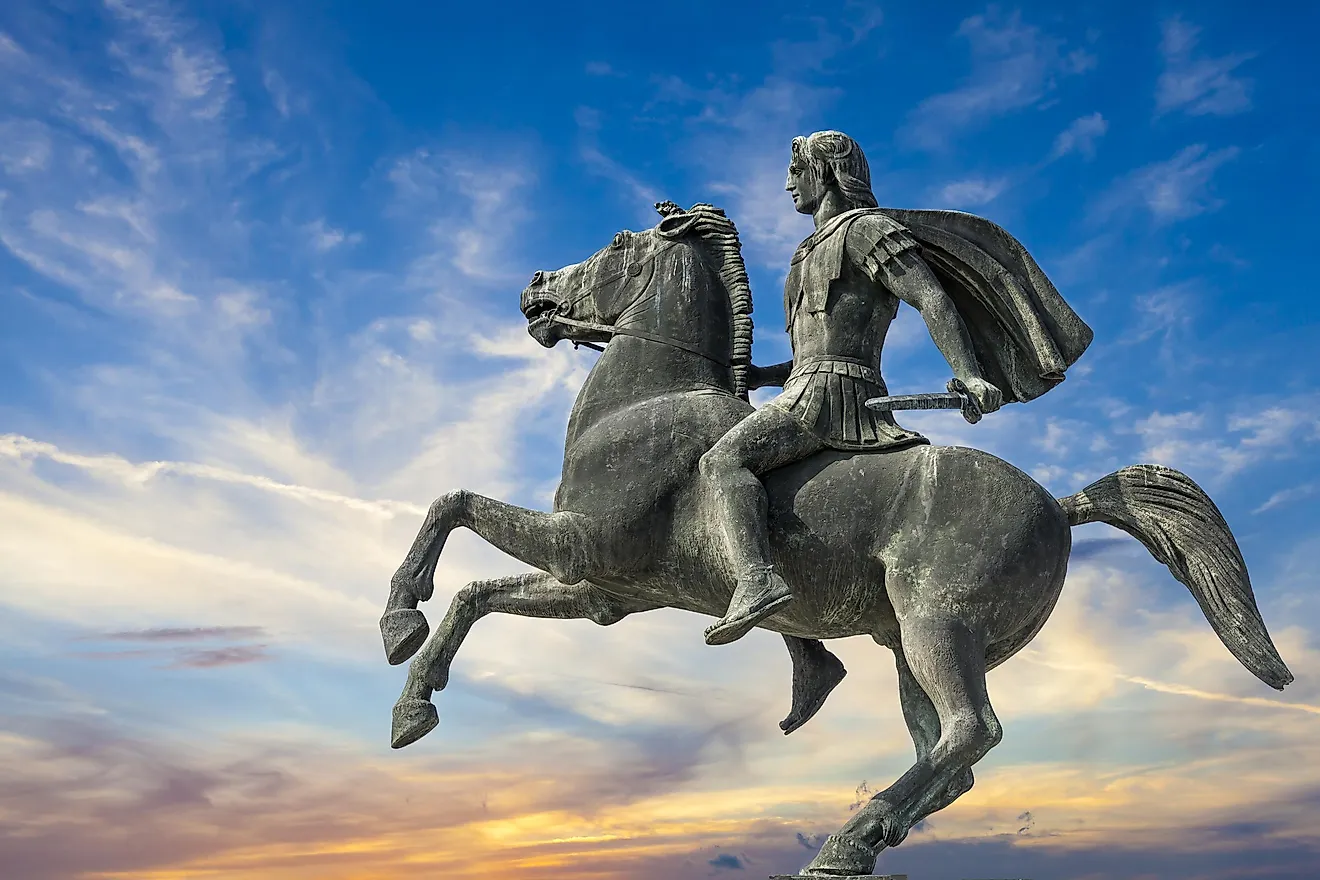
Many Roman leaders drew inspiration from Alexander the Great, perhaps most famously Julius Caesar. While stationed in Spain, Caesar reportedly wept upon seeing a statue of Alexander. According to ancient sources, the future Roman dictator lamented that Alexander had conquered much of the known world by the age of thirty, while he himself had not yet achieved comparable greatness.
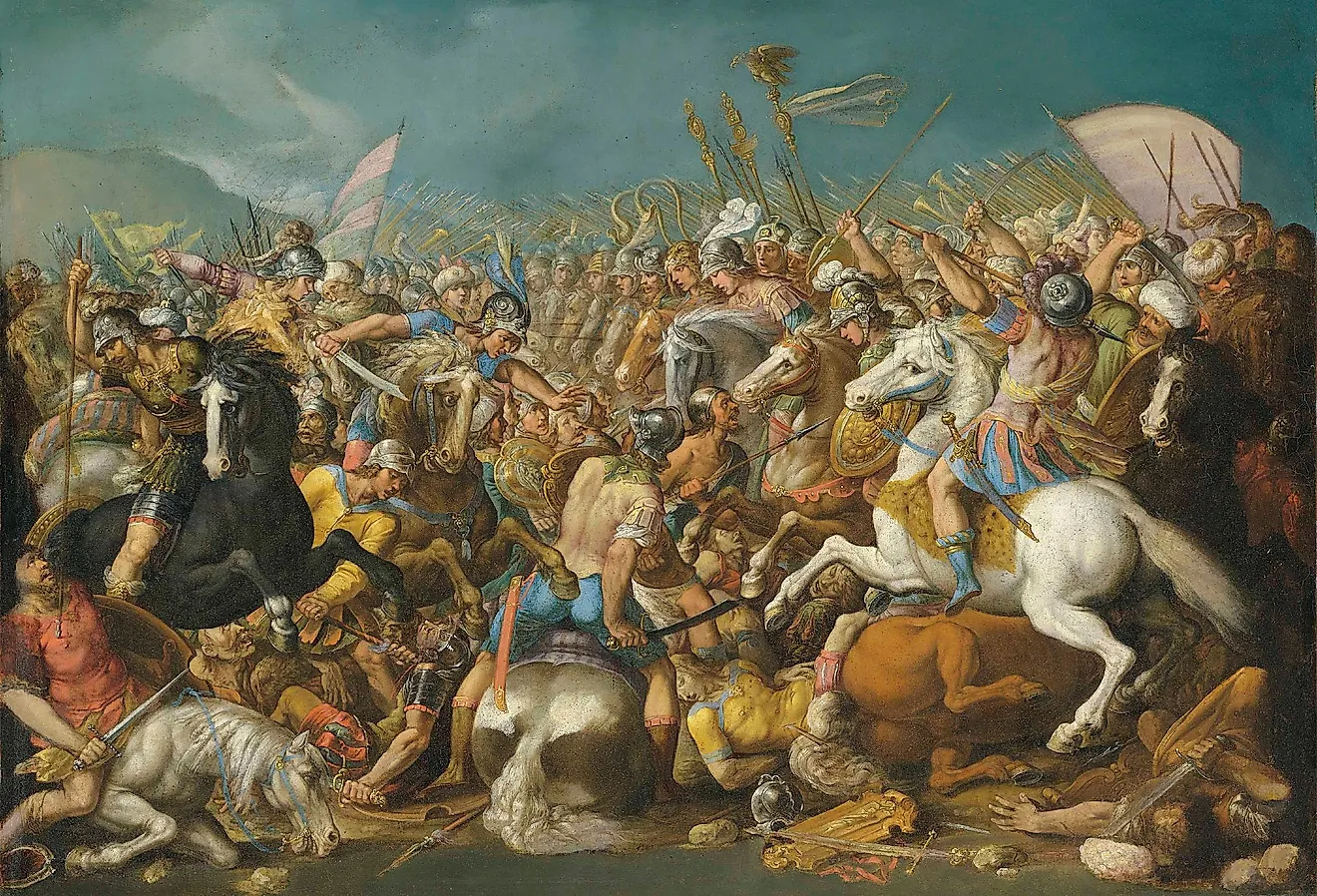
Caesar admired Alexander’s military brilliance and sought similar glory through his own campaigns, particularly during his conquest of Gaul (58-50 BCE). Like Alexander, Caesar emphasized speed, decisiveness, and surprise in warfare, allowing him to overwhelm many of his opponents. Through the Gallic Wars, Caesar also cultivated a reputation for military genius that rivaled that of Alexander himself. His growing power and prestige alarmed many members of the Roman political elite, contributing to the outbreak of civil war in 49 BCE. The conflict ultimately ended with Caesar becoming the dictator of Rome.
Alexander Inspired Other Roman Leaders

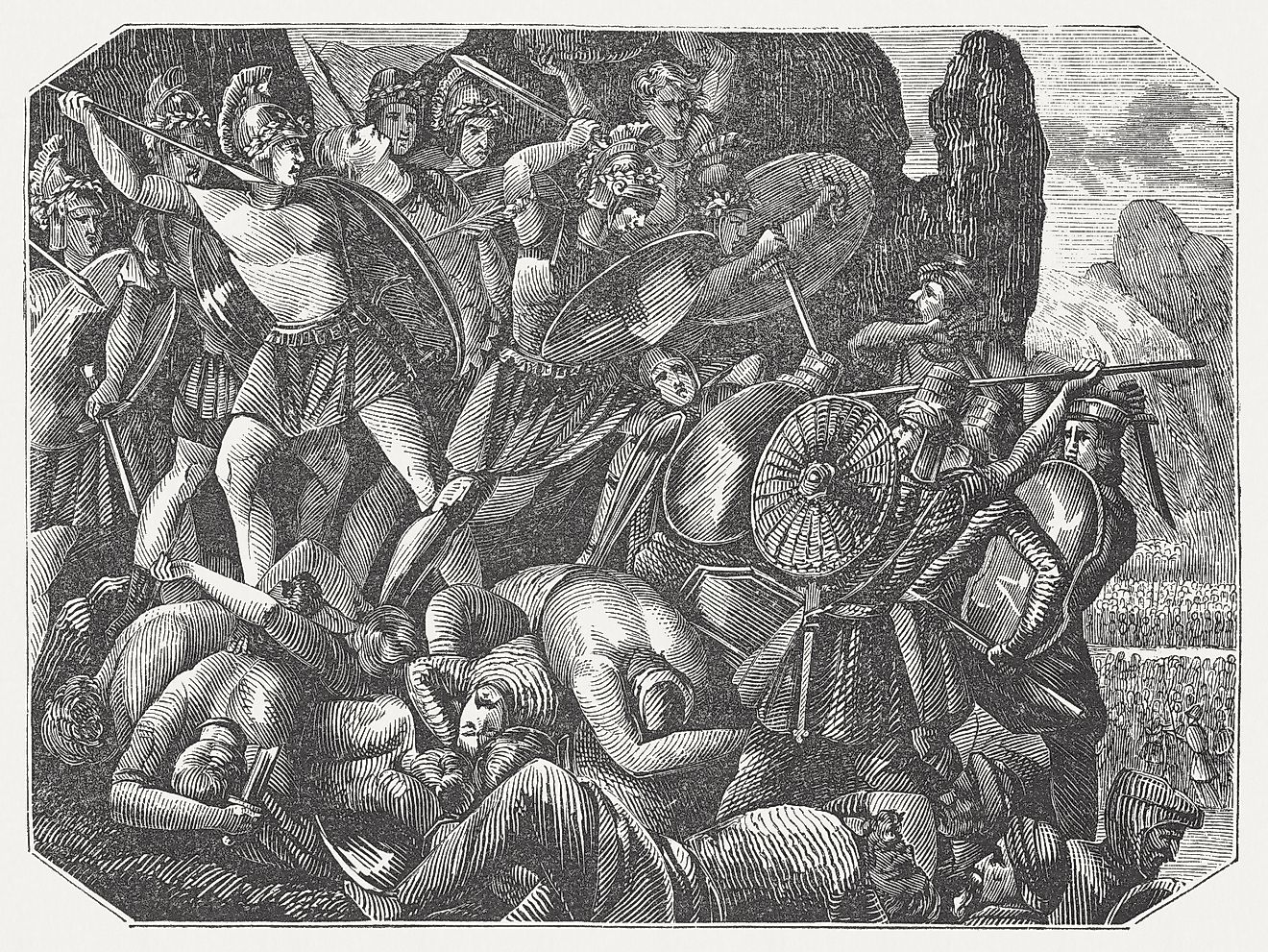
Other Roman leaders learned from Alexander as well. Pompey, Caesar’s opponent in the aforementioned civil war, adopted the title “the Great” in reference to Alexander. Romans also compared Pompey to the Macedonian king following military campaigns in Anatolia, Mesopotamia, and the Levant. Rome’s first emperor, Augustus, was less overt in his admiration, but he similarly presented himself as a figure bringing order and stability to a chaotic world, echoing ideals long associated with Alexander’s legacy. Finally, Caracalla, emperor from 198 to 217 CE, was obsessed with Alexander. He dressed like the Macedonian king, imitated his famed Macedonian phalanx infantry formation, and claimed spiritual kinship.
Alexander Influenced Roman Military Tactics

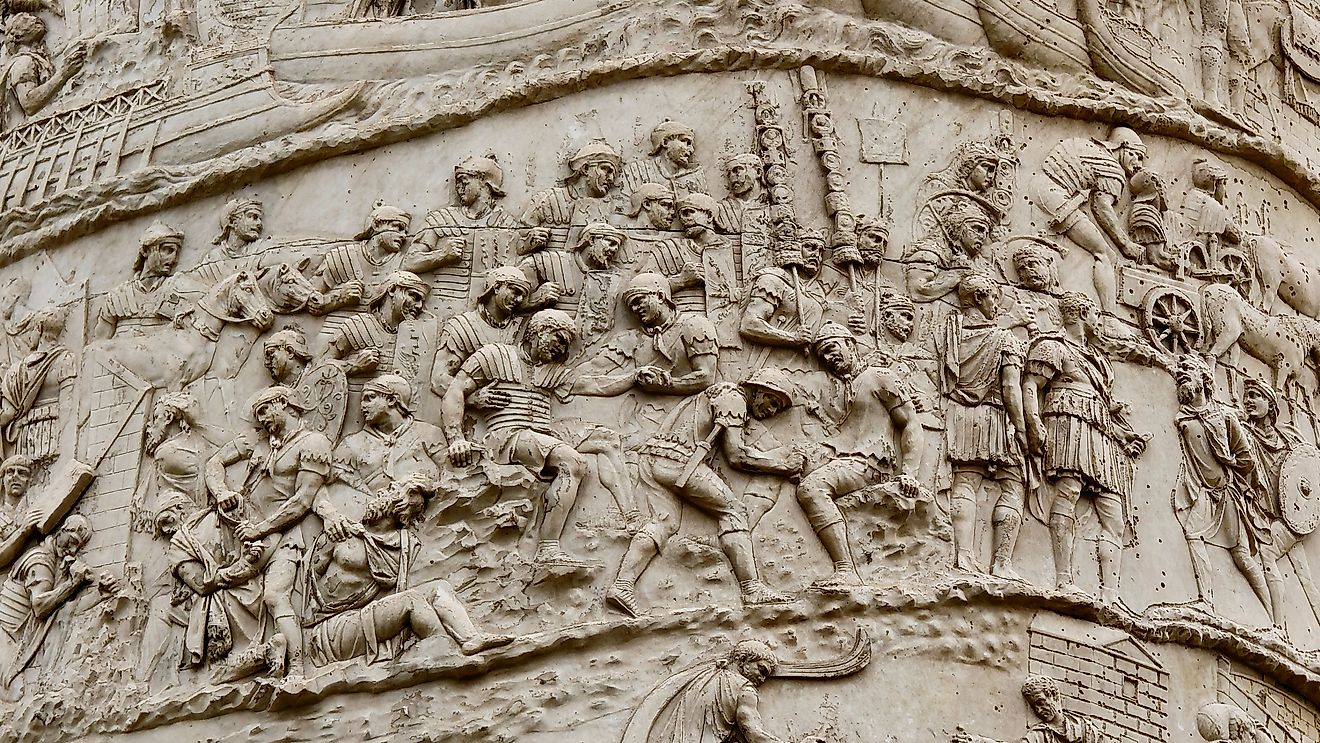
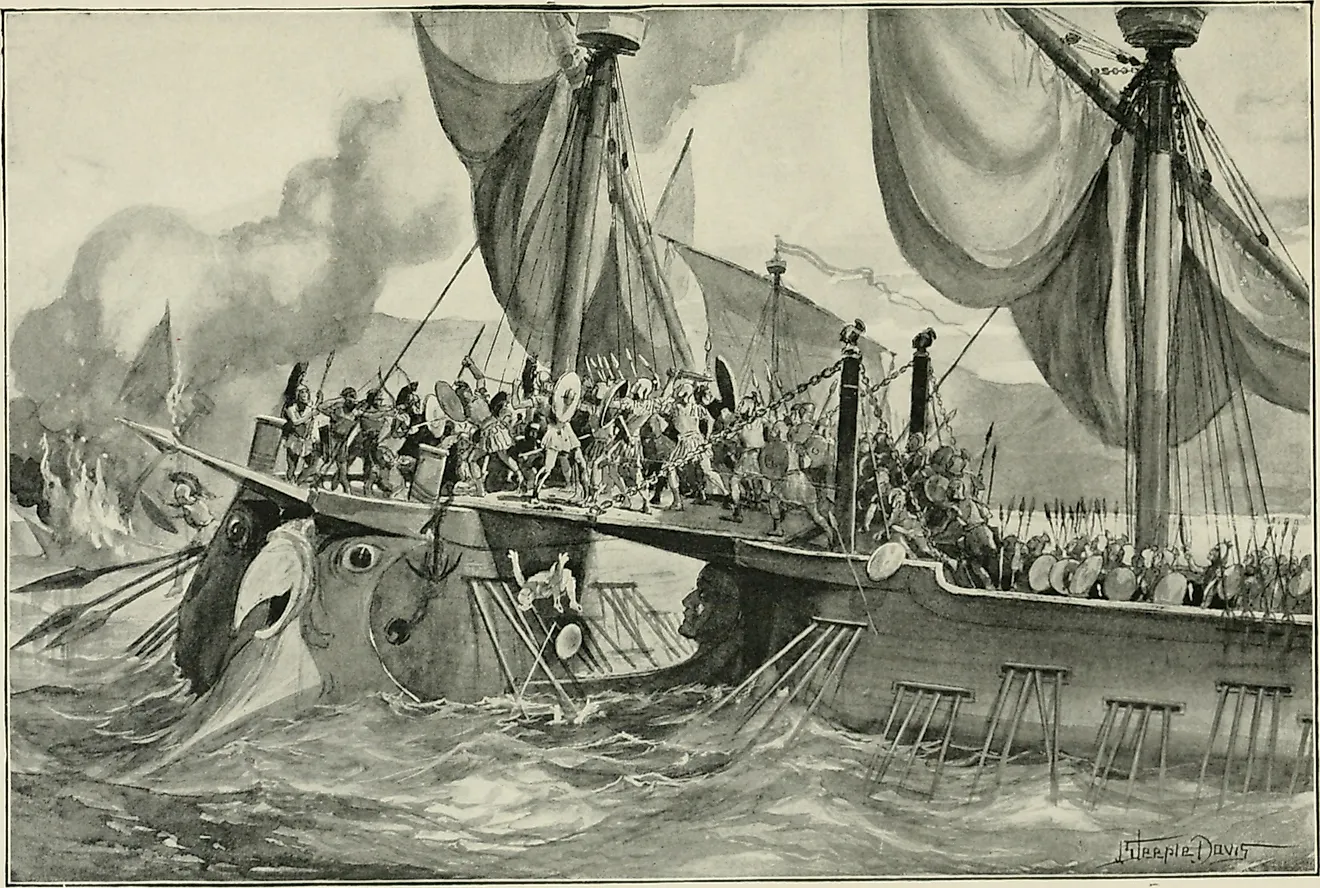
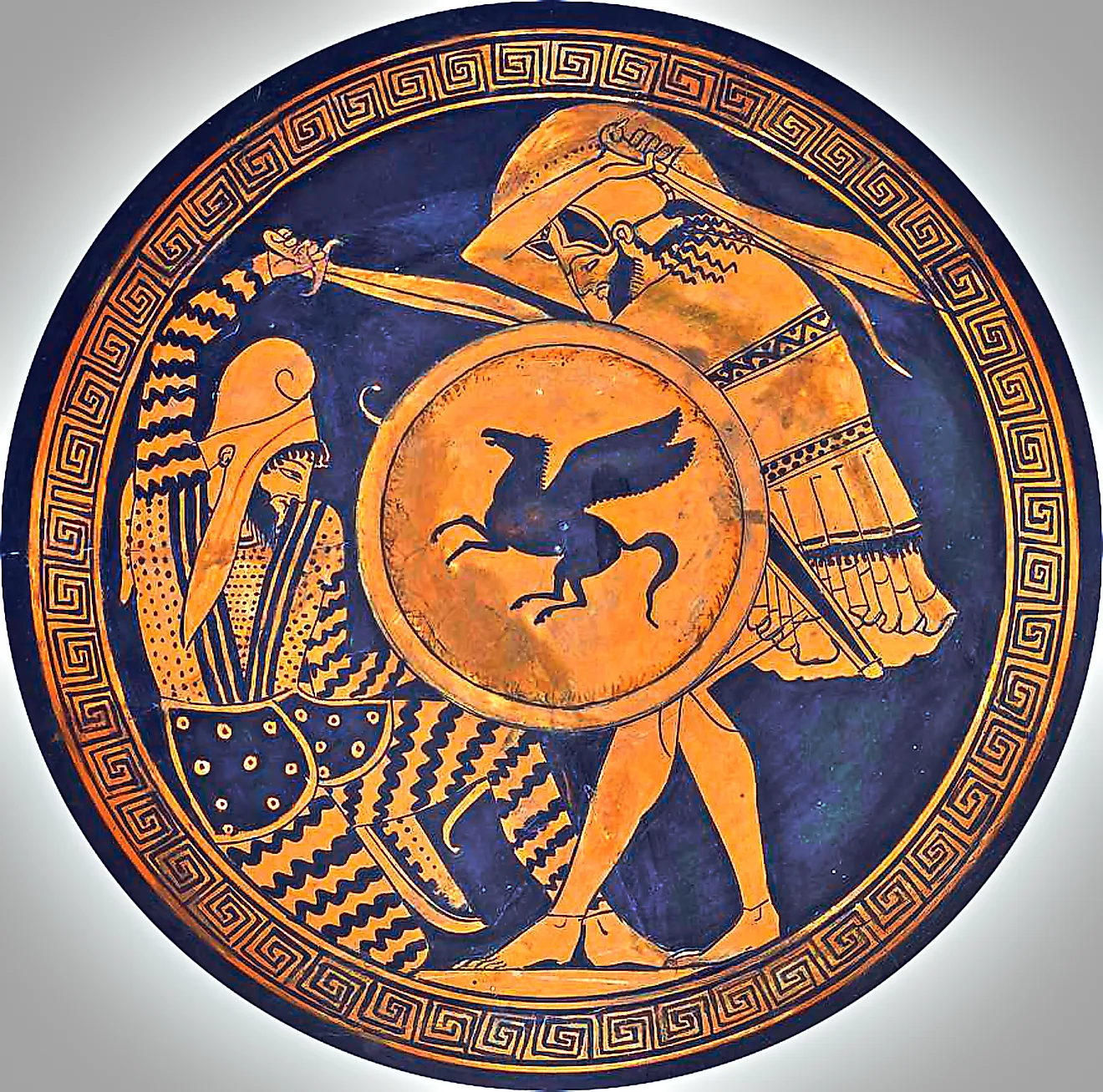
As previously noted, Alexander had a profound impact on Roman military tactics. His campaigns functioned as models to follow, and speed, ferocity, and decisiveness were core components of Roman military strategy. Alexander also showed that large armies could move rapidly across vast distances. The Romans studied how he accomplished this, and their armies became famous for road construction, organized supply lines, and rapid marches.
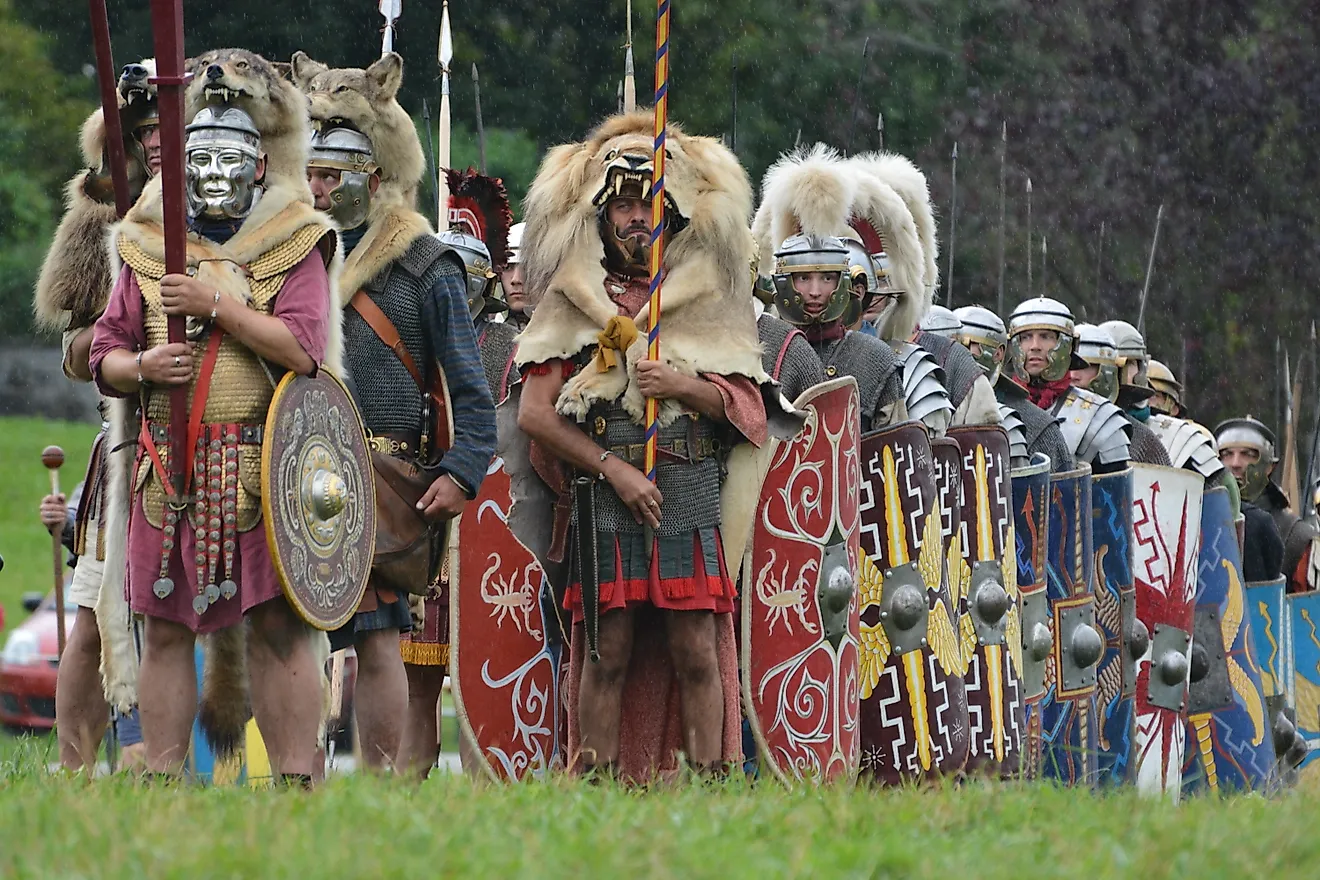
During the late Republic and early Empire, Rome also moved toward a more professional standing army, replacing the older system of temporary citizen levies. This transformation began before the Empire's establishment in 27 BCE and became more formalized under the emperors. Professional soldiers received standardized training, regular pay, and long-term service obligations, making the Roman legions among the most effective fighting forces of the ancient world. These reforms helped Rome expand into regions such as Britain and Mesopotamia while maintaining control over its vast territories.
Rome (Initially) Rejected Parts of Alexander’s Model

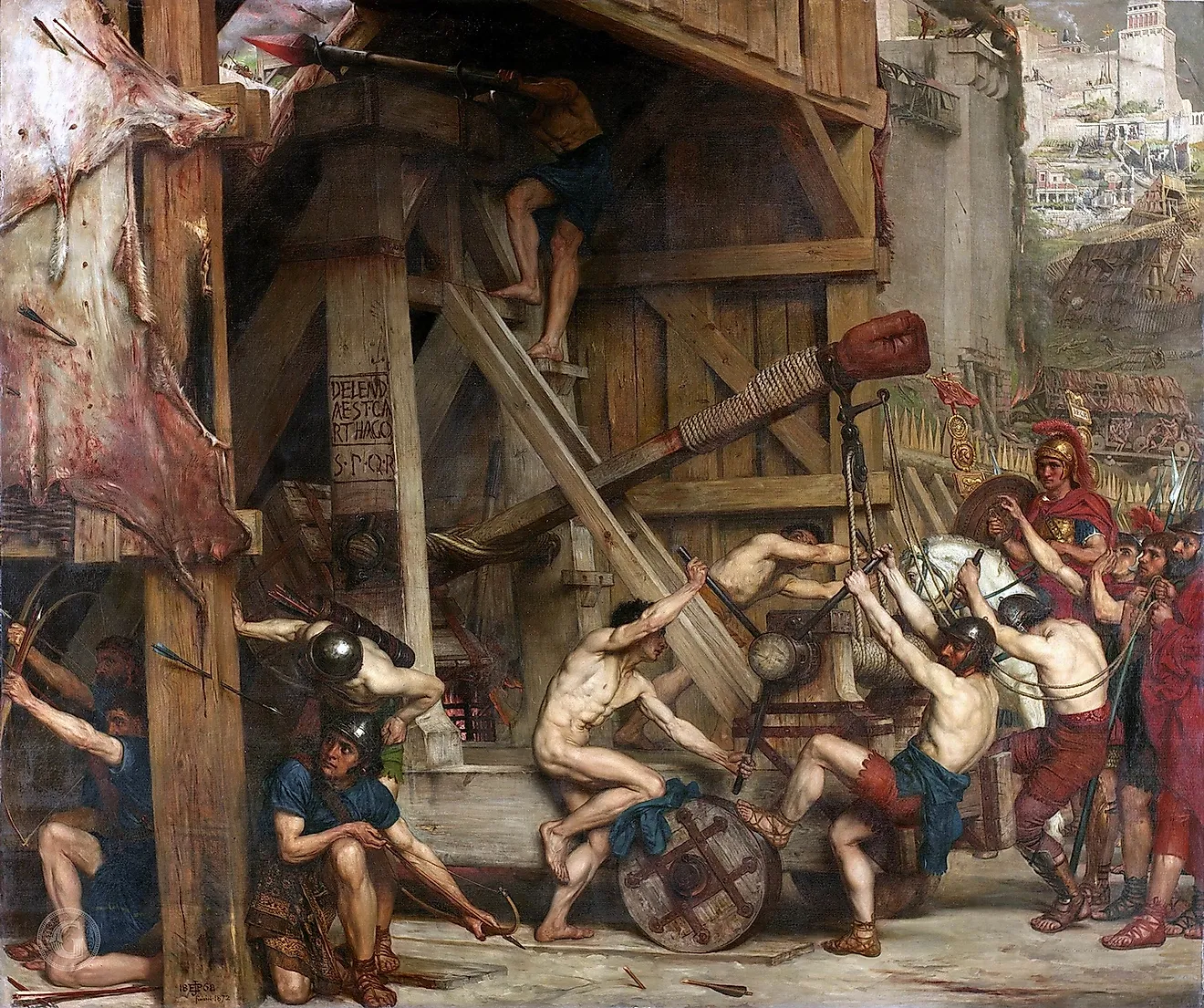
Despite what may have been suggested so far, Rome’s relationship with Alexander was deeply conflicted, at least initially. Romans distrusted kingship, since their political traditions held that the early centuries of Rome’s history had been shaped by tyrannical monarchs abusing their authority. The Roman Republic was therefore established in 509 BCE to prevent the concentration of power in the hands of one individual. With his cult of personality, absolute authority, and brutal military campaigns (like the destruction of Thebes and sieges of Tyre and Gaza), Alexander embodied many of the qualities the Republic claimed to oppose.
As Rome expanded, however, the Republican political system struggled to govern a vast Mediterranean empire effectively. Many started to believe that a decisive leader with absolute authority, like Alexander, was necessary to maintain stability. This figure emerged in Julius Caesar, who, after winning a series of civil wars, declared himself dictator for life in 44 BCE. Even at this point, the Romans resisted Alexander’s model, and Caesar was assassinated soon afterward. Nevertheless, after another civil war, Augustus established the Roman Empire in 27 BCE. Although Augustus avoided openly presenting himself as a king, Roman emperors from this point onward wielded a level of centralized authority comparable to that of the great Hellenistic monarchs, including Alexander himself.
Impact and Legacy

Alexander the Great profoundly shaped the Roman world, even though Rome eventually conquered his empire. The Hellenistic kingdoms preserved Greek culture, which deeply influenced Roman language, education, religion, and political thought. Roman leaders from Caesar to Caracalla admired Alexander and sought to emulate his military brilliance and personal authority. Yet Rome’s relationship with Alexander remained conflicted, as his model of absolute rule challenged longstanding Republican ideals. Ultimately, however, the Roman Empire came to resemble the Hellenistic monarchies Alexander helped create, demonstrating the enduring power of his legacy.