The Key Battles Of Alexander The Great
Alexander the Great was arguably the greatest military mind in history. As king of Macedonia, he fought countless battles and never lost one. More importantly, he capitalized on these victories by creating an empire that stretched from Greece to India. Exploring his key battles helps us understand how, over the course of his relatively short life, he accomplished such a feat.
The Battle Of Chaeronea (338 BCE)

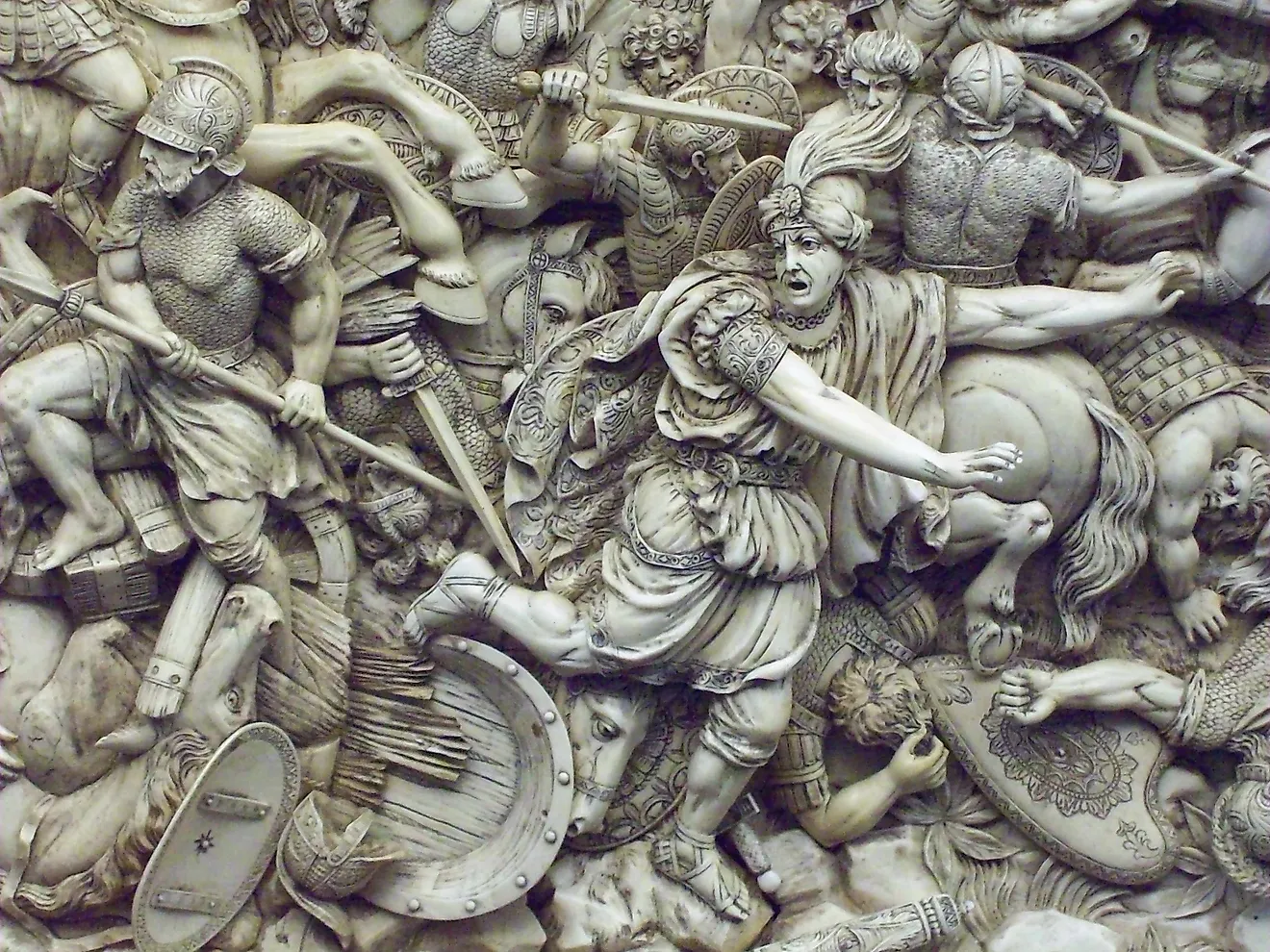
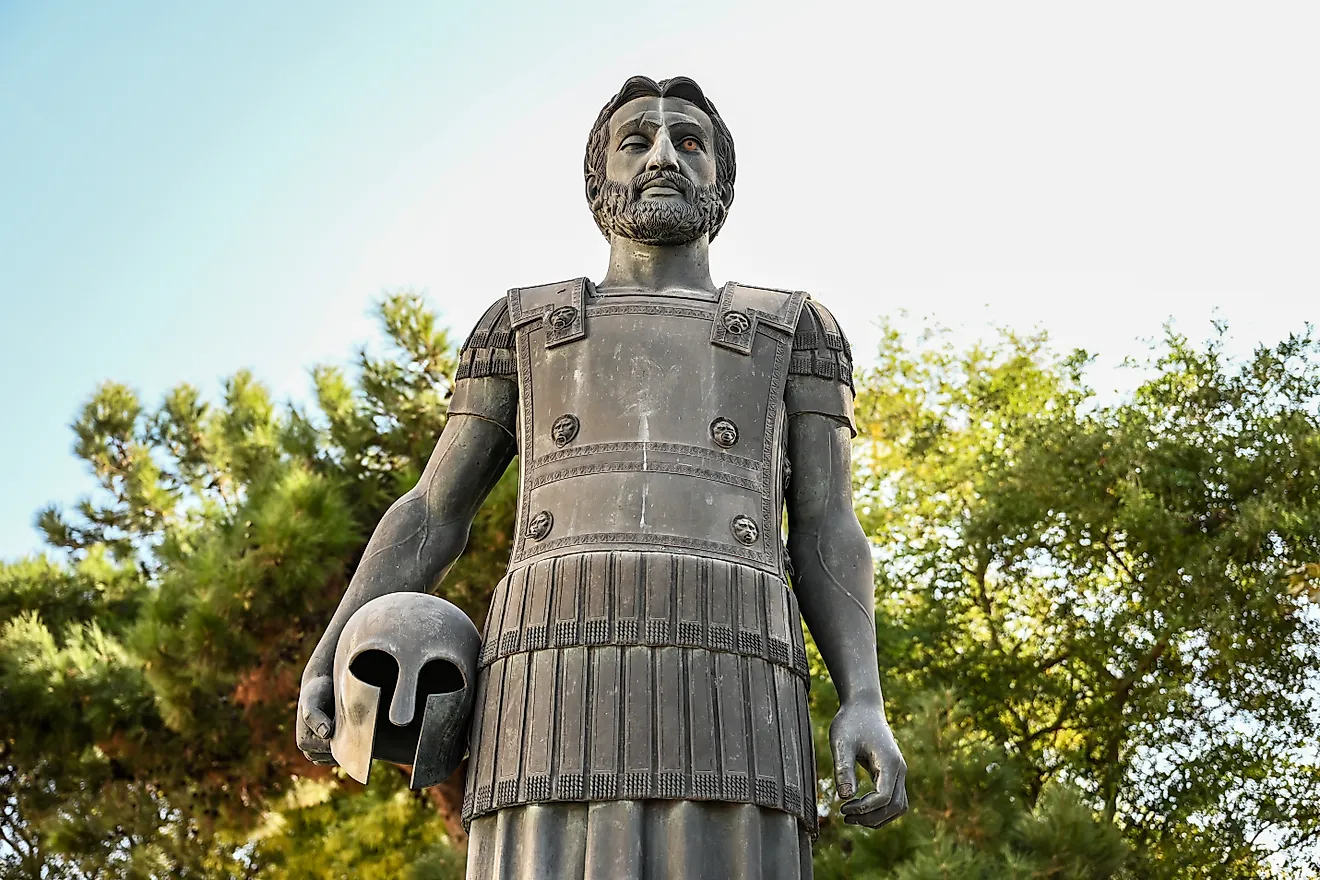
Alexander’s first major battle occurred before he even rose to power. His father, Phillip II, spent his reign establishing Macedonia as the hegemon of the Greek world. This came to a climax in the Battle of Chaeronea in 338 BCE, in which Alexander fought alongside his father against an alliance of Greek city-states headed by Athens and Thebes. Controlling the Macedonian left flank, Alexander led a decisive cavalry charge at an opportune moment that smashed the Athenian and Theban defenses. Soon after, the Greek alliance collapsed, and Macedonia became the undisputed dominant power in the region. With this victory, Alexander also established himself as a formidable military figure.
The Siege Of Thebes (335 BCE)

Philip II was assassinated in 336 BCE, leaving Alexander as the king of Macedonia. The young leader immediately faced challenges from Balkan tribes in the north, who threatened to invade and take advantage of Macedonia’s political turmoil. Alexander instead took the fight to them and crushed the Thracians, Triballi, and Illyrians.
While campaigning in the north, Alexander learned of another threat. The Greek city-states, once united under Phillip II, saw his death as an opportunity to revolt against Macedonian rule. After beating the Balkan tribes, Alexander marched his army south. The cities immediately stopped revolting, except for Thebes. Enraged by this act of defiance, Alexander decimated the city, destroying almost all its buildings, killing 6,000 people, and selling 30,000 people into slavery. The brutality of this affair shocked the Greek world and discouraged future revolts.
The Battle Of The Granicus (334 BCE)

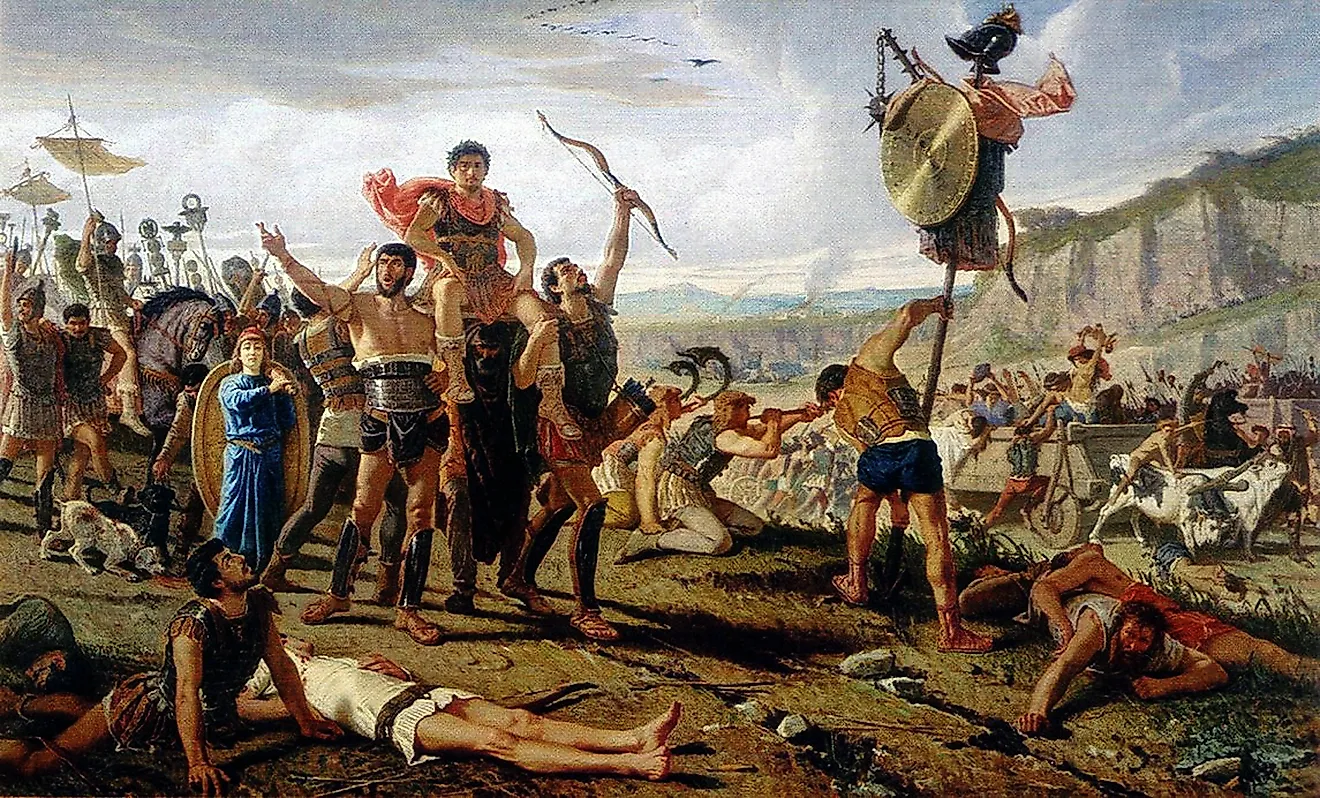
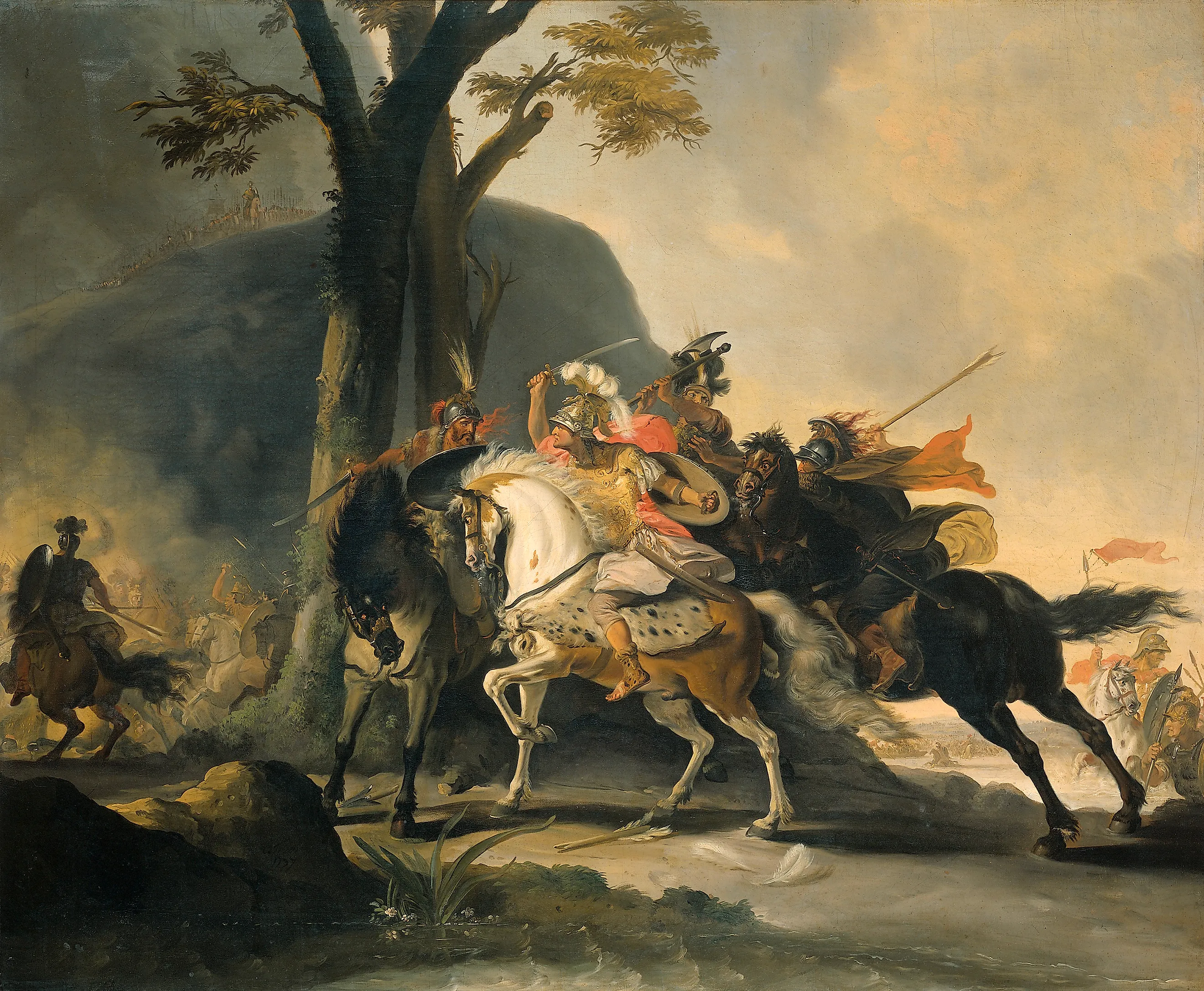
After dealing with turmoil at home, Alexander turned his attention to Persia, which his father had planned to invade before he died. The first battle of this campaign occurred at the Granicus River in 334 BCE. As the Persians and Macedonians gathered on opposite sides of the water, Alexander initiated a surprise attack by leading the cavalry charge across the river. This caught the Persians off guard, and they were quickly defeated.
The Battle of the Granicus was important for several reasons. First, it opened up the rest of Persia to Macedonian advances. Second, it was a display of Alexander’s trademark fast and aggressive attack style. Third, by attacking on the frontline, Alexander engendered support among his troops, encouraging them to fight with similar ferocity and vigor for the rest of his wars.
The Battle Of Issus (333 BCE)

The next major battle of the Persian campaign occurred a year later. Alexander’s first clash with Persian king Darius, the Battle of Issus saw the Macedonians dramatically outnumbered. Even so, Alexander mitigated the Persians’ numerical advantage by fighting on narrow terrain near the coast, preventing them from effectively deploying their troops. The Macedonian cavalry ultimately broke through the Persian defenses, forcing Darius to flee. This allowed Alexander to capture his family, along with massive treasure reserves. The victory also gave Alexander control of the coast, meaning he could now isolate Persia from its navy.
The Battle Of Gaugamela (331 BCE)

After taking Palestine and Egypt, Alexander recentered his focus on the Persian heartland. This culminated in the Battle of Gaugamela in 331 BCE. Numbering between 100,000 and 250,000, Darius’ army dwarfed Alexander’s army of about 50,000 but was less disciplined and battle-hardened. Combined with Alexander’s tactical superiority, the battle was an utter disaster for the Persians. As they tried to envelop the Macedonians, gaps opened at the center of their formation. Alexander then led a wedge-shaped cavalry charge through these gaps and almost reached Darius himself. When the Persian king fled once again, his army’s morale and defenses collapsed. The Battle of Gaugamela is considered the effective end of the Persian Empire, as Alexander took its capital, Persepolis, the following year.
The Battle Of The Hydaspes (326 BCE)

Following a protracted conflict in Central Asia, Alexander emerged victorious and set his eyes on India. After marching his army thousands of miles, he began preparing for battle against the Indian king Porus. The most difficult engagement of Alexander’s life, the Battle of the Hydaspes saw him face off against cavalry, chariots, infantry, and war elephants.
As in previous battles, Alexander ultimately prevailed due to his speed and ability to catch his enemy off guard. The two armies were stationed on opposite sides of the Jhelum River. During a storm, Alexander unexpectedly crossed the river and surprised the Indians. Despite suffering heavy casualties, the Macedonians then defeated Porus.
Impact And Legacy
The Battle of the Hydaspes was the last major military engagement of Alexander the Great’s life. Even though they were victorious, the Macedonian army was exhausted and threatened to mutiny if they marched further into India. Alexander turned back. He ultimately reached Persia by 324 BCE but suffered enormous losses on the return journey. While planning to campaign in places like Arabia, Alexander died in 323 BCE amid mysterious circumstances.