The Wealthiest Ancient Rulers In History
Wealth in the ancient world rarely came from personal fortune alone. It was a result of systems holding control over land, labor, trade routes, and taxation, often exclusively in the hands of rulers who shaped entire economic structures. Across the Roman Empire, Ptolemaic Egypt, and Han China, imperial power determined how resources moved, how surplus accumulated, and how states sustained military and cultural expansion.
Augustus of Rome, Ptolemy II Philadelphus of Egypt, and Emperor Wu of Han each built wealth through different mechanisms of state power. Augustus centralized provincial revenues and secured Egypt’s grain supply after decades of civil war. Ptolemy II strengthened a highly organized agricultural and trade system anchored in the Nile Valley and Mediterranean ports. Emperor Wu expanded imperial territory across East and Central Asia while creating state monopolies over vital industries such as salt and iron.
These rulers show how ancient wealth functioned as a product of governance, expansion, and administrative design. Their reigns reveal how early empires converted resources into long-term political authority and economic stability across large regions.
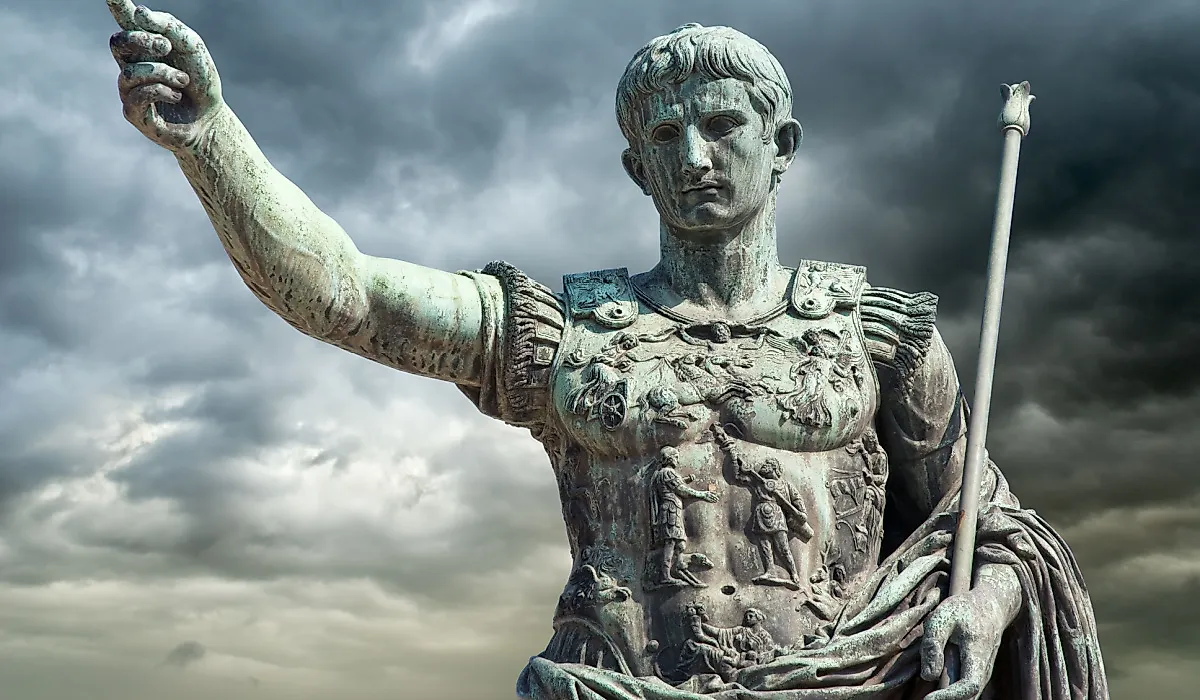
Augustus (Octavian) of the Roman Empire (27 BCE to 14 CE)

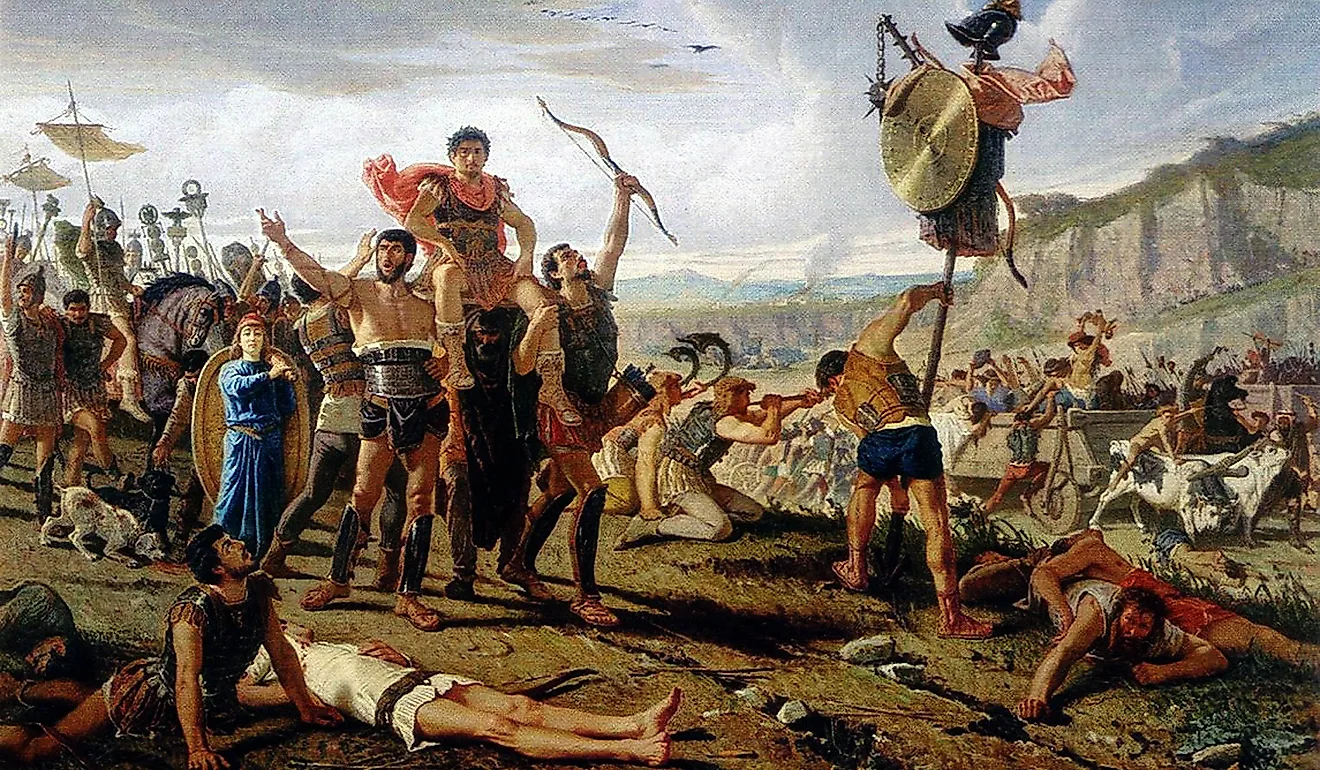
Augustus accumulated extraordinary wealth during the collapse of the Roman Republic, when civil war replaced institutional authority with military control over land, taxation, and property. By the first century BCE, competing Roman commanders financed armies through confiscations and provincial extraction, linking political survival directly to access to revenue streams and resources.
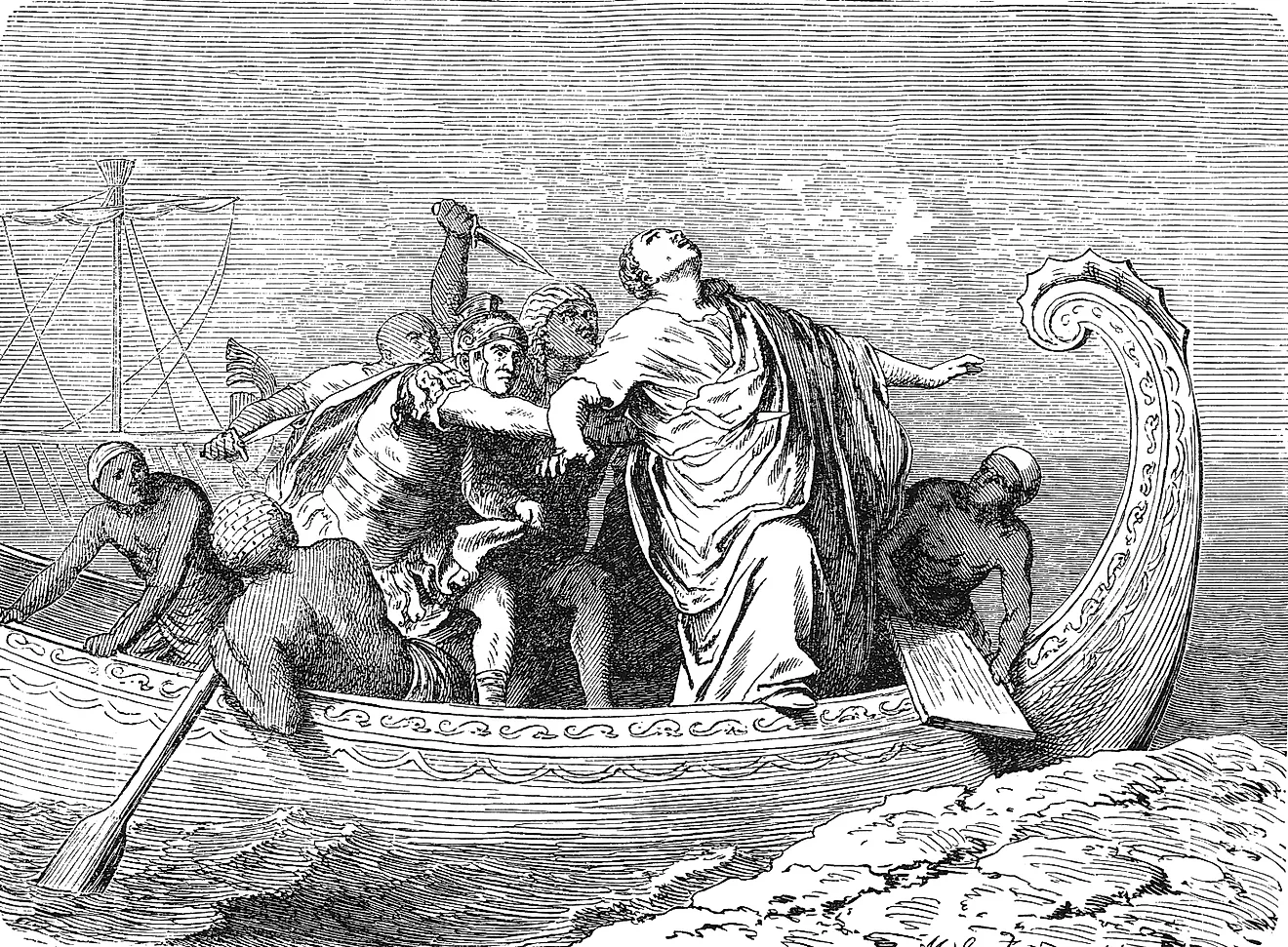
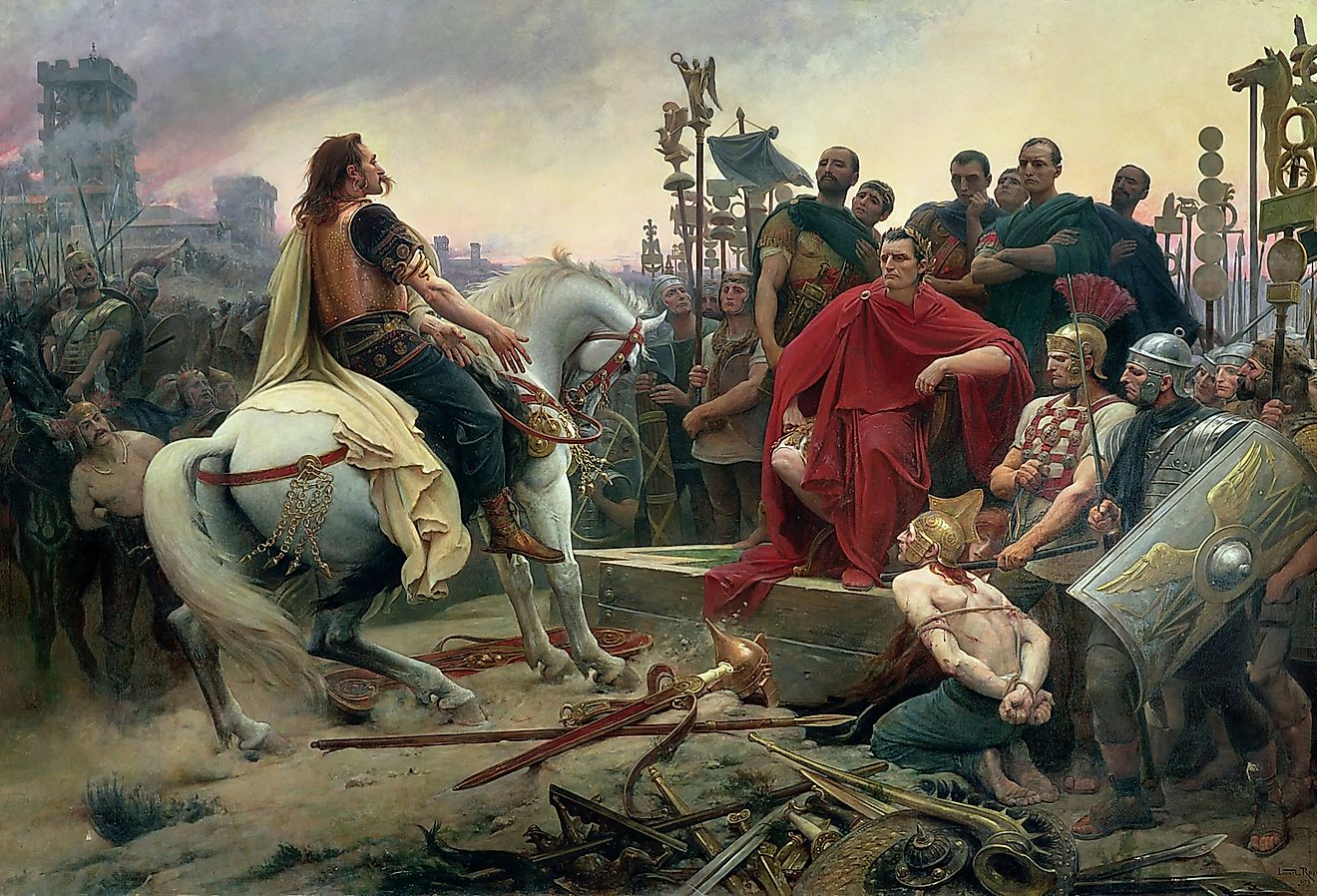
After Julius Caesar’s assassination in 44 BCE, Octavian inherited Caesar’s political alliances, private fortune, and veteran networks. As rival factions competed for control of Rome, access to liquid capital and military funding determined political success. The Second Triumvirate formalized this shift in 43 BCE by authorizing proscriptions, which legally confiscated property from political enemies. Land, estates, and cash holdings were redistributed to fund armies and secure loyalty. By the end of the civil wars, Octavian had defeated his rivals and emerged as the central military and financial authority in the Roman world.
War, Inheritance, and Imperial Control

Augustus built his wealth through inheritance, confiscation, conquest, and centralized state control. His inheritance from Julius Caesar provided immediate capital for recruiting soldiers and securing political support during the early stages of conflict. The civil wars significantly expanded his resources through proscriptions and confiscations that transferred estates and landholdings from defeated elites into state-aligned control. These seizures reshaped the Roman aristocracy and concentrated wealth within networks tied to Octavian’s authority.
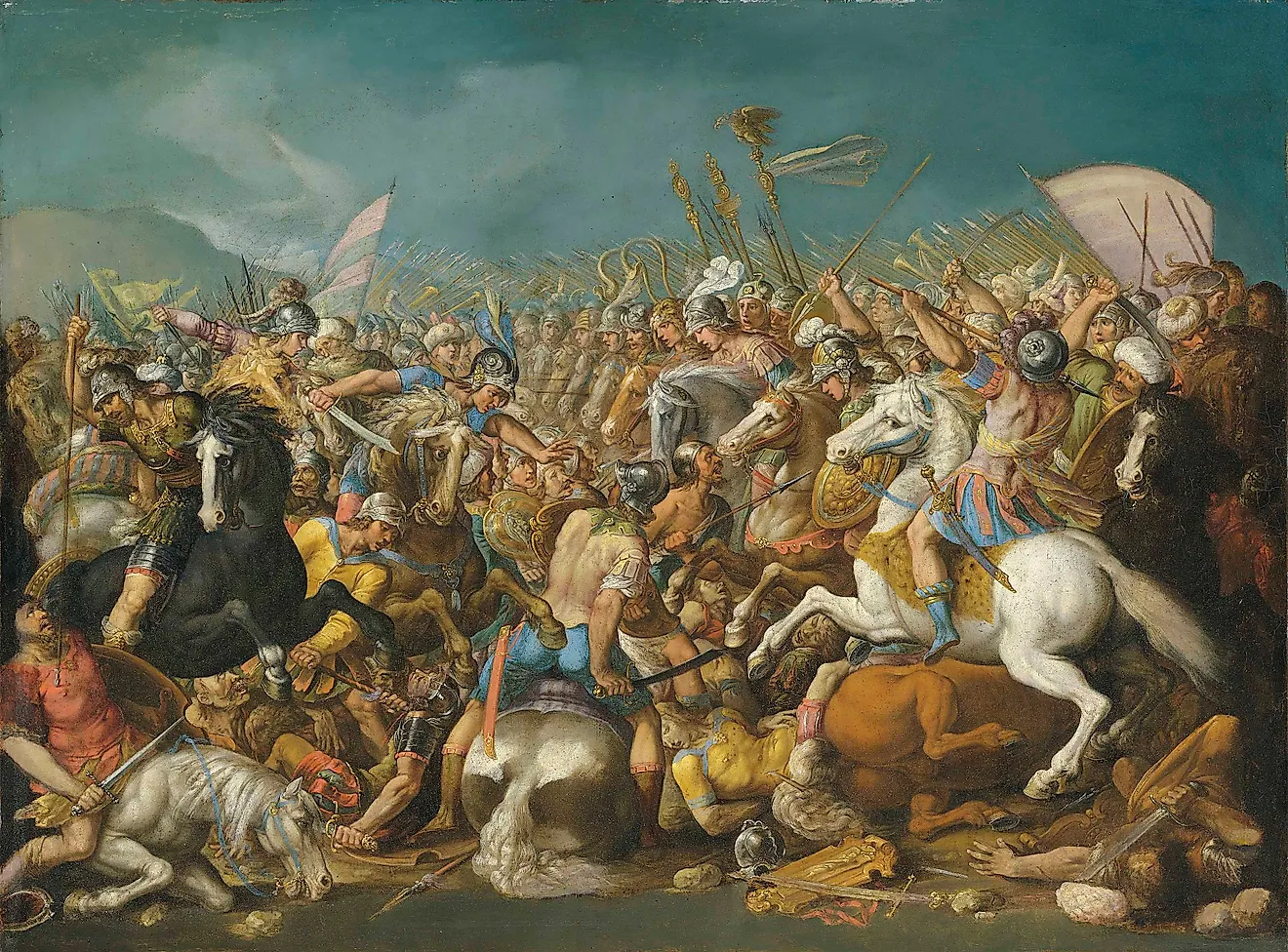
Conquest further strengthened this system. Victories at Philippi and Actium secured Octavian's dominance within the Roman world, with Actium leading directly to the annexation of Egypt in 30 BCE. Egypt supplied grain surpluses, gold, and stable tax revenues, and Augustus placed it under direct imperial administration as part of his personal domain rather than a senatorial province.
Administrative restructuring completed this consolidation. After 27 BCE, Augustus divided provinces between senatorial and imperial governance, reserving most frontier provinces and regions containing the bulk of Rome's military forces for imperial oversight. This arrangement placed taxation, military funding, and provincial income increasingly under centralized control.
Monumental Spending and State Transformation

Augustus’ wealth was most visible in his large-scale investment in Rome’s infrastructure and civic life. Literary works such as Virgil’s Aeneid framed imperial prosperity as part of Rome’s destined expansion, showing how material wealth and political ideology reinforced one another. The Res Gestae documents extensive spending on veterans, public distributions, and emergency financial support during grain shortages and political transitions. These expenditures helped secure loyalty and stabilize postwar conditions.
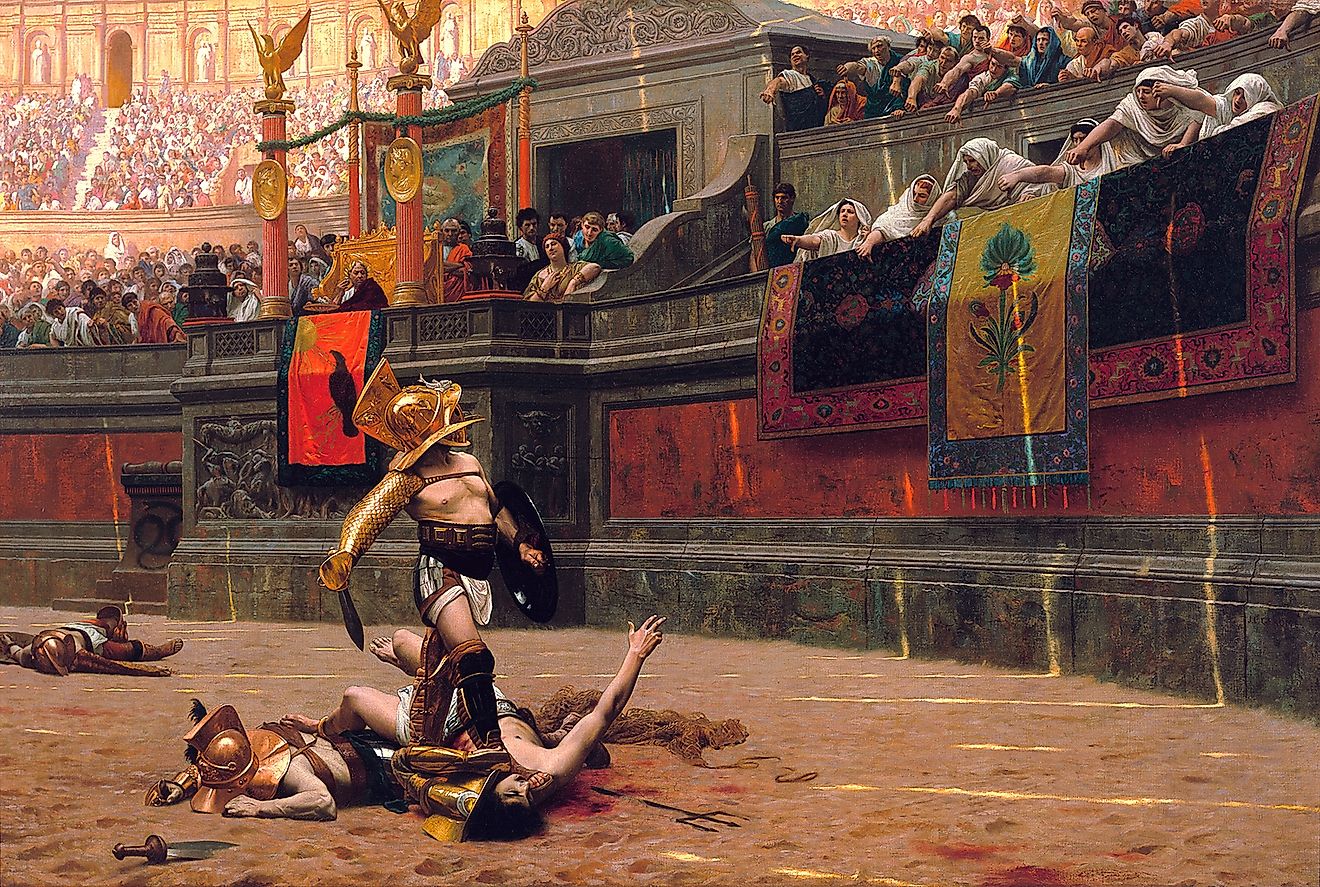
Rome itself underwent extensive reconstruction. Augustus and Agrippa financed major public works, including the Forum of Augustus, the Temple of Mars Ultor, aqueduct expansions, and the restoration of multiple temples. Archaeological evidence supports contemporary claims that Rome transitioned from brick construction to widespread marble architecture during his reign. Public spectacles also showed off imperial resources. Gladiatorial games, staged naval battles, and large public festivals required significant state funding and logistical coordination.
The Centralization of Imperial Wealth

Augustus restructured Roman economic organization by concentrating fiscal authority under imperial control. Power shifted away from competing aristocratic elites toward a single ruler who directed taxation, provincial revenues, and military financing. This restructuring reduced internal conflict and established the foundation of the Pax Romana. Control of key provinces, particularly Egypt, ensured a steady flow of grain and revenue into the imperial system, reinforcing long-term administrative stability. Over time, this arrangement normalized imperial oversight of economic resources across the Mediterranean world.
Legacy
Augustus created a centralized imperial economy that replaced republican competition with structured financial control. His reign established long-term norms for taxation, provincial governance, and military funding that shaped Roman imperial systems for centuries.
Ptolemy II Philadelphus (283 to 246 BCE)

Ptolemy II inherited a kingdom that controlled the Nile Valley's agricultural surplus and some of the most important trade routes in the eastern Mediterranean. His father, Ptolemy I Soter, had already established a centralized administration capable of collecting taxes, regulating agricultural production, and directing revenue into the royal treasury. Rather than pursuing wealth primarily through conquest, Ptolemy II strengthened existing systems of administration, taxation, and commerce. These institutions allowed the Ptolemaic state to convert Egypt's natural resources and strategic position into long-term economic power.
Agriculture, Trade, and Royal Revenue

Agricultural production formed the foundation of Ptolemaic wealth. Annual Nile flooding supported high grain yields, while royal officials monitored harvests, assessed taxes, and managed state-controlled landholdings. This system allowed the crown to capture a significant share of agricultural output and channel it into the treasury. The state also maintained close oversight of economic activity through a large bureaucracy that regulated taxation, pricing, and distribution. Temples participated in this system as important economic institutions, controlling land and resources while remaining connected to royal administration.
Trade generated an additional source of revenue. The port of Berenice linked Egypt to commercial networks stretching across Arabia, East Africa, and the Indian Ocean. Merchants exchanged grain, papyrus, textiles, spices, ivory, and luxury goods through these routes, producing customs revenue that strengthened royal finances. Ptolemaic influence in Nubia provided access to gold resources, while possessions in the eastern Mediterranean expanded commercial opportunities and generated additional income through tribute and taxation.
Monumental Spending and State Resources

The scale of Ptolemy II's wealth was evident in Alexandria's development as a center of learning, administration, and royal power. The Library of Alexandria and the Mouseion required continuous funding to acquire manuscripts, attract scholars, and support research under royal patronage. These institutions helped establish Alexandria as one of the leading intellectual centers of the ancient Mediterranean. The Lighthouse of Alexandria, one of the Seven Wonders of the Ancient World, showed off the kingdom's engineering capabilities and access to substantial resources. Royal festivals such as the Ptolemaia further displayed dynastic wealth through elaborate processions, ceremonial displays, and valuable luxury goods.
Contemporary inscriptions provide additional evidence of state resources. The Mendes Stela and Kanopos Decree record religious restoration projects, grain distributions, and royal donations to temples. These records allow a peek into the ability of the Ptolemaic government and its resources to mobilize wealth on a large scale. Military expenditures also consumed significant resources. Ptolemy II housed a powerful navy and large mercenary forces that protected trade routes and supported Egyptian influence across the eastern Mediterranean.
Wealth as Political Authority

Ptolemy II used economic resources to strengthen dynastic rule throughout Egypt. Revenue from agriculture and trade funded religious projects, public ceremonies, and state institutions that connected the ruling dynasty to both Greek and Egyptian populations. Royal patronage helped transform Alexandria into a major intellectual center, while the dynastic cult of the "Sibling Gods" reinforced political authority through religious tradition. Economic control, cultural investment, and religious patronage worked together to support a stable and prosperous kingdom. These policies helped secure Egypt's position as the wealthiest and most economically influential successor state to Alexander the Great's empire.
Legacy
Emperor Wu of Han (141 to 87 BCE)

Emperor Wu inherited a Han Empire that had recovered from the instability of earlier generations through agricultural growth, population expansion, and administrative consolidation. Earlier rulers reduced taxes and encouraged farming, creating a stronger economic foundation for future expansion. During a reign that lasted more than five decades, Emperor Wu shifted the empire toward military expansion and greater centralization. Campaigns against the Xiongnu and territorial growth across Central Asia, southern China, and the Korean Peninsula brought new resources, trade routes, and populations under Han control.
Expansion, Monopolies, and Centralization

Territorial expansion became a major source of state wealth during Emperor Wu's reign. Han armies secured the Hexi Corridor, conquered Nanyue in southern China, and established commanderies in northern Korea. These acquisitions added agricultural land, mineral resources, and taxable populations to the empire. Control of the Hexi Corridor also improved access to trade routes linking China to Central Asia. Merchants, diplomats, and caravans moved through these corridors, laying the foundations of what would later become known as the Silk Road.
State monopolies generated another major source of revenue. The government assumed control over the production and distribution of salt, iron, and coinage, allowing the imperial treasury to collect income from industries that had previously enriched private merchants. These policies became controversial enough to inspire the Yantielun, or Discourses on Salt and Iron, a recorded debate over the benefits and costs of state economic control. Administrative reforms strengthened the government's ability to collect revenue. Currency standardization simplified commerce across the empire, while investments in irrigation and flood control along the Yellow River protected agricultural production, which remained the primary source of tax income.
Military Scale and State Infrastructure

The scale of Emperor Wu's resources is evident in the military campaigns conducted throughout his reign. Repeated operations against the Xiongnu required extensive logistical systems, including horse breeding programs, grain transport networks, military roads, and frontier supply depots capable of supporting armies far from the imperial capital. New commanderies established along frontier regions expanded government administration into recently acquired territories. These centers allowed Han officials to collect taxes, supervise trade routes, maintain military garrisons, and connect distant regions to the broader imperial economy. Major construction projects further demonstrate the state's access to labor and resources. Jianzhang Palace expanded imperial ceremonial space, while the fengshan ceremonies at Mount Tai required large-scale organization and expenditure to reinforce imperial authority.
Diplomatic missions also reflected the empire's wealth. Envoys traveled across Central Asia seeking alliances and trade connections, extending Han influence beyond its borders. Cultural patronage formed another part of this system. Historian Sima Qian completed the Records of the Grand Historian during this period, producing one of the most influential historical works in Chinese history. The Yantielun remains one of the clearest sources for understanding the economic scale of Emperor Wu's policies, documenting both the revenue generated by state monopolies and criticisms of the financial burden created by continuous military campaigns.
Wealth as Imperial Authority

Emperor Wu used state revenue to strengthen imperial authority across an expanding territory. Income generated through taxation, monopolies, and conquest funded military campaigns, government administration, public works, and ceremonial institutions that reinforced the power of the Han court. Confucian scholarship gained greater prominence during his reign, helping establish an ideological framework that supported centralized rule. Economic resources, administrative expansion, and political authority became increasingly connected within the structure of the Han state. These policies strengthened the empire's position in East and Central Asia while increasing government involvement in economic life.
Legacy
Emperor Wu expanded the territorial reach of the Han Empire while strengthening the institutions that governed taxation, commerce, and military administration. His policies demonstrated how centralized economic control and bureaucratic organization could support long-term imperial expansion. Later Chinese dynasties continued to draw upon administrative practices developed during his reign. Through territorial growth, state monopolies, and stronger central governance, Emperor Wu helped shape the foundations of imperial rule that influenced China for centuries.
The wealth of Augustus, Ptolemy II Philadelphus, and Emperor Wu of Han did not exist as an isolated fortune. It formed through the consolidation of state systems that controlled land, labor, and commerce at scale. Each ruler transformed existing economic structures into centralized mechanisms that supported long-term imperial authority.
Augustus established a model of imperial finance rooted in provincial taxation and direct control over key territories such as Egypt. Ptolemy II built sustained prosperity through agricultural surplus, maritime trade, and tightly managed bureaucracy. Emperor Wu expanded state revenue through conquest, monopolies, and administrative reforms that strengthened imperial governance across China.
Although their methods differed, each ruler demonstrates how ancient wealth depended on the ability to organize resources across large territories. Their systems shaped political stability, cultural development, and trade networks that influenced their regions for centuries.