How Roman Soldiers Were Paid
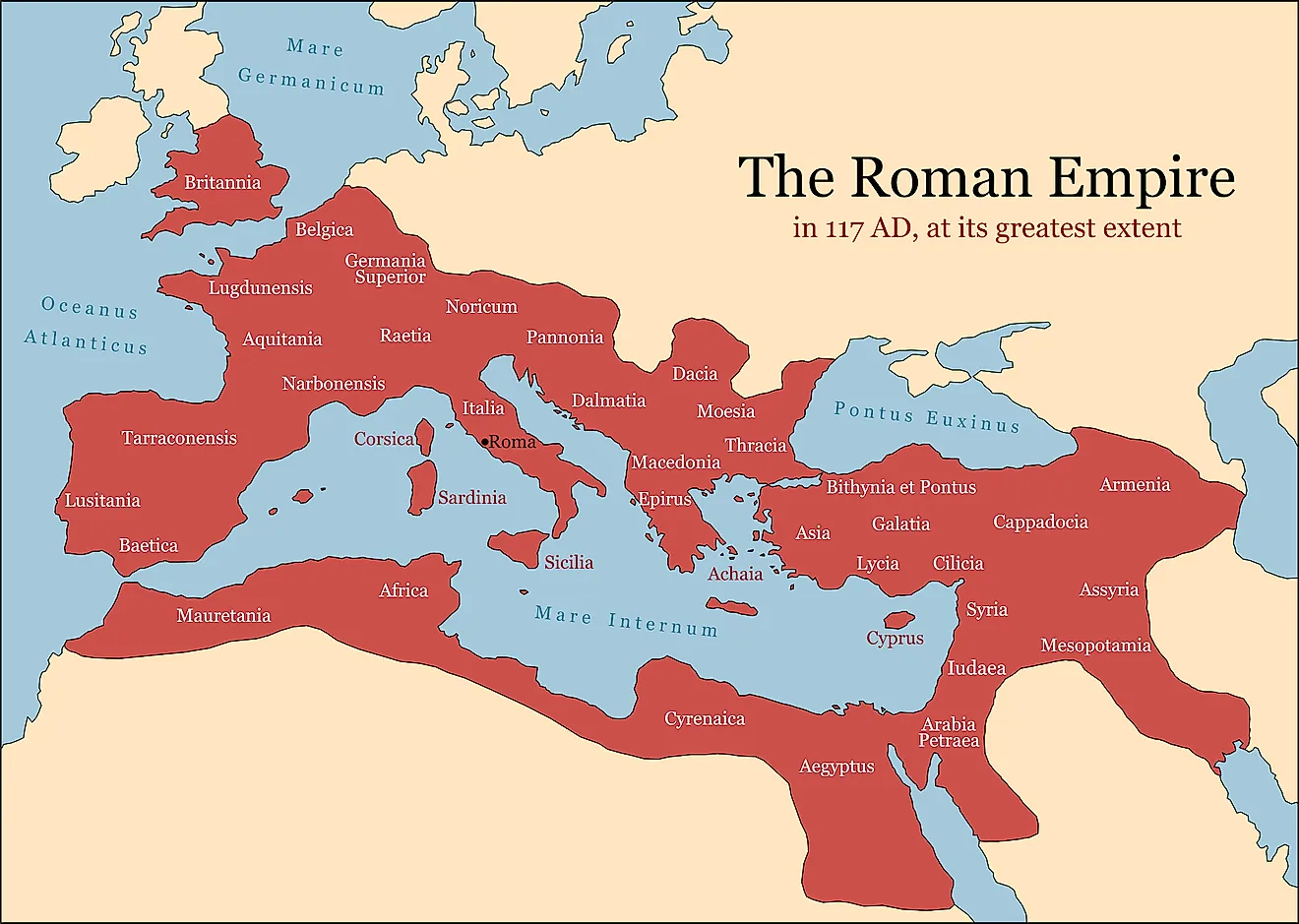
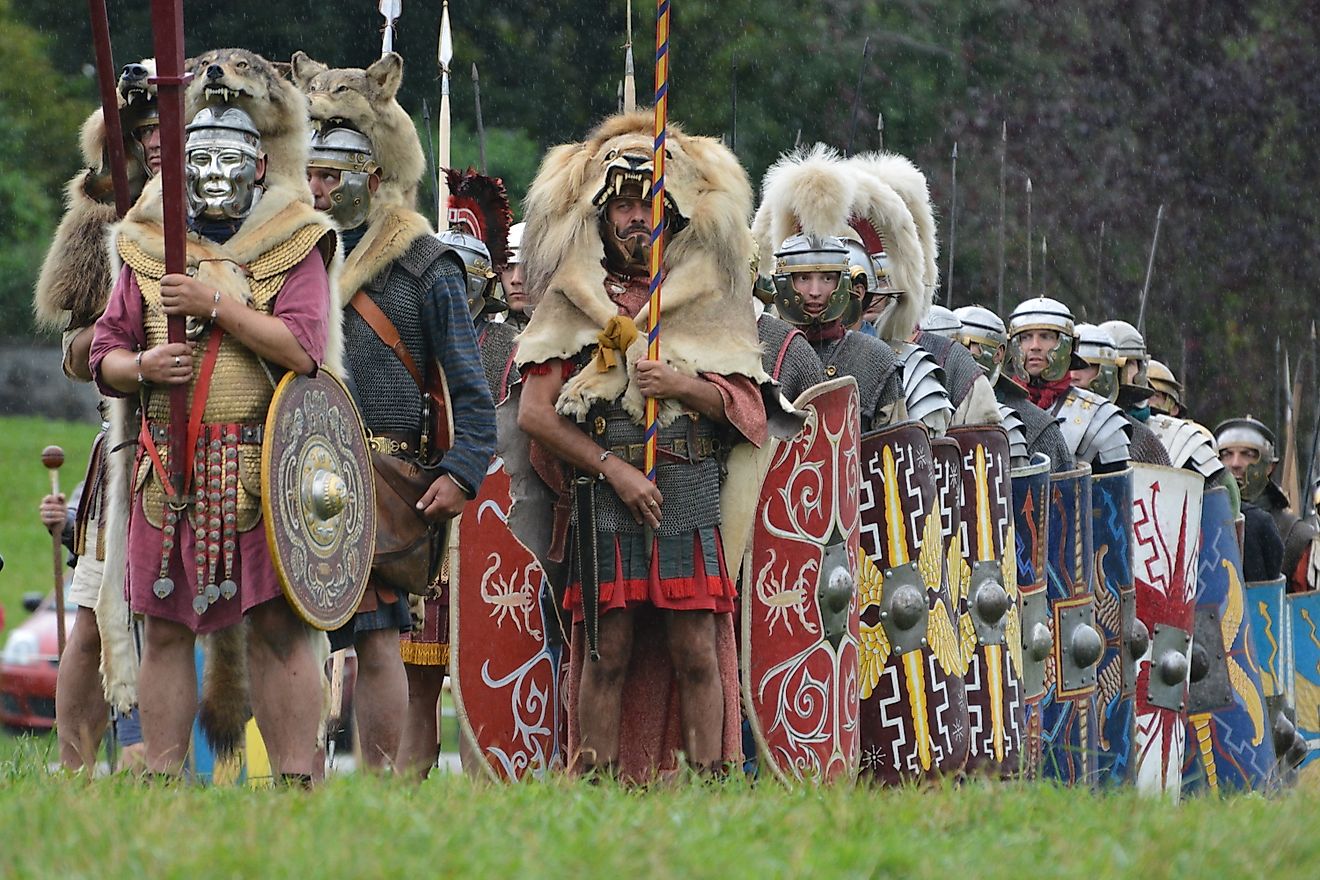
While Spartans may have gotten the Hollywood treatment, the Roman Empire's army has maintained a reputation for discipline and efficacy since its inception. Few aspects of that army were as consequential as the way it paid its soldiers, offering stability for those enlisted, which in turn ensured a high level of performance. Beyond a mere financial arrangement, the Roman compensation system was a finely tuned political instrument, social contract, and barometer of the empire’s health.
In the early Republic, there was no wage, no treasury outlay, no concept of soldiering as a profession. Compensation was more of a free for all, with booty, loot, land and captives comprising the lion's share of prizes for fighting. But the longer Rome’s ambitions stretched, the longer its armies had to stay in the field, and the harder it became to ask citizen-farmers to abandon their harvests indefinitely without compensation. From that grew the stipendium, the regular military salary, and from that salary grew an entire system of bonuses, deductions, pensions, and political gifts that would define the Roman state for centuries.
The Origins of the Stipendium

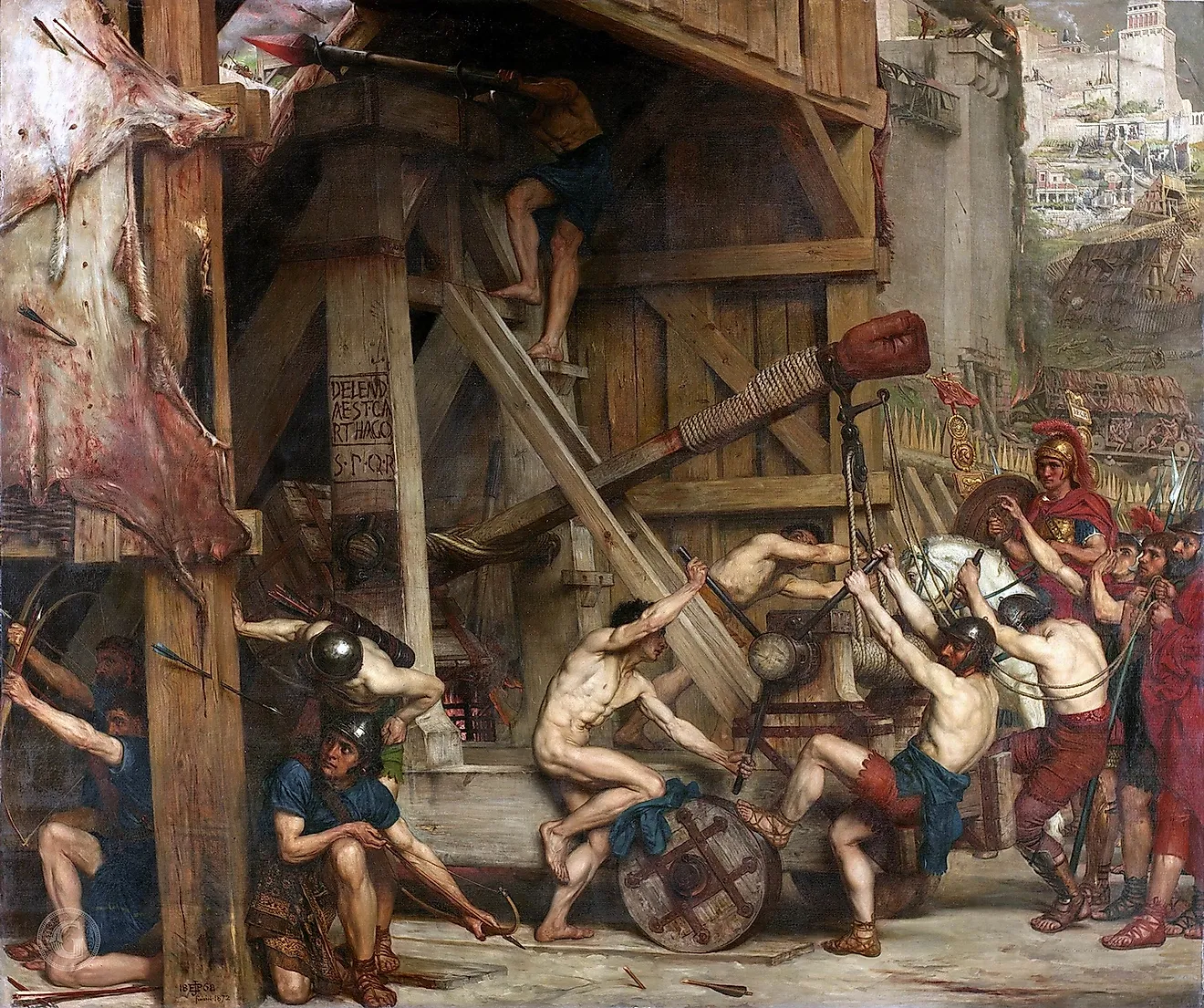
The ancient historian Livy, writing in the first century BC, records that the stipendium was introduced in 406-405 BC during the prolonged siege of Veii, a powerful city north of Rome. According to Livy, the Roman Senate took the step of offering wages voluntarily, without soldiers' demand, to sustain men who could no longer return home as the siege stretched across years.
Before the stipendium, military service fell most heavily on middling peasant landowners. Long campaigns meant untended fields, mounting debts, and families left vulnerable. The introduction of pay offered a practical solution to what was becoming a social crisis. As UNRV Roman History notes, paying soldiers meant that “men could remain in the field without plunging their families into financial ruin,” and it carried a stabilizing effect that brought the lower orders of Roman society into closer alignment with the state.
The leap came with Gaius Marius’s military reforms of 107-100 BC. Faced with a manpower crisis and a growing empire, Marius opened the legions to the landless poor who had no property but their labor. The state now supplied weapons, armor, and food. Regular pay became the primary attraction of military service, although the occasional bit of glory didn't hurt.
How Much Was a Roman Soldier Paid?

Under Augustus, the stipendium of an ordinary legionary was fixed at 225 denarii per year, in three installments. This payment pattern structured a soldier’s salary for nearly a century, and while direct modern equivalents are difficult, this income would have been better than what many laborers could have expected elsewhere.
The Greek historian Polybius, writing centuries earlier, had already noted a distinction between Roman and allied soldiers. The allies received their rations as a gift from Rome, while Roman soldiers had the monetary value of food, clothing, and equipment deducted directly from their pay. Ancient Origins estimates that as much as two-thirds of a soldier’s gross stipendium could be consumed by such deductions, leaving perhaps one-third as true disposable income.
The rates varied significantly by branch and unit. Legionary cavalrymen received more than their infantry counterparts, while the elite Praetorian Guard stationed in Rome earned far more than front-line troops. Under Augustus, praetorians received roughly three times the legionary rate, a premium that reflected both their proximity to power and their role as enforcers of imperial succession.
The Military Pension

One of Augustus’s most enduring institutional innovations was the aerarium militare, the military treasury he established in AD 6. The ancient biographer Suetonius frames the creation of this fund in practical terms: veterans who returned from service without adequate support were potential sources of political instability, liable to back any general who promised them land or coin. The aerarium militare was designed to remove that threat by the discharge benefit, or a military pension.
A legionary who completed twenty years of service, or twenty-five years as the standard was later revised, and received an honorable discharge, was entitled to 12,000 sesterces, roughly equivalent to twelve or thirteen years of base pay. Praetorian guardsmen received 20,000 sesterces. These sums could purchase a modest farm in the Italian provinces, fund a small business, or secure a place in local civic life. Auxiliaries, meanwhile, the non-citizen soldiers drawn from Rome’s subjects, were typically rewarded with Roman citizenship upon honorable discharge, and in some cases also received financial rewards or land grants.
Military historian Penelope Goodman notes that by guaranteeing the pension through dedicated taxation rather than imperial discretion, Augustus created a structure in which loyalty to the state superseded loyalty to any individual general.
Politics and The Donativum
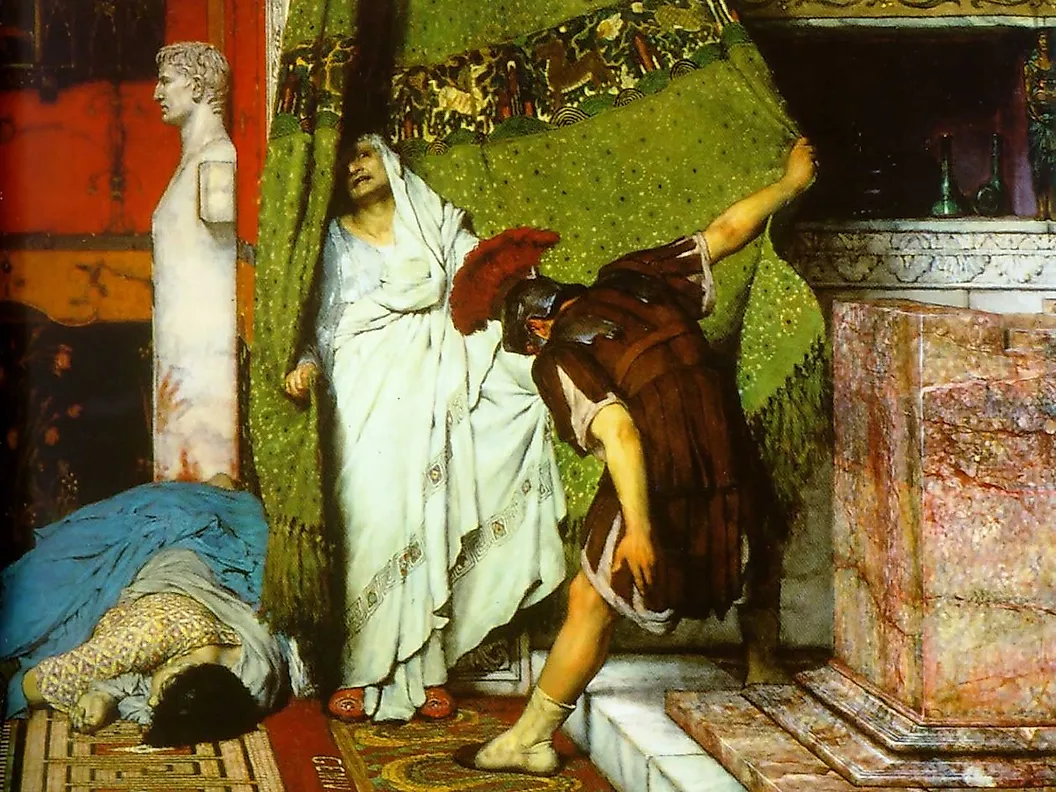
Beyond the regular stipendium lay a second and politically far more volatile dimension of Roman military pay: the donativum. This was a cash gift distributed by emperors to soldiers on special occasions. Augustus established the precedent in his final will, bequeathing 250 denarii to each ordinary legionary and 500 to each praetorian as a posthumous gesture of goodwill.
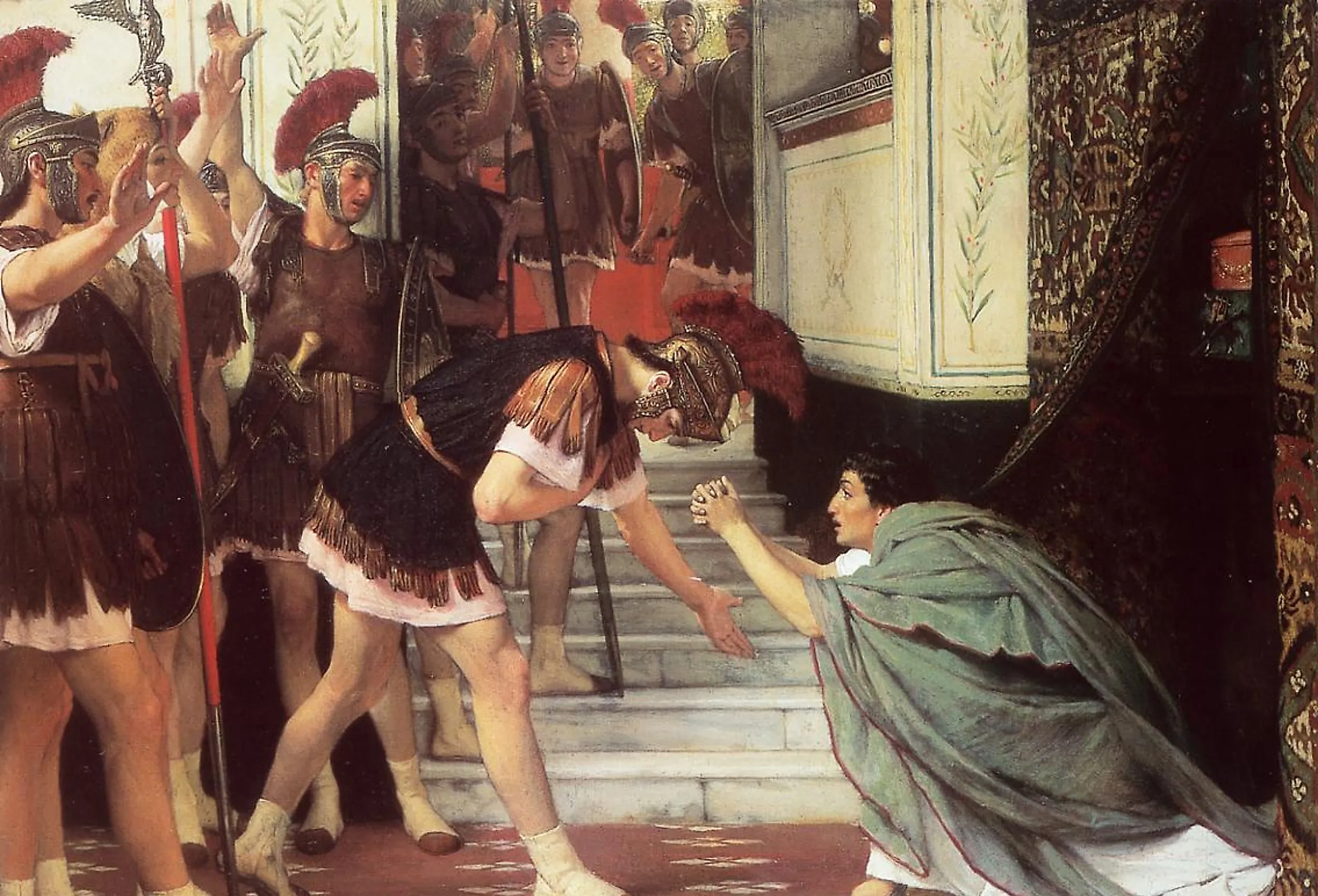
Over the following two centuries, the donativum became systematized as a fixture of imperial accession. When Claudius seized power in AD 41 following the assassination of Caligula, he secured Praetorian loyalty with a donativum of 3,750 denarii per guardsman, which was more than twelve times the annual legionary stipendium. Military historian Adrian Goldsworthy argues that the donativum system created a structural dependency in which each new emperor was effectively obliged to buy his throne with military coin.
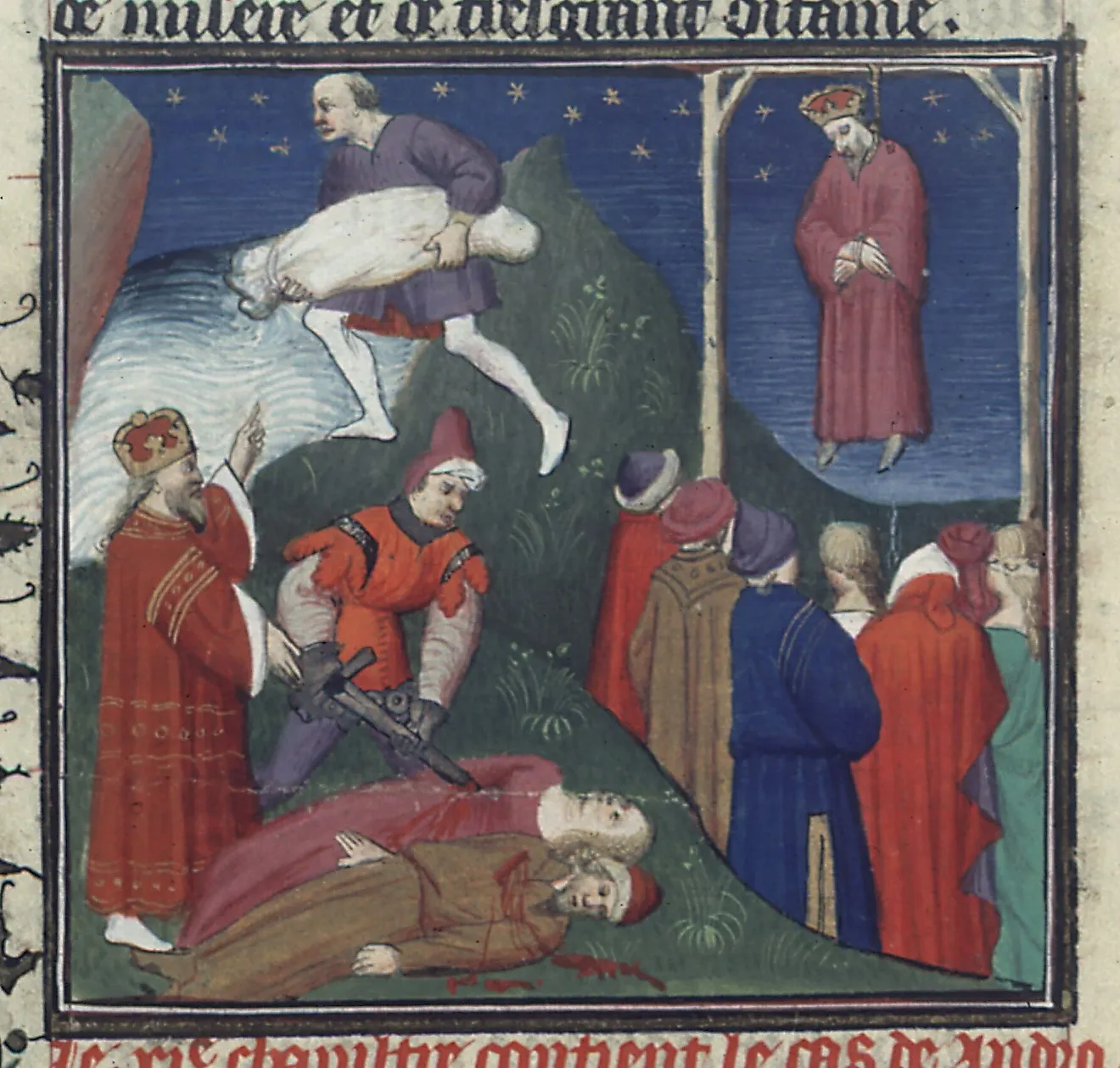
The crisis point arrived in AD 193. After the relatively honest emperor Pertinax was murdered after only eighty-six days in power for his attempts to restore fiscal discipline, the Praetorian Guard literally auctioned the imperial throne to the highest bidder. Didius Julianus outbid his rival by promising a massive donativum of 25,000 sesterces per guardsman, according to some ancient accounts and was proclaimed emperor. He lasted sixty-six days before being executed.
A Legacy Beyond The Roman Empire
The history of Roman military pay is, at its core, a history of the relationship between the state and the institution that guaranteed its existence. In the Republic, the stipendium was a pragmatic accommodation to the demands of long campaigning. Under Augustus, it became part of a deliberately engineered system of loyalty designed to align the long-term interests of soldiers with the stability of the imperial order. For roughly two centuries, from Augustus to the Severan dynasty, the system maintained general stability. Soldiers served out their twenty-five years, collected their discharge bonuses, and integrated into civilian life as Roman citizens. The army was a reliable instrument of state power because the state reliably paid for its upkeep.
But once the silver content of the denarius collapsed and the donativum escalated from bonus to entrance requirement, the contract between emperor and army inverted. Rather than the state directing the military through compensation, the military extracted compensation from whoever claimed to be the emperor. The forty-nine-year period between 235 and 284 AD saw more than twenty emperors, the majority of whom were elevated by armies and killed by the same.
The concept of regular wages for professional soldiers, discharge bonuses tied to years of service, ranked pay scales reflecting hierarchy, and the tension between a state’s fiscal capacity and its military obligations are not Roman inventions that died with Rome. These ideas outlasted the empire that originated them, and set the tone for what a high-functioning, effective military force could be. For that reason, plus a little help from the iconic phalanx formation, the Roman army is still held in high regard.