Who Were The Sea Peoples And Why Did They Terrify The Ancient World?
They came from the sea, but their true origins were a mystery.
In the Bronze Age era around 1200 BCE, an unstoppable maritime threat swept across coastal towns and cities of the Eastern Mediterranean. The Egyptians called them the "Sea Peoples," a name that captures both their origin and their menace. They were not from a single nation or tribe. They were a shifting coalition of raiders, migrants, and mercenaries. Historians have speculated that the "Sea Peoples" were possibly Greeks, Sardinians, Sicilians, Anatolians, and perhaps even the ancestors of the Etruscans and Philistines. They spoke different languages, worshipped different gods, and sailed from different ports. But together, they brought Bronze Age Egypt to its knees. There are a number of theories about the origin of the Sea Peoples, none of which have been entirely verified. Because ancient texts are sparse, much about them still remains a mystery, but we know that they struck terror in the hearts of those in the cities they ransacked.
The Root of Fear

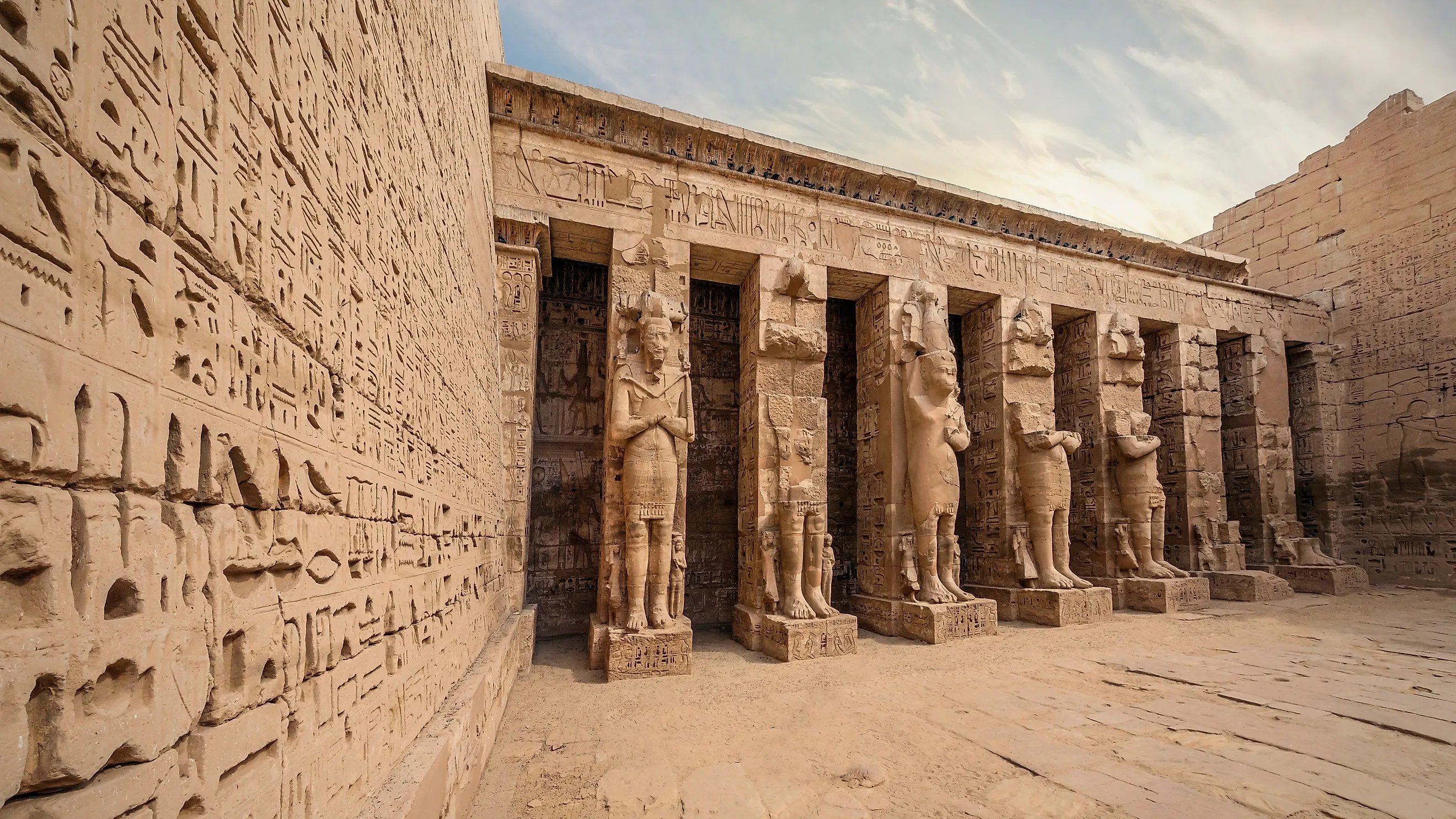
When the Sea Peoples won an attack, they didn't just claim victory; they erased cities from the map. Historians believe that they systematically destroyed several economic and cultural centers of the Bronze Age world, including one of the world's greatest ancient empires, the mighty Hittite Empire. The archaeological record tells a story of absolute devastation. Sites like Ugarit were burned to the ground, leaving layers of ash, collapsed buildings, and buried treasure that was never recovered; ancient Ugarit texts allude to the Sea Peoples in the lead-up to the city's destruction in 1180 BCE. Egyptian pharaoh Ramesses III's inscriptions at Medinet Habu describe the Sea Peoples spreading fire and ruin across the lands they crossed, from the Aegean to the Levant. We know that the larger umbrella of "Sea Peoples" included groups like the Lukka, Karkiya, Peleset, and Sherden people, but the origins of some of these groups are not known.
Sea Peoples' Shocking Tactics That Destroyed Ancient Empires

The Sea Peoples had excellent timing. They exploited conflicts between Egypt and the Hittites, which gave them access to resources and intelligence about Egypt's weakened defenses. The result was one of history's most mysterious and devastating invasions. The Mycenaeans fell. The Hittites fell. The Egyptians barely survived, and only after a desperate battle in 1178 BCE that Ramesses III described as one of the greatest victories in Egypt's history.
Their success was no accident. Military strength was on their side, as was their most remarkable tactic, maritime raiding. They had the advantage in ancient warfare, and great empires simply could not counter their attacks. They strategically targeted coastal cities, ports, and trade routes, often seizing undefended or lightly fortified settlements. Their fleets, equipped with war galleys, allowed them to strike quickly and retreat before strong defenses could be mobilized. Without a doubt, they were faster than their opposition. Illustrations indicate that their war galleys were lighter, shallower, and more maneuverable than the heavy ships of the Egyptians and Hittites. These specialized vessels allowed them to sail closer to the wind, travel vast distances, and strike coastal cities before defenders could even sound the alarm. This mobility made them dangerous to both Egypt and the Hittite Empire.

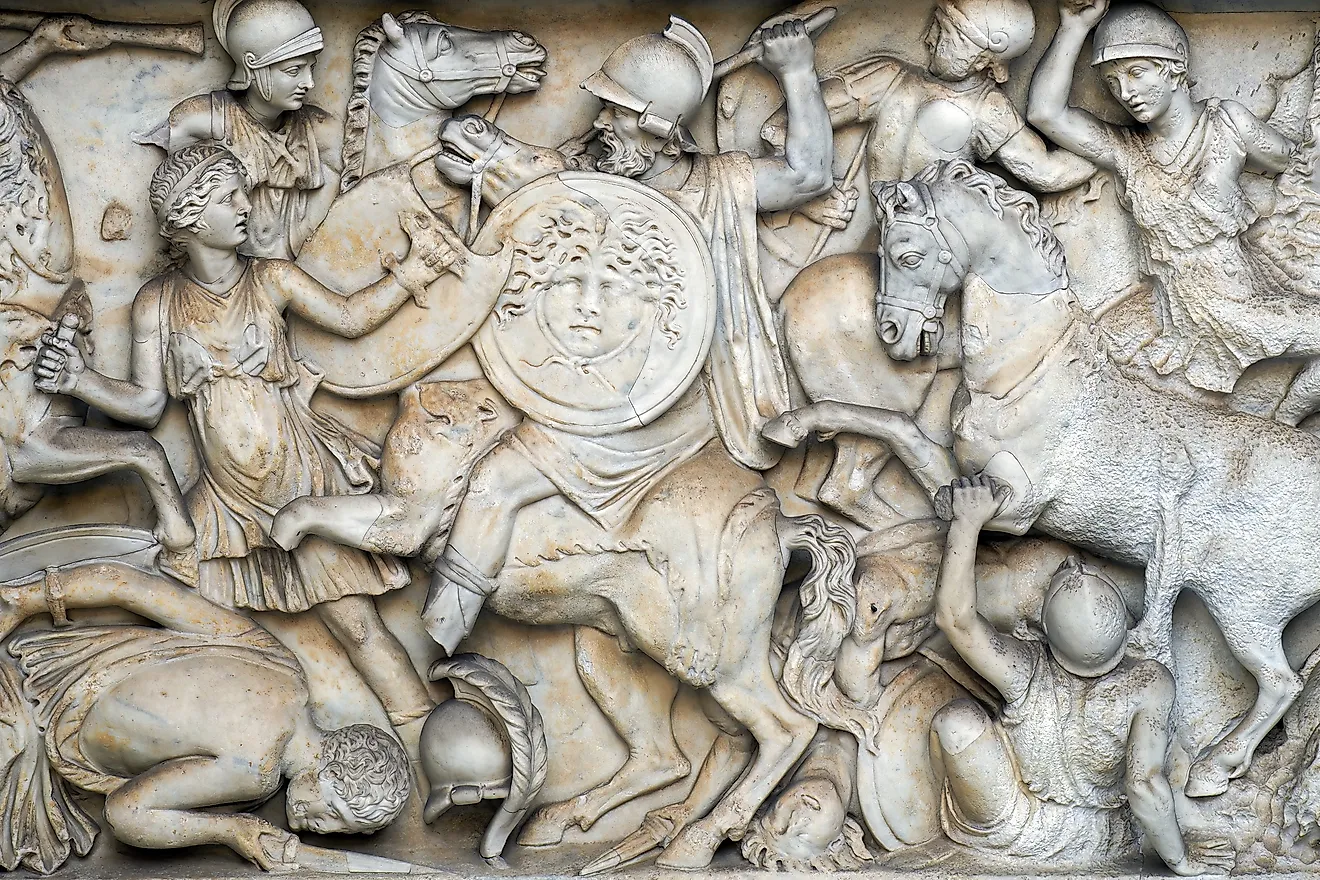
While Chariot-based armies dominated the battlefield, historians believe that the Sea Peoples rejected that tradition, relying instead on disciplined infantry squares and tactical innovations that proved devastatingly effective. Egyptian reliefs depict the Sea Peoples wielding advanced slashing swords. They wielded the Naue II-type swords, a European design that was longer, more versatile, and more effective against traditional Bronze Age weaponry. Some groups also used javelins and, uniquely among the period's warriors, wore distinctive horned helmets that made them appear demonic to their enemies.
The Sea Peoples didn't just raid; they coordinated devastating attacks on both land and water. By bypassing heavily fortified borders and striking vulnerable coastal cities, they avoided the traditional defenses of the great empires.
Mass Terror and Psychological Fear

One of the main reasons the Sea Peoples terrified their enemies was their mysterious origins. No one knew where they came from. When they attacked, they arrived not as raiders, but as migrants, bringing their families, livestock, and possessions in oxcarts. They were looking for a new home. Egyptian sources are explicit about the terror this inspired. They were described in contemporary Egyptian records as a terrifying and unstoppable force that threatened the very existence of civilization. The pharaoh Ramesses II himself complained of the Sherden pirates, saying they "came boldly [sailing] in their warships from the midst of the sea, none being able to withstand them." His own words confirm that even the great pharaoh considered them a formidable and unconquerable enemy. The terror is also evident in the panic of other civilizations. For example, the desperate letters from the King of Ugarit, a city about to be destroyed, show the fear of a ruler who knew his defenses were useless against the incoming attack.
Who Were the Sea Peoples? The Mystery Endures
The Sea Peoples were lucky. Or rather, they had perfect timing. According to Historian Eric Cline, the Bronze Age collapse was a "perfect storm of calamities." Earthquakes, drought, famine, and systems collapse all struck at once, creating conditions the Empires couldn't withstand. The Sea Peoples didn't cause this crisis; they exploited it. The ultimate success of the Sea Peoples was not solely due to their own capabilities, but also the fragile state of the empires they attacked. The Sea Peoples likely encountered "kingdoms and empires already in decline and in a weakened state". Cline's analysis suggests their success was the result of an interdependent crisis that affected all the major powers, making them vulnerable to outside invaders.
And then, the Sea Peoples vanished. Some groups, like the Peleset, settled in Canaan and likely became the Philistines, one of ancient Israel's most famous adversaries. The Sherden were incorporated into the Egyptian army, serving as elite bodyguards. Others dispersed, their identities lost to history. But their legacy endures: they may have been the final, decisive blow that ended the Bronze Age, ushering in a new era of Iron Age kingdoms.