Ancient Industries That Made Empires Rich
Imperial wealth in the ancient world didn't come from conquest alone. Rulers also needed steady systems that produced food, labor, and raw materials. Before 500 AD, some of the richest empires relied on industries that created goods the state could tax, store, or exchange across long distances.
Grain helped feed armies and cities. Textiles became payment and trade goods. Gold strengthened royal treasuries and foreign diplomacy. Metalworking supplied weapons, tools, and high-status objects. The strongest ancient empires were often those that turned basic production into lasting political and economic strength.
Agriculture

Agriculture gave ancient civilizations a recurring base of food and revenue. Each harvest created supplies for cities, provisions for soldiers, and goods the state could claim. Unlike luxury goods, grain and other farm products were needed every year, which made farmland one of the most valuable assets an empire could control.
Achaemenid Persian Empire
The Achaemenid Persian Empire turned agriculture into revenue through provincial taxation and royal landholding. This system became especially important under Darius I, whose reign began in 522 BC. Because the empire covered regions with different crops, climates, and local economies, taxes didn't take one single form.
In major farming provinces such as Babylonia, Syria, and Egypt, cultivated land served as a basis for assessment. Some obligations came as produce, labor, or deliveries from royal domains. This helped pay for numerous projects and services across a vast empire. By drawing regular income from conquered provinces, the Achaemenids turned farmland and local production into the fiscal structure behind imperial rule.
Roman Empire
Rome's farming wealth depended on grain shipments across the Mediterranean. Egypt, North Africa, and Sicily supplied large amounts of wheat to the capital and other parts of the empire. The system became even more important after Augustus brought Egypt under Roman control in 30 BC.
The annona helped keep Rome fed, while military supply networks carried grain toward frontier zones and campaign routes. Provincial fields did more than enrich landowners. They kept warehouses filled, forces provisioned, and the urban population less vulnerable to shortage. Control of grain allowed emperors to leverage their power over public order and military reach.
Textiles
Textile production built value by concentrating labor in a finished product. Raw fiber had to pass through many hands before it became cloth, from growers to spinners to weavers. Where rulers or major institutions could command that work, finished fabric became a useful store of wealth. It could leave a workshop as clothing, payment, or a trade good.
Han Empire
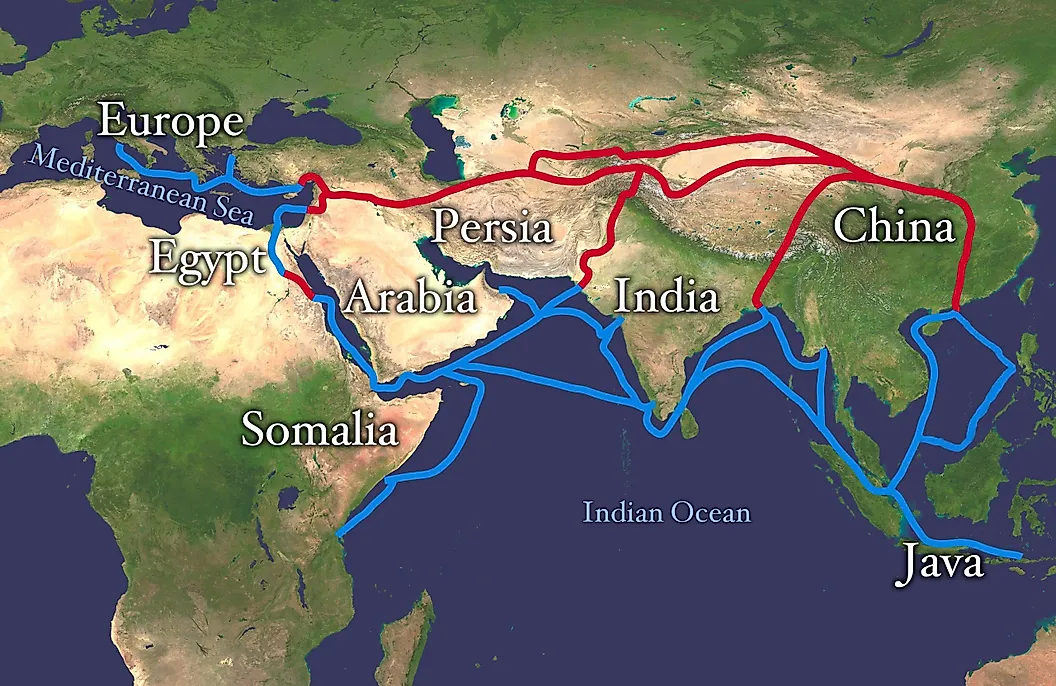
Silk had been made in China long before the Han, but it took on a wider imperial role after Han armies and envoys pushed toward Central Asia in the late second century BC. The fabric was valuable abroad because its production depended on specialized knowledge of raising silkworms, harvesting their cocoons, and weaving the fine threads into cloth.
Han rulers used silk in practical ways. Bolts of cloth could reward officials, ease relations with frontier groups, or enter gift exchanges with neighboring powers. As merchants carried silk westward, demand outside China provided access to distant markets. Silk helped Han China draw wealth from domestic labor while offering a product that worked in trade and diplomacy.
New Kingdom Egypt
Linen served a different purpose in New Kingdom Egypt between about 1550 and 1069 BC. Flax grew along the Nile, then workers used spindles and spindle whorls to turn fiber into thread before weaving began. Palace and temple institutions collected cloth into storerooms and issued it where it was needed.
Some linen paid workers. Finer pieces went to temples, burials, and elite households. Egypt gained from this system because powerful institutions controlled the crop, the labor, and the finished product. Linen let palaces and temples turn local agriculture into stored value, ritual display, and material support for royal service.
Gold Mining

Gold gave ancient rulers a form of wealth that could be held in a small space and recognized across borders. It didn't spoil, and it could be weighed, gifted, or reshaped. Some empires used it mainly for display and diplomacy. Others turned it into coinage and state finance.
New Kingdom Egypt
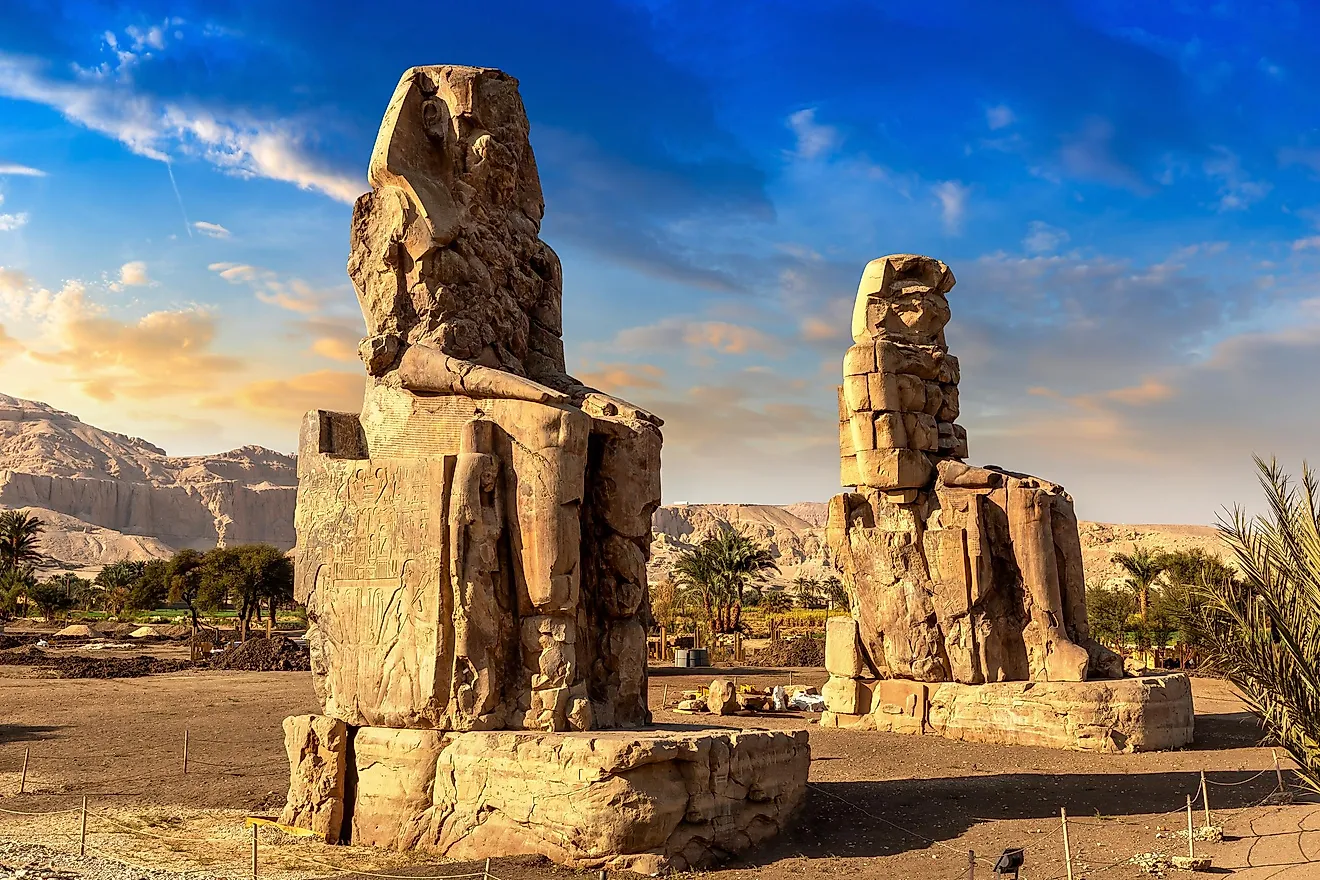
During the New Kingdom, beginning around 1550 BC, Egypt's control in Nubia meant pharaohs could access major gold-producing regions south of the traditional Egyptian heartland. Gold increased the state's wealth in a direct and visible way. It accumulated in temple treasuries and royal storehouses, where it could be recorded and issued when needed.
Gold became jewelry, temple objects, and royal gifts. It also left Egypt as a diplomatic payment, helping pharaohs reward loyalty and strengthen ties with other courts. Because gold was compact, durable, and widely valued, it allowed the Egyptian state to concentrate wealth and use it to support numerous endeavors.
Roman Empire
After Rome consolidated control in northwest Iberia, gold mining became part of imperial extraction in the region. At Las Médulas, Roman authorities used hydraulic mining in the 1st century AD to break apart gold-bearing deposits on a massive scale. Canals, reservoirs, and water channels made the mine part of a larger extraction system.
The gold could then enter Roman finance through the treasury and coinage, including imperial gold coins used for high-value payments. A conquered landscape became a source of metal for military and public spending.
Metalworking

Metalworking turned raw ore into tools, weapons, and durable goods. Tools raised production in farms, mines, and workshops. Weapons protected territory and helped rulers demand tribute. Finished metal objects held value long after grain or livestock was gone. Because metal could be repaired, reused, or melted down, ancient states had a durable form of wealth as well as the equipment needed to expand it.
Hittite Empire
Bronze provided the Hittite Empire with one of its most useful forms of wealth. From the seventeenth to the early 12 century BC, metalworkers in Anatolia turned raw metal into goods that were harder to replace than the material itself. Bronze saws and sickle blades helped with building and harvest work, which fed palace stores. Bronze arrowheads and blades gave Hittite armies the equipment they could use across repeated campaigns. Finer metalwork also added lasting value to palace and temple wealth. Iron was known in Hittite Anatolia, but it remained rare. The stronger economic case runs through bronze and the skilled work that made it valuable.
Han Empire
By 117 BC, Emperor Wu of Han China had approved a state monopoly over iron production and trade. Private ironmasters had already built fortunes from the industry, which made iron an obvious target for the court. State iron offices produced pig iron in blast furnaces, then sold cast-iron implements and raw iron. Other state establishments used that material for weapons.
The value came from ordinary demand. Farmers needed iron implements for fieldwork, while the military needed equipment for campaigns and frontier defense. The monopoly pulled profit from that demand into government hands. In 81 BC, the Salt and Iron debate showed how deeply the policy reached into work, prices, and public revenue.
The Industries That Shaped Imperial Wealth

The wealth of ancient empires was built slowly through work that could be repeated, measured, and controlled. Fields produced grain year after year when irrigation, labor, and storage systems held together. Workshops turned fiber and metal into goods with higher value than the raw materials. Mines supplied gold that rulers could keep in treasuries, display in temples, or turn into coinage in later imperial systems.
These industries depended on workers and officials tied into larger systems of power. They also show how closely ancient wealth followed geography, from river valleys to mineral-rich regions. The richest states were often the ones that turned everyday production into steady revenue, military strength, and political influence.