How Roman Military Camps Worked
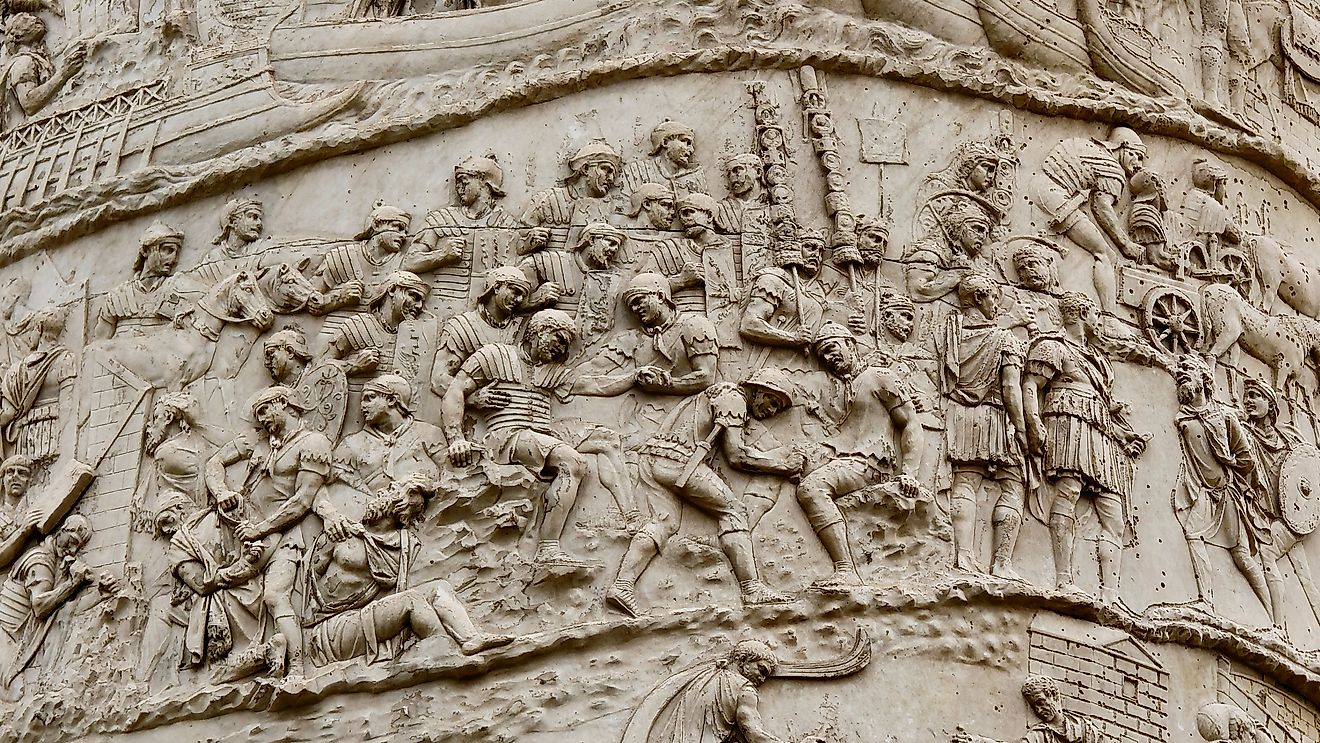
A tired Roman legion ended its march and started digging. Within hours the same soldiers stood behind a ditch and a walled rampart. They built these fortified camps everywhere they went. The Romans called such a camp a castrum. Many of them grew into permanent forts and towns.
The speed came from practice and a plan everyone already knew. Surveyors staked out the same rectangular grid every time. Each unit dug its stretch of ditch and pitched its tents in an assigned spot. Every soldier already knew where his cohort slept and where the commander sat.
History

Roman armies used fortified camps throughout the Republic and Empire. Earlier military powers also protected their camps, but the Romans placed unusual importance on building them according to a regular system. By the second century BCE, the historian Polybius described Roman camps as following a familiar plan that soldiers could reproduce in different locations.
This consistency offered several advantages. A camp protected soldiers and supplies from surprise attacks during the night. It also gave the army a dependable base from which to send patrols, plan movements, and prepare for battle. Even in unfamiliar territory, every soldier knew where his unit belonged and where to find the commander, supplies, and defenses.
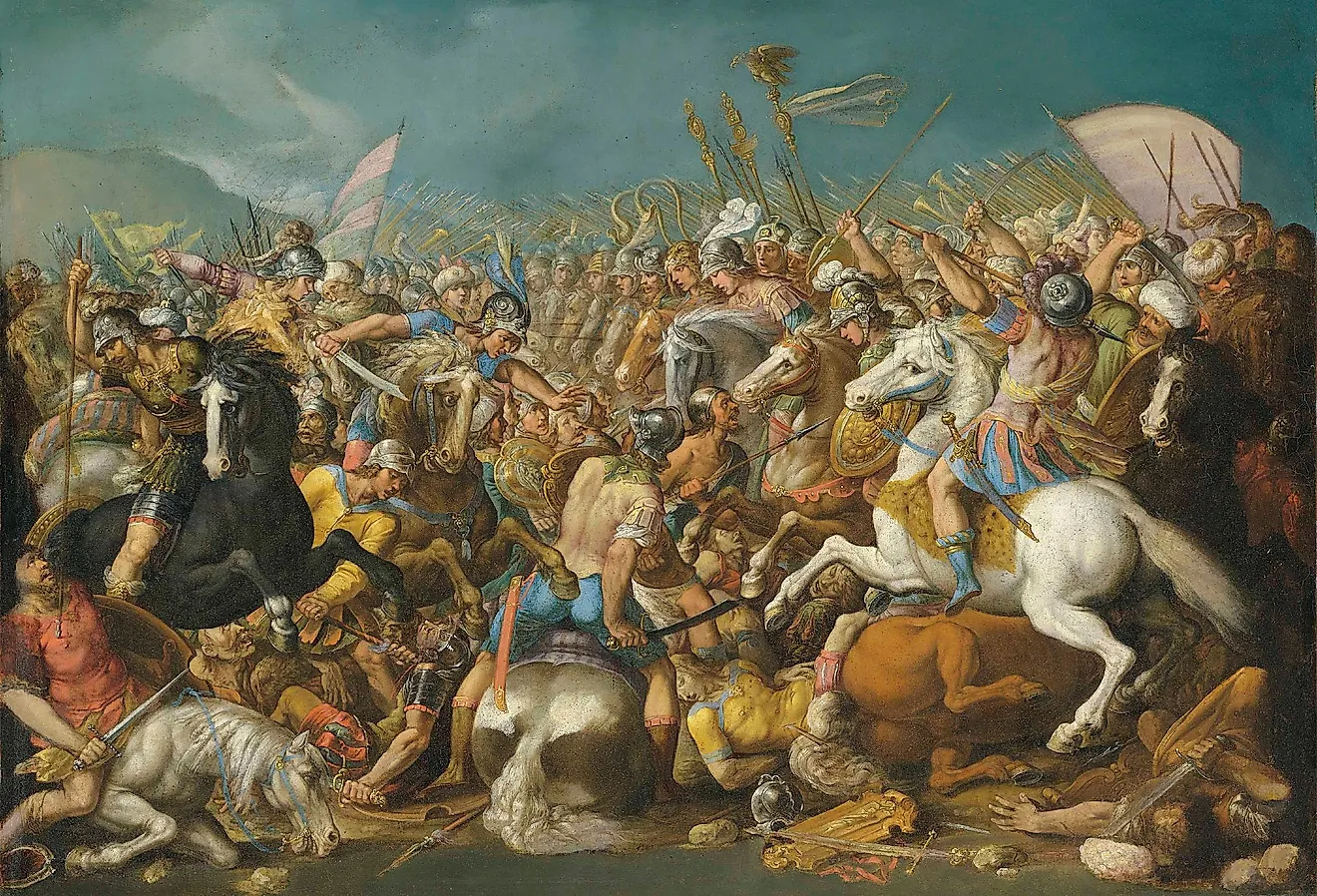
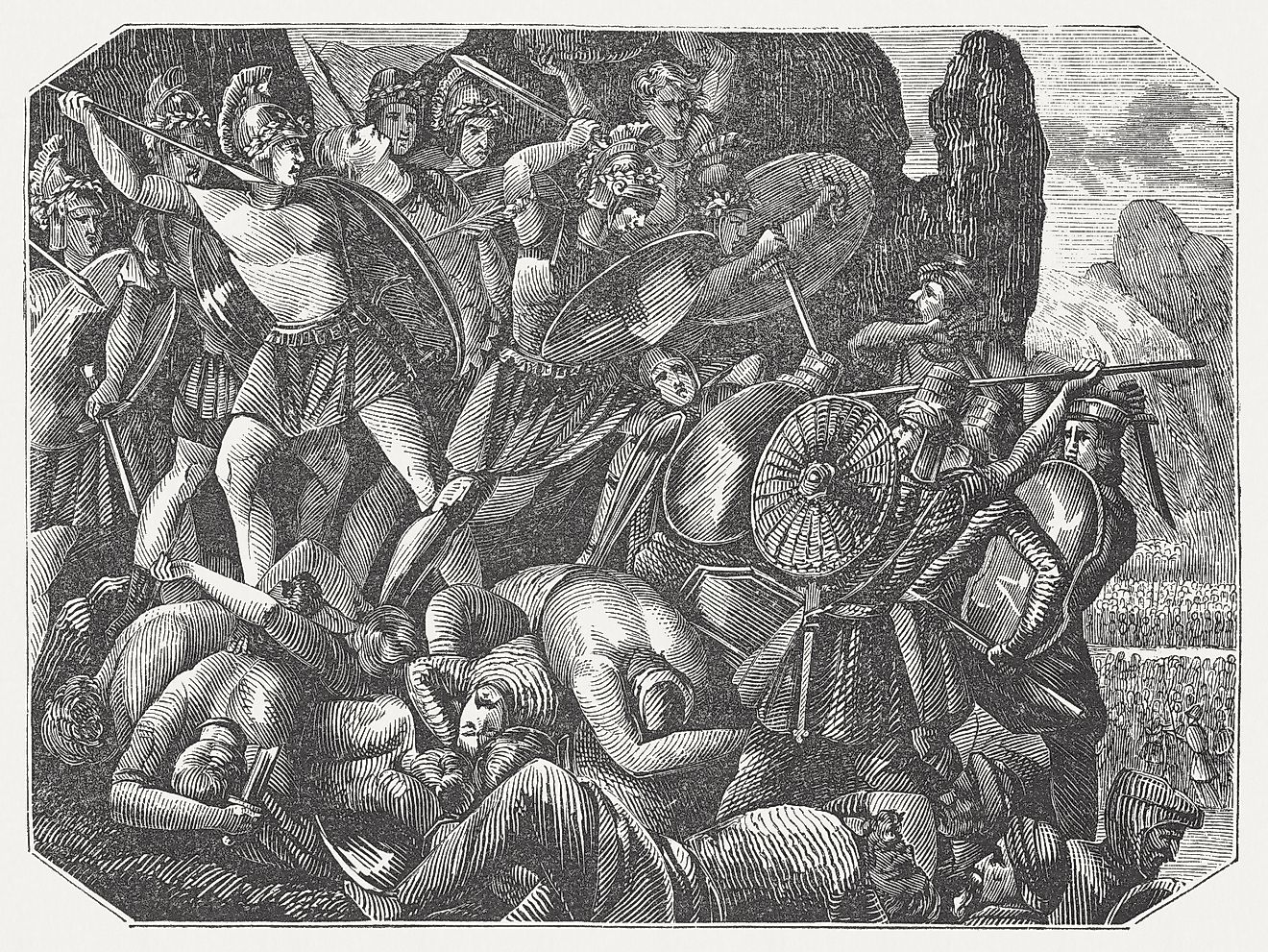
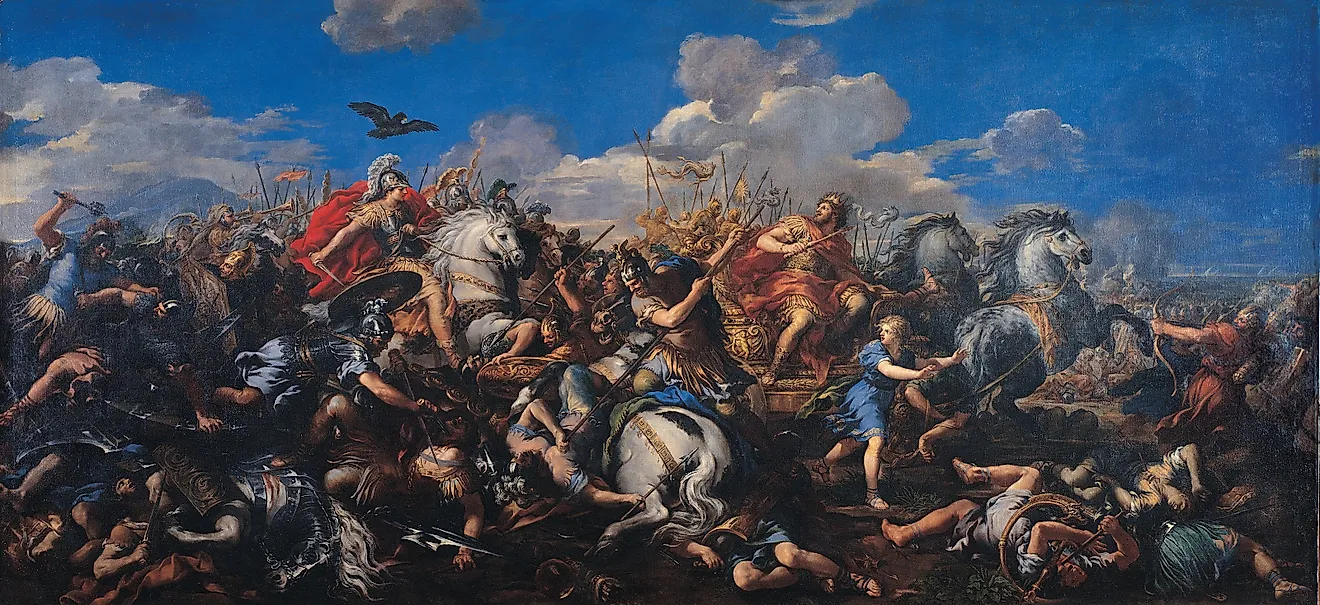
The importance of this training became clear during emergencies. At the Battle of the Sabis in 57 BCE, Julius Caesar's forces were beginning to construct a camp when the Nervii and their allies launched a sudden attack. Some soldiers were still digging, while baggage and other units had not yet fully arrived. The legionaries had to leave their work, form battle lines, and respond quickly. The camp was not complete enough to serve as a finished fortress, but the soldiers' discipline and familiarity with assigned duties helped them organize during the surprise assault.
Temporary camps also helped Roman armies move farther into hostile territory. Instead of relying only on existing towns or permanent forts, a legion could carry the skills and equipment needed to create a defended position almost anywhere. Each new camp became a temporary Roman stronghold.
Basic Layout of a Roman Camp

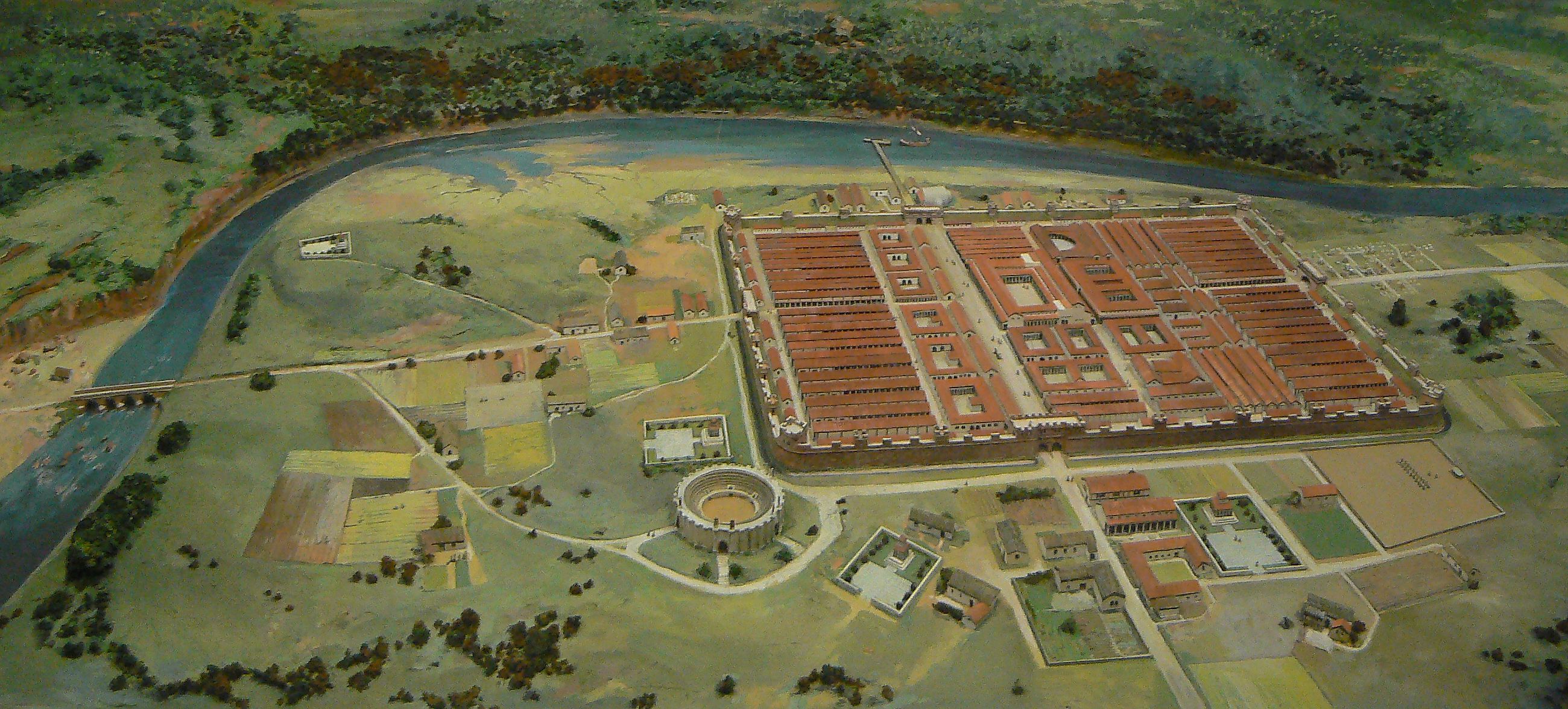
Roman camps were generally square or rectangular, often with rounded corners that were easier to defend. Their exact size depended on the number and type of troops present, but the overall layout followed a recognizable pattern. Near the center stood the commander's headquarters, surrounded by the tents of senior officers and spaces used for administration, meetings, religious observances, and supplies. Broad roads crossed the camp and divided it into organized sections. Smaller lanes provided access to the tents assigned to each legion, cohort, or auxiliary unit.
The soldiers' leather or canvas tents were arranged in regular rows. This organization meant that troops did not waste time choosing places to sleep or searching for their officers. Each unit knew its assigned position before construction began. Between the tents and the outer defenses lay an open area called the intervallum. This space kept the soldiers' quarters away from enemy missiles and reduced the danger of fire spreading from the camp's edge. It also provided room for troops, baggage animals, and movement around the perimeter.
The outer defenses usually began with a ditch called the fossa. Soil and stone removed from the ditch were piled along its inner edge to form an earthen rampart, or vallum. The rampart could be reinforced with turf and topped with wooden stakes carried by the soldiers or with timber gathered nearby. Most camps had several entrances positioned around the defenses. These gates connected to the camp's principal roads and allowed troops to enter, leave, or form up quickly. In a basic marching camp, an entrance might be little more than a protected gap in the rampart. Longer-lasting camps could have stronger gates, towers, and additional defenses.
Types of Roman Camps

Not every Roman camp was built for the same length of occupation. Some were basic marching camps intended to protect an army for a single night. Others served as winter quarters or permanent military bases. The Romans referred to seasonal or campaign camps as castra aestiva. These camps were normally built while an army was actively marching or campaigning. Their defenses could be relatively simple if the army planned to leave the next morning, although a camp near an enemy might receive deeper ditches and stronger ramparts.
Winter camps, known as castra hiberna, were occupied for longer periods. Because the soldiers expected to remain through the colder months, these positions could include stronger defenses, improved shelters, storage buildings, workshops, and stables. Temporary tents might be replaced or reinforced with wood and other local materials. Permanent or standing camps were called castra stativa. Many began with timber-and-earth defenses and were later rebuilt with stone walls and more substantial buildings. A permanent legionary fortress might contain barracks, bathhouses, and a hospital.
Civilian settlements often grew outside these military bases. Merchants, soldiers' families, and other residents gathered near the forts to provide goods and services. Some modern European cities developed near or directly over former Roman military sites. The divisions between these camp types were not always strict. A position planned for a short occupation could become a winter base, and a winter camp could later develop into a permanent fortress. Roman commanders adapted the standard design to the terrain, the threat, and the needs of the army.
Making Camp

The construction of a Roman camp began before the main force arrived. A detachment moved ahead to select and survey a suitable location. Its members looked for firm, well-drained ground with access to supplies and useful roads. They also tried to avoid low ground vulnerable to flooding and terrain that could conceal an enemy attack.
Once a site was chosen, the surveyors marked the commander's area, the roads, the unit positions, and the outer boundary. Flags, measuring tools, and standardized distances helped them lay out the camp quickly while still adjusting it to local conditions. When the main army arrived, the legionaries divided the work. If an enemy was nearby, part of the force stood guard while the rest began construction. In safer conditions, more soldiers could take part.
The first major task was usually digging the defensive ditch. The excavated soil and rocks were thrown inward to begin the rampart. The size of the ditch depended on the danger. A camp intended for a quiet overnight stop might have modest defenses, while one built close to an enemy could have a much deeper ditch and higher rampart. The soldiers then strengthened the rampart with soil, turf, or timber. Gates and defensive obstacles were added where necessary. Once the perimeter was secure, units raised their tents, organized supplies, and prepared meals.
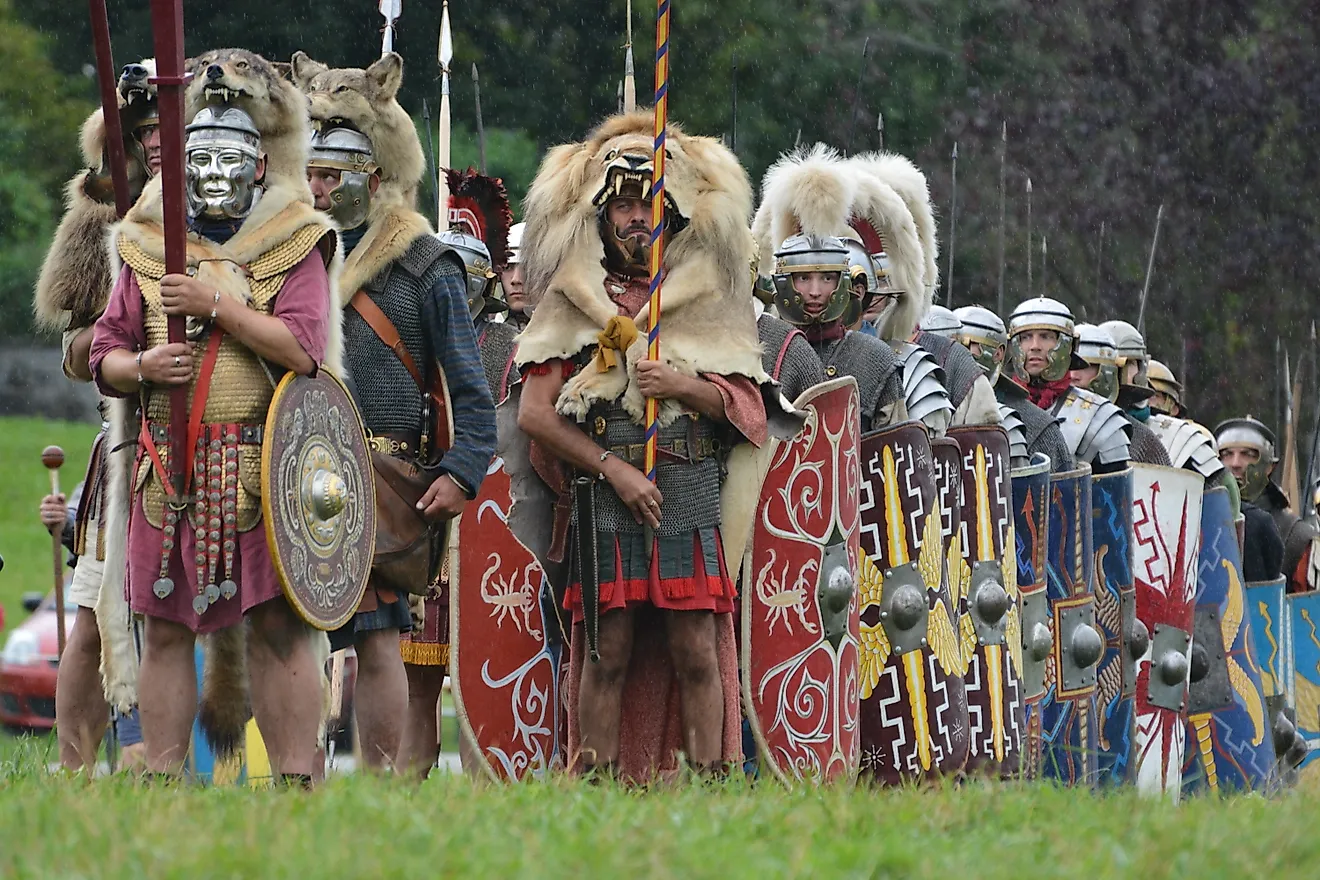
This system worked because construction was spread among most soldiers. Roman legionaries trained for marching, digging, and building defenses. During much of the early Empire, a legion included roughly 5,000 men divided into 10 cohorts. Most cohorts contained six centuries of approximately 80 soldiers, each commanded by a centurion. Thousands of trained men working at the same time could complete the essential defenses and accommodations far faster than an unorganized force. Roman sources do not establish a universal rule that every camp could be completed in exactly three hours. Construction time depended on the terrain, army size, and enemy activity. Under favorable conditions, however, the standardized plan and the large supply of disciplined labor allowed the army to build a secure position within several hours.
Importance of Roman Camps
The camp provided both physical protection and discipline, keeping soldiers trained in working as organized units. It also affected enemy morale. An opposing force could watch a Roman army arrive after a long march and, within hours, surround itself with ditches, ramparts, and guarded entrances.
Roman military camps were, therefore, safe and portable fortifications created by soldiers who had learned to turn almost any suitable ground into an organized base. Their predictable layout reduced confusion, their defenses discouraged attacks, and their construction demonstrated the discipline that helped Roman armies campaign across their vast Empire.