The Difference Between The Early And Late Roman Empire
The Roman Empire existed in its most well-known form for about 500 years. Like any long-lasting state, it dramatically changed over time. These differences can be most clearly observed by comparing the early and late Roman Empire. The emperor's authority, Roman military strategy, and the empire's religious makeup are just some of the many things that changed.
From "Limited" to Absolute Authority

When Augustus founded the Empire in 27 BCE, he transformed the Roman government. Whereas Republican Rome was built on power-sharing, now one person, the emperor, had ultimate authority. However, early on, there were still some allusions to the previous system. Rather than proclaiming himself king, Augustus called himself Princeps, meaning "first citizen." He also maintained the appearance that the Republic still existed. The Senate remained important, and republican norms continued to be practiced. Other emperors, like Trajan (98 to 117 AD), took influence from Augustus and often consulted the Senate before making major decisions. In short, emperors during the early empire had absolute authority on paper, but this power was sometimes restrained by norms and their own beliefs.
Following the Crisis of the Third Century, a roughly fifty-year period of civil war from 235 to 284 AD, newly anointed emperor Diocletian dropped many republican trappings. He believed that for Rome to survive, the emperor required more power. In turn, emperors became absolute monarchs, supreme lawgivers, and the center of the entire government. Citizens bowed before them, and court ceremonies based on eastern kingdoms became highly ritualized. The Senate continued to function but now served an almost exclusively ceremonial role. In many ways, Rome had come full circle. Before the Republic, it was a monarchy. Under Diocletian and his successors, the emperor was a king in all but name.
The Size Of Government

The early Roman Empire's bureaucracy was relatively small. Admittedly, it was larger than that of the Roman Republic. Augustus hired thousands of bureaucrats, created a professional standing army, and invested heavily in public works projects that required many paid workers. Nevertheless, regional governors still had significant autonomy, and local elites were free to manage civic affairs as they saw fit.
Diocletian significantly expanded the size of the government. He divided the empire into smaller provinces, which were then grouped into larger administrative units. This necessitated hiring thousands of officials. In turn, record keeping improved, and tax collection became more efficient. Perhaps most importantly, Diocletian administratively split the empire into east and west. Each half was now ruled by two emperors, a senior one called an Augustus, and a junior one called the Caesar. Even though this system didn't last, it paved the way for the empire's permanent division in 395 AD.
Expansion Vs. Defense

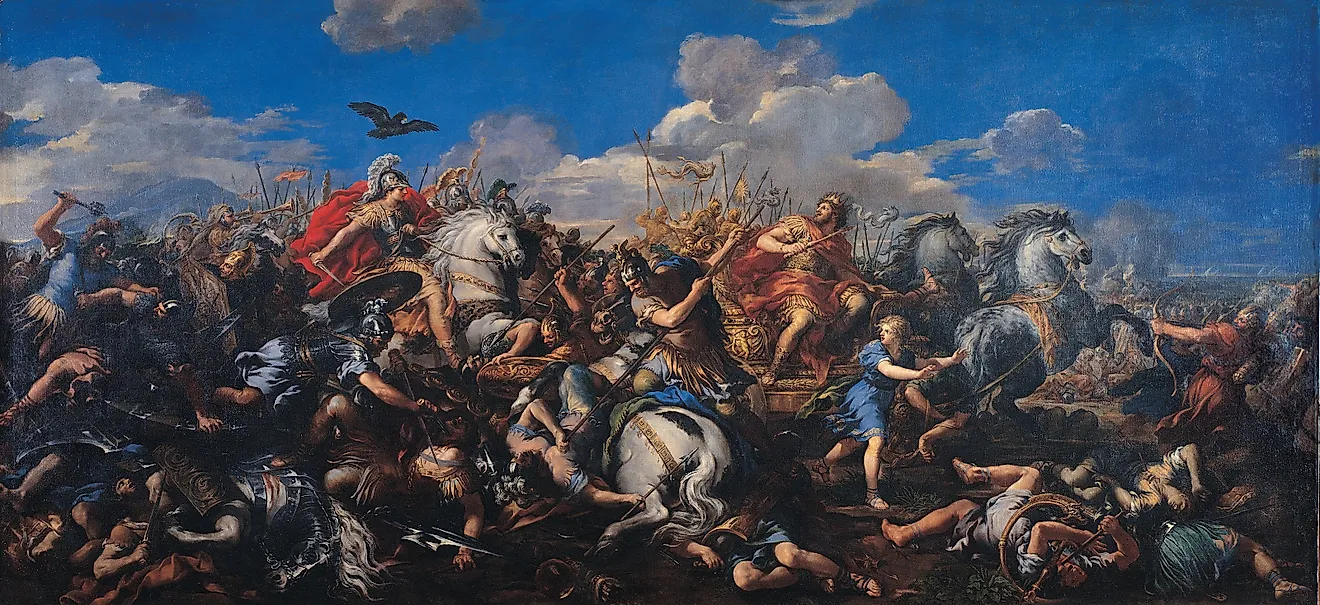
The early Roman Empire made significant expansionary efforts. While less dramatic than what occurred during the Republic, Rome expanded into Britain, France, North Africa, and parts of the Middle East during its first 200 or so years of existence. It reached its furthest territorial extent in 117 AD under Trajan, with territory reaching Scotland in the north and Mesopotamia in the east. This expansion was able to occur because the empire was relatively peaceful. With a few exceptions, there was little domestic strife and few invasions.
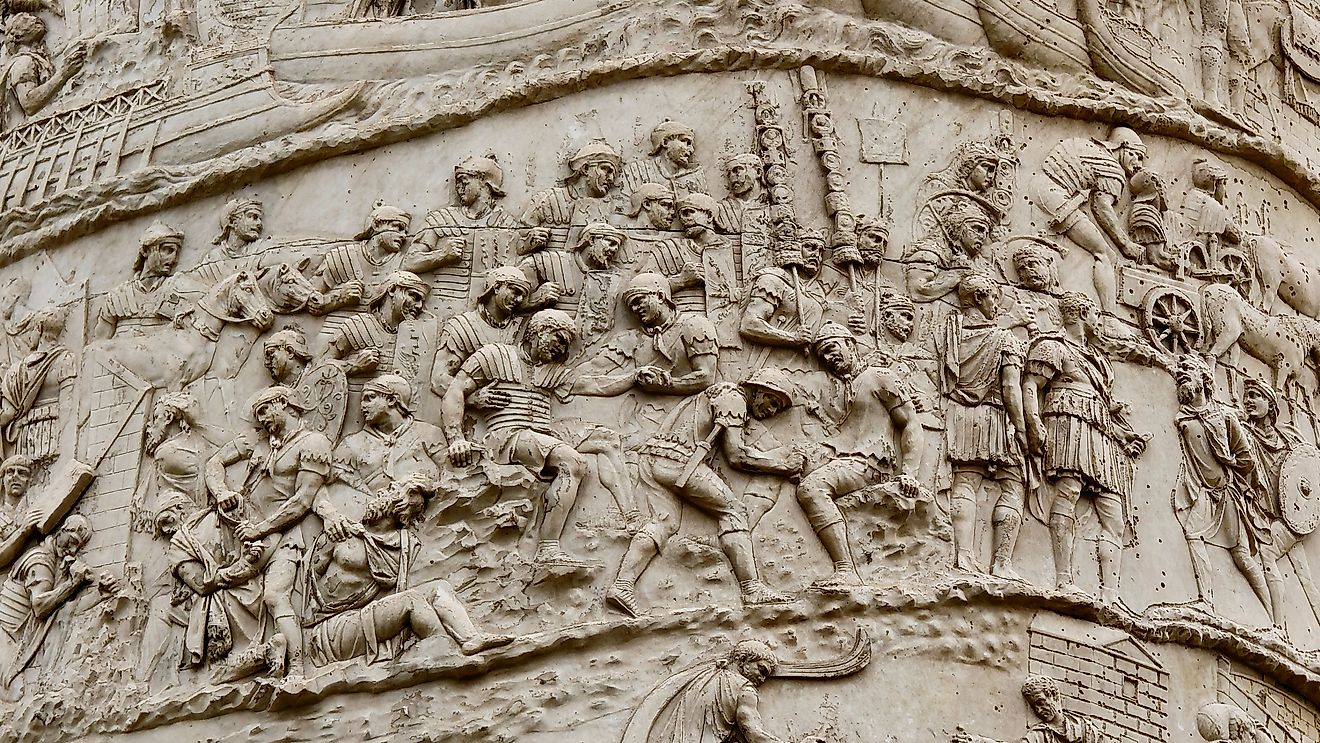
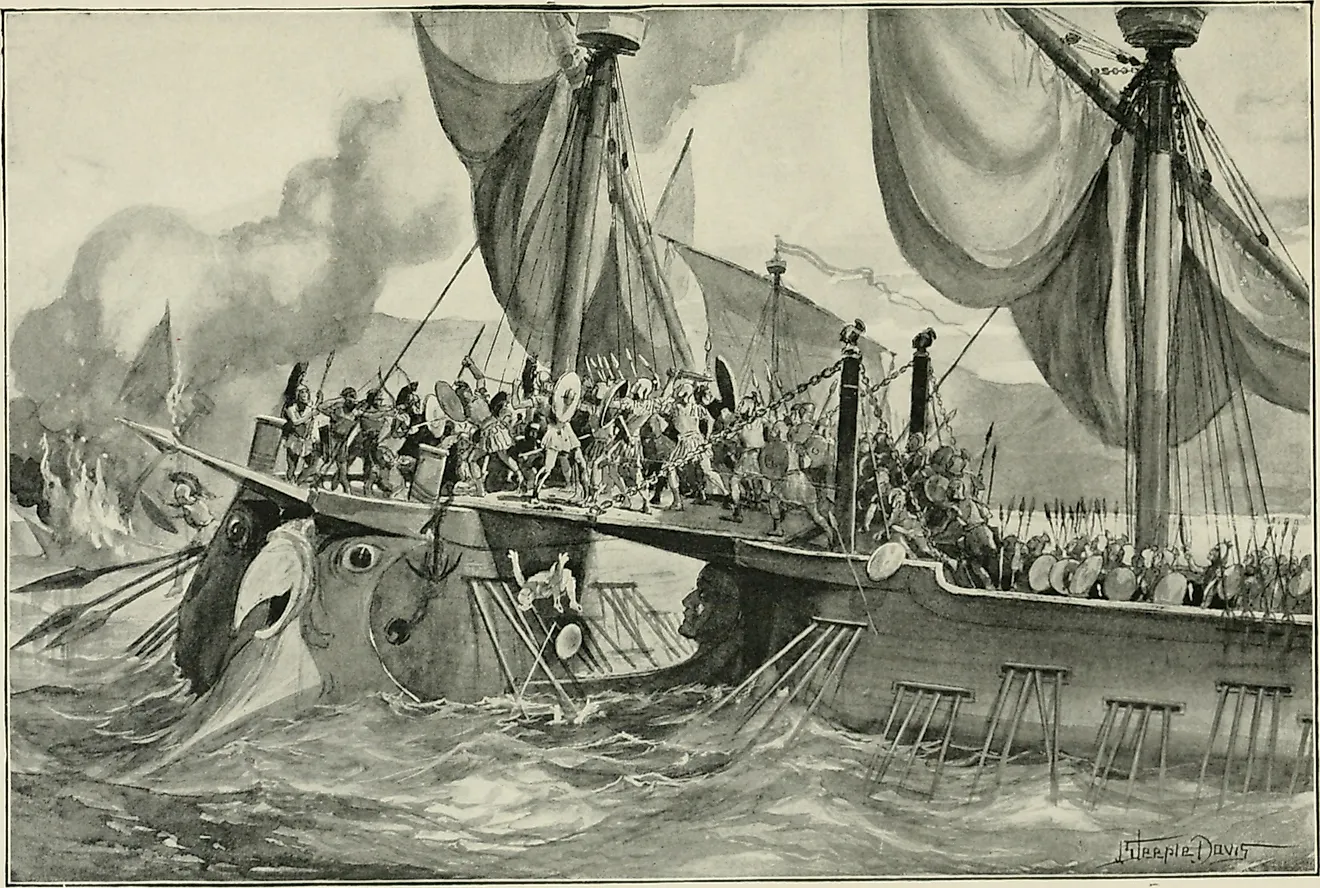
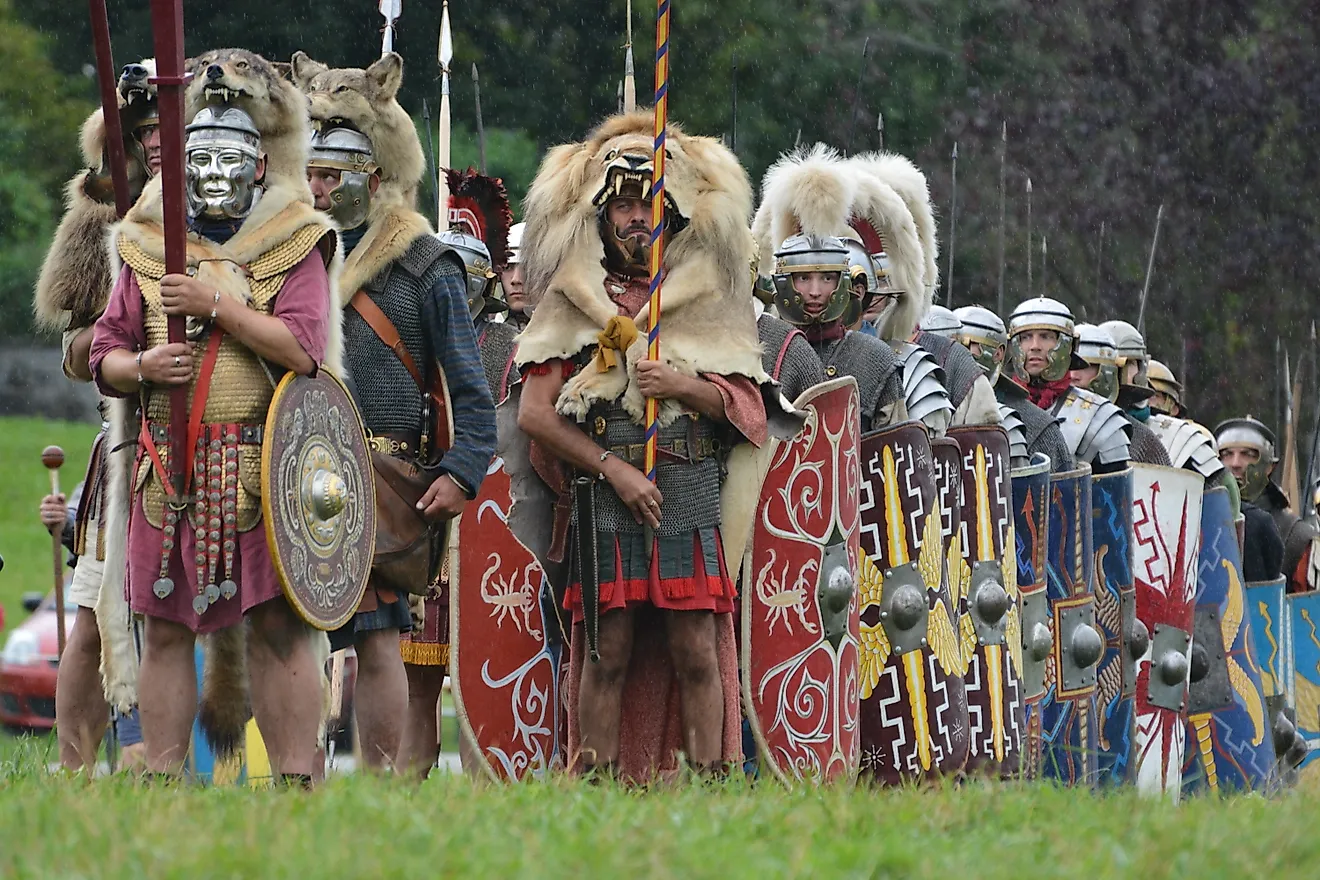
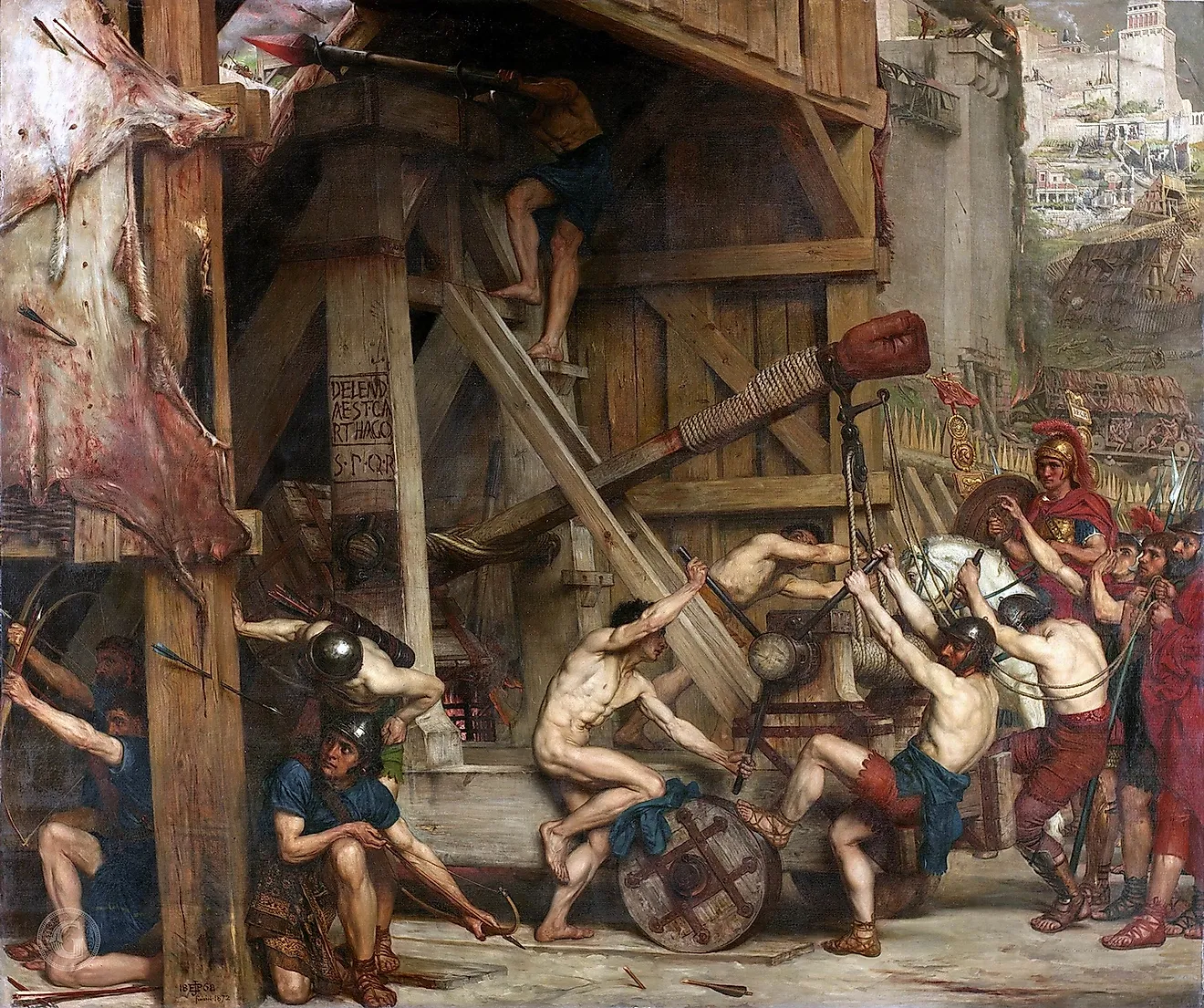
The empire's sheer size eventually became a hindrance, since its borders were practically impossible to defend. When paired with seemingly endless civil wars during the third, fourth, and fifth centuries AD, this forced the government to make significant investments in the army. Rather than being focused on conquest, the goal now was survival. Frontier troops permanently guarded borders, and Germanic mercenaries were frequently hired just to fulfill recruitment quotas. Even though the Roman army was still formidable, the sheer number of troops, paired with increasingly lax training standards, somewhat diluted its power.
Economic Prosperity and Woes

At its height, the Roman Empire was an economic powerhouse. During the first and second centuries AD, it was home to between 50 and 90 million people, or about 20 percent of the entire world's population. This meant that it had an enormous tax base from which to draw. Its sophisticated and safe road network facilitated trade across the empire as well. Provinces like Egypt also provided an overwhelming number of agricultural products.
As time went on and the empire became less safe, Rome's economy changed. Population decline, due to territorial loss and people leaving, meant the government had to raise taxes on those who remained. These were often crippling and discouraged economic activity. Inflation also ran rampant, forcing emperors like Diocletian and Constantine to introduce measures to try and control it. With fewer incentives to use trading routes, communities turned inwards and relied on themselves. Goods from other parts of the empire became rarer, and overall quality of life dipped.
Religion

Romans in the early empire were overwhelmingly pagan. A continuation of religious traditions seen in the Republic, people worshipped hundreds of gods. Many of these were inspired by Greek gods and were essentially identical in all but name. As for Christians, they were a tiny minority who frequently suffered persecution. Perhaps the most famous example occurred under Emperor Nero in 64 AD, when he blamed them for the Great Fire of Rome. As punishment, he staged several brutal public executions in which Christians were burned alive, crucified, or fed to animals.
This all changed under Emperor Constantine. Before the Battle of the Milvian Bridge in 312 AD, he supposedly saw a Christian symbol in the sky or in a dream. He subsequently converted to Christianity and legalized it the next year. This set the stage for Emperor Theodosius to make Christianity the official state religion in 380 AD. Many pagan temples were then shut down or converted into churches. Christianity remained a defining feature of Western Europe during the Middle Ages. The Eastern Roman Empire (known retroactively as the Byzantine Empire) was also an explicitly Christian state.
Impact and Legacy
There were major differences between the early and late Roman Empire. Emperors often maintained Republican trappings during the early period, only to abandon them later on. The government also greatly expanded over the years. Roman military goals shifted away from conquest and toward defense, and the economy turned inward after operating on an empire-wide scale. Finally, Christianity overtook paganism as the dominant religion.