How Did Alexander The Great Defeat The Persian Empire?
Alexander the Great's most significant military achievement was the defeat of the Achaemenid Persian Empire, a campaign that effectively ended with the Battle of Gaugamela in 331 BCE and the death of Darius III in 330 BCE. As one of Greece's most consistent foes for over a century, Persia's conquest marked a significant turning point in ancient history. The question of how Alexander actually accomplished this feat reveals that he likely could not have beaten the Persian Empire without the foundation established by his father, Philip II. Alexander's superior tactics, his speed and preparation, and his charismatic leadership let him capitalize on the advantages his father left him.
His Father's Military and Political Foundation

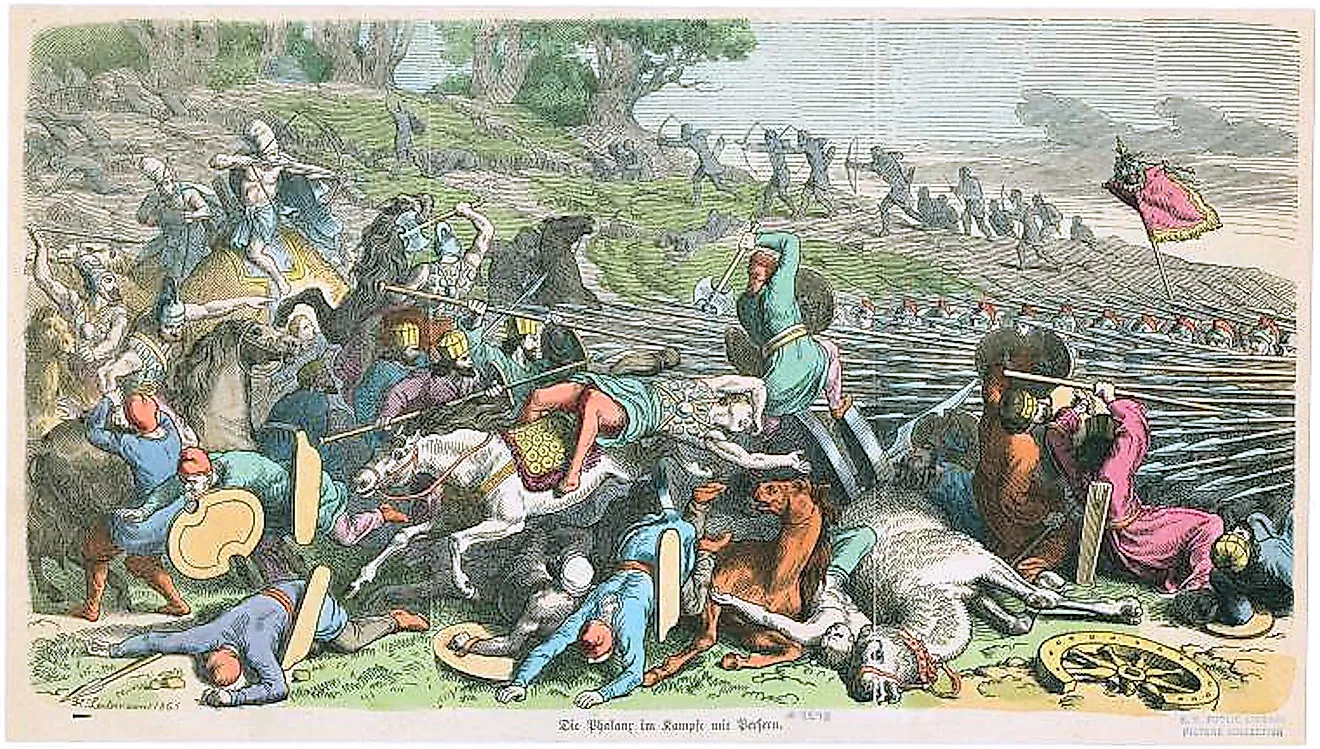
Understanding how Alexander defeated the Persian Empire starts with the reign of his father, King Philip II of Macedonia. Philip oversaw wide-ranging military reforms. He created a professional standing army that far outmatched the citizen-led armies in the rest of Greece. He introduced a reformed infantry formation, the Macedonian phalanx, which resembled other infantry formations of the time but was set apart by the sarissa, a 4- to 6-metre pike that made enemy frontal assaults extremely difficult. He also built an elite cavalry unit called the Companions, used to deliver decisive breakthrough charges at key moments in battle. All of these combined to give Philip a consistent edge in battle, and when used alongside skilled diplomacy, the League of Corinth brought Greece under Macedonian hegemony by the time Philip was assassinated in 336 BCE.
Speed and Intensity

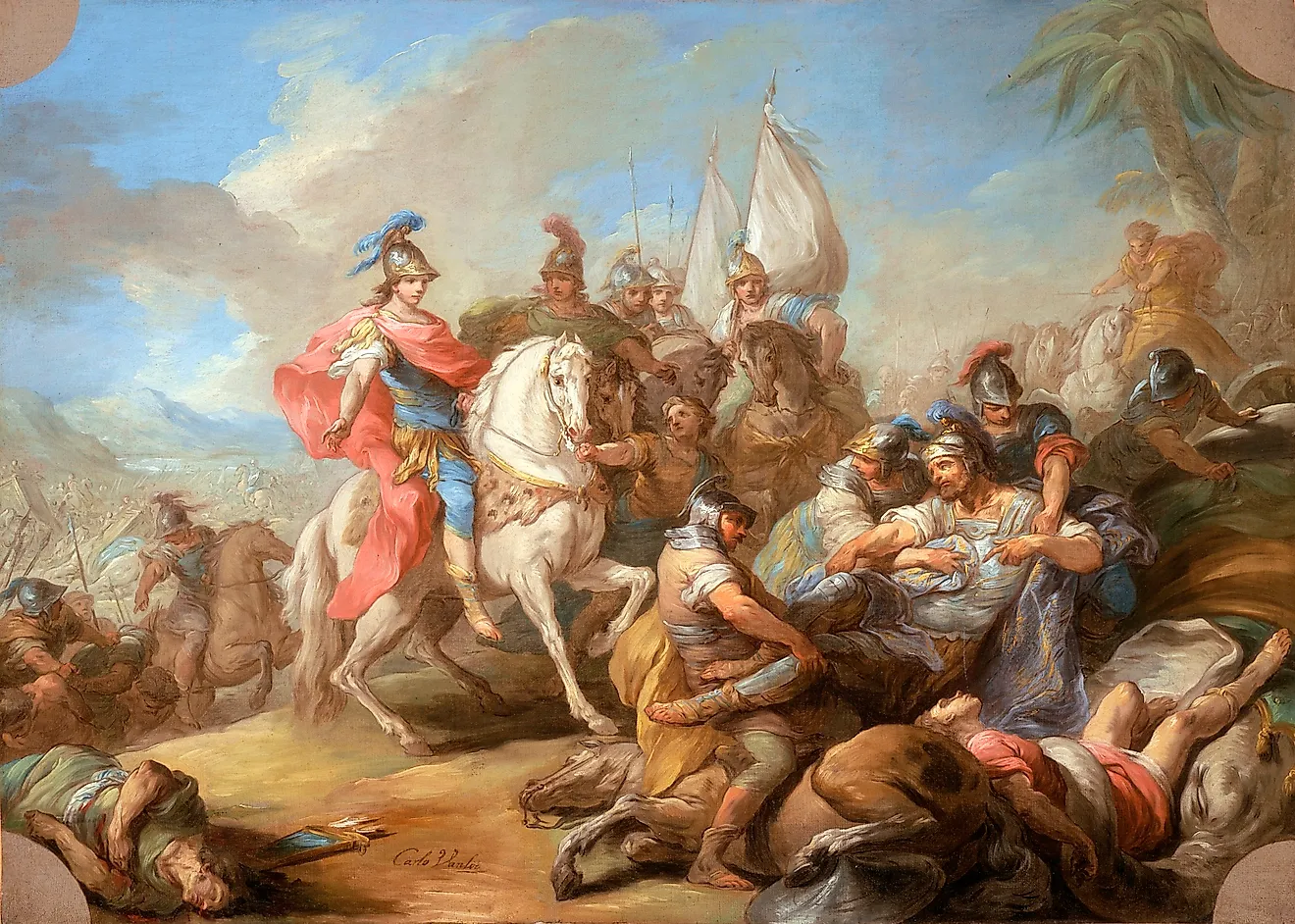
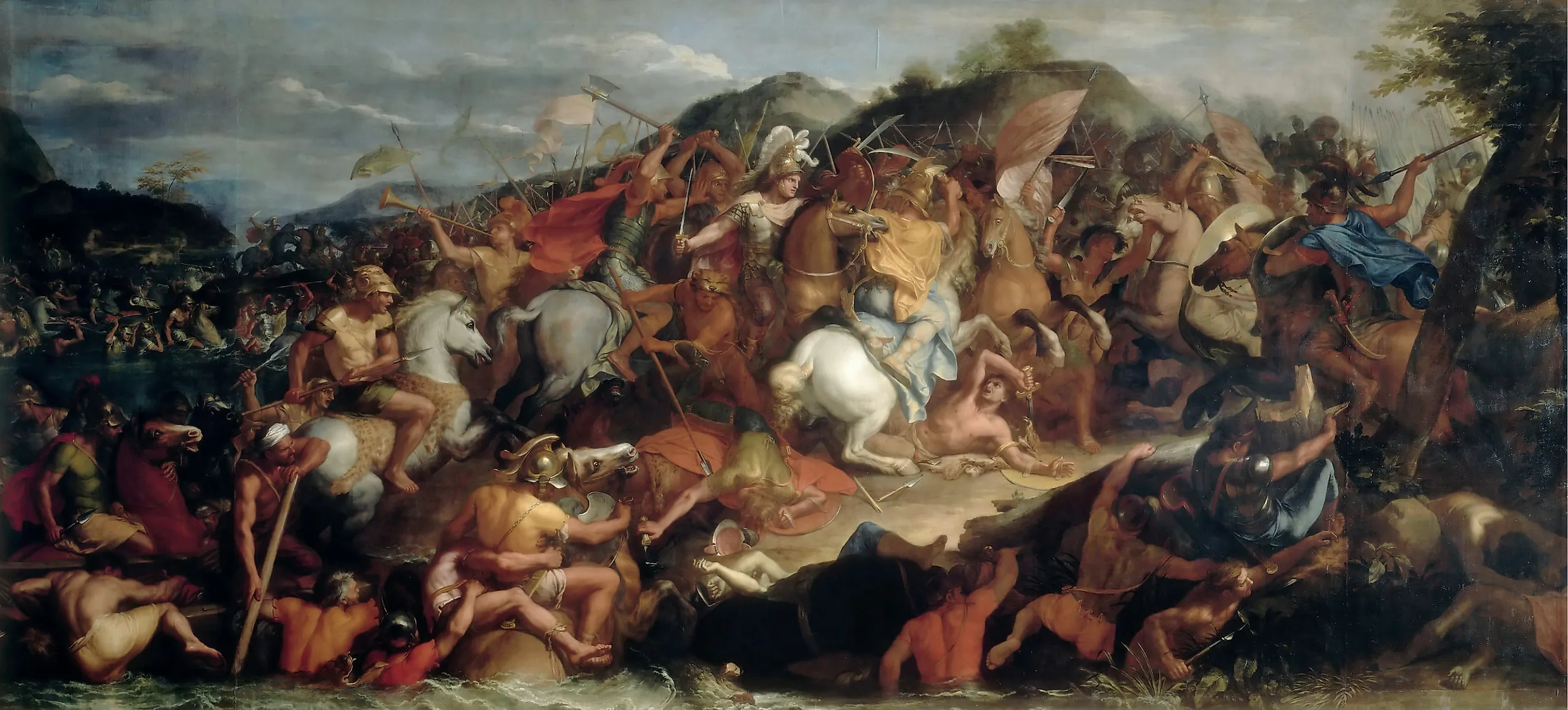
While Alexander inherited a superior army and a unified Greece, he capitalised on these advantages through his tactical brilliance. Perhaps the defining aspect of his tactics was speed. This was exemplified in the Battle of the Granicus (334 BCE), the first major battle of the Persian campaign. Fought near the Granicus River (the modern Biga River in northwestern Turkey), the battle began with Macedonian and Persian forces gathered on opposite banks. Alexander launched a direct cavalry assault across the river, surprising the Persian commanders, who expected the Macedonians to wait for better crossing conditions. Ancient sources report roughly 5,000 Persian losses against fewer than 500 Macedonian casualties, though exact numbers are disputed among historians.

Speed was not just a battlefield tactic. Alexander used strategic momentum between engagements, preventing the Persians from regrouping. After the Battle of Issus in 333 BCE, where Darius III fled the field, Alexander moved south to secure the eastern Mediterranean coast and Egypt rather than immediately pursuing the Persian king. Then, after the decisive Battle of Gaugamela in 331 BCE, Darius fled again, and Alexander pursued him into the Persian interior until Darius was killed by his own satrap Bessus in 330 BCE. The rapid operational pace, both during and between campaigns, was central to consolidating his victories.
Preparation

Another reason Alexander was able to defeat the Persian Empire was his extensive preparation. Though his father had united Greece under Macedonian rule, that unification was immediately tested when Philip was assassinated. Balkan tribes began threatening to invade Macedonia, hoping to exploit perceived political instability. Before invading Persia, Alexander therefore attacked the Thracians and Illyrians in the north, then turned his attention to rebelling Greek city-states. Most cities surrendered upon learning the Macedonian army was marching south, but Thebes chose to rebel and Alexander destroyed the city and enslaved or killed its inhabitants in 335 BCE. The destruction of Thebes was brutal, and it strongly deterred further uprisings while the Persian campaign was underway, letting Alexander focus his attention and resources abroad.

Alexander also made extensive battlefield preparations. At Issus, he deliberately fought on a narrow coastal plain between the mountains and the sea, which prevented the much larger Persian army from encircling the Macedonians. His relentless speed and pursuit of Darius III were only possible thanks to the army's extensive training and coordination. Rather than relying solely on extended supply lines, Alexander combined careful logistical planning with mobility, allowing his army to sustain a long campaign deep into Persian territory, a feat that had defeated earlier Greek armies.

Alexander's preparation also shaped how he held the territories he captured. As a teenager, he was tutored by the philosopher Aristotle, which may have inspired his genuine interest in other cultures and prepared him to govern a multicultural empire. Rather than trying to completely replace existing systems, Alexander fused Persian and Greek practices. He adopted elements of Persian dress and court ceremony (a decision that alienated some of his Macedonian officers but appeased conquered elites), and by working with local satraps and preserving established governance, he reduced resistance and avoided diverting excessive resources to suppressing rebellions.
Charismatic Leadership

The final major reason for Alexander's success was his personal charisma. The root of it was his willingness to endanger himself. Rather than commanding from the rear, Alexander personally led cavalry charges at decisive moments, including the opening river crossing at Granicus. By putting himself visibly in harm's way, he inspired his troops to take the same risks, and his reputation for personal combat spread ahead of his army into Persian territory. Many cities surrendered rather than face him directly, reducing the need for prolonged sieges. Alexander's charisma inspired loyalty in his troops and fear in his enemies, and both factors shortened the campaign considerably.
Impact and Legacy
Alexander defeated the Persian Empire through a combination of inherited advantages and personal capability. His father reformed the Macedonian army and unified Greece, giving Alexander a launching pad no previous Greek leader had enjoyed. Alexander's speed, preparation, and charismatic leadership then turned those advantages into conquest, toppling the largest empire the ancient world had known in roughly four years of campaigning from 334 to 330 BCE. The resulting Hellenistic era reshaped the Mediterranean and western Asia for centuries.