How the Silk Road Changed Global History
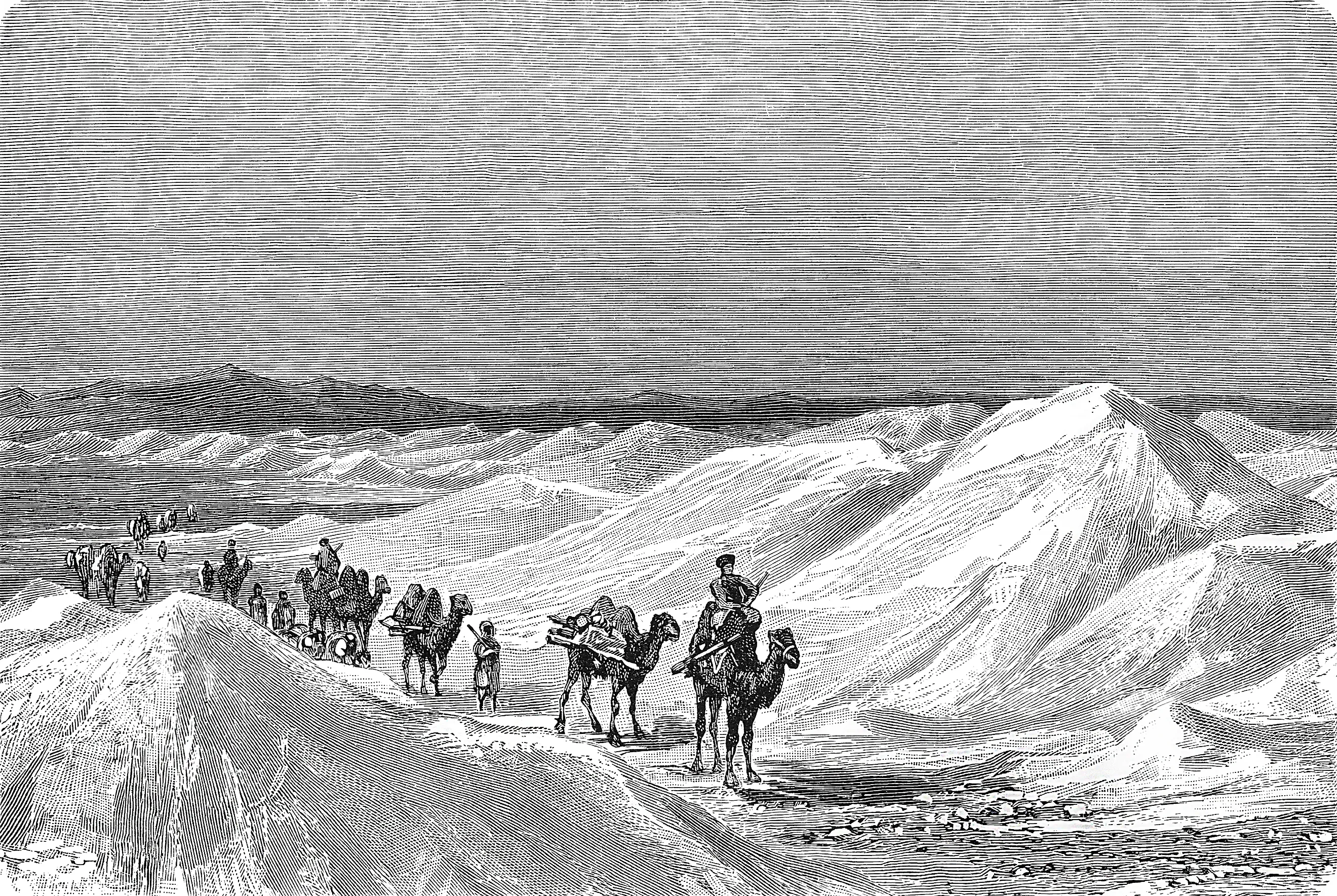
The Silk Road comprised several trade routes used for over 1,500 years. Combined, these routes stretched across 4,000 miles from Chang’an (today’s Xi’an) in China to the Mediterranean ports. The route followed the Great Wall, bypassed the Taklamakan Desert, then climbed the Pamir Mountains and crossed Afghanistan. From here, the route stretched on to the Levant, where merchandise could be shipped via the Mediterranean Sea. The Silk Road has impacted various societies and global history, starting in 130 BCE when the Han Dynasty began trading with the West.
The Origin of the Silk Road

The Silk Road trade route emerged during the expansion of the Han Dynasty and lasted until the 1400s, when maritime trade became the more popular option. But the route was not created solely to facilitate trade in fabric. Instead, it started because of a desperate need for military allies.
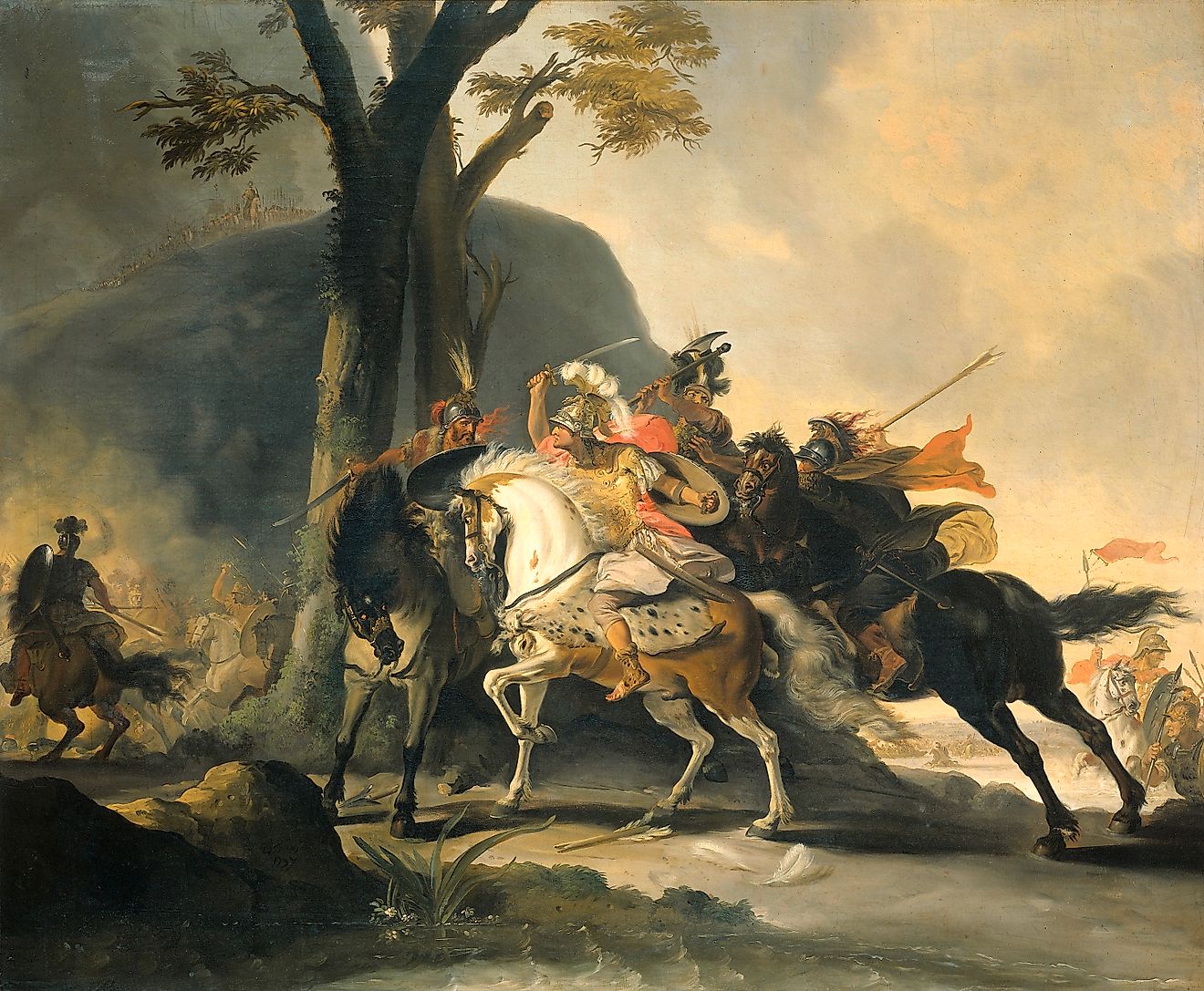
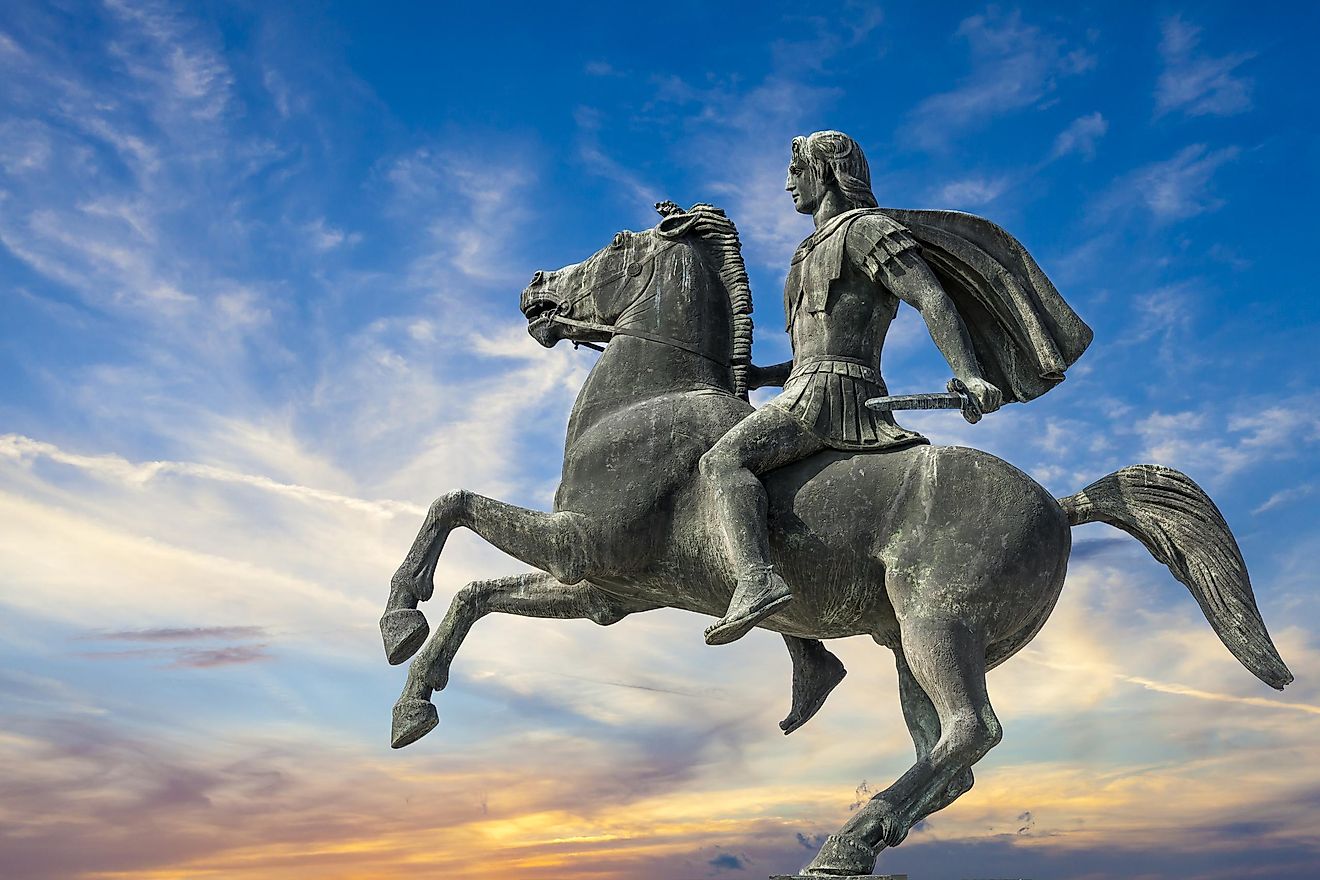
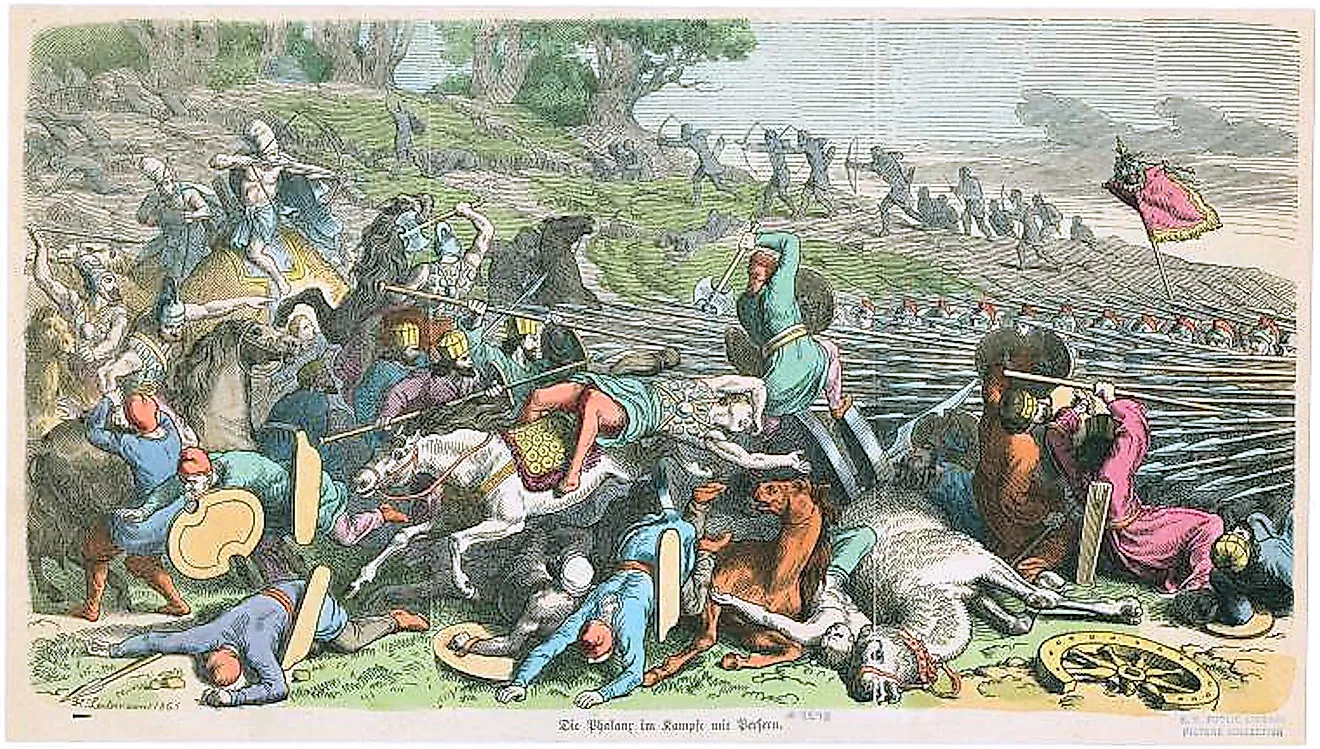
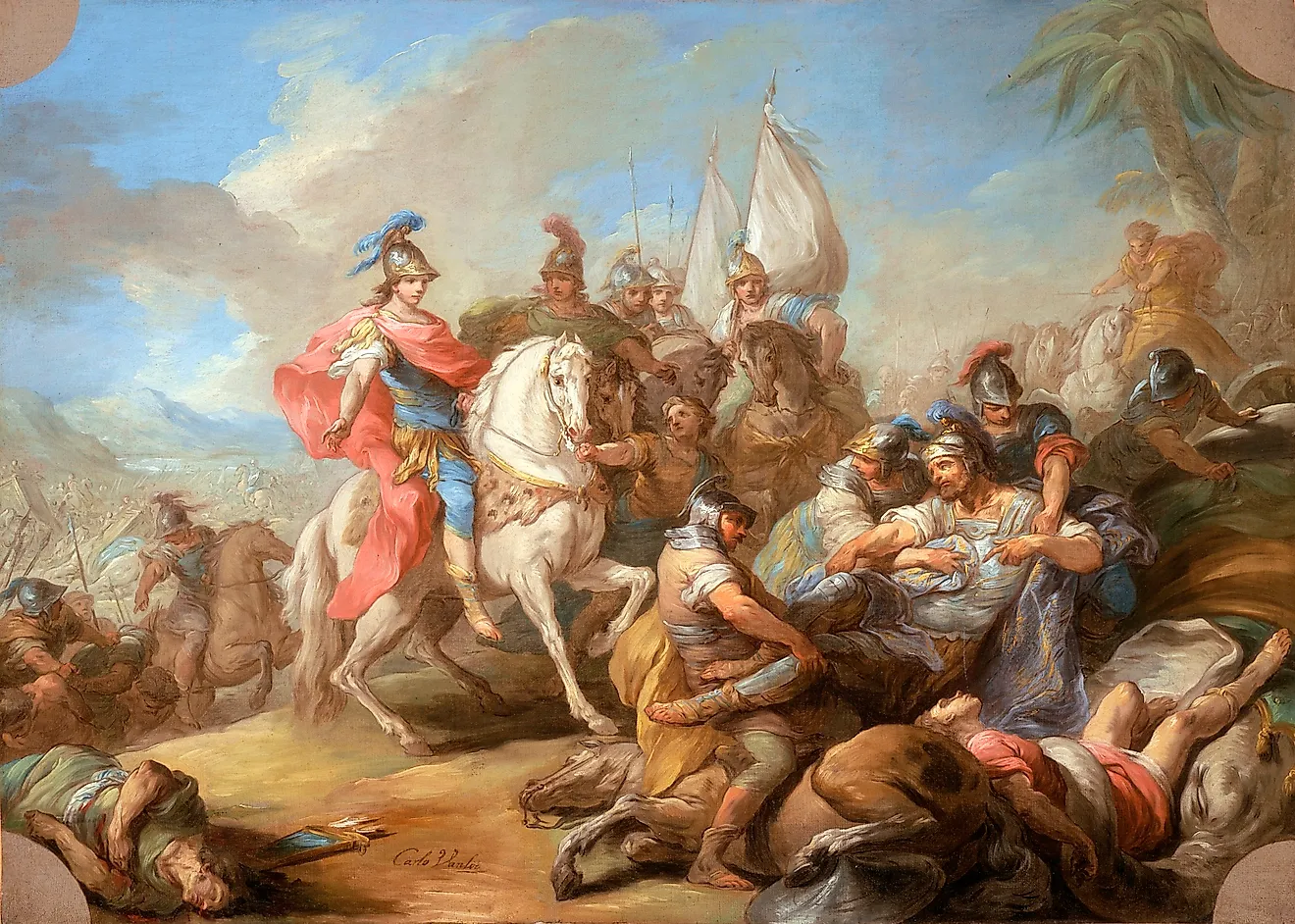
In 138 BCE, Emperor Wu of Han sent an envoy and military officer named Zhang Qian to the West on a diplomatic mission. The Han were in the midst of a drawn-out conflict with the Xiongnu, a nomadic tribal confederation to the north. Zhang Qian was tasked with finding the Yuezhi people to form an alliance. In a harrowing turn of events. Zhang and his servant Ganfu were captured and held captive by the Xiongnu for more than a decade, but Zhang’s eventual return to China in 126 BCE provided the Imperial Court with more than just the opportunity for a military pact. Zhang had detailed intelligence regarding the civilizations of Central Asia, including the Fergana Valley, today’s Uzbekistan, as well as the Hellenistic remnants of Alexander the Great’s empire.

Zhang stated that he saw ‘heavenly horses’ that were incredibly powerful and sweated blood. He mentioned that their stature was far superior to the small ponies of the Chinese plains. The desire to have these horses to combat the Xiongnu cavalry resulted in the official opening of the Silk routes, with the ‘first mile’ cleared by the military. By 130 BCE, the Han Dynasty had secured the Gansu Corridor. This helped bridge the gap between the East and the trans-Eurasian trade network.
Central Asia’s Relay Systems

The Han opened the door to trade, and trading worked as a massive relay system. No merchant traveled the entire 4,000-mile length of the Silk routes. Instead, goods changed hands at least a dozen times through the Kushan and Parthian Empires, which acted as ‘middlemen.’ These empires ran the overall process of moving said goods while gaining wealth through taxes and protection fees.
The Kushan Empire was a critical link between East and West. The Kushans were located right at the intersection of Persian, Greek, and Indian influences, creating a multicultural center. Under the reign of King Kanishka the Great, the Kushans became the patrons of Buddhism. This provided monks with the safety and funding they needed to travel with merchant caravans. The Kushans also nurtured the Gandhara art style. This style depicted Buddhists with Greek features and Roman togas. This imagery, known as Greco-Buddhist, traveled both north and east and became the ‘face’ of religious Japan, China, and Korea for the next millennium.
As goods moved farther west toward the Mediterranean, they entered the Parthian Empire, which is modern Iran. The Parthians were excellent negotiators, especially since they knew their geographic position was their greatest asset. In this case, they were a literal wall between Rome and China. The Parthians benefited from acting as intermediaries between East and West, and their position often made direct contact between Han China and Rome difficult and limited. They wanted to keep their status as intermediaries (and their negotiating power) intact. In 97 CE, a Chinese envoy, Gan Ying, tried his level best to reach Rome. He reached the Persian Gulf, where Parthian sailors promptly convinced him that the sea voyage he was about to embark on would put him in mortal danger. Gan Ying turned back in fear, and the direct connection never materialized.
Rome and the Mediterranean

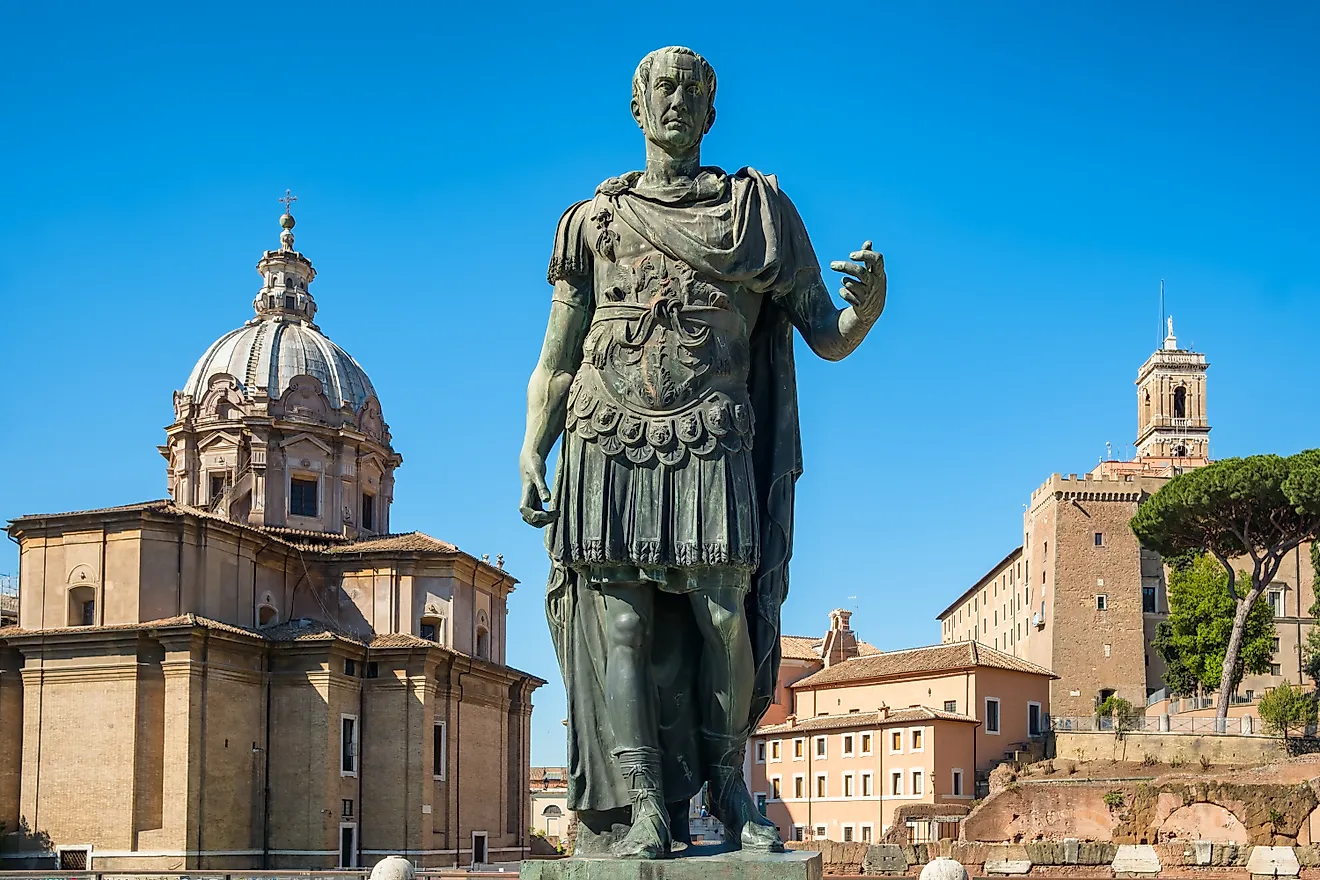
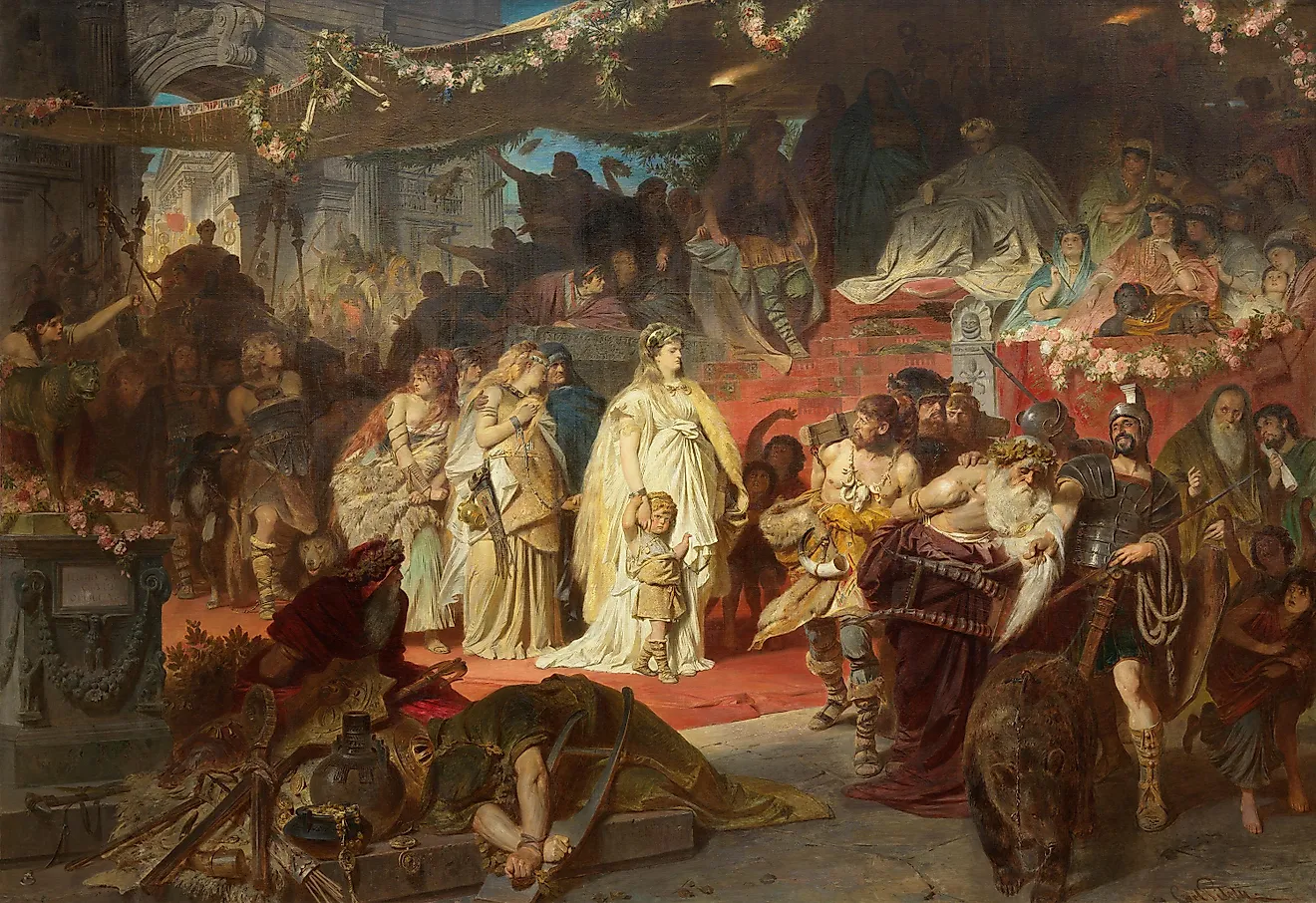
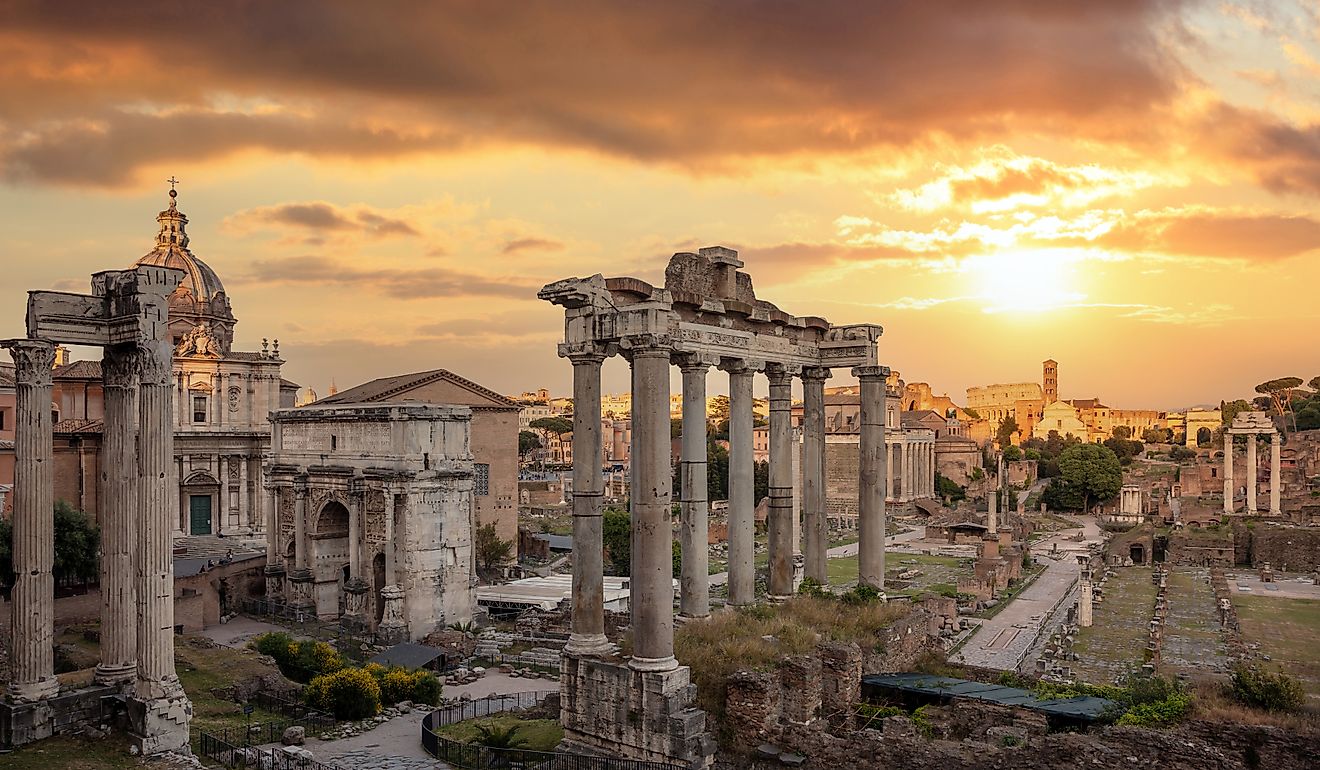
By the first century BCE, after the annexation of Egypt and The Levant, Rome was a major destination for Eastern luxuries that passed through the Kushan and Parthian filters. Rome also gained direct access to the Red Sea trade winds, which allowed Eastern goods to flow into the empire. The Roman Empire’s fascination with silk became a cultural phenomenon during the reign of Augustus. At the time, silk was like nothing people had ever seen before, especially in the Mediterranean. The fabric was light and shimmery, as well as semi-transparent. It did not take long for the Roman elite to declare it an absolute status symbol. Still, silk did not impress everyone. Roman philosopher Seneca the Younger criticized silk garments for not covering the body properly and ‘encouraging decadence.’
Beyond the moral concerns, the trade also created a difficult economic reality. Historian Pliny the Elder recorded that Rome lost nearly 100 million sesterces annually to India, China, and the Arabian Peninsula to pay for these luxuries. The Roman Senate had to make a plan to prevent the depletion of gold and silver, so it tried to ban silk, or at least tax it out of the market. But the demand was far too great. Roman gold kept flowing east in such massive quantities that it affected the empire’s wealth stability for many centuries. In modern times, Roman glassware and gold coins have been discovered in Han tombs, confirming the ongoing flow of Roman wealth.
Religion and Technology
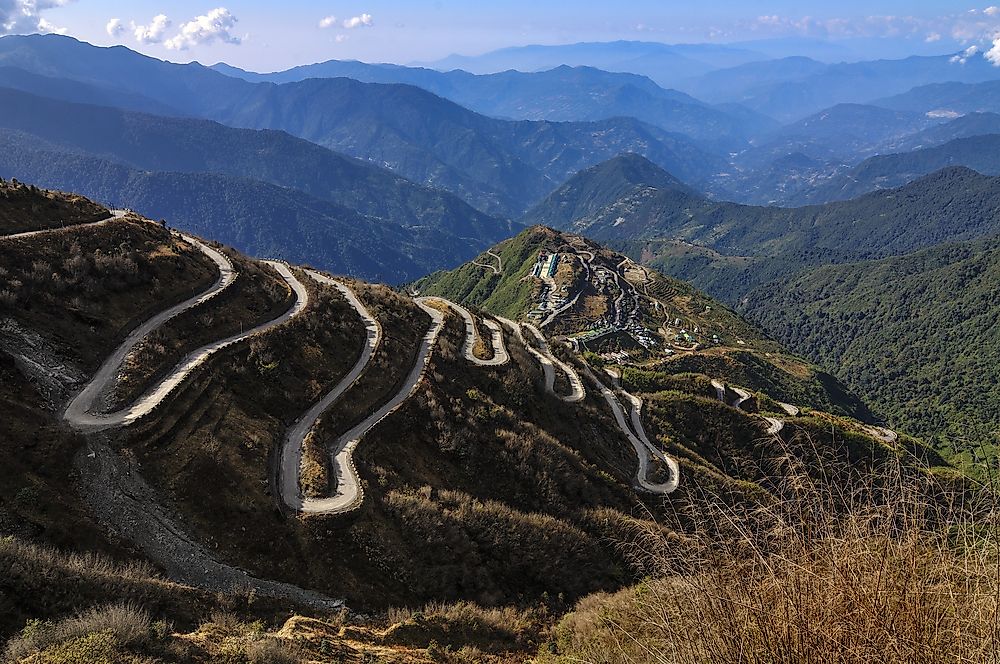
Silk may have been the most visible commodity traveling the Silk routes, but the 4,000 miles was a far more important avenue for things like technology, faith, and ideas. Aside from Buddhism, the Silk Road facilitated the spread of Zoroastrianism, Manichaeism, and Nestorian Christianity. The oasis towns along the Taklamakan Desert, including Dunhaung, saw diverse religious communities settle and live in harmony. The construction of the Mogao Caves (begun in 366 CE) enabled the preservation of thousands of murals and manuscripts depicting the blend of faiths in Persian, Indian, and Chinese aesthetics.
Shared knowledge, along with faith, was also vital. The invention of paper in China revolutionized record-keeping in watchtowers and administrative centers along the Silk Road. The Chinese also acquired the methods for cultivating grapes and making wine from the Fergana region. In return, China supplied the West with peach and apricot trees, which were once native to the country. Moreover, techniques for steel production moved across the steppe. This process was influenced by nomadic tribes who needed proper weaponry to survive.
The First Global Pandemics

Sadly, the connections and wealth brought about by the Silk Road could not keep death from wreaking havoc. The routes inevitably became bridges that allowed local diseases to spread far and wide. In 165 CE, returning Roman soldiers who had been campaigning in the East brought a devastating disease called the Antonine Plague back to the Roman Empire. The disease ravaged the Mediterranean for the next fifteen years, killing up to 10 million people. This was an incredible loss of life for the time, and it decimated the Roman army and tax base. While heavily debated, some historians believe that this kick-started the slow decline of the Western Roman Empire.
Steppe Nomads

Finally, to really dig deep into the Silk Road’s history, one must also consider the people who lived on the routes. The Silk Road would not have been successful without the nomadic tribes that inhabited it, such as the Sogdians. From Samarkand, the Sogdians proved their skill at language and logistics. They spoke Sogdian, an Eastern Middle Iranian language that became an important lingua franca of the Silk Road trade. Because they did not belong to a single empire, they could move between the Han, Kushans, and Parthians with ease, providing knowledge of desert springs to keep caravans alive and providing camels where needed.
The Silk Road’s Lasting Legacy
The Silk Road remained a major channel of exchange for centuries, reaching a notable peak around 700 to 900 CE. It helped link two of the most powerful empires of the classical world, Rome and Han China, mainly through intermediary states and merchants. This global interaction continued into modern times, shifting Buddhism into a worldwide faith, overhauling the world’s economic centers, and proving that curiosity and profit will always overcome borders. As such, the classical world was irreversibly interconnected long before the Middle Ages.
_(4689076272).jpg)