11 Greatest Ancient Roman Cities Outside of Italy
The Roman Empire, an unchallenged behemoth of history, stretched over vast areas within three continents. Its influence was unmistakable and unavoidable, from Britannia's icy regions to Africa's unforgiving deserts, the Iberian Peninsula to the Middle East.
While Rome was the center of this powerful civilization, the Roman cities beyond Italy’s borders played critical roles in administration, trade, culture, and military strategies. Allow us to explore some of these cities and the indelible legacy they hold even today.
Carthage

Carthage, located in present-day Tunisia, is an ancient city with a fascinating history. Its name comes from the Phoenician term Qart-Hadasht, meaning new city or town. Canaanite Phoenician settlers founded Carthage around the 9th century BC, after which it grew into a dominant maritime and commercial empire. The city controlled several trade routes across the expansive Mediterranean. Its strategic location on Africa’s northern coast and its naval prowess positioned Carthage as one of the ancient world’s most significant city-states.
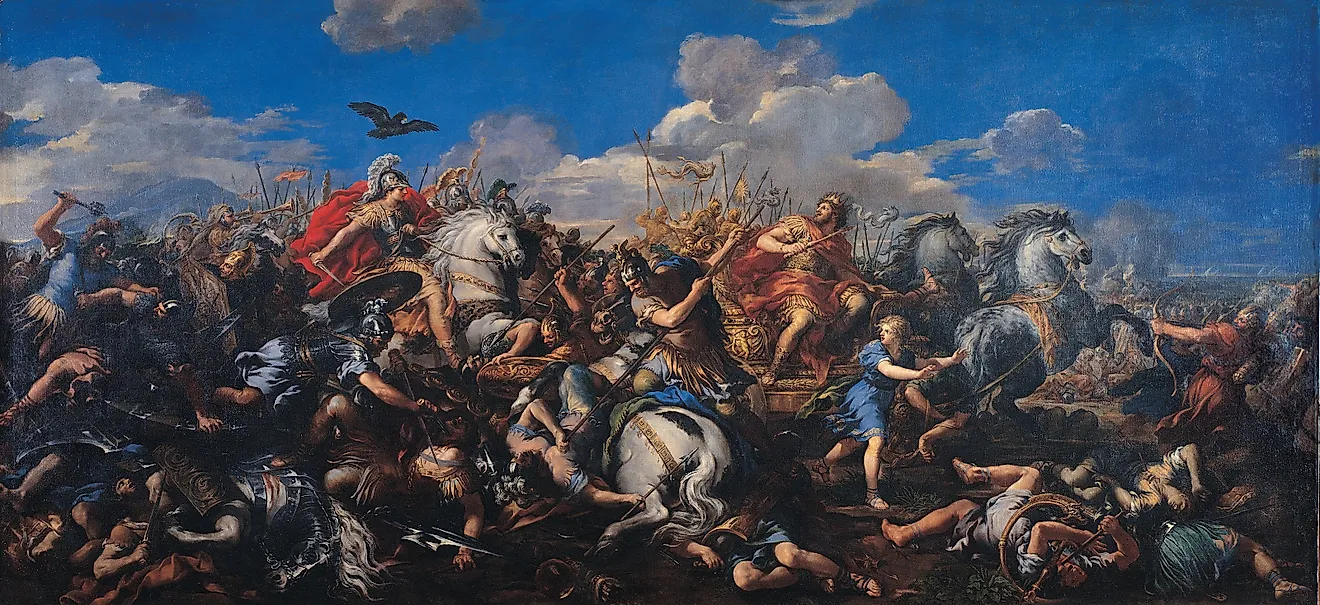
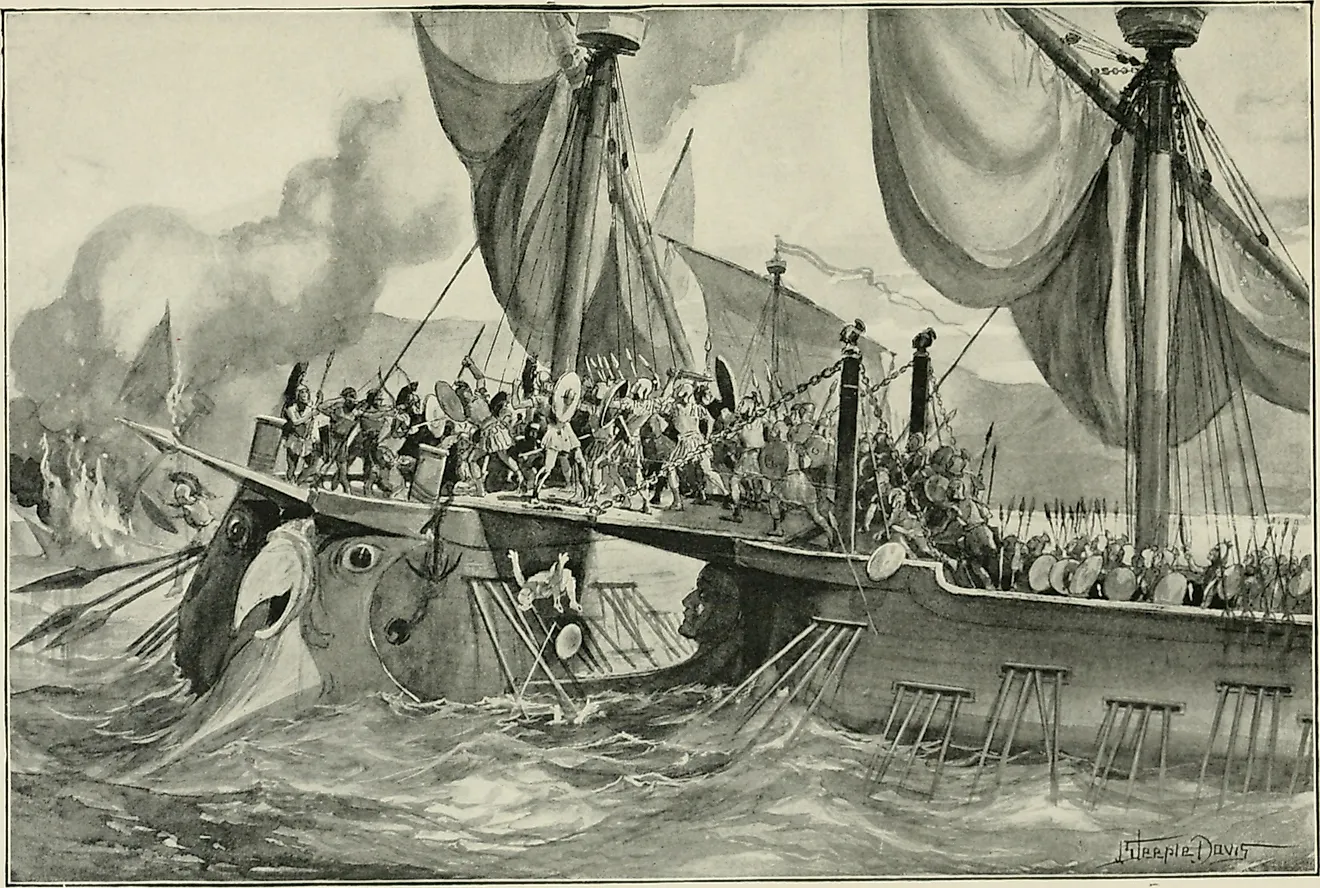
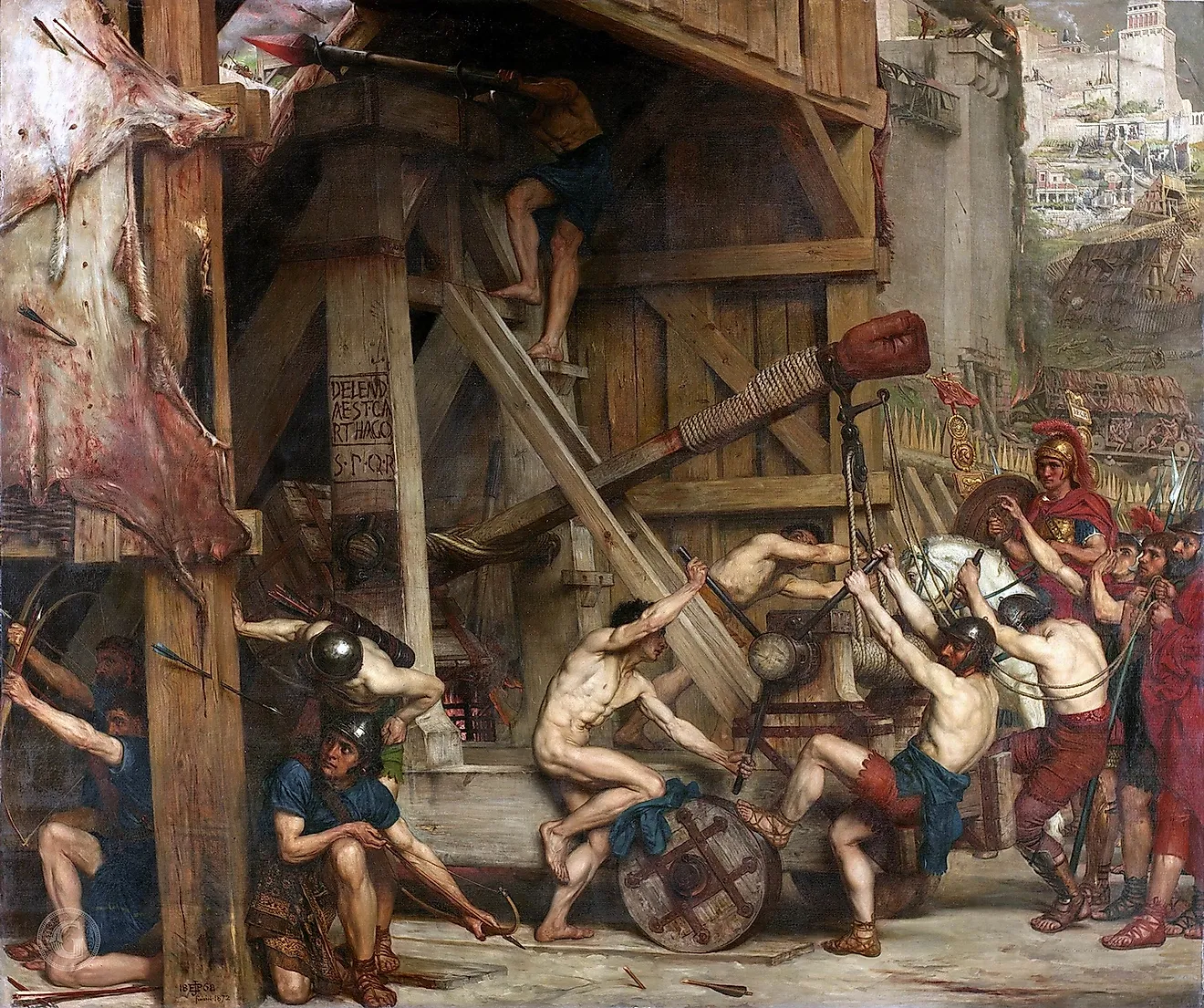
Carthage entered into a rivalry with Rome that lasted several hundred years. This conflict culminated in the three Punic Wars. These wars included the fierce Battle of Cannae and featured infamous figures like Hannibal. Carthage was ultimately defeated during the Third Punic War in 146 BCE and then plundered by the Romans. Having gained control of the city, the Romans completely rebuilt and restored it, turning it into one of their provinces’ most vital centers. Carthage prospered again, this time under Roman rule, and was well known for its culture, trade, and administration.
Today, Carthage is a suburb of Tunis, the capital of Tunisia. Modern developments obscure much of the city’s ancient landscape, but several ruins remain. The updated version of this city is a haven for tourists and offers excursions that show off its historical and cultural heritage.
Tarraco

Tarraco was the oldest Roman settlement on the Iberian Peninsula. However, before the Romans took over, the Iberians inhabited the city. Tarraco’s historical significance began in the 2nd century BC, during the Second Punic War.
Tarraco, a prominent Roman city, occupied a strategic position within the Empire. It served as a key trading hub and an important administrative center for the region. Its coastal location made it central to maritime activities. Additionally, Tarraco significantly contributed to the dissemination of Roman culture and influence throughout the Iberian Peninsula.
Today called Tarragona, the city features numerous ancient Roman ruins such as amphitheaters and aqueducts. The Model of Tarraco offers an accurate visual representation, helping visitors grasp the city's original layout before exploring the actual site. Tourists and historians alike continue to visit, eager to learn more about Roman history.
Antioch

Antioch, Antakya today, lies in Turkey’s Hatay Province, the country’s southernmost province. This city is located east of the Orontes River and is set on lush, fertile land. Antioch was yet another Roman center of trade, culture, and religion. The city was renowned for its part in the Hellenistic, Roman, and Christian worlds.
Founded by Seleukos in the late 4th century BCE, Antioch quickly rose to prominence. It became one of the most dominant cities in the Seleucid Empire and later the center of Greek culture in the region. Moreover, Antioch’s location along the river enabled it to play a major role in commerce and communication.
The Roman Empire annexed Antioch in 64 BCE, after which the city became a Roman metropolis. The Romans’ influence permeated every part of the city, as evidenced by the temples, Roman baths, theaters, and aqueducts within its walls. Antioch also welcomed various cultures and religions, mainly because it lay at the meeting point between the East and West.
Antioch established a permanent place in Christian history by becoming the site where Jesus’ followers were first called Christians. The city also provided a home for the Apostle Paul during his missionary journeys, effectively making it a center of early Christianity.
Today, Antakya preserves its ancient heritage while embracing its Turkish culture. Sadly, earthquakes frequently strike this area, causing extensive destruction of both terrain and historic sites. The most recent and devastating quake in February 2023 left Antakya in ruins, destroying monuments and numerous historical locations.
Alexandria

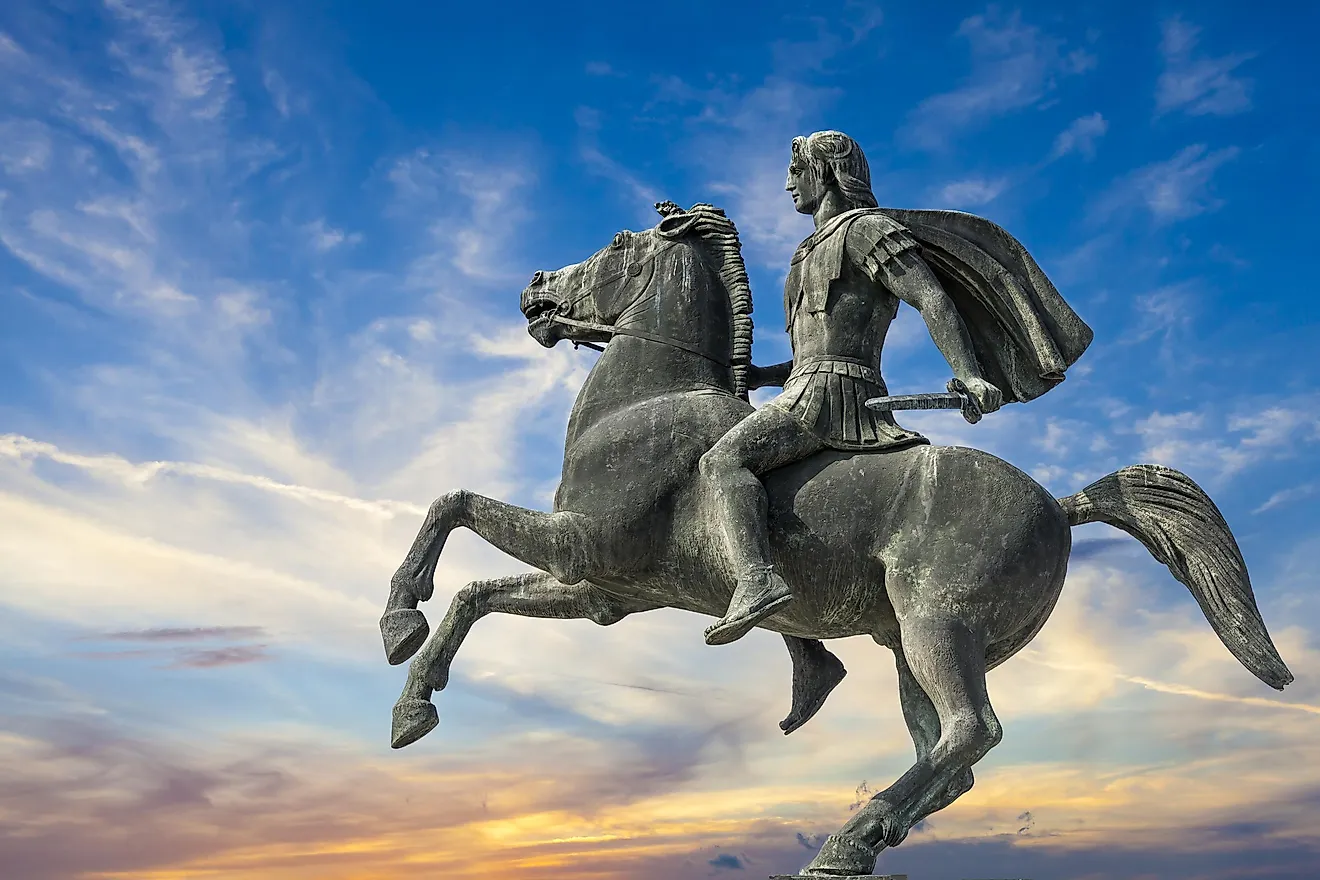
Alexandria, situated on the Mediterranean coast in northern Egypt, is one of the most historically significant cities in the world. Founded by Alexander the Great in 331 or 332 BCE, the city served as the Mediterranean’s lighthouse and represented the confluence of Greek, Egyptian, and later Roman civilizations.
Supposedly guided by a vivid dream, Alexander established Alexandria to make it a great city. After Alexander’s death, the Ptolemaic dynasty took over the rule of Egypt. The Ptolemies were Greek and wasted no time transforming Alexandria into a place of Hellenistic culture and learning.
However, with the decline of the Ptolemaic dynasty, the Romans saw another opportunity to take control. As a key port of the Roman Empire, Alexandria prospered as one of the main Mediterranean hubs.
In addition to its incredible historic significance, Alexandria was home to the Great Library of Alexandria, which housed countless scrolls. The library drew scholars from every corner of the ancient world. Furthermore, Alexandria saw the birth of medicine and the advancement of medical science, guaranteeing its place in the history books. The city also boasted one of the Seven Wonders of the Ancient World, namely the Pharos Lighthouse. The Catacombs of Kom El Shoqafa and the ruins of ancient temples and theaters can also be found there.
Alexandria remains one of the key cities of Egypt, with its historic attractions making it one of the most enticing destinations for global visitors.
Ephesus

Ephesus is an archeological site in Turkey that provides incredible insight into the lives and times of ancient civilizations. Located on the coast of Ionia, three kilometers southwest of Selcuk in Izmir Province, this city was once a beacon of culture, trade, and religion.
Originally a Greek city, Ephesus underwent several transformations under various empires, including the Romans. It was home to the Temple of Artemis, another wonder of the ancient world, dedicated to the goddess Artemis and a symbol of religious and architectural importance.
Ephesus, the second-largest city of the Roman Empire saw its infrastructure enhanced and strengthened by the Romans, making it a vital port for Asia Minor. Ephesus also hosted a congregation of the early Christian Church as referenced in religious texts, including the Book of Revelation.
When Ephesus's grandeur inevitably waned over time, the city faced abandonment. However, its remnants garnered global attention, and are still Turkey’s most critical archeological site. Ongoing excavations aim to uncover more of the city’s mysteries as its legacy continues to resonate.
Londinium

As the capital of Roman Britain, the city of Londinium evolved over many centuries to become one of the most influential settlements on Earth.
Founded by the Romans in AD 47-50, Londinium sat on the banks of the River Thames, where the current square mile of the City of London sits today. It was a key crossing point over the river before rapidly transforming into a bustling urban center, serving Roman Britain for over 350 years.
The city was a main trading and transport center, with the river providing a means of transport linking Londinium with continental Europe. Because the river was navigable, Londinium attracted merchants throughout the Roman Empire. Its markets held diverse goods, including local produce and exotic imports.
Around 200 AD, a gigantic city wall took shape around Londinium. The wall protected against outside threats and cemented the city's stature within the Roman Empire.
Londinium, like many other Roman cities, had grand temples, bathhouses, and basilicas. The effective Roman street grid laid out here can still be seen in parts of modern-day London. The city welcomed people from across the Empire and established governmental and military posts to ensure its ongoing role as a leading city in the Roman Empire.
However, as the Empire declined, so did Londinium. But its strong foundations laid the groundwork for modern-day London. Roman architecture helped shape London’s urban landscape, and today it stands as a testament to its Roman heritage, with ancient sites and ruins from the Londinium days giving visitors a glimpse into its storied past.
Leptis Magna

Located on the Mediterranean coast of what is today known as Libya, Leptis Magna shone as one of the crown jewels of the Roman Empire. However, the city’s story started long before the Romans ever set foot on its shores. Tyre founded Leptis Magna in the 7th century BCE. The Phoenicians realized its strategic location and wasted no time in turning it into a large trade port.
When the Romans rose to power, Leptis Magna was incorporated, and like many other Roman cities, it prospered under Roman rule. The Romans also showed off their architectural skills here, with the Arch of Septimius Severus, the Theater of Leptis Magna, the Hadrianic Baths, the Roman Forum, and the Basilica of Severus.
Beyond the stunning architecture, Leptis Magna housed several public monuments, shops, a harbor, and a marketplace.
Unfortunately, Leptis Magna is a struggling city today. Due to war and unrest in Libya, this once-imposing settlement lies neglected, and overlooked by most tourists. Hopefully, with stability, the Roman ruins here could again draw visitors, boosting the local economy.
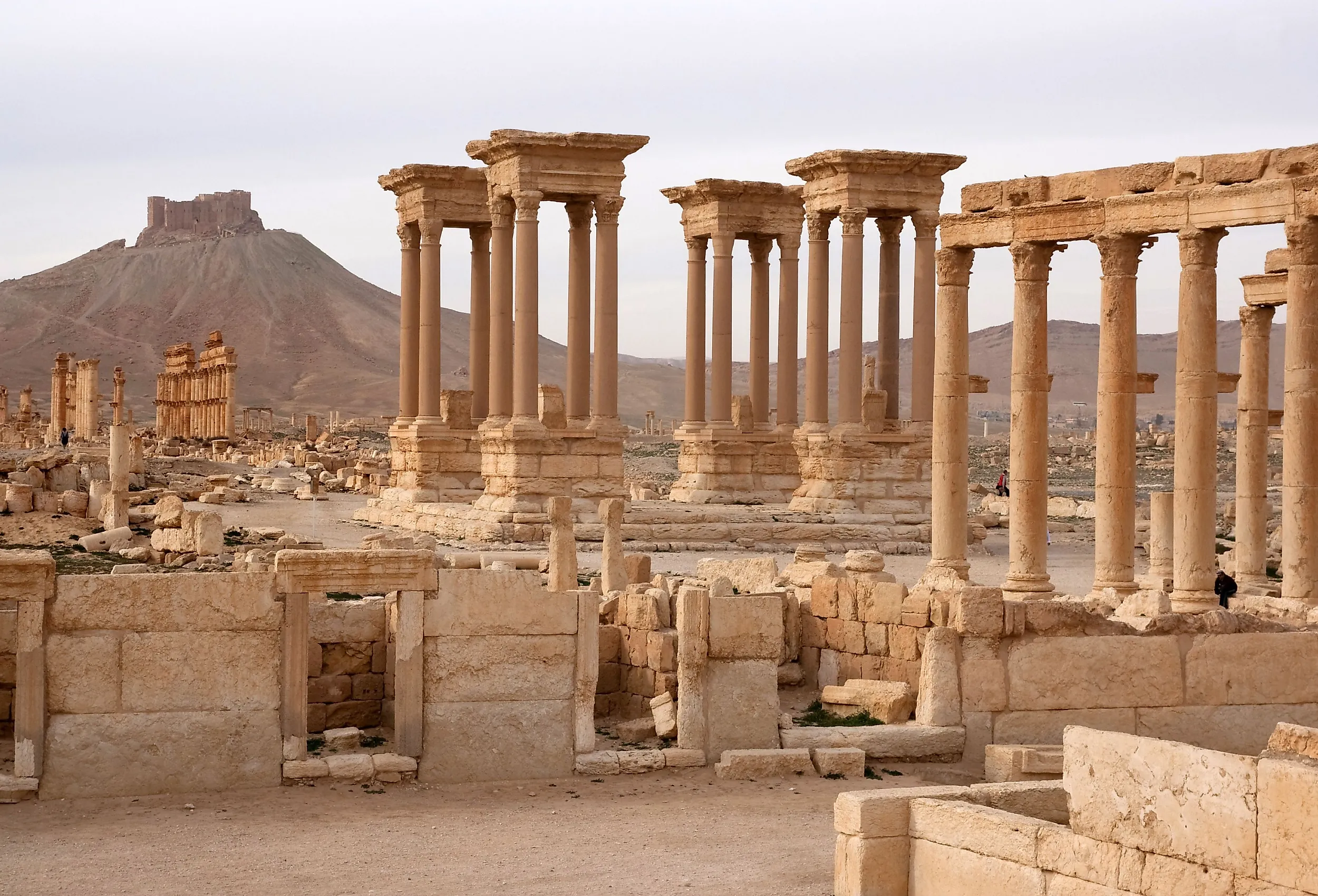
Palmyra

The ancient city of Palmyra is one of the most historically significant places on Earth. Situated in the eastern part of the Levant, the city lies within Syria, another country too often ravaged by war and active fighting.
Archaeological evidence suggests that Palmyra dates to the Neolithic period, which means it is one of the oldest continuously inhabited cities in the world. According to ancient texts, Palmyra thrived and grew in importance and was also known as Tadmur, Tadmor, or Tudmur.
Palmyra sat at the junction where several major trade routes crossed and served as an outpost for caravans and merchants traveling through the Middle East. Within the city, the Great Colonnade stood lined with statues of its most wealthy patrons and reflected the prosperity its inhabitants enjoyed at the time. These patrons also funded several lofty building projects that combined Greco-Roman techniques with local and Persian influences.
In 64 BCE, Rome seized control of present-day Syria and established it as a Roman province, with Antioch as the capital. Palmyra maintained a semi-autonomous status while benefiting from Roman protection. Its designation as a Roman city helped Palmyra enhance its reputation as a ‘caravan city’ and an essential hub for securing food sources in an arid desert environment, making it a crucial component of the Roman trade network.
In recent times, Palmyra remains under threat. Some of its major Roman monuments have sustained damage due to past militant attacks. However, it remains something of an oasis in the Syrian desert, with many of its ruins still offering a glimpse into the past.
Corduba

Cordoba, also known as Cordova, lies in the Andalusia region of southern Spain. It is the capital of the Cordoba province, with a history spanning thousands of years.
Its distinction grew under Roman rule after being founded by the Romans due to its strategic value. It sat at the highest navigable point on the Guadalquivir River, which helped make it a major port city.
As the former capital of Baetica and spanning a vast area of what is now Andalusia, Corduba grew into a thriving Roman city. The fusion of local customs and Roman influence fostered a distinctive culture and heritage. The Cordoba Treasure exemplifies this blend, showcasing a mixture of local and Roman artistic styles.
Following the Moorish conquest, Corduba saw the rise of over 300 mosques, a string of palaces, and several public buildings. The highlight of these architectural wonders is the Great Mosque of Cordoba, locally known as Mezquita-Catedral.
In 2023, Cordoba is home to more than 300,000 residents and it doesn't shy away from its ancient roots. The Historic Centre of Cordoba, with its monumental structures, is a UNESCO World Heritage site, and the city also offers tours of several ruins.
Gerasa

Gerasa, known as Jerash today, is a city in northern Jordan that serves as the administrative center of the Jerash Governorate.
The ruins of the Greco-Roman city of Gerasa are in Jerash. Some historical texts refer to Gerasa as Antioch on the Golden, and the name Gerasa itself is thought to have come from the Semitic word for ‘rocky.’
In its heyday, Gerasa was a vital city within the Roman Decapolis, a group of ten cities on the eastern front of the Roman Empire in Jordan, Israel, and Syria. Its location, around 30 miles north of Amman, helped make it a major center for trade and commerce.
Today, Jerash is one of the best-preserved Roman Decapolis cities. Its array of ruins reveals a combination of Hellenistic, Roman, and Byzantine architecture and provides an open window into the urban life of a classic Roman city.
Jerash is believed to be the largest Roman city still in existence and is often referred to as the Pompeii of the Middle East. Tourists can expect an authentic tour of an ancient city right in the middle of the modern one.
Augusta Raurica

Another historical treasure, and Roman archaeological site, is Augusta Raurica located near Augst in Switzerland. This place doubles as an open-air museum on the Rhine River's southern bank. The site provides an in-depth view of the Romans’ presence in Switzerland and its lasting impact on the region's culture and history.
The settlement of Augusta Raurica got its name from the Celtic tribe known as the Rauriker. The Rhine River was a natural boundary and city barrier in Roman times. The Romans fortified the city by adding military camps and smaller towns.
The ruins of Augusta Raurica are well-preserved, and visitors can still explore the amphitheater, the temple, and other civic buildings today. It receives around 140,000 visitors every year who want to learn more about the daily lives of the Romans in Switzerland.
Augusta Raurica is one of the main links to Switzerland’s Roman heritage and a must-visit for anyone keen to understand the full impact of the Roman Empire in Europe and beyond.
Conclusion
Each of these great Roman cities provide insight into one of the most powerful empires in the world, and their significance today. They will undoubtedly continue to fascinate those interested in ancient history, incredible architecture, and likely give up more mysteries in the generations to come!