The Defeat That Changed The Roman Army Forever
Two Roman armies marched against the Cimbri in 105 BCE. Both were virtually destroyed. Ancient accounts put Roman military losses at an extraordinary 80,000 men at the Battle of Arausio, making it one of the Republic's most notorious defeats and leaving Rome facing the possibility of an invasion of Italy.
What happened next is more complicated than the traditional story suggests. The disaster helped propel Gaius Marius to repeated consulships and command against the northern threat, while the Roman army was undergoing changes that would transform warfare in the late Republic. Those changes were once packaged neatly as the "Marian reforms." Modern historians increasingly see something messier: a military transformation unfolding over decades, paving the way for the rise of the Empire, rather than beginning with a single man or a single battle.
The Cimbrian Threat

In the late second century BCE, the migrating Cimbri and Teutones, accompanied at times by other groups, moved south and came into conflict with Rome. The Romans initially underestimated them. This changed following a series of defeats, including at Noreia in 113 BCE, when Gnaeus Papirius Carbo's army was ambushed by the Gauls and routed. Another Roman army, this time commanded by Lucius Cassius Longinus, was defeated in 107 BCE. By this point, alarm bells were going off. The mobility and speed of the Cimbri and Teutones were different from any other "barbarian" threat the Romans had faced before. Some even feared that they'd cross the Alps and invade Italy, as Hannibal had done 100 years earlier.
Caepio Vs. Mallius

The Romans, therefore, sent two armies to Gaul (modern-day France, Belgium, and Luxembourg). Quintus Servilius Caepio led one, while Gnaeus Mallius Maximus commanded the other. Both men came from different backgrounds and disliked each other because of that. Caepio was part of the old Roman aristocracy. In contrast, Mallius was a novus homo, a "new man" who had risen to his position based on merit and without any familial connections. This was problematic, since Mallius was legally Caepio's superior officer. Caepio refused to take orders from someone from a lower social standing than his own, so the two armies maintained separate commands.
The Battle of Arausio (105 BCE)

The armies eventually concentrated their forces on the town of Arausio in southeastern Gaul. As the Cimbri approached, Mallius made a last-ditch effort to join with Caepio. Caepio refused and instead moved his army across the nearby Rhône River to establish his own position. Tensions rose even further when the Cimbri sent envoys to negotiate with the Romans. Since Mallius was the senior officer, they treated him. This enraged Caepio and made him even more unwilling to cooperate with the other army.
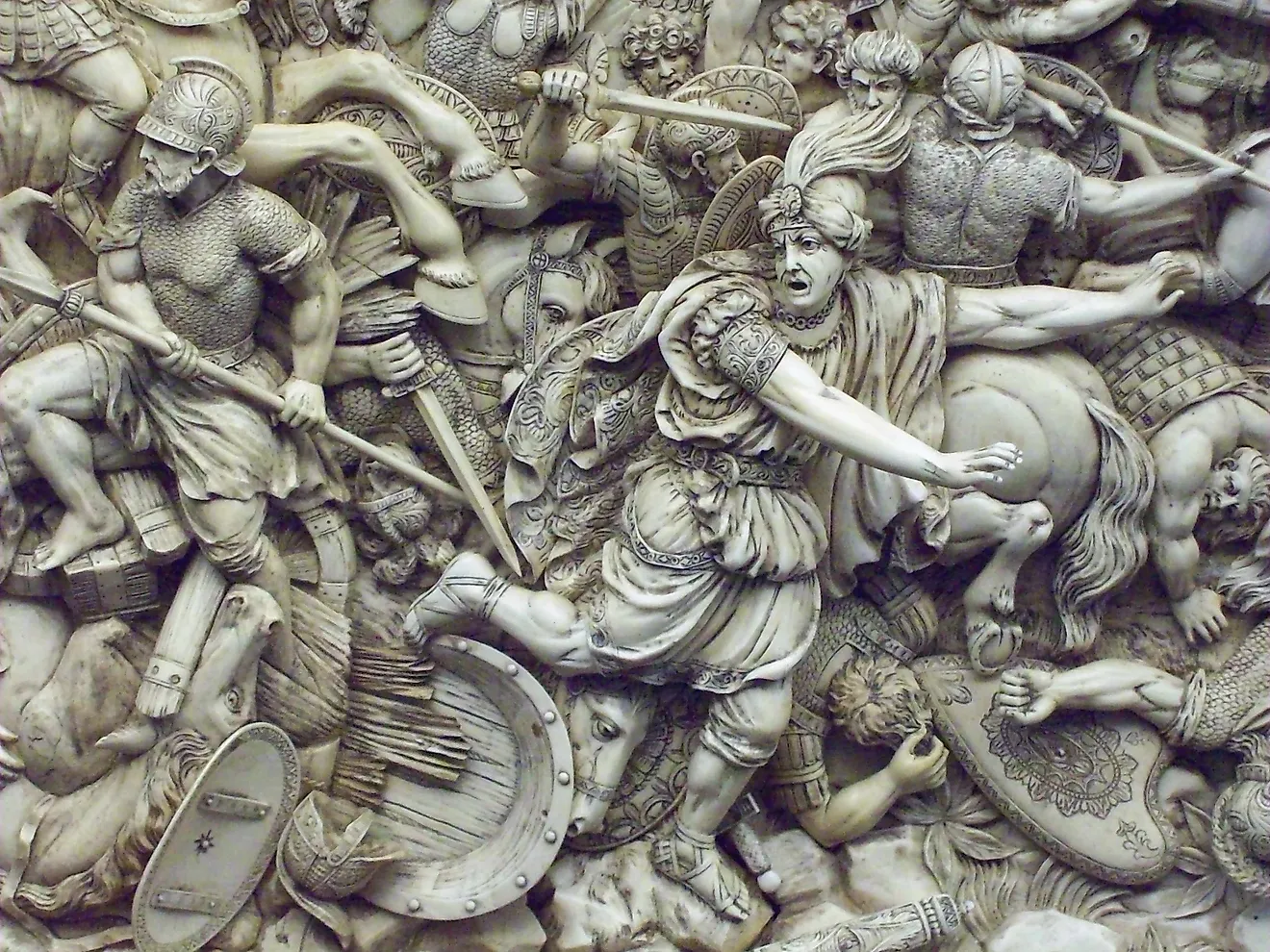
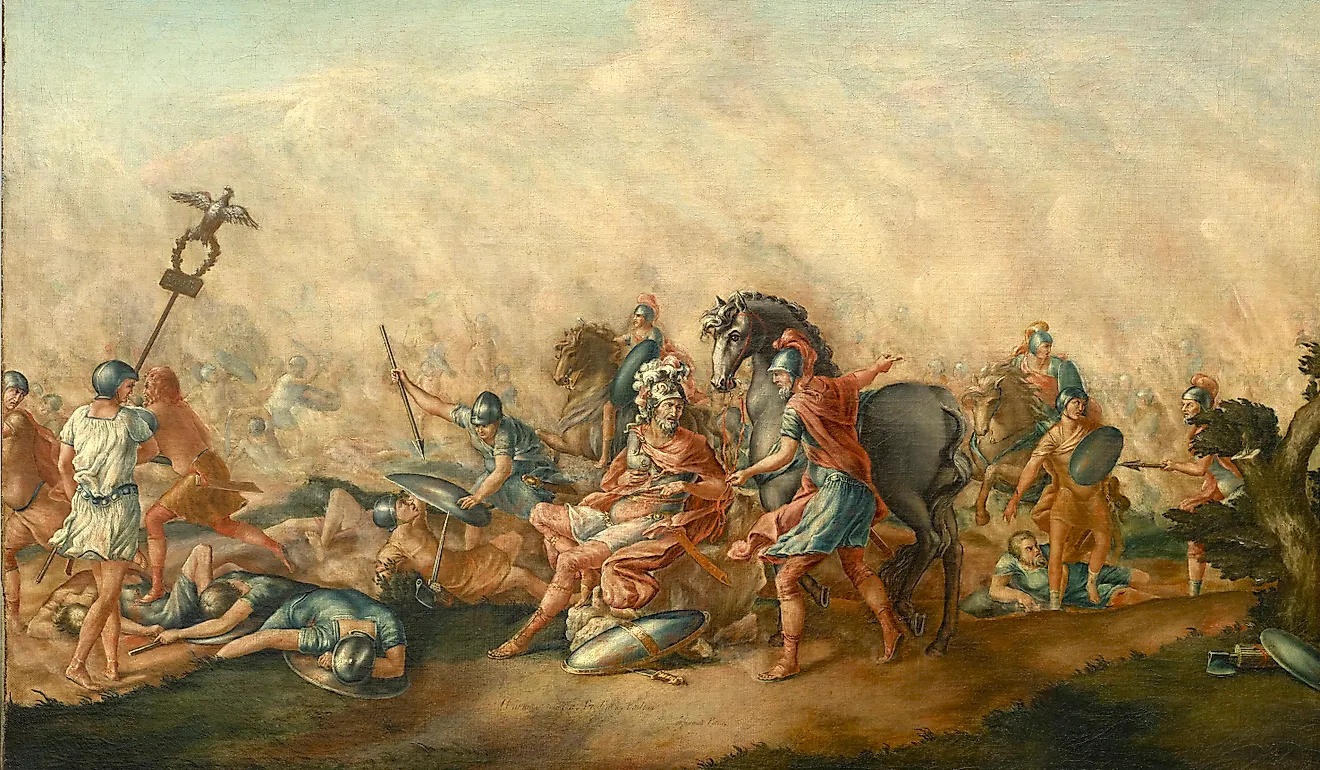
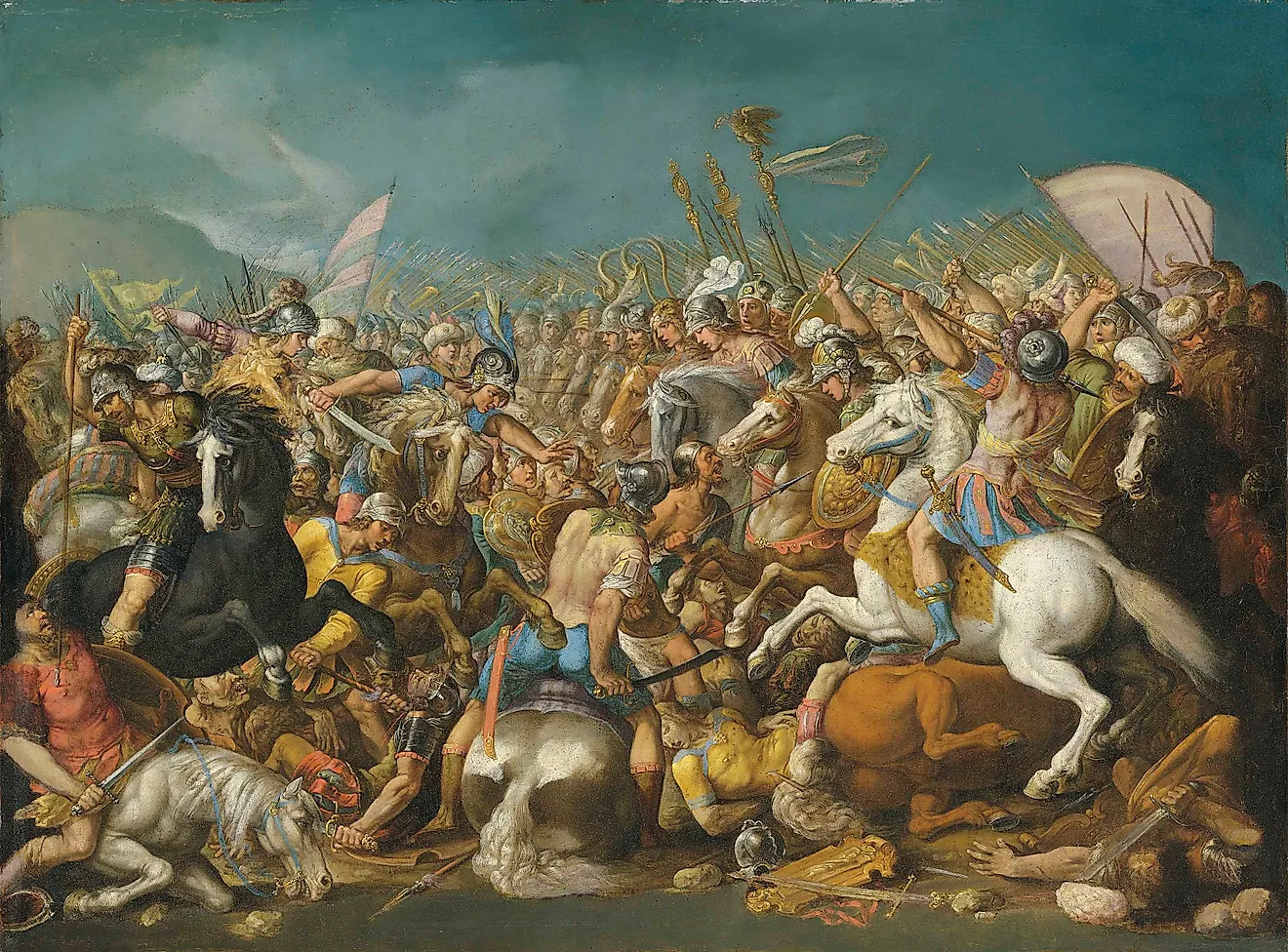
Few sources survive from the battle itself, so it's difficult to discuss precise tactical maneuvers on either side. Regardless, we know that the Cimbri first attacked Caepio. Caepio attacked independently, and his force was overwhelmed. The victorious Cimbri and their allies then fell upon Mallius' army, whose position against the Rhône left little room for escape. At this point, defeat became more or less inevitable. The Roman position collapsed, and the Rhône River made a retreat nearly impossible.
The Immediate Aftermath

Any numbers from ancient battles need to be taken with a grain of salt, since ancient historians tend to exaggerate for dramatic effect. The Roman historian Livy asserts that 80,000 Roman soldiers and 40,000 camp followers and non-combatants were killed. This would make it the biggest defeat in Roman history, surpassing the record previously set at the Battle of Cannae in 216 BCE. These numbers are almost certainly inflated, but they were undoubtedly very high. The psychological impact of losing two armies at once was also traumatic and, as will soon become clear, led to fundamental reforms within the Roman military.
With the Romans defeated, one might naturally think that the Gauls set their sights on Italy. After all, their road across the Alps was now much easier. Rather than immediately invading Italy, the coalition dispersed: the Cimbri moved toward Spain, while the Teutones and Ambrones remained active in Gaul. This delay gave the Romans time to recover, and they were able to repel the Gauls in the long run. Had there not been such a delay, Roman history might have looked very different.
Army Reforms

Desperate for strong leadership after the Battle of Arausio, the Romans turned to one of their most capable generals: Gaius Marius. He had recently achieved a major victory against Numidia in the Jugurthine War and was popular with both soldiers and citizens. This resulted in his being elected consul in 104 BCE, despite having already held the position several years earlier. Marius was ultimately made consul seven times during his career.
Ancient historians assert that Marius oversaw several monumental changes to the army. He saw how poor leadership, coordination, and an overall lack of professionalism could lead to disasters. Marius' recruitment of poorer citizens is traditionally presented as a decisive step toward a more professional Roman army. However, the transition from citizen levy to standing professional force occurred gradually over the following decades. He also famously recruited landless citizens, the capite censi, in 107 BCE, helping to normalize a practice with precedents, as traditional property qualifications for military service were already declining. This helped eliminate prejudice towards commanders like Mallius.
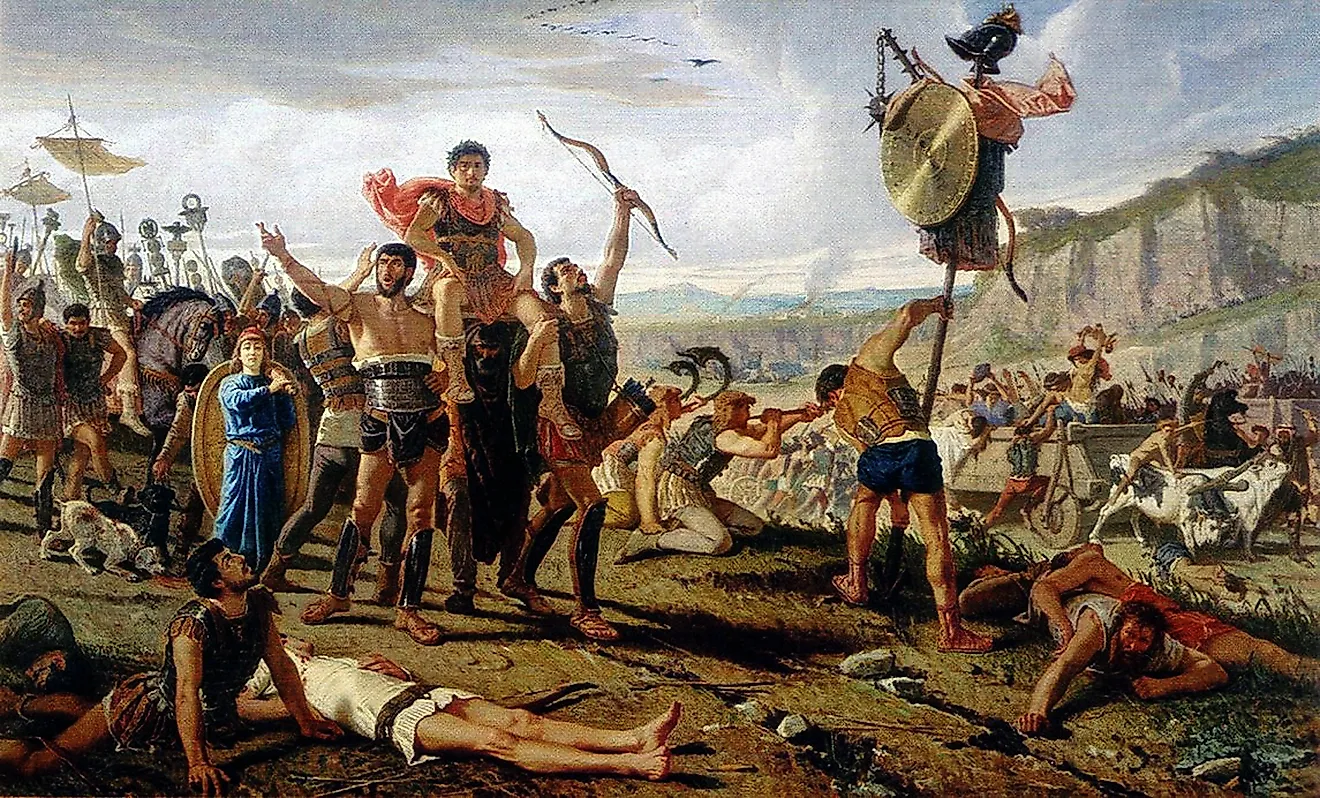
While modern historians doubt the so-called "Marian reforms" were all enacted by him, and instead were part of a gradual, decades-long transformation of the Roman army, they were nonetheless effective, at least in the short term. Marius defeated the Teutones at the Battle of Aquae Sextiae in 102 BCE, and the Cimbri the following year at the Battle of Vercellae.
Long-Term Impact And Legacy
Things became more problematic in the long term. As poorer soldiers increasingly depended on successful commanders for booty, land grants, and rewards after service, personal ties between troops and generals could compete with loyalty to the Roman state. The crisis escalated dramatically in 88 BCE, when Sulla marched his army on Rome after his command against Mithridates was transferred to Marius, establishing a dangerous precedent for using Roman troops against domestic political opponents. These two factors led to the rise of generals like Pompey and Julius Caesar, who destroyed Republican norms with their own civil wars. Ultimately, the Roman Empire came into existence following years of instability, the root of which was the Marian reforms that occurred in the aftermath of the Battle of Arausio. The aforementioned military changes became part of a much broader transformation of the late Republic, in which political competition, civil violence, and increasingly powerful commanders ultimately helped undermine Republican government.