Everything You Know About The Ottoman Empire Might Be Wrong
Western historical analysis often focuses on the decline of the Ottoman Empire. The framing of this decline is notable, with many arguing that it was an inevitable consequence of a corrupt, overstretched, and hollowed-out state. It's therefore worth asking if this was actually the case. Was the Ottoman Empire truly the "sick man of Europe," or is there more to the story? By investigating this question, it becomes clear that much of what is known about the Ottoman Empire, particularly in the 1700s, 1800s, and 1900s, is wrong.
Context

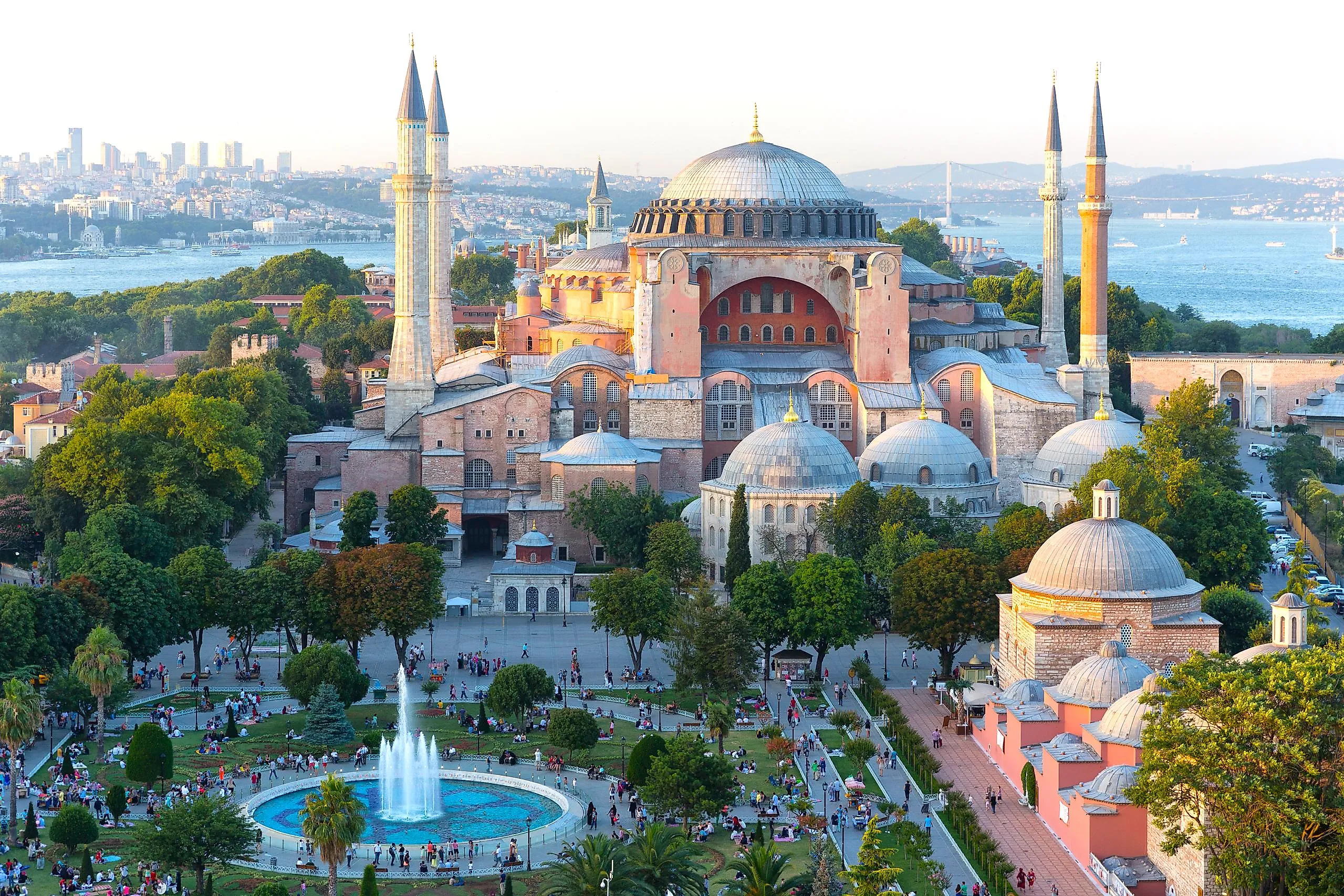
Beginning as one of many beyliks ("states") in Anatolia around 1300, the Ottoman Empire quickly grew into a regional power. Its main rival, the Byzantine Empire, had been weakened by internal instability, the Fourth Crusade, and the loss of much of Anatolia to Turkish powers. This allowed the Ottomans to gradually take territory in northwestern Anatolia and the Balkans, culminating in their capture of the Byzantine capital, Constantinople, in 1453.
The empire reached its peak under the reign of Sultan Suleiman the Magnificent (1520 to 1566). His military conquests saw the Ottomans move into Central Europe and make substantial gains against the Persia-based Safavid Empire in the east. Suleiman also oversaw naval expeditions into North Africa, marking the beginning of the Ottoman Empire's loose control of the region. When combined with legal reforms that formalized a dual system of Islamic and secular law, and a flourishing of cultural life, Suleiman's tenure is generally remembered as the "Golden Age of the Ottoman Empire."
Military Stagnation

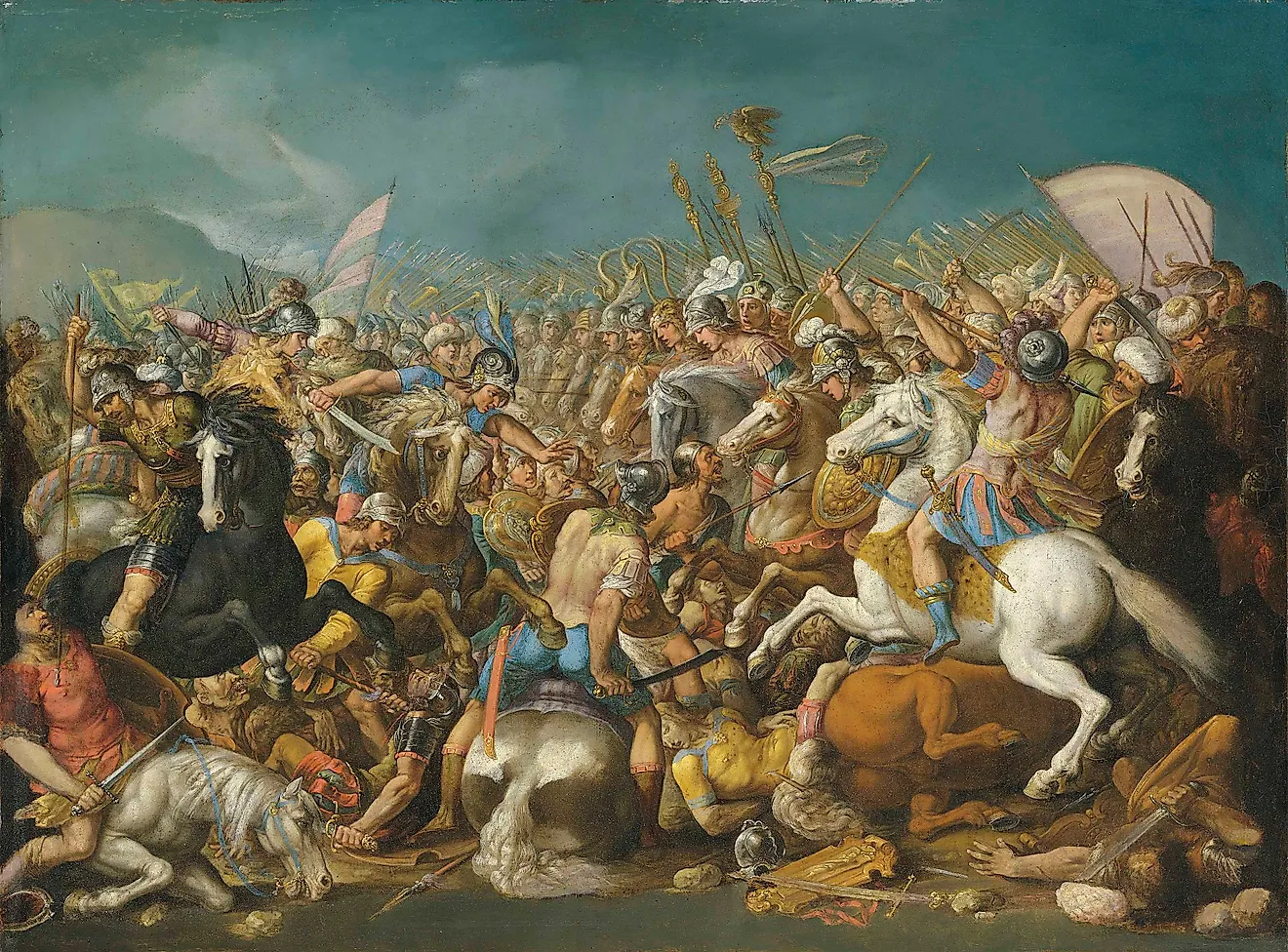
A series of military defeats ended this period. The Battle of Lepanto (1571) marked the first significant victory by a Christian European naval coalition over an Ottoman fleet. While the strategic consequences of the conflict were unimportant, it nonetheless shattered the myth of Ottoman invincibility. An even bigger defeat occurred over a century later with the failed Siege of Vienna (1683). After the ensuing Great Turkish War, the Treaty of Carlowitz in 1699 sharply reduced Ottoman power in east-central Europe.
The root of many of these losses was military stagnation caused by the Janissaries. Originally an elite military unit meant to protect the sultan, their political influence grew over time. It eventually reached the point where they revolted whenever a sultan attempted to enact reforms that challenged their privileges. Recognizing that this dynamic couldn't continue, Sultan Mahmud II violently disbanded them on June 15th, 1826, in an affair called the Auspicious Incident. Even though the Janissaries were gone, centuries of lagging behind Europeans left the Ottomans militarily weak.
Economic Problems
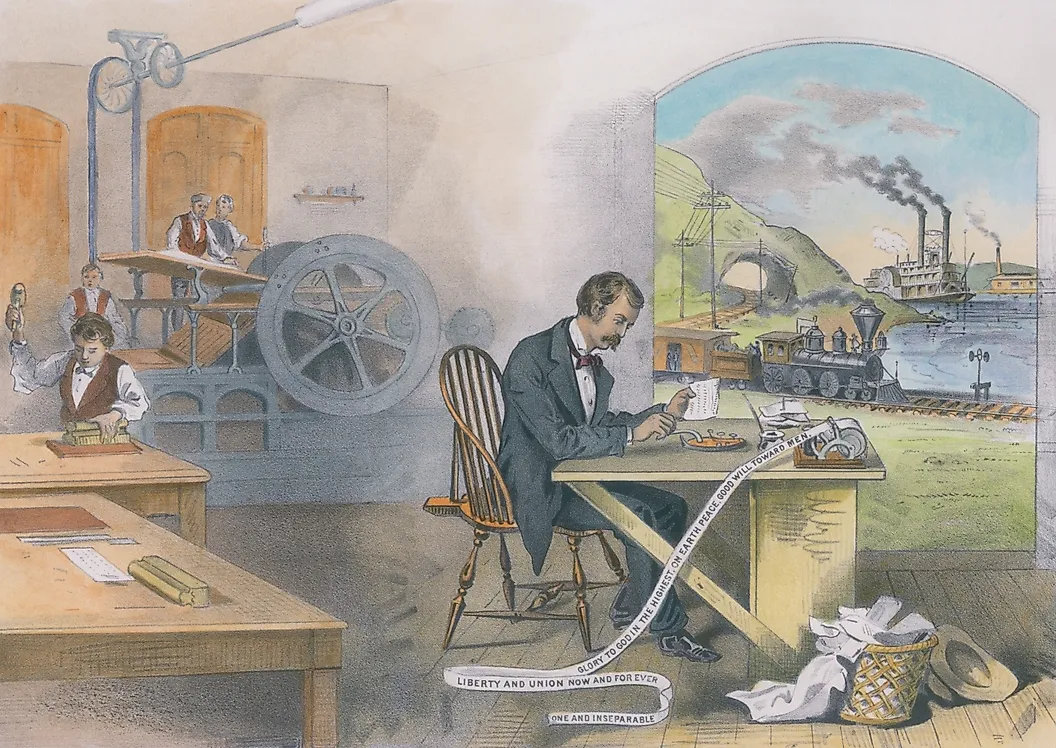
This weakness was compounded by economic issues. At the height of its power, the Ottoman Empire controlled key overland trade corridors linking Europe and Asia. The rise of sea-based exploration changed all this. As Europeans travelled across the Atlantic and around Africa, Ottoman trade routes became less necessary. European maritime routes reduced European reliance on some Ottoman-controlled overland corridors, contributing over time to shifts in regional trade patterns. The Industrial Revolution made this problem even worse. European factories began producing goods more quickly and efficiently, lessening the need for Ottoman industries. The Ottomans also didn't keep up with this pace of industrialization, causing them to lag behind even more.
Nationalism And Foreign Meddling

Despite being an officially Islamic state with a large Turkish population, the Ottoman Empire was multiethnic and multireligious. Greeks, Serbs, Armenians, Bulgarians, Kurds, Arabs, and Albanians were just some of the many peoples it governed. As the government's control over the frontier provinces weakened, nationalist sentiments emerged among these groups. This led to countries like Greece, Serbia, Romania, and Montenegro becoming independent during the 1800s.
To help regain control over the provinces and address their aforementioned economic problems, the Ottomans entered into many unfair agreements with European powers. The empire's mounting foreign debt eventually led to European financial oversight, including the Ottoman Public Debt Administration established in 1881. The Treaty of Balta Liman (1838) also expanded British trade rights, abolished many Ottoman monopolies, and limited the state's ability to protect or regulate parts of its domestic economy.
Was It Really The Sick Man Of Europe?

Due to all that has been discussed so far, the Ottoman Empire was famously described as the "sick man of Europe" in a reported 1853 conversation involving Czar Nicholas I. Many believed that its decline was inevitable and unstoppable. It's worth interrogating this belief. Indeed, while the Ottoman sultanate was abolished in 1922, it survived for nearly 70 years after Nicholas I's proclamation, the same amount of time as the Soviet Union's entire existence. It persisted through domestic turmoil, political upheaval, and even fought a war (World War I) on four fronts for four years. This suggests that the Ottoman state was stronger than is often remembered.
Much of this strength stemmed from the Tanzimat Reforms. Occurring from roughly 1839 to 1876, these were sweeping restructuring and modernizing efforts meant to establish parity with Europe. A core component was secularization; all Ottoman subjects were given legal equality, regardless of their religious beliefs, and secular education was expanded. The government also made massive investments into infrastructure, building up the state's telegraph network and constructing modern railways. Finally, the military was reorganized into a European-style conscription system.
Impact and Legacy
The Ottoman Empire undoubtedly experienced problems in the 1700s, 1800s, and 1900s. Military stagnation, economic decline, nationalist movements, and foreign meddling all played a role. At the same time, the notion that the empire's decline was inevitable isn't reflective of reality. Due to efforts like the Tanzimat Reforms, it managed to survive long after its death proclamation.