Was The Roman Empire A Dictatorship?
Despite our collective fascination with Rome, its system of governance often confuses us. Was it a dictatorship or a democracy? The answer to this question depends on the particular period. During the Republic, Rome had some democratic institutions. Julius Caesar changed all this when he was granted the title dictator for life. Following Caesar's assassination and a lengthy civil war, Augustus became the first emperor of Rome, marking the beginning of the Empire. Over the next 500 or so years, the emperor's power gradually became more and more absolute. Even still, there were important differences between the Roman Empire and modern-day dictatorships.
The Roman Republic
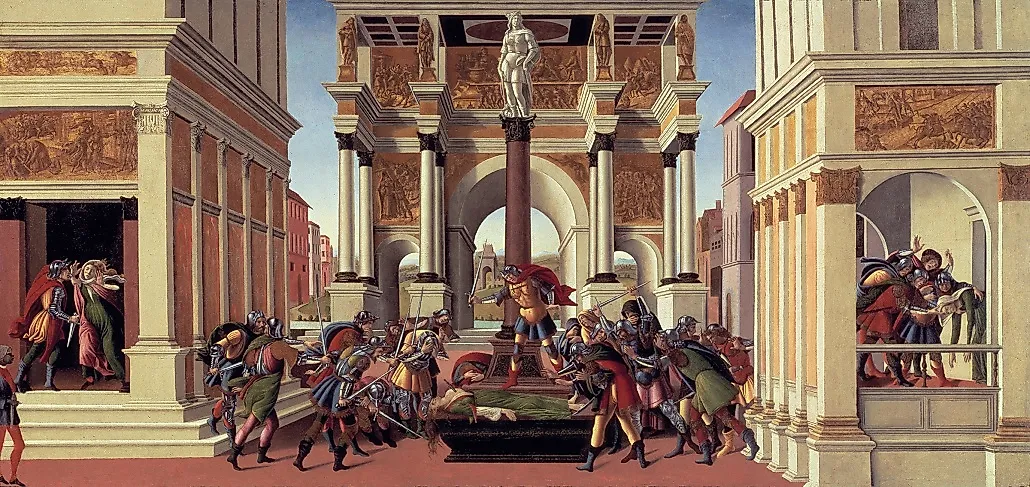
Founded according to tradition in 753 BCE, Rome was initially a monarchical city-state. However, centuries of abuses of power led to a revolution in 509 BCE in which the king, Lucius Tarquinius Superbus, was expelled and replaced by a republic. Power was now divided between the Senate, two consuls, and popular assemblies like the Comitia Centuriata. While the intention was to prevent power accumulation in the hands of one person or institution, this was not always the case in practice. Consuls had a one-year term limit, whereas senators held their positions for life. The Senate therefore had a wealth of experience that gave it an outsized influence. Nevertheless, Republican Rome was not a dictatorship, since there was still a meaningful level of power sharing.
The Rise Of The Dictators
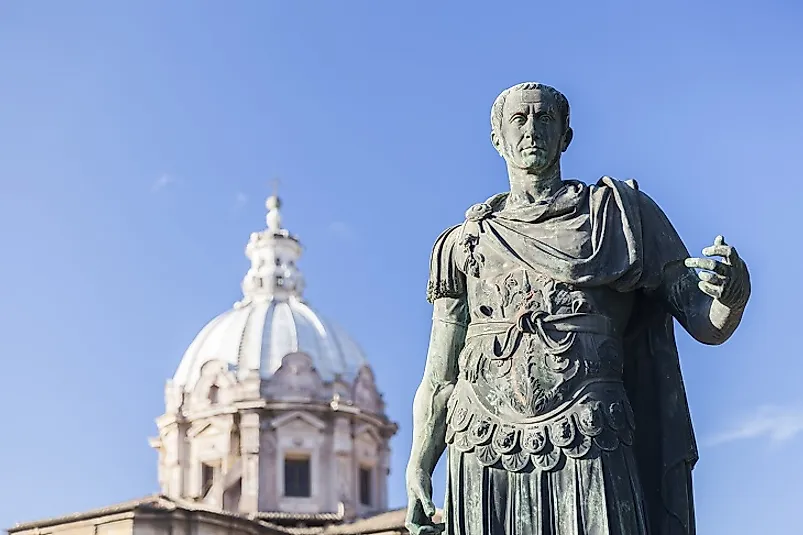
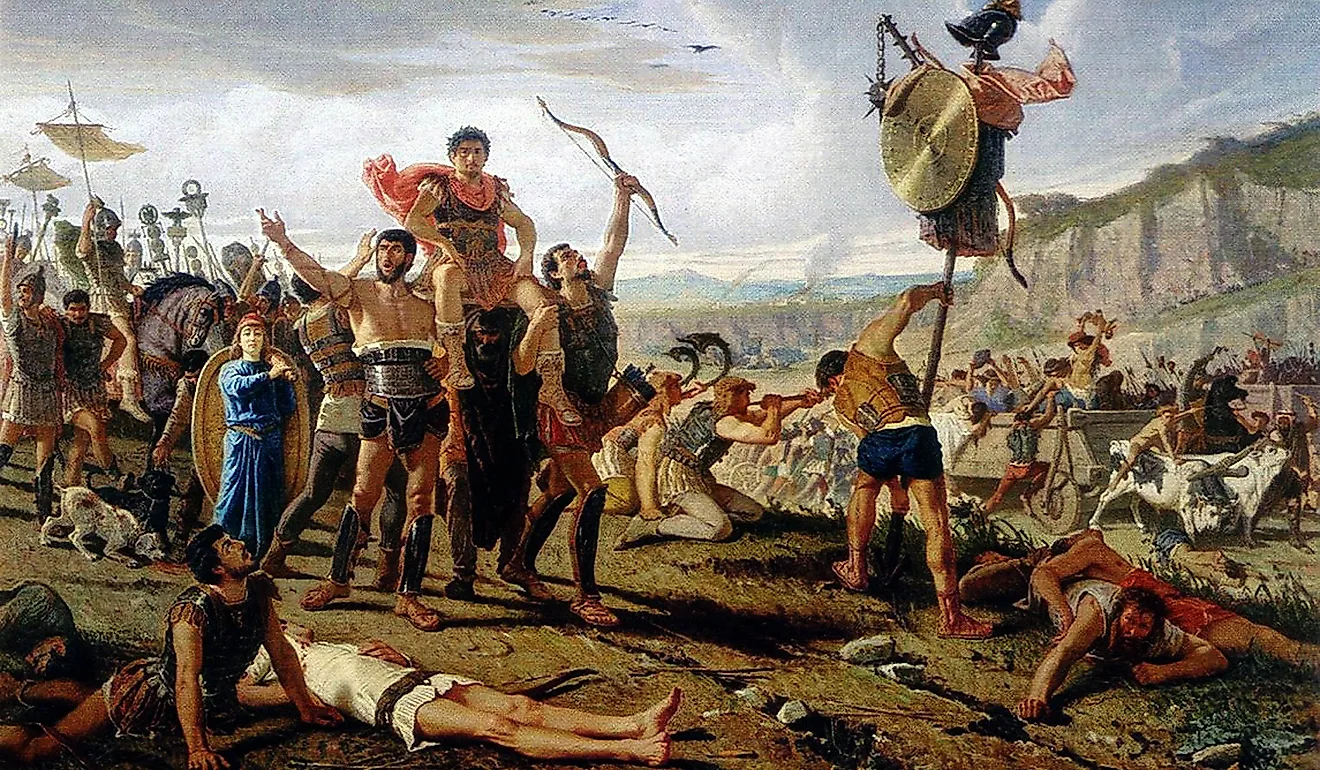
There was one exception. Consuls could appoint a dictator in times of crisis. These were officials given special powers to help deal with an invasion, famine, or other sort of problem that required sweeping action. Dictators were temporary. One of the most famous figures in Roman history, Quintus Fabius Maximus Verrucosus, who led the resistance against Carthage during the Second Punic War, gave up his dictatorial powers after about six months.
Julius Caesar changed this norm. A general, he rose to prominence when leading the campaign to take Gaul (58-50 BCE). These achievements gave him immense wealth and popularity, which made the Senate and other generals anxious. Ultimately, Caesar went to war with the Senate in 49 BCE. After the civil war of 49-45 BCE, in which he defeated his principal opponents, Caesar was granted the title dictator for life in 44 BCE. From this point onwards, Rome was almost exclusively an authoritarian state.
From Republic To Empire

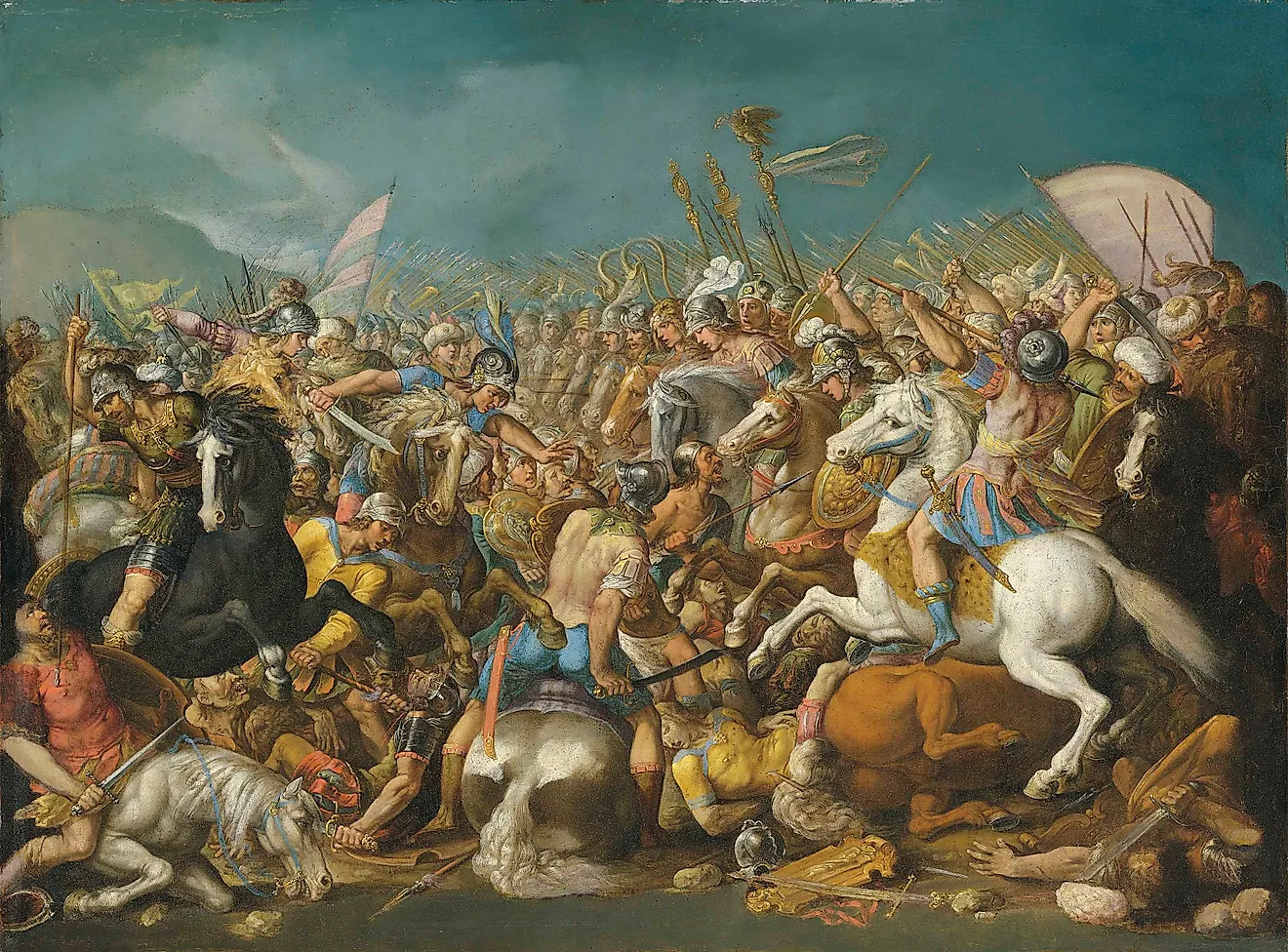
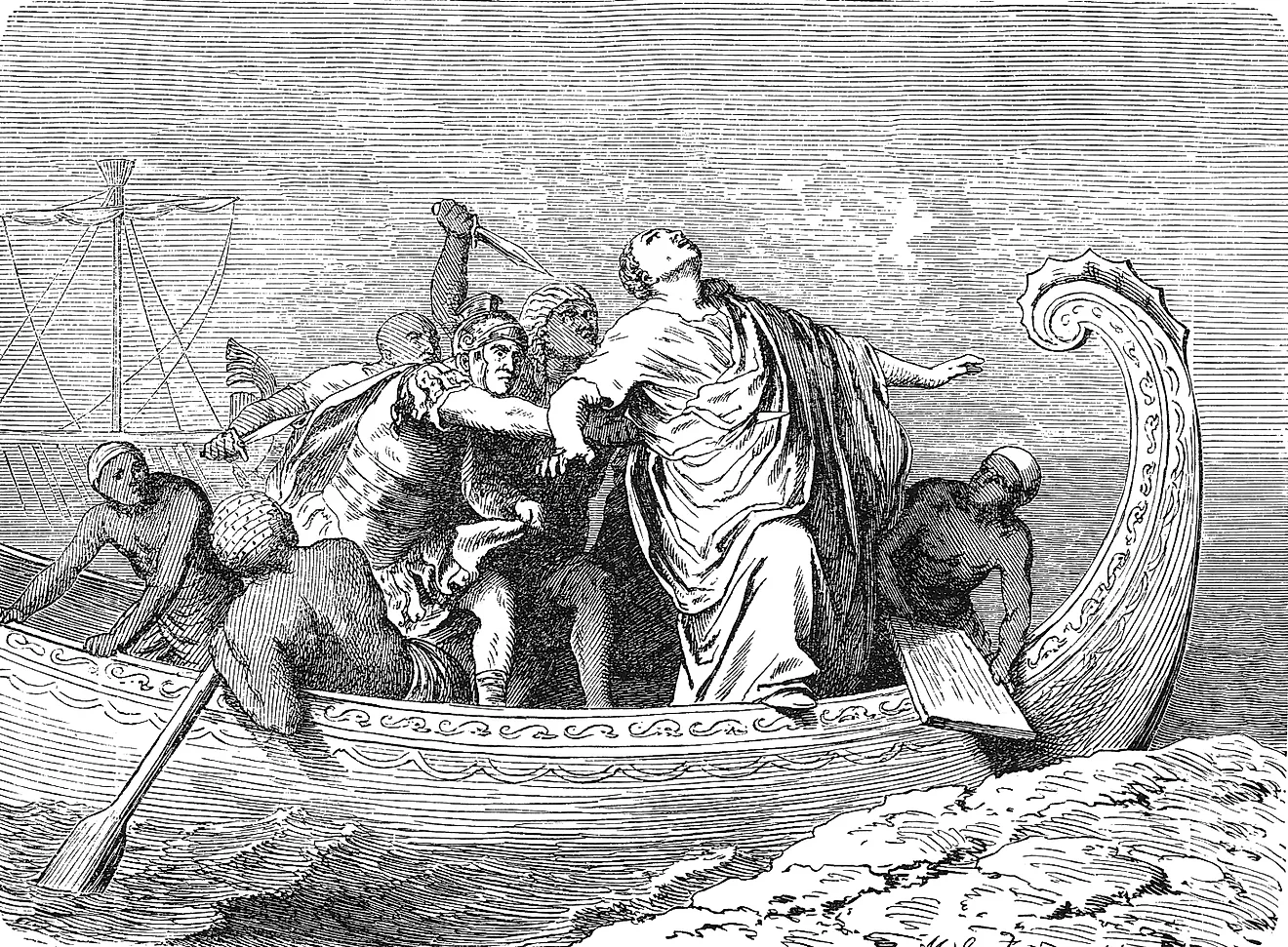
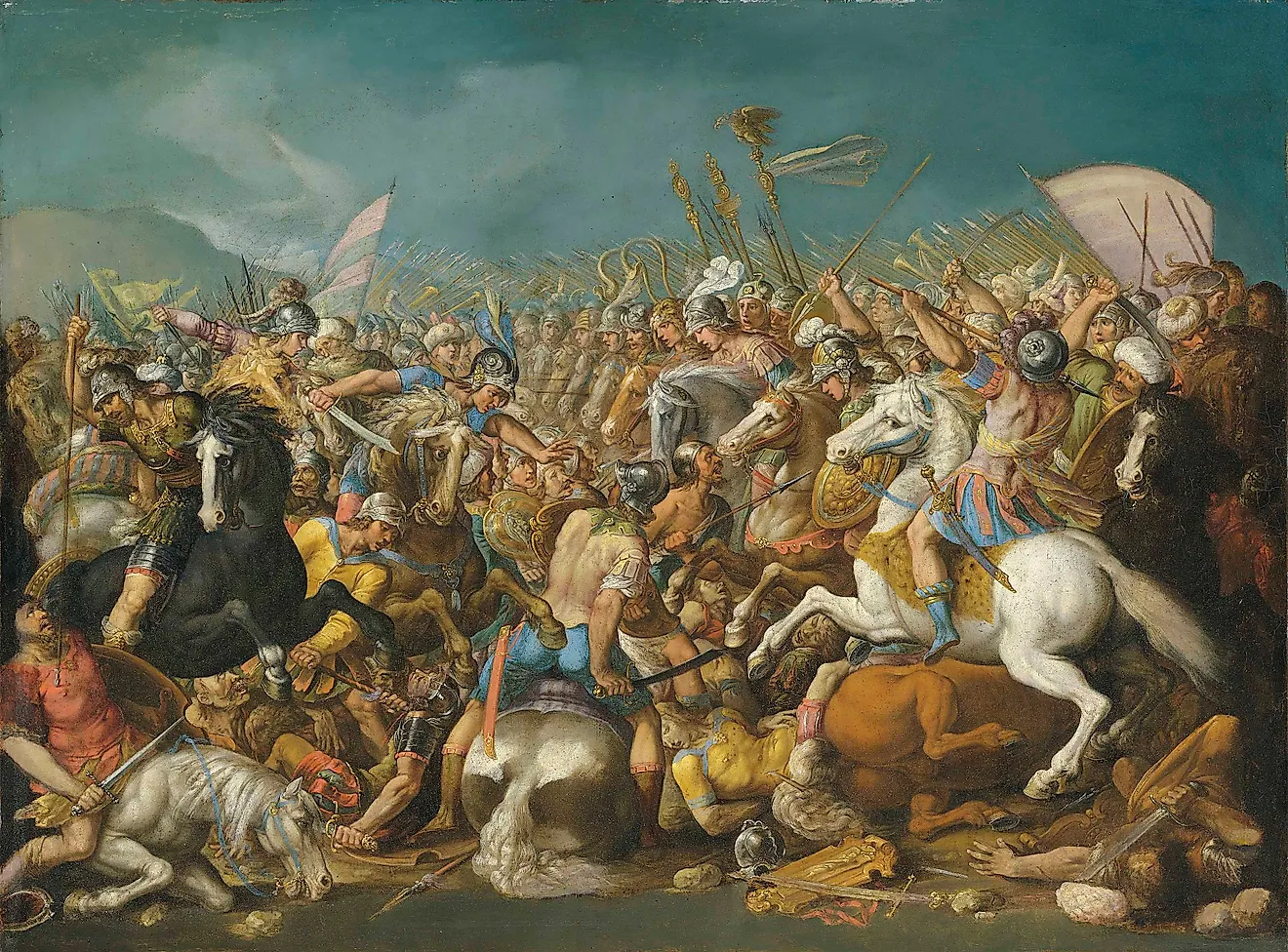
Anxious about Caesar's growing power, a group of senators assassinated him in 44 BCE. Doing so set off a chain reaction that plunged Rome back into civil war. The two sides emerged as Octavian, who controlled western Rome, and Mark Antony, who controlled the east. Antony then became strategically and romantically involved with Egyptian leader Cleopatra. Octavian used this relationship to argue that Antony wasn't loyal to Rome, thereby convincing the Senate to strip him of his powers. The climactic engagement came with the Battle of Actium in 31 BCE, in which Octavian decimated Antony and Cleopatra's fleets. They fled to Egypt; after Octavian invaded the following year, both committed suicide in 30 BCE, leaving him the undisputed ruler of Rome.
Absolute Power

In 27 BCE, Octavian was granted the title Augustus, and historians generally mark this as the beginning of his rule as Rome's first emperor. With this, the Roman Republic ended, and the Roman Empire began. Institutions like the Senate continued to exist, but real power increasingly centered on Augustus and the emperor. Augustus leveraged this power to ensure that most aspects of the state were loyal to him. In the Republic, armies were often swayed by charismatic generals, leading to domestic turmoil and civil war. Augustus prevented this by creating a standing army that was paid directly by the emperor. He also appointed professional bureaucrats and administrators loyal to him, in contrast to the elites who frequently used these roles to enrich themselves during the Republic.
Absolute Power?

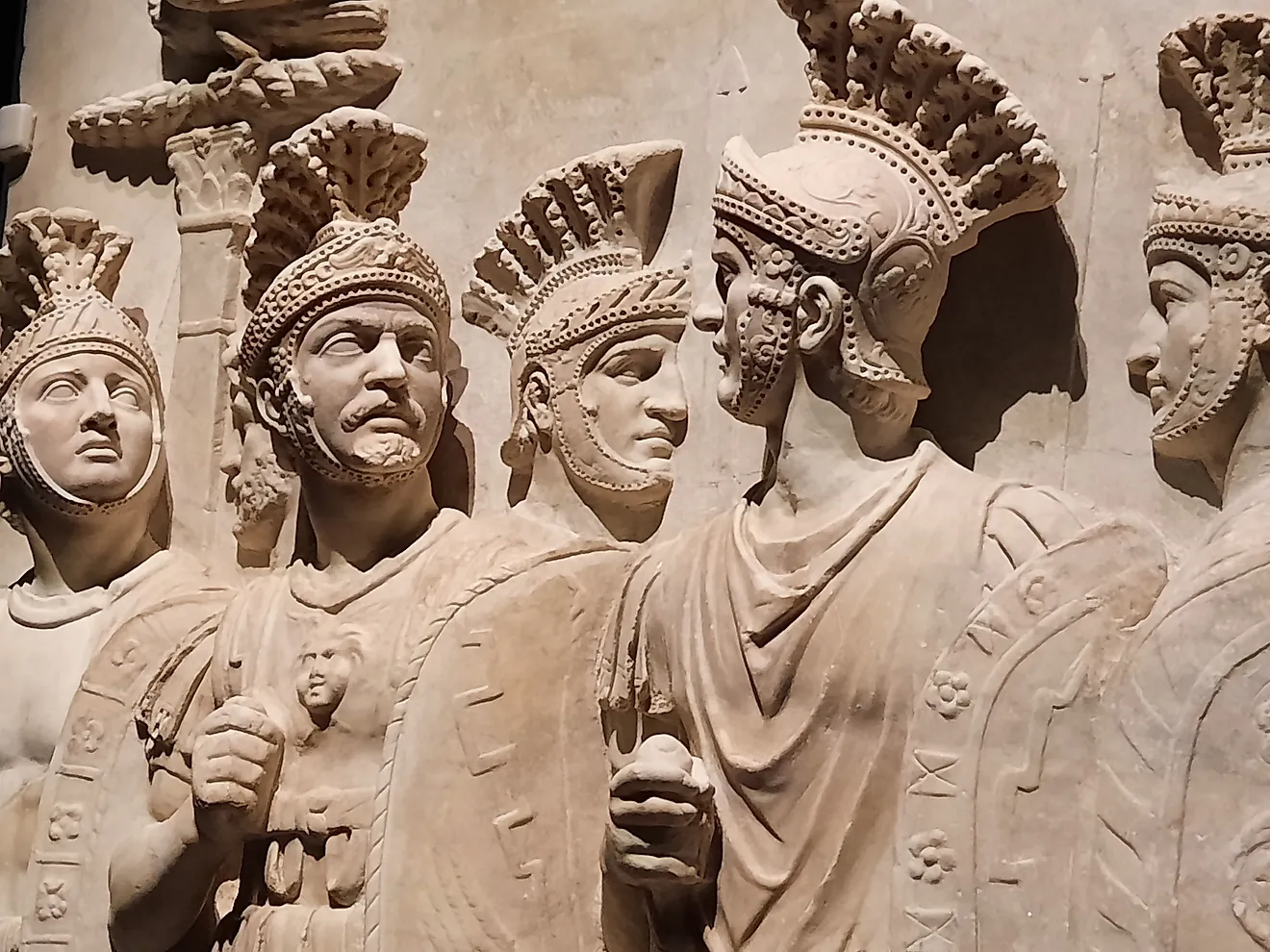
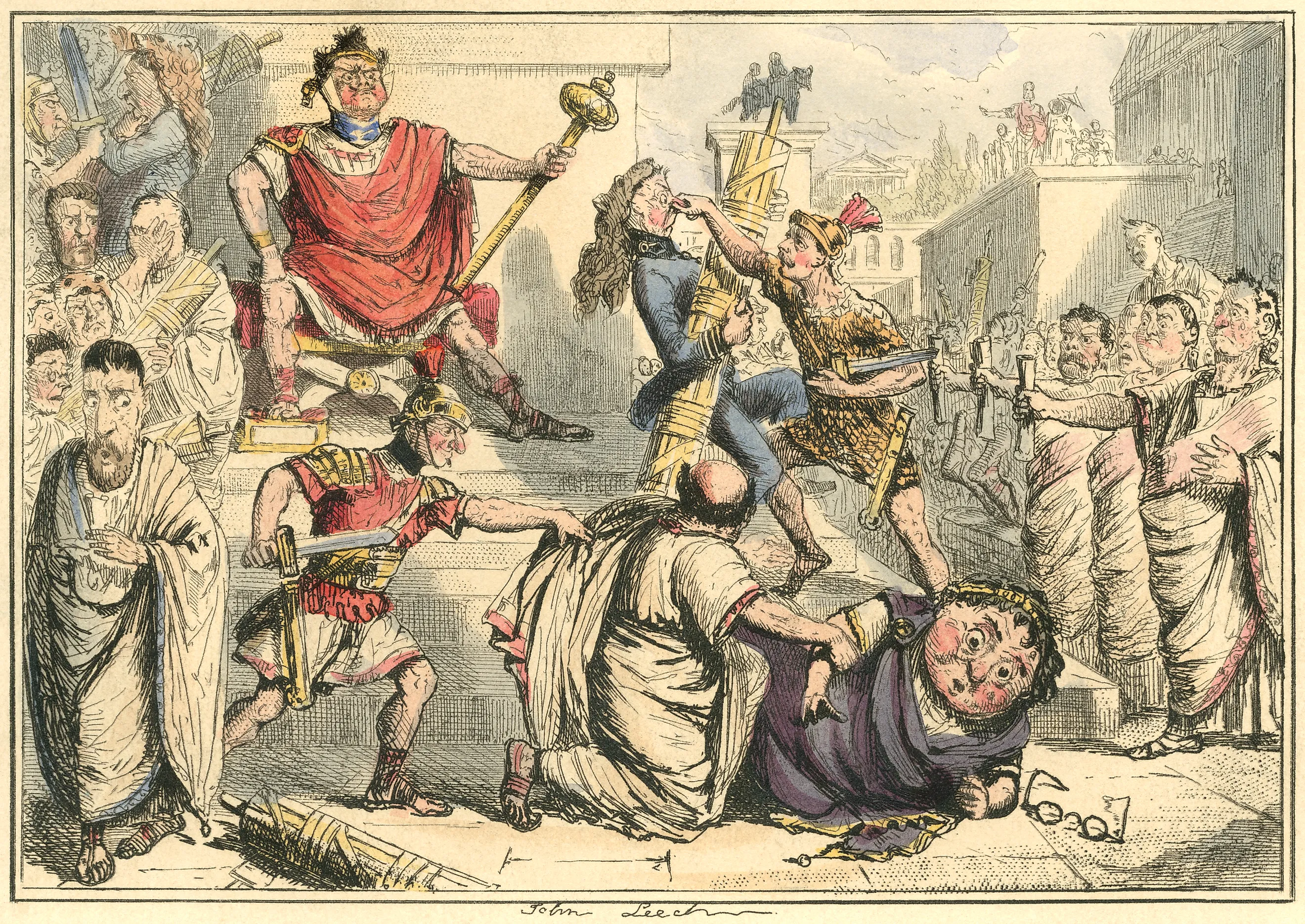
Despite all these measures, Roman emperors never truly gained the same dictatorial authority as the most totalitarian states in history. One institution preventing this was the Praetorian Guard. An elite military unit created to protect the emperor, it eventually gained outsized political influence. Emperors often rose and fell in accordance with the whims of the Praetorians, and they even auctioned off the emperorship to the highest bidder in 193 CE. In short, because they also had to please the Praetorian Guard, Roman emperors lacked absolute authority.
There were other differences between the Roman Empire and modern dictatorships. It lacked a ruling political party or a clear ideology. The succession process was also unclear, meaning that any given emperor's authority could be challenged. Finally, the realities of the time prevented it from having the massive surveillance state of modern dictatorships. Even if many emperors would have liked absolute power, they simply didn't have the means of acquiring it.
Impact And Legacy
Rome had a complex relationship with authoritarianism. The Republic was founded in response to monarchical abuses of power. It had institutions meant to prevent power concentration, but was never truly democratic. Caesar's dictatorship severely undermined the Republic's remaining power-sharing institutions, and Augustus later completed the transition to imperial rule. Even so, challenges like the Praetorian Guard, an unclear succession process, and the lack of a surveillance state meant that the Roman Empire never really resembled a modern dictatorship.