The Most Heavily Defended Ancient Capitals
Heavily defended cities preserved their administrative hearts through fortifications and strategic geography. Constantinople's triple wall system, for example, protected the city and its strategic influence for over 1,000 years. Another city, Athens, built a unique system that included the Long Walls, a parallel fortification. Though the upfront cost of such well-crafted defenses was significant, the insurance they provided justified the expense. Starting with Constantinople, here are the five most heavily defended ancient capitals that shaped history.
Constantinople

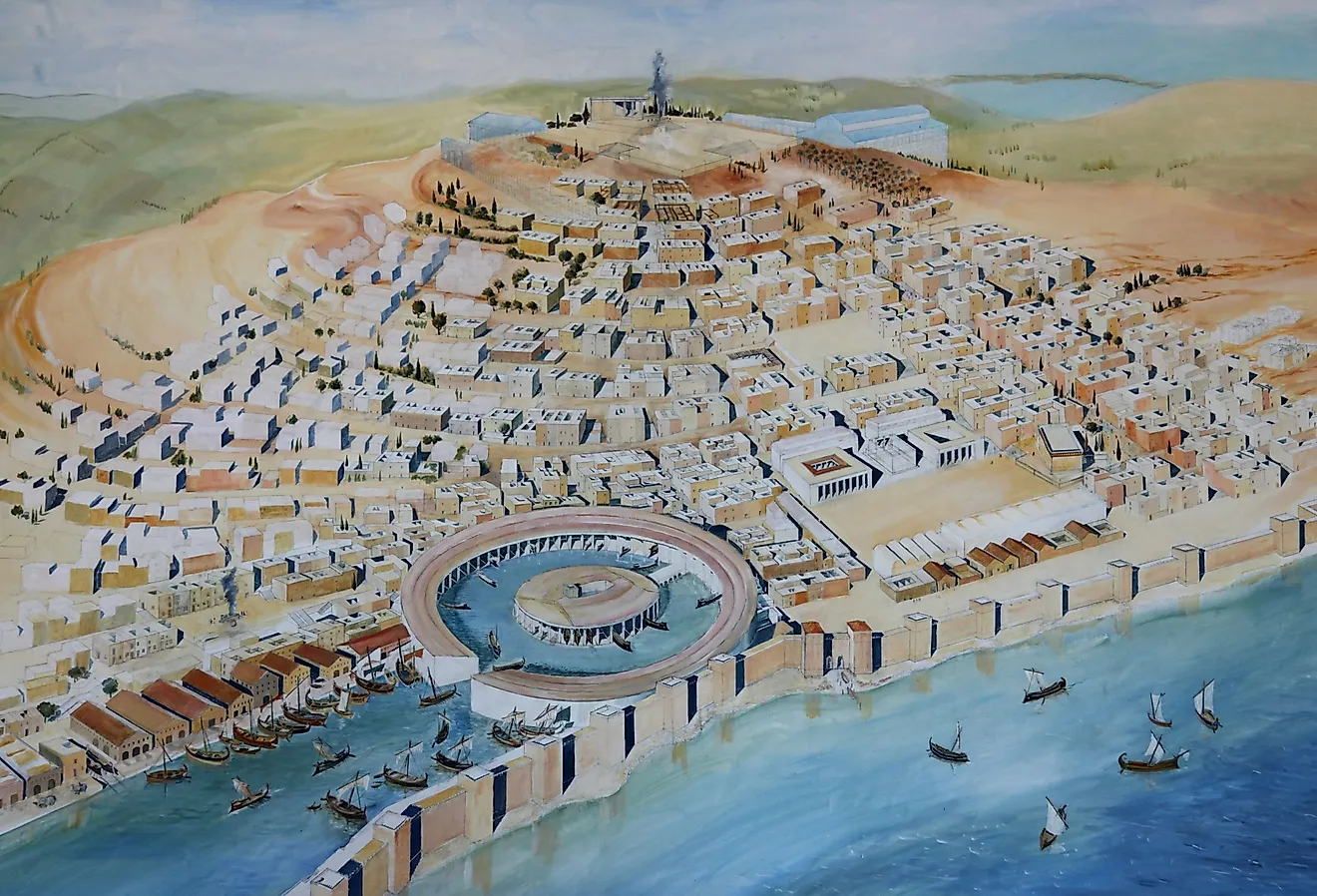
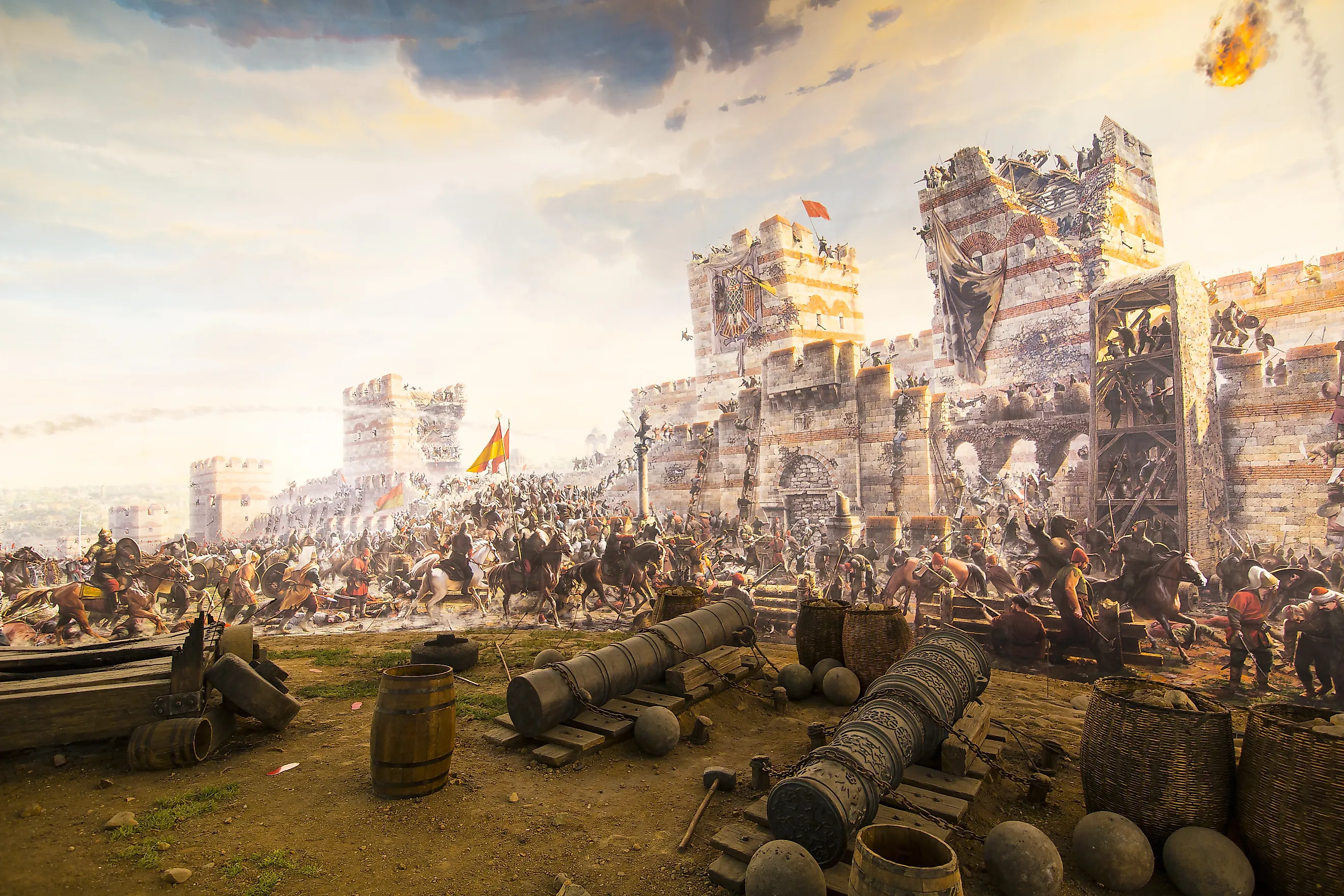
Constantinople began with Constantine I's decision to transform the modest Greek town of Byzantium into a new imperial capital. The city was at an important crossroads of Europe and Asia, controlled by the Bosporus Strait. It was also positioned far from the political instability and military conflicts that plagued other empires such as Rome. The construction of the Theodosian Walls and the Great Palace helped define the city's identity as a fortified, cosmopolitan, and Christian metropolis.
The city was one of the longest-lasting imperial capitals in the ancient and medieval world, lasting nearly a thousand years after the fall of the Western Roman Empire. The city's fortifications, especially the three-layered Theodosian Walls, made it one of the most defensible capitals in world history. These defenses allowed the Byzantines to withstand sieges for centuries.
The city's defenses allowed Byzantium to endure for over a millennium, acting as a buffer between Europe and powerful eastern empires. Even after its conquest by the Ottomans, the city remained a major imperial capital, a testament to its enduring strategic value. Constantinople's greatest impact lies in its role as a bridge between eras: the last great city of the ancient world, and the first great metropolis of the medieval one.
Athens

Athens developed its most famous defensive system during the 5th century BC, when the Long Walls connected the city to its ports and protected its access to the sea. The city also had other rivals, including the rise of Sparta, Thebes, and Macedon under Philip II. Athens' defensive position was shaped by economic constraints and demographic decline, necessitating self-protection without the help of the Delian League.
Athens' defensive strategy depended on maximizing the resources at its disposal. There were fortified strongpoints placed throughout Attica to slow invasions and protect the farmland. There were also citizen-soldier mobilizations organized to create a trained, locally stationed defense force. Naval power was used selectively to protect grain routes and deter piracy rather than project imperial dominance. Diplomacy and alliances, such as the Second Athenian League, became vital to the security and planning of the defense of the capital. It was a coherent, sustainable, and strategically intelligent strategy that reflects Athens' ability to adapt to changing military and political environments.
The defense of the polis preserved Athenian autonomy for nearly a century after the Peloponnesian War despite the threats from Sparta, Thebes, and Macedon. It also created a regional defense force that influenced Hellenistic military organizations, the use of fortified networks, and the training of youth militias.
Troy

There were multiple settlement layers at Hisarlik, with the Late Bronze Age levels, especially Troy VI and Troy VII, often discussed in relation to the historical background of the Trojan War tradition. The ancient city of Wilusa is commonly identified as the Homeric Troy.
The city, generally identified as the capital of the Anatolian kingdom of Wilusa, had a strategic location that controlled access to the Dardanelles, making it a vital node in Bronze Age trade networks between the Aegean and the Black Sea. The fortifications included massive stone walls and defensive towers that demonstrated advanced engineering and suggested a city prepared for prolonged conflicts.
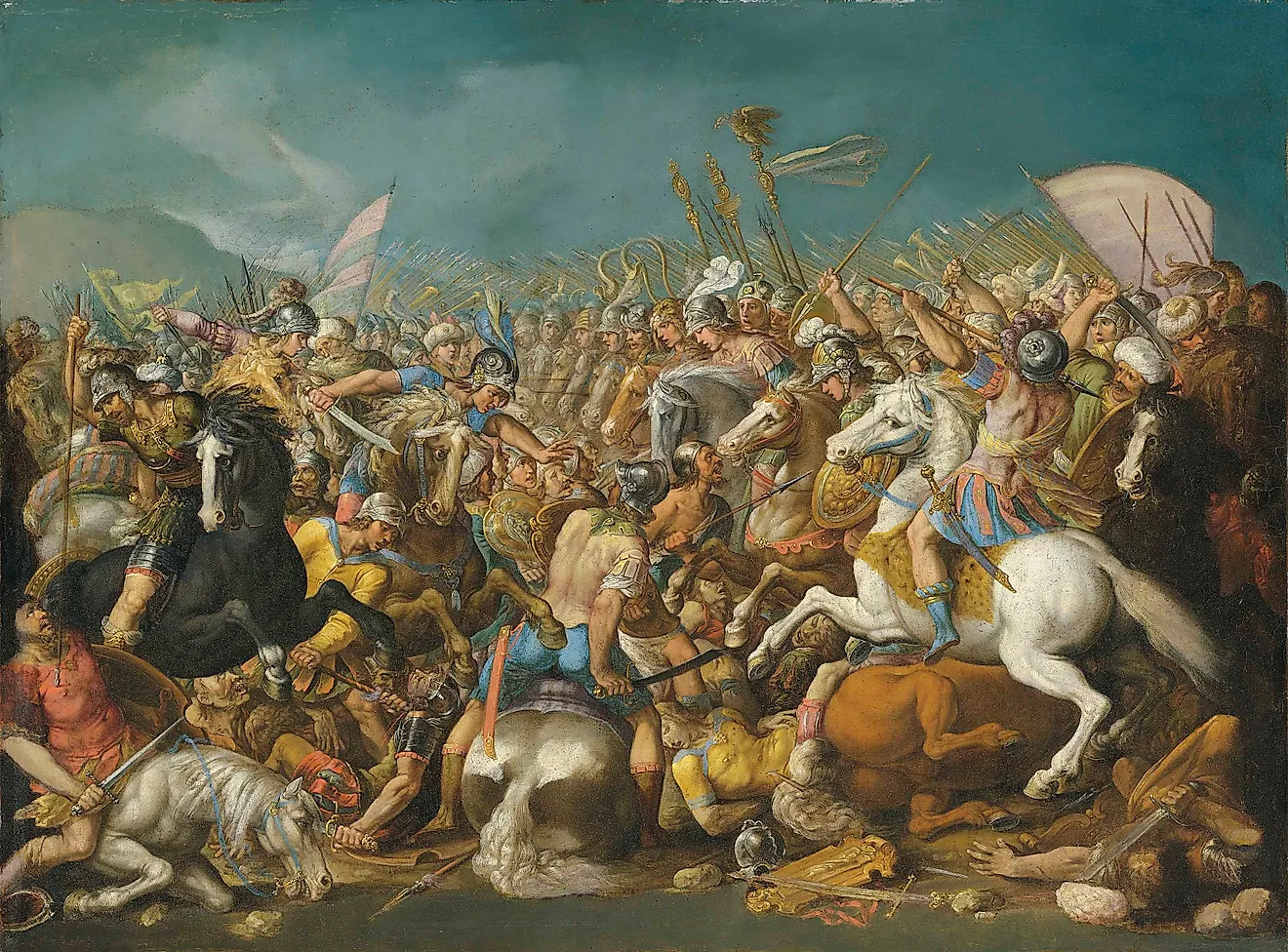
Troy remains one of the most intensely studied sites in the world. The discoveries at Hisarlik transformed our understanding of Bronze Age Anatolia and revealed a complex urban society. By situating the city within the diplomatic world of the Hittites and Mycenaeans, the city played a significant role in the late Bronze Age power politics. Historians debate whether its destruction was caused by war, an earthquake, or internal collapse, but it still reflects the broader instability of the Bronze Age world.
Chang'an (Xi'an)

Chang'an was the political, economic, cultural, and military center of the Western Han dynasty (202 BC - 9 CE). It is located in the fertile Guanzhong Plain. It also inherited earlier urban foundations from the Zhou and Qin capitals. Archaeological excavations since 1956 have revealed the full layout of the city, including walls, moats, and defensive installations, helping to understand the city and the Han Dynasty.
The city included rammed-earth walls forming a 25 km perimeter, with zigzagging lines to maximize defensive angles. It had a wide moat with a combination of man-made structures and natural rivers. There were two major garrisons: the northern army, which consisted of elite palace guards, and the southern army. It also featured an arsenal, weapons depot, and major armories between the palaces.
The complex city design, from the palace to its weapons depot, reflects a political system deeply concerned with preventing coups and repelling external threats. The armies created a centralized military that was headquartered in the capital. This allowed the Han court to respond quickly to any military threats. The outer defensive ring was essential for absorbing enemy attacks before they even reached the city. The defensive system became a template for later dynasties and other cities such as Luoyang and Beijing.
Babylon

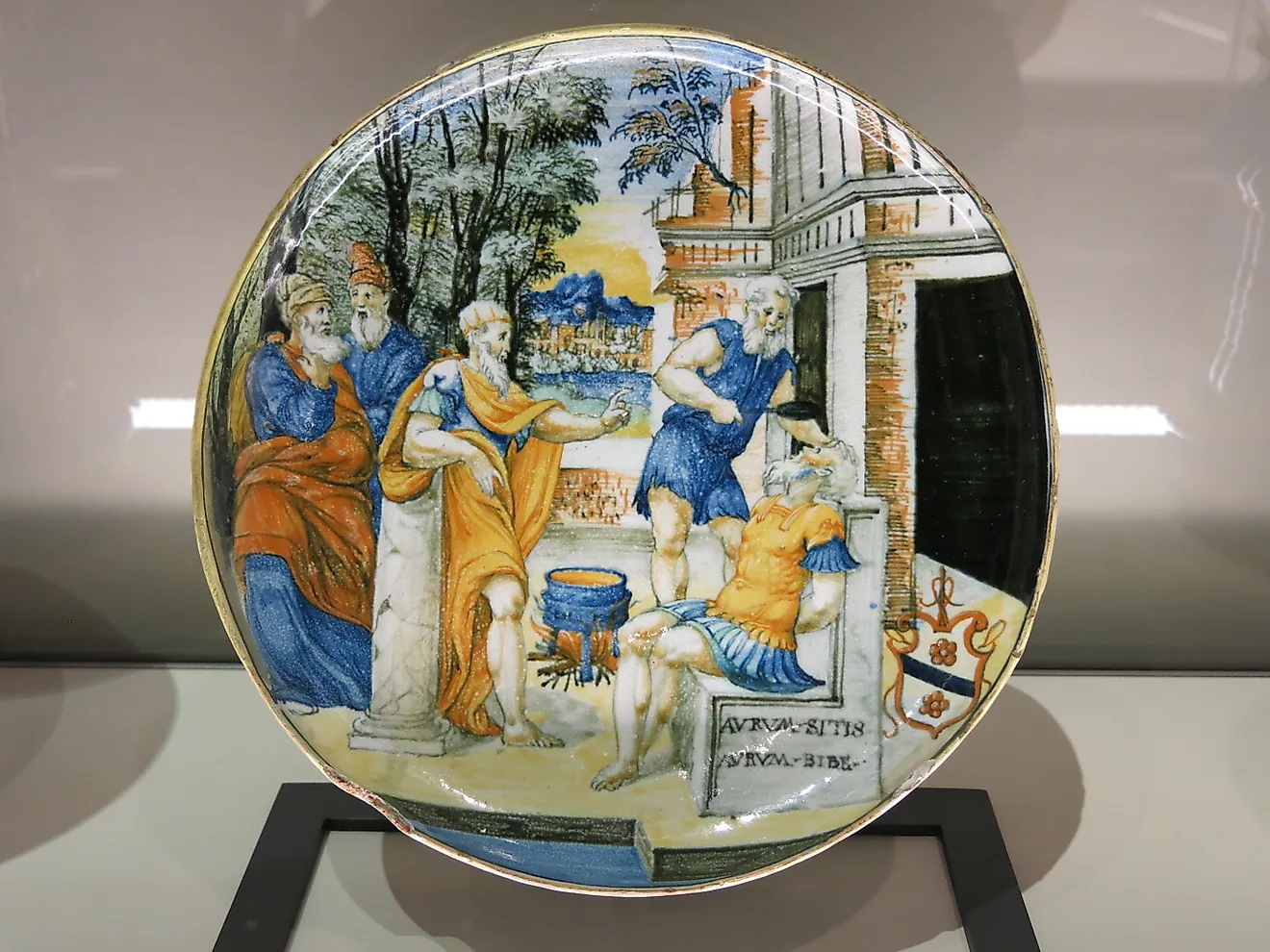
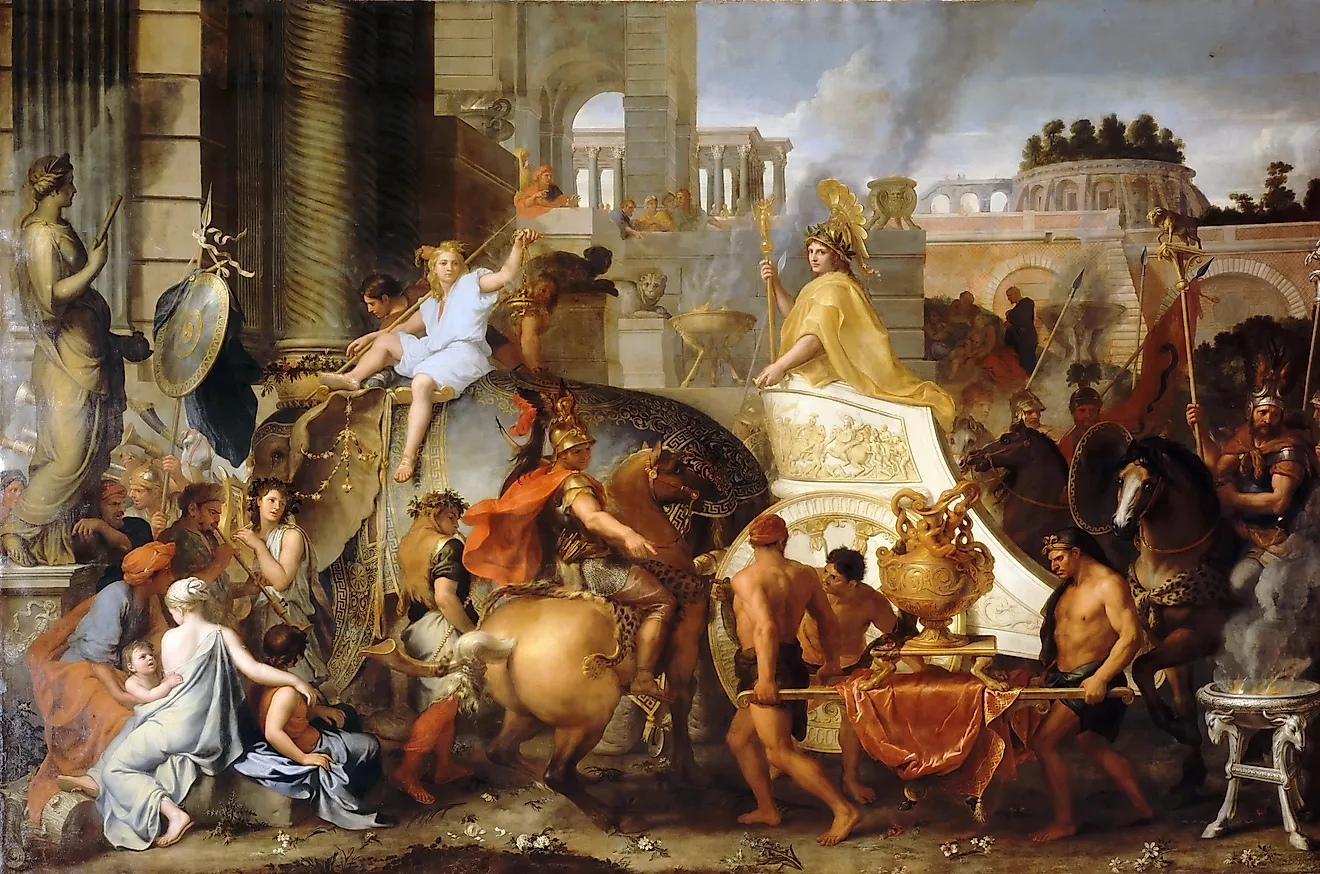
By the late 6th century BC, Babylon was the political and military center of the Neo-Babylonian Empire that controlled the Euphrates corridor and the major trade routes of Mesopotamia. The city was once a monumental capital fortified on an immense scale in the ancient Near East. The majority of the city was made of mud brick, while the citadel was the heart of the city, containing major palace complexes, gates and defensive walls.
Recent excavations reveal that the citadel was not just a ceremonial precinct, but a strategic core of the city's defensive system. The fortifications demonstrate a sophisticated military logic, with a multi-layered defense architecture comprising an outer defense, an inner defense, moats, bastions, and blockhouses. The Ishtar Gate functioned both as a ceremonial monument and a heavily fortified chokepoint. The city also integrated the Euphrates Riverin a series of moats, dams, and bridges. The Southern and Northern palaces were designed as the final line of defense with walls, gatehouses, and courtyards. The citadel projected both military and political power.
Babylon's defense system is famous for both its historical role and long-term legacy. Its citadel and surrounding defenses enabled the city to withstand several conflicts and sieges, influencing later imperial centers such as Persepolis. Herodotus alleged that the city of Babylon was more magnificent than any other. As a result, Babylon had a reputation of being a military powerhouse as well as a cultural metropolis.
The World's Unbreakable Capitals
A capital city illustrates a nation's military might and political legitimacy. As such, it must be strong enough to defend against any threat in its respective territory. The legendary city of Troy had thick, tall stone walls, paired with formidable defense towers. It also controlled a trade route between Europe and Asia, making it even more valuable for military logistics and trade. Chang'an created several barriers and lines of defense even before an enemy could attack the city or the royal palace. In every case, significant innovations and military planning made these capitals a nightmare to besiege and invade. By protecting the vital heart of operations, these heavily fortified cities were better able to protect their influence.