The Forests With The Most Venomous Snakes
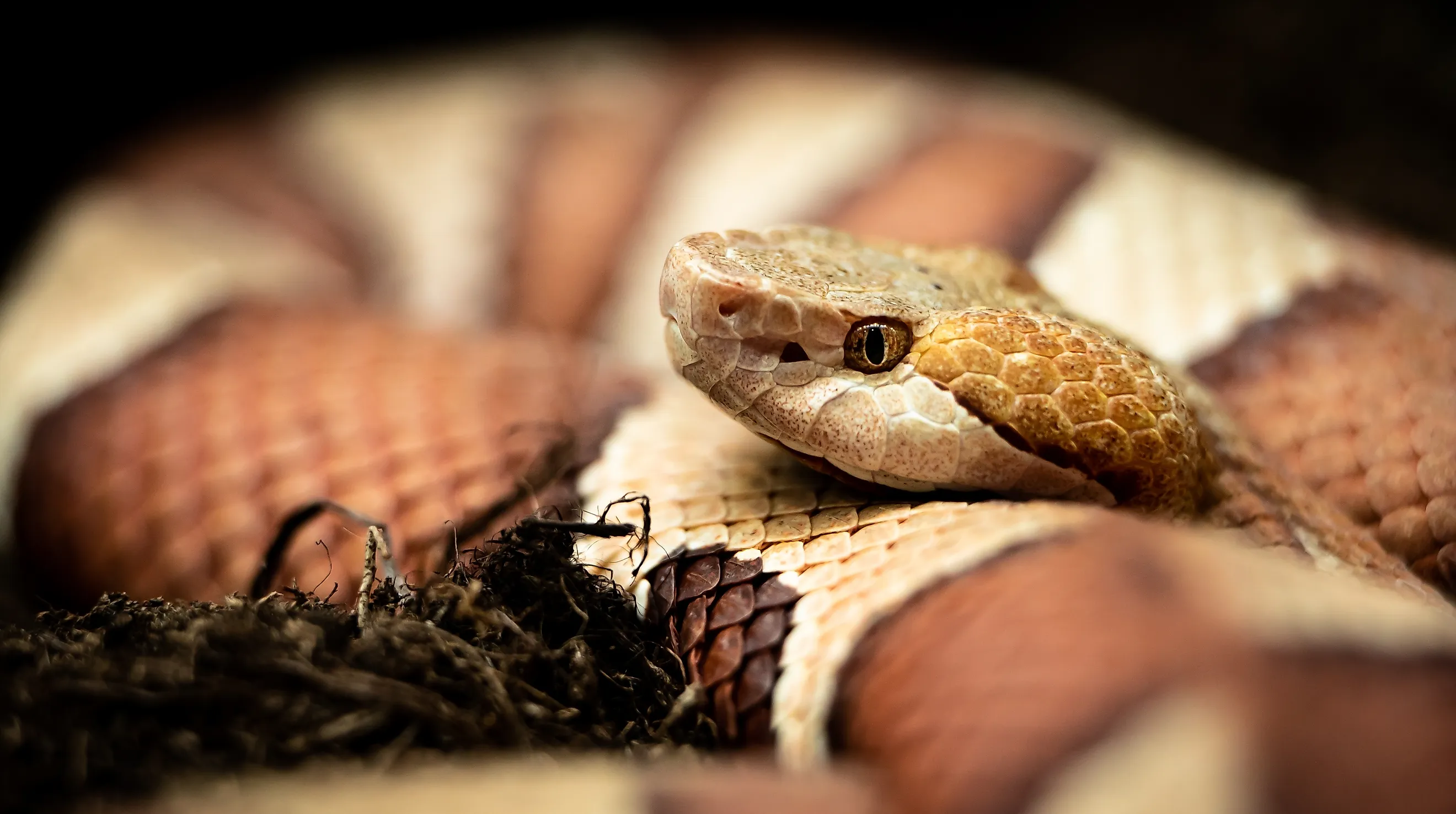
A venomous snake is one of the last things hikers and campers hope to encounter. Yet several of the national forests in the United States support many of them. The country is home to around 30 species of venomous snake. These include rattlesnakes, copperheads, cottonmouths, and coral snakes. The national forests on this list are ranked by the diversity of venomous species within their boundaries. The list begins with Kisatchie National Forest in Louisiana.
Kisatchie National Forest

There are seven species of venomous snake native to Louisiana. The timber rattlesnake (Crotalus horridus), pygmy rattlesnake (Sistrurus miliarius), eastern copperhead (Agkistrodon contortrix), and northern cottonmouth (Agkistrodon piscivorus) are all vipers. The harlequin coral snake (Micrurus fulvius) and Texas coral snake (Micrurus tener) are both elapids.

Out of these seven, the three most common are the timber rattlesnake and eastern copperhead, which are found throughout most of Louisiana, inhabiting mostly wooded and forested areas and the northern cottonmouth, also found throughout Louisiana, inhabiting swamplands and permanent bodies of water with dense canopies. Since it covers over 600,000 acres of bayous, cypress, and pine forests spread over seven parishes, Kisatchie supports a wide variety of ecosystems for many venomous snakes.
Francis Marion and Sumter National Forests

Francis Marion and Sumter National Forests' 600,000 acres span longleaf pine forests, blackwater swamps, and coastal salt marshes. The forests provide many opportunities to fish, canoe, and paddle. Echaw Creek and Wambaw Creek Wilderness are popular canoe trails which paddlers regularly share with venomous snakes, like cottonmouths. The six venomous snakes found in the forest are the eastern diamondback rattlesnake, timber rattlesnake, pygmy rattlesnake, eastern cottonmouth (Agkistrodon piscivorus piscivorus), southern copperhead (Agkistrodon contortrix contortrix), and the eastern coral snake.

A portion of the Wild and Scenic Chattooga River flows through the Sumter National Forest. The most common venomous snakes in the area are the timber rattlesnake and the southern copperhead. Meanwhile, Francis Marion's Hell Hole Bay Wilderness consists of swamps and wetlands where cottonmouths, copperheads, and rattlesnakes inhabit.
Ouachita National Forest

Unlike the waterways of Francis Marion and Sumter National Forests, hikers in the uplands of the Ouachita Mountains need to be aware of venomous snakes on the trails. Ouachita National Forest sprawls 1.8 million acres between central Arkansas and southeastern Oklahoma. The northern cottonmouth and western diamondback rattlesnake (Crotalus atrox) are of particular concern.

Cottonmouths are more closely associated with upland streams. Of all the venomous snakes in the forest, only cottonmouths can be found in wetland habitat types. Western diamondback rattlesnakes are most common in upland rocky forests with rocky outcrops. Other snakes found in the forest, although less common, include the eastern copperhead, timber rattlesnake, western pygmy rattlesnake (Sistrurus miliarius streckeri), and Texas coral snake.
Ocala National Forest

Florida is synonymous with reptiles. Ocala National Forest is no exception. At roughly 387,000 acres and over 600 lakes, rivers, swamps, and springs, there is more than alligators to consider when recreating on the water. There are also venomous snakes. The eastern coral snake, Florida cottonmouth (Agkistrodon conanti), eastern diamondback rattlesnake, and pygmy rattlesnake live in the forest.

The pygmy rattlesnake is the most commonly encountered venomous snake. Although it sounds its rattle to make people aware of its presence, due to its small size, it is rarely heard. To contrast that, however, the sheer size of the eastern diamondback rattlesnake, the largest venomous snake in Florida, is known for its loud rattle. Cottonmouths, as always, are drawn to bodies of water. Coral snakes, on the other hand, are rarely seen as they are shy and secretive, spending much of their time hiding underneath leaf litter and other ground debris.
Shawnee National Forest
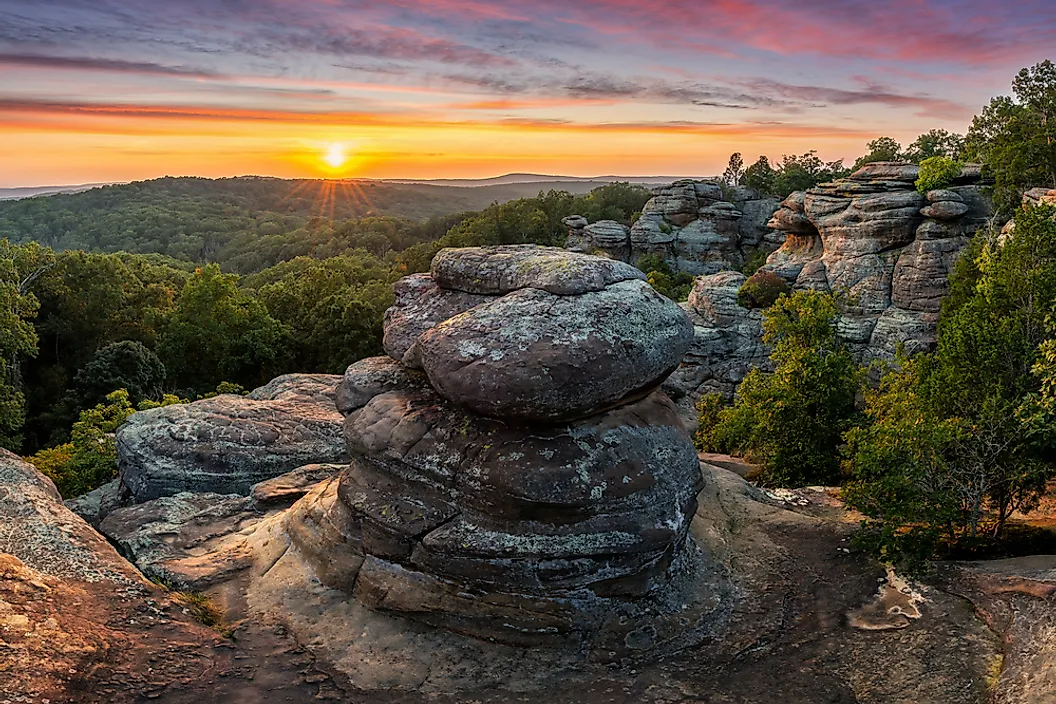
Although home to only three species of venomous snakes, Shawnee National Forest has enough of them to close down sections of the forest twice a year for snake migration. The appropriately named Snake Road is closed between March 15 and May 15 to allow snakes to leave their winter dens and travel to swamps for the summer, and again between September 1 and October 30 to allow snakes to make their way back to limestone bluffs where they will remain over winter.

Out of the 23 species of migrating snakes, the northern cottonmouth, eastern copperhead, and timber rattlesnake represent the venomous species. While the U.S. Forest Service closes the 2.7-mile stretch of road to cars, people are still welcome to access it on foot. The most common venomous snake to be seen is the northern cottonmouth, closely followed by both the eastern copperhead and timber rattlesnake.
Venomous Snakes of the Forests
Despite the abundance and diversity of venomous snakes found in these forests, visitors are far more likely to encounter a nonvenomous snake. Venomous snakes are characteristically shy and use their camouflage to avoid detection by people. Most bites occur when snakes are captured, cornered, or accidentally stepped on. Staying on established trails, being aware of foot and hand placement, and giving snakes space to leave greatly reduces the danger of venomous snakes.