The National Parks With A Working Ranch Inside The Boundary
When the American West ranch culture merged with the natural beauty of National Parks, a special relationship was formed. Today, these ranches preserve Western traditions through guest hospitality, cattle grazing, and conservation efforts within national park boundaries. At Wyoming's Triangle X Ranch, guests can experience cowboy life through horseback riding. Colorado's MacGregor Ranch keeps its cattle-ranching heritage alive through educational programs. And, at Medano-Zapata Ranch, bison grazing helps conserve native grasslands. These three ranches reveal how national parks can protect more than wilderness, preserving pieces of the American West's working history.
Triangle X Ranch, Grand Teton National Park - Wyoming
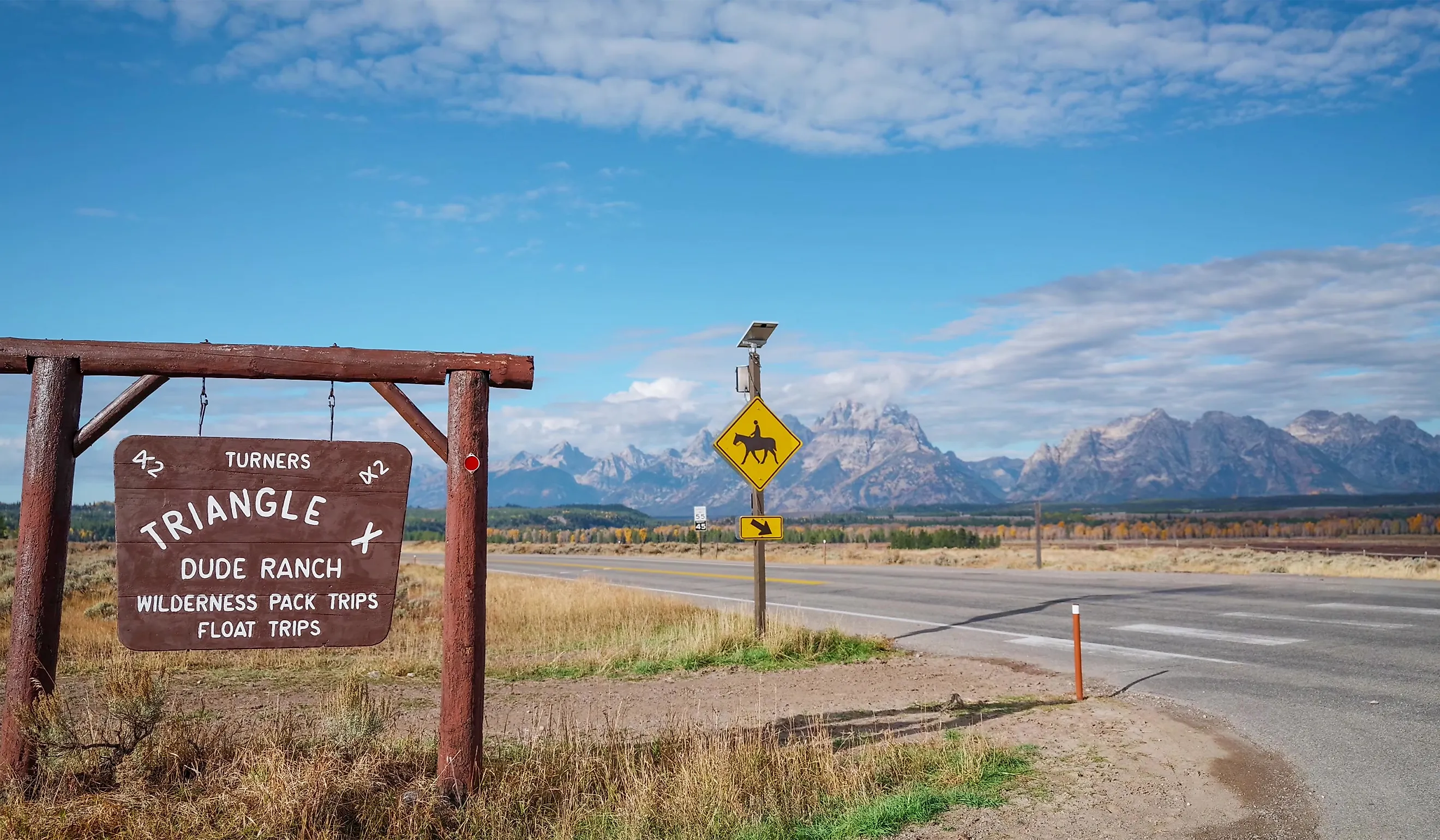
The 310,000-acre Grand Teton National Park has a working dude ranch directly on the property. The Triangle X Ranch began in 1926, long before the current park boundaries were set, when John S. Turner purchased a homestead in Jackson Hole for his family. The family initially hosted hunters on their property, but later offered horseback riding and American West traditions to guests for a fee. By 1950, the ranch was already established, and Congress extended much of the Jackson Hole valley as part of Grand Teton National Park. To this day, it remains the only working dude ranch inside a US National Park.
Because Triangle X Ranch already existed, it was allowed to continue operating under a federal concession arrangement rather than ending operations, and the Turner family has continued to provide services ever since while complying with park rules. Guests of the Turners can experience traditional ranch life with horseback riding, guided fishing trips, and other activities. What makes this ranch different from a typical cattle ranch that produces meat is that it focuses on the hospitality side of outdoor recreation while keeping Western traditions alive.
MacGregor Ranch, Rocky Mountain National Park - Colorado

Alexander and Clara MacGregor founded MacGregor Ranch in 1873 in Estes Park, which borders Rocky Mountain National Park. Ranchers established Estes Park before the National Park was formed in 1915. The park boundaries then expanded to cover the ranch, but the land did not automatically become government property. In 1983, the National Park Service acquired a conservation easement on roughly 1,221 acres while the land continued to remain privately owned and protected by the Muriel MacGregor Charitable Trust.
Muriel MacGregor was the last living family member to work the property until 1970. When she died, she left special instructions establishing a charitable trust to preserve the ranch's history, educate young people, and maintain a working cattle business. Today, it blends cattle ranching with practical education about how pioneer families lived in Colorado's high country. It's an opportunity for the younger generation to learn about ranch labor, how to care for livestock, and all the agricultural challenges that come with the local weather and landscape.
Medano-Zapata Ranch, Great Sand Dunes National Park and Preserve - Colorado

Medano-Zapata Ranch is in southern Colorado and overlaps with Great Sand Dunes National Park and Preserve. The park was designated a national monument in 1932 by President Herbert Hoover, and then became a national park and preserve in 2004. The Medano-Zapata was part of the natural landscape back in the 1860s when early ranchers like the Dickey brothers first settled in the area. Soon after, the area was established as a private cattle-production operation, long before it became a National Park.
The original ranch land is no longer owned by a single entity because sections of it were purchased by The Nature Conservancy. The purchase protected it from private real estate, while approximately 9,362 acres were transferred to the National Park Service, helping protect the wildlife, wetlands, and geological dune systems. As a working ranch, the grounds have historically been managed by Ranchlands, mixing a commercial Angus cattle operation alongside a sustainable conservation system. The bison herds are used for strategic grazing and ranching practices to preserve native grasslands and wetlands, which shows that productive agriculture can coexist with federal wilderness protections.
Ranches and National Parks Unite
Working ranches remain an active part of the American West and are integrated into these three specific national parks. While carrying on with traditional cattle operations, others incorporate strategic grazing and wildlife protections to sustain native ecosystems. A clear understanding of what the National Park Service stands for, the operational side of the ranch, and how that relationship supports the appreciation of wilderness conservation is important.