How Many National Forests Are There In The United States?
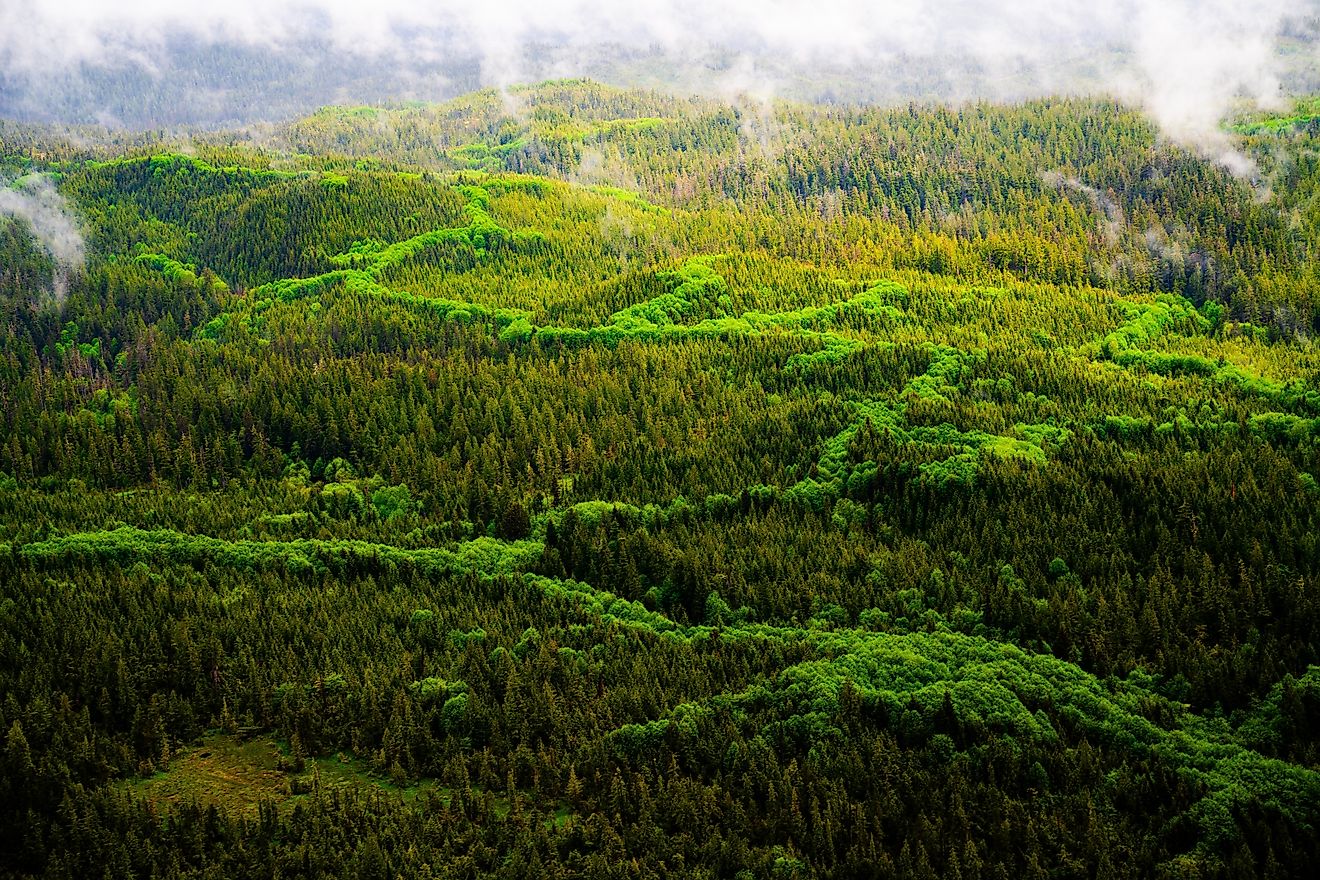
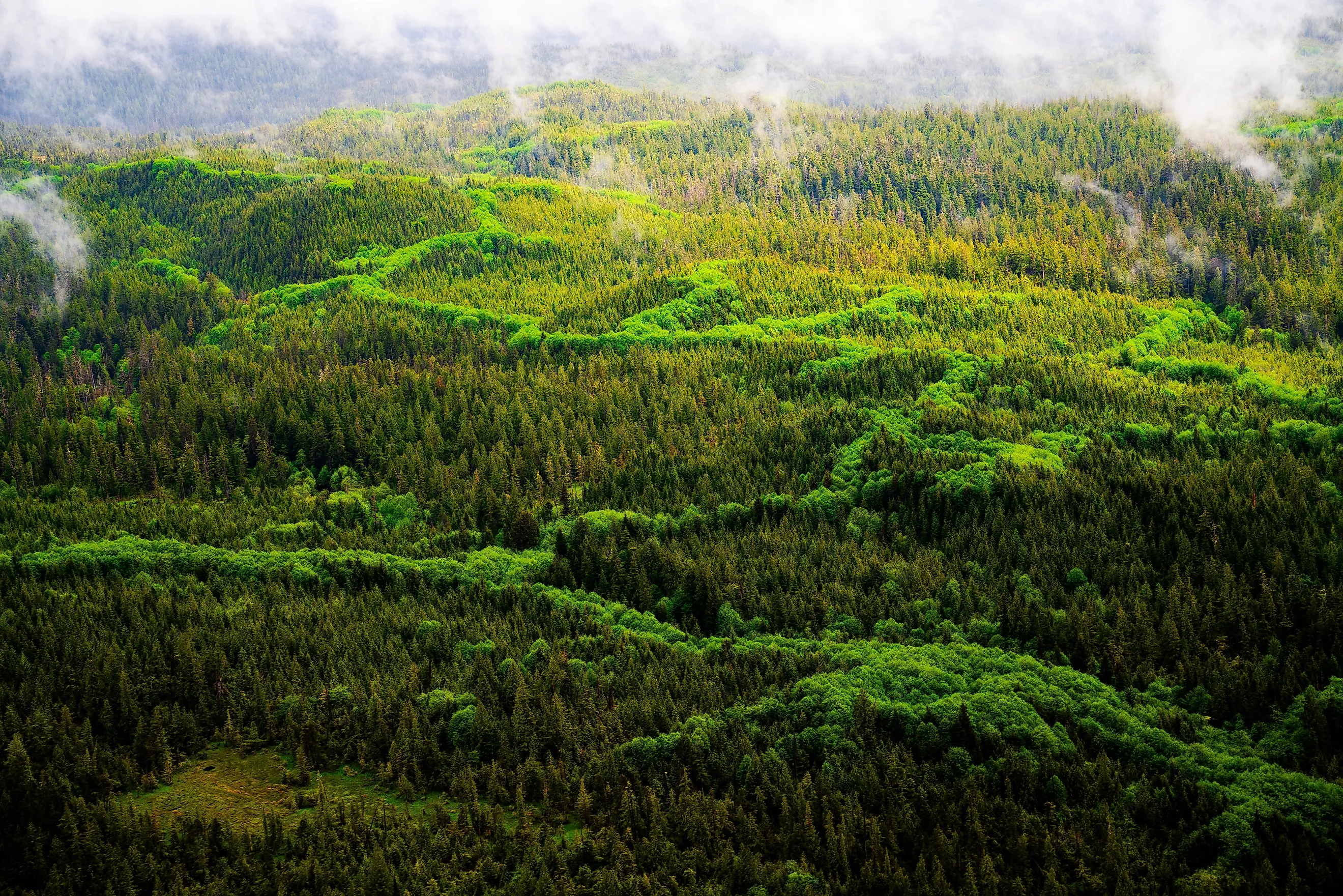
The US is home to 154 national forests that together add up to more than 188 million acres of public land. Our national forests represent a balance of preservation and multiple uses for the benefit of our nation's citizens and visitors alike. National forests are not the same thing as national parks and are not focused only on preservation like the parks are. Instead they are also used for livestock grazing and watershed protection as well as resources such as natural gas, timber, coal, and minerals. Like the national parks they also support outdoor recreation such as camping and hiking. The main difference in management is that the U.S. Forest Service handles national forests while the National Park Service manages the parks.
The Purpose and History of National Forests

Theodore Roosevelt was the key supporter of what we know as the US national forest system. He used the Creative Act of 1891, also known as the Forest Reserve Act, more aggressively than previous presidents and then signed the Transfer Act of 1905. These two actions are a big part of his conservation legacy. The 1891 act gave the president executive authority to classify public timberland as a forest preserve. Roosevelt used this act to protect approximately 141 million acres which was five times how much had been previously protected. The 1905 act ensured that national forests were properly managed which put an end to the misuse and exploitation that was happening at the time. There are now strictly regulated systems in place that dictate that the land be used in a responsible manner. In addition, management efforts include reforestation to combat timber mortality. There are other benefits of active forest management, including reducing wildfires, improving the health of the forests, and protecting surrounding homes and infrastructure. Removing trees through mechanical thinning improves the forests but also supports 51,000 jobs in timber production and supplies timber, a vital resource. The standard the forest service goes by is to use only 25% of the national forests for timber production and to plant as close to as many acres as have been harvested. For example, in 2024, 234,000 acres were planted and 237,000 acres were harvested. Our national forests are also a supplier of other resources, including grazing land and minerals.
Location of the National Forests

The National Forest System reaches 43 states and Puerto Rico, counting both national forests and national grasslands. Several states have more than one, and some national forests span more than one state. National forests are absent from a number of states such as Rhode Island, Delaware, Hawaii, and Connecticut, while others like North Dakota and Kansas have national grasslands rather than forests. Managing the various national forests has to take into account that the forests are not all alike. There is a diversity involved between the various forests, including species of trees, terrain, wildlife, recreation opportunities, elevation, and climate. Since the ecosystems are different between the Pacific Northwest, Southeast, Southwest, Midwest, Rainforest, and Mountain forests, the resource availability, usage, and management have to be tailored for each location.
Today's Challenges

The challenges in managing the national forests today are different than they were back in Roosevelt's time. For example, increased population means more of a drain on the watersheds. This requires more serious involvement in watershed management and restoration. More than 180 million people count on drinking water flowing from our national forests and grasslands. Keeping our forests healthy is an important part of keeping the water healthy and abundant. Keeping a balance between habitat protection and public access is also important. Other challenges now involve climate changes, funding, and different philosophies about wildfire management.
How You Can Help
One of the best things that the public can do to support the efforts of the US Forest Service is to responsibly visit our national forests. Our 154 national forests are invaluable to our nation and having an understanding of what is necessary to properly manage them is critical. Supporting management efforts such as controlled burns and tree planting is something we all can do. Go out and enjoy the outdoors, but always follow the rule of leaving the forest in the same condition as when you arrived. Take your trash with you and be careful with campfires. In addition, you can help reforestation by donating to the Plant-A-Tree Program that has been in operation since 1983. Those who live near a national forest can also practice water conservation to lessen the drain on the watershed. If you haven't camped in a national forest, consider putting that on your next vacation list as these lands have so much to explore and appreciate.