The 6 Deadliest Animals On The Gulf Coast
The turquoise waters, coastal marshes, and lush forests of America’s Gulf Coast may be a paradise for nature-loving holidaymakers, but they’re also home to some less inviting guests. The diverse habitats of this southern region — which includes Texas, Louisiana, Mississippi, Alabama, and Florida — support a number of different species, many of which visitors will want to avoid.
From the obvious dangers of sharks to the less well-known spiny fish, the following animals are capable of delivering a nasty bite or sting to unwary tourists. Read our guide to the Gulf Coast’s deadliest creatures so you can learn how to reduce your risk and safely share this beautiful coastline with its wild residents.
Sharks

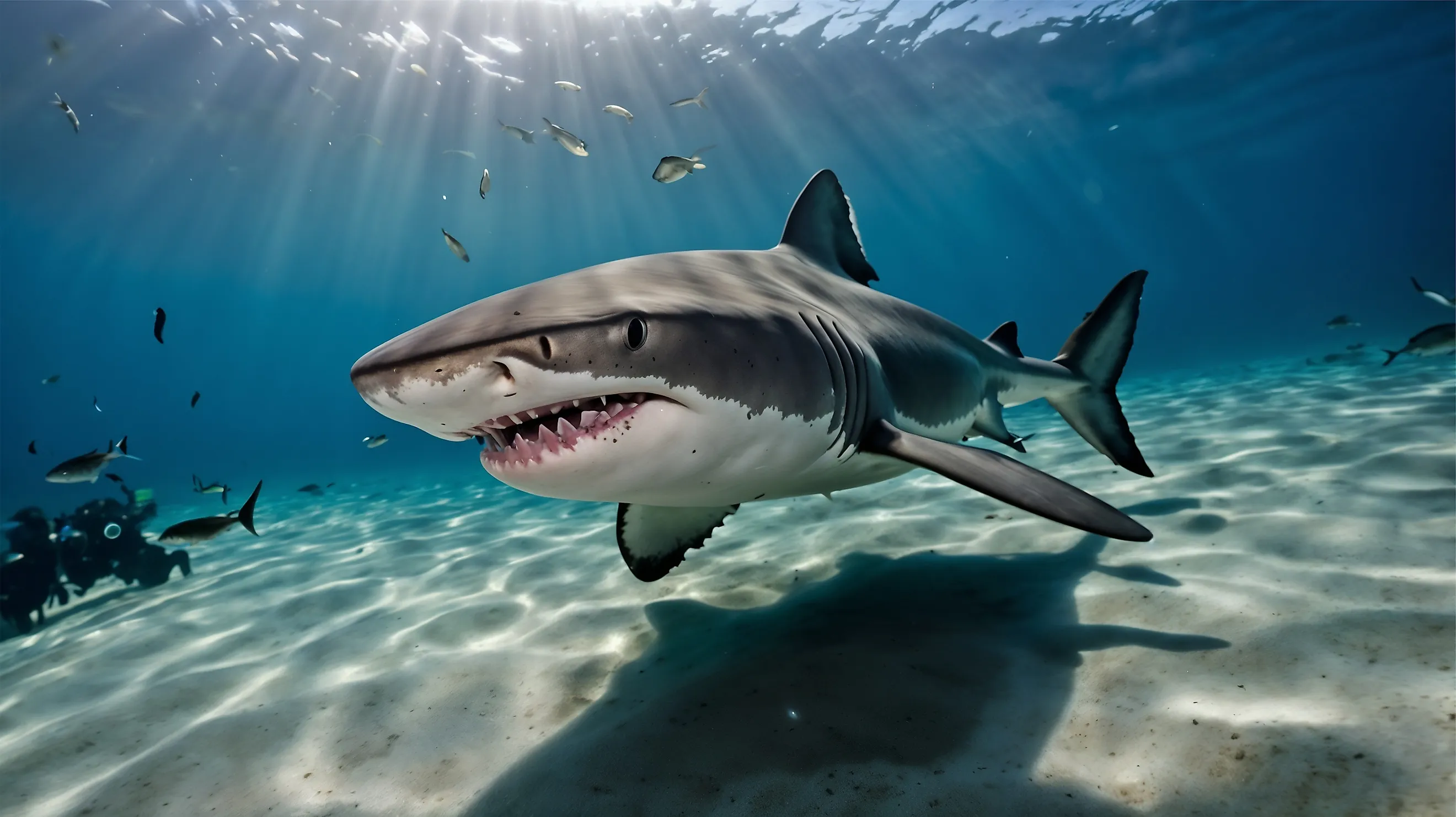
There are around 50 shark species in the Gulf of Mexico. While most swimmers, beachgoers, and fishermen won’t encounter them, shark sightings do happen, so it’s best to be prepared. The warm Gulf waters are home to the top three most dangerous sharks in the world: the Bull Shark, the Tiger Shark, and the Great White Shark. Last year, there were six recorded shark attacks along the Gulf Coast, with most of these incidents traced to bull sharks, spinner sharks, and blacktip sharks.
Attacks are rare, but it’s still best to follow some common-sense precautions if you’re planning on taking a dip this summer. Sharks are more active during the warmer months, when the water is warm and fish are plentiful. Always check for alerts if you’re visiting the beach and swim in designated areas. Don’t swim at dusk or dawn, as this is when sharks are most active. Avoid wearing shiny jewelry when swimming or splashing, as it can attract sharks. Above all, stay calm. Sharks are apex predators, but they are more interested in fish than humans.
Alligators

The state reptile for Florida, Louisiana, and Mississippi, American alligators are plentiful along the Gulf Coast. There are over 3.5 million of these prehistoric reptiles in the region, and their preferred habitats are freshwater marshes, ponds, swamps, and wetlands.
Alligator attacks are rare and are most often caused by human behaviour rather than alligator aggression. Being aware of some basic safety rules can minimize the chances of a bad encounter. Do not swim in freshwater lakes, rivers, or ponds at night, as that’s when gators are most active. If you’re walking by water, stay away from the water’s edge and make sure your pets are leashed.
Bear in mind that 75% of alligator attacks occur between May and September. This is the nesting period when males are at their most aggressive and females are protectively guarding their young. If you do see an alligator, give it plenty of space. Especially if it hisses, as that is the animal’s warning sign that you are too close. If it charges, just run. The reptiles are fast and agile, but they tire quickly, so you’ll likely be able to outrun them.
Stingrays

Stingrays move close to the Gulf shoreline in the summer months to search for food and hang out in the warm sand. Rays are very good at disguising themselves on the seafloor, lying flat along the surface and burying themselves in the sand. That’s bad news for beachgoers as these innocent-looking fish can actually deliver a painful sting.
Stingrays are generally shy and reclusive creatures, but they do have one powerful defence mechanism they will use if threatened. The rays have a barb at the end of their tail that releases a toxin into their attacker’s wound. This toxin can cause pain, infections, and, in rare cases, death. The most famous example of a fatal stingray wound was that of Australian conservationist Steve Irwin, who died when a stingray barb pierced his heart.
The easiest way to stay on a stingray’s good side is to let it know you’re there. Beachgoers are advised to do the ‘stingray shuffle’ when walking in shallow water. This involves shuffling slowly along the bottom, without lifting your feet. By kicking up the sand in this way, you’ll give any hidden stingrays plenty of time to get out of your way.
Jellyfish

Beautiful and otherworldly, jellyfish are among the oldest organisms on Earth and have drifted through our oceans for millennia. The Gulf contains many different species, and while many, such as the common Moon Jellies, are harmless, others can be deadly.
As their name suggests, Pink Meanies are ones to avoid. These large, pink jellies prey on other jellyfish and have tentacles that can reach up to 70 feet long. Watch out if those tentacles touch you — their sting can be quite painful. While sore, a lash from a Pink Meanie is not as dangerous as one from their more deadly counterparts, the Box Jellyfish. Named for their square shape, these jellies have pink outer tentacles and yellow inner tentacles up to 13 feet long. Their sting can give you a nasty rash as well as cause pain, heart and respiratory problems.
Pay attention to beach warning signs, as they will usually warn visitors if there are lots of jellyfish in the area. If you are stung by a Box Jellyfish, apply vinegar and seek medical attention if symptoms worsen. Contrary to popular belief, urinating on a sting won’t help. That’s a myth; cleaning the area with warm salt water is much more effective.
Venomous Marine Catfish

You might think of catfish as a harmless fish that makes for a delicious dinner. On the Gulf Coast, however, they can be deadly. There are two species of catfish to watch out for in this area, the Hardhead catfish and the Gafftopsail catfish.
Both species have striking-looking dorsal fins, giving them a shark-like appearance. They also have sharp spines along their back and sides that are coated in a venomous slime. The fish’s venom can cause pain, swelling, and in extremely rare cases, death. Catfish are typically found in coastal and brackish waters. They are often seen around bridges or piers and spawn in the springtime.
Spiny Fish

There are two spiny fish species to watch out for in the Gulf of Mexico: lionfish and scorpionfish. Lionfish are an invasive species that are on the rise in the area as their populations swarm the marine ecosystems. They are striking-looking fish with brown, maroon, and white stripes, but don’t be fooled by their pretty appearance. These venomous predators have venomous spines, tentacles, and fins that carry a neuromuscular toxin. A sting from a lionfish can cause severe pain, vomiting, and temporary paralysis.
Similar to lionfish, scorpionfish have a venomous sting that can be fatal to other marine creatures and very painful for humans. These bottom-dwelling fish have sharp spines that inject their venom on contact. They primarily use this venom to paralyse their prey before eating it.
The best way to avoid a sting from a lionfish or a scorpionfish is to stay aware of your surroundings. Spiny fish like to lurk in secluded spots around rocks, in crevices, and among seaweed. You may want to wear protective footwear if you’re spending a lot of time in those areas. If you are stung, seek medical attention and let a lifeguard know if appropriate so they can alert others.
Sharing the Gulf
The Gulf of Mexico is teeming with life. The above animals may be deadly, but they’re also a pivotal part of life in this beautifully diverse landscape. With the exception of the invasive lionfish, these native residents play a vital role in their ecosystems, keeping other species populations in check and maintaining the health of the Gulf marine environment. Next time you plan a Gulf Coast vacation, remember that you’re not the only one attracted by the area’s beautiful beaches, sandy shores, and sparkling warm waters. If you’re heading out to enjoy a day by the water, check all local alerts and stay aware of your surroundings. With some simple safety precautions, visitors and wildlife can happily coexist in this richly biodiverse destination.