The Snowiest Cities in the United States
In these ten United States cities, snow is just part of life. We are talking about enormous piles that can blanket roads and paths nearly instantly. From the lake-effect engines of the Great Lakes snow belts to the high-altitude peak storms of the American Southwest, geography all over the country can bring a special brand of winter chaos. This ranking is based on each city’s 30-year average annual snowfall from 1991 to 2020. Snowfall is not just about cold weather. It is also shaped by factors like orographic lift and lake-effect moisture, both of which can dump feet of powder in a single afternoon. Each of these cities has more than 75,000 residents and some of the fiercest average winter weather totals in the nation.
The 10 Snowiest Cities in the United States
| Rank | City | State | Average Annual Snowfall |
|---|---|---|---|
| 1 | Syracuse | New York | 127.8 inches |
| 2 | Erie | Pennsylvania | 104.3 inches |
| 3 | Rochester | New York | 102 inches |
| 4 | Buffalo | New York | 95.4 inches |
| 5 | Boulder | Colorado | 92.8 inches |
| 6 | Duluth | Minnesota | 90.2 inches |
| 7 | Flagstaff | Arizona | 90.1 inches |
| 8 | Anchorage | Alaska | 77.9 inches |
| 9 | Grand Rapids | Michigan | 77.6 inches |
| 10 | Worcester | Massachusetts | 72.9 inches |
1. Syracuse, New York - 127.8 inches

If you look at any roundup of snowy cities in the U.S.A, Syracuse is a constant mention. The city is often labeled as one of the snowiest cities across America. This meteorological dominance is driven by its position near the eastern end of Lake Ontario. As Arctic air moves along the lake’s long axis, which is called the fetch, it takes up moisture and heat from the relatively warm water.
When this air mass gets to land, there is both rising and cooling happening, which generates strong lake-effect snow bands that often stall above the city. Although average seasonal amounts exceed 100 inches, extremes give major character to the local winters. One memorable example was on December 30, 2025, when the city saw 24.2 inches of snowfall in 24 hours.
2. Erie, Pennsylvania - 104.3 inches

Plenty of people recognize Erie for its wild snowstorms, which come partly due to the fact that it is sitting just below Lake Erie, the shallowest of the Great Lakes. Year after year, climate data shows this town hovering around the 100-inch mark when it comes to snow. Cold air moves across the lake’s relatively warm surface in early winter and grabs heat plus moisture from the lake.
As soon as it arrives at the shore, the air cools and ascends, resulting in intense occurrences of lake-effect snow. Over the years, the city has been hit by lots of big storms, with the Christmas Blizzard of 2017 topping the list, which dropped over five feet of snow in just a few days and pushed the hardworking plow crews almost as far as they could go.
3. Rochester, New York - 102 inches

Near Lake Ontario’s south side, this city deals with regular winter dampness from December into March. Sure, a couple of towns in the area get hit with heavier snowfall on some days, but Rochester has a reputation for steady, nearly relentless snow. Almost every year, the city’s snowfall amounts to around 100 inches. The main cause for the heavy snow, like other towns by the Great Lakes, is lake-effect snow.
Cold air passes over Lake Ontario and brings wet air inland. When winds blow in from the northwest, these snow bands have a tendency to park themselves over the Genesee Valley. So for the over 200,000 people here in town, it is not unusual to have gray winter days and snow on the ground.
4. Buffalo, New York - 95.4 inches

Buffalo, planted on Lake Erie's eastern edge, has some of the wildest lake-effect snow blasts North America sees. Since the lake's not nearly as deep as its bigger neighbors, its warmth hangs on way longer into winter, which is important when cold Arctic air barrels across the water. Once that air hits the land, you get these thin snow bands popping up right along the lake shore and spilling into the suburbs.
These snow bands don't always come in evenly, and even from neighborhood to neighborhood, you will see differing levels of snow. One neighborhood can experience multiple feet of snow, but areas just a few miles away can hardly receive any. Here, winter means preparing for sudden heavy snowstorms and keeping roads safe when lake-effect bands move in.
5. Boulder, Colorado - 92.8 inches

It is not rare for high-elevation cities near the mountains to get a lot of snow, but Boulder still stands out. Sitting at the base of the Rocky Mountains on Colorado’s Front Range, this location has a big effect on Boulder’s snowfall. Moist air from the Great Plains moves to the west and hits the mountains. The air is pushed up. This process is called orographic lift. When the air goes up, it cools. Moisture then turns into snow that falls on the foothills.
While the city often gets strong storms, it is also common to get nice, bright sunshine afterward, unlike the gray days around the Great Lakes. The area has dry weather and strong sunlight. These help most of the snow melt or turn directly into vapor it sits in areas the sun can hit. This keeps Boulder from having long-lasting slush and ice, which are common in low-elevation places in winter.
6. Duluth, Minnesota - 90.2 inches

Steep hillsides by Lake Superior create special weather that brings harsh winters to this part of the lower 48 states. This area, called the Hillside, has an 800-foot rise that works like a wall for moisture from the biggest Great Lake. When cold air moves over Lake Superior's deep waters, it meets the hills and drops thick, wet snow that is hard to remove.
Weather records show that the “North Shore effect,” the influence of Lake Superior along the state’s northern shore, keeps this lakeside region colder than areas farther inland in Minnesota. Since the lake stays pretty chilly most of the year, the wind will often bring that cooler air into Duluth. As a result, this usually means snow sticks around from November until well into late April, kind of like that major snowstorm the city got in early April 2025.
7. Flagstaff, Arizona - 90.1 inches

Flagstaff throws people’s Southwest assumptions out the window. People usually picture Arizona's sizzling weather, but up here at 7000 feet above sea level, it is a whole different story. When storm paths from the Pacific move inland, they rise over the San Francisco Peaks and can produce heavy bursts of snowfall. The city frequently surpasses certain areas of the Midwest in experiencing major snowfall.
During February 2019, there was an occasion when 35.9 inches of snow were recorded during only one day. However, sometimes, the snow does not remain for very long. Since the air up here is pretty thin and dry, and because the sunlight is consistent, the snow can vanish fast in sun-hit spots, and turn straight from solid to vapor without even getting too slushy.
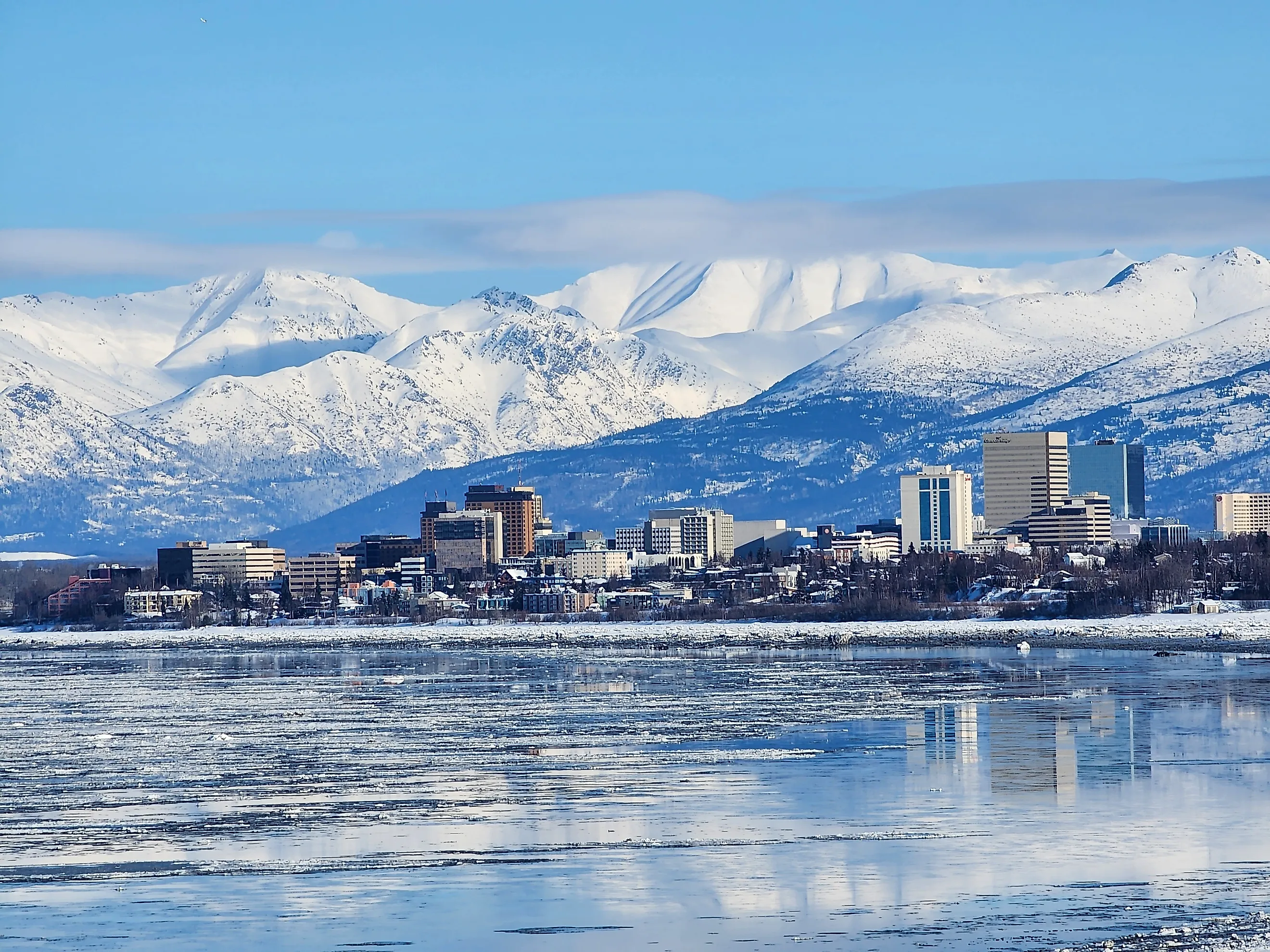
8. Anchorage, Alaska - 77.9 inches

It wouldn’t be a list about snow without Alaska. Here along the shores of Cook Inlet, coastal weather patterns funnel moisture into the city and help make it one of the snowiest large cities in the state. The Gulf of Alaska is close and brings steady moisture that moves toward the Chugach Mountains and stops over the city. The snow is not dry like the powder in the Mountain West.
Here, it is thick and heavy because of the ocean air. This leads to a city setting where roads and buildings are built for lasting snow. Here, people not only get to experience snow, but long-lasting snow. While some more southern cities have snow that will melt in the springtime, in Anchorage, it is not rare to see snow on the ground sometimes all the way into May.
9. Grand Rapids, Michigan - 77.6 inches

West Michigan’s lake-effect is not the same as New York’s. The moisture crosses Lake Michigan before it reaches land. This causes the snow to become dense and heavy. The city stays covered in snow for months. Unlike the fast and harsh storms in Buffalo, the people here in Grand Rapids face slow and regular snow that builds up every day during the season.
Despite the pattern of seeing less sudden, severe climate shifts like other cities on this list, that does not mean they are spared from major storms. For example, in December 2013, the city was absolutely buried under snow, as 34.7 inches fell that month, one of the region’s snowiest Decembers ever.
10. Worcester, Massachusetts - 72.9 inches

Sitting higher up than most other cities in the state, this place catches a lot of Nor’easter storms. These heavy storms roll off the ocean and dump heavy, damp snow all over parts of the region. Since the ocean also acts to regulate temperature, in coastal cities like Boston, you might see sleet or rain instead of snow.
But, higher up and more inland, like in a city like Worcester, that sleet turns into thick snow. People living here are aware winter switches fast, and traveling a handful of miles could mark the gap between clear roads and a full-on snow removal mission for the city workers.
Living in these cities means coming to terms with the fact that winter is the powerhouse season. It is life here. It is the gritty daily grind that comes with being near enormous lakes or up against mountain terrain. Though the snow piles can be shocking, people here have kind of made this into their regular thing, weaving it deep into their lives. These urban centers remain the gold standard for how a community adapts to the most extreme winter geography in America.