Armed Conflicts Threaten Wildlife Across The Globe
More than 70 percent of all terrestrial mammal and bird species have had their habitats overlap with an armed conflict zone at some point between 1989 and 2018. Within that group, 615 species face both widespread exposure (more than half of their range) and frequent exposure (15 or more years of conflict in the period). The IUCN Red List, the most authoritative international assessment of species at risk, currently flags only 107 species as threatened by "war, civil unrest, and military exercises." Closing the gap between 107 and 615 is the central argument of a 2021 study in Conservation Letters: armed conflict is a major and seriously undercounted threat to wildlife.

What Conflicts Actually Do To Wildlife
Conflicts kill wildlife both directly and indirectly, but the indirect impacts usually matter more. Direct impacts include landmines, shelling, and combatants hunting for food. Indirect impacts include the breakdown of park enforcement, the displacement of local communities into wildlife habitat, the acceleration of deforestation for shelter and fuel, and the opening of poaching and illegal timber routes once rangers can no longer patrol. The study found that hunting, agricultural expansion, natural resource extraction, and pollution all show up more prominently in the threat profiles of species in conflict-affected ranges than in the profiles of species in stable regions. Climate change and invasive species, by contrast, were equally or less prominent. Conflict primarily compounds existing human-pressure threats rather than introducing new ones.
Who Did The Study
The study, "Mammal and bird species ranges overlap with armed conflicts and associated conservation threats," was published in May 2021 in Conservation Letters. The four authors are Uttara Mendiratta of WCS-India, Anand M. Osuri of the Nature Conservation Foundation, Sarthak J. Shetty of the Indian Institute of Science, and Abishek Harihar of Panthera, the global wild cat conservation organization. WorldAtlas spoke with Dr. Harihar, now Director of Panthera's Tiger Program and a coauthor of the study, about its findings and implications.

Threatened Species Took The Worst Of It
Among species the IUCN classifies as threatened with extinction, conflicts overlapped the ranges of 86 percent of mammals and 95 percent of birds whose populations were declining. By comparison, less-threatened species without conflict overlap showed declines in just 16 to 42 percent of cases. The pattern is clear: when an already-threatened species also lives in a conflict zone, its odds of decline jump sharply. Conflict resiliency, meaning the ability of a conservation plan to absorb the disruption of armed conflict, is rarely built into the recovery strategies for these species at present.

Two Cases That Show The Pattern
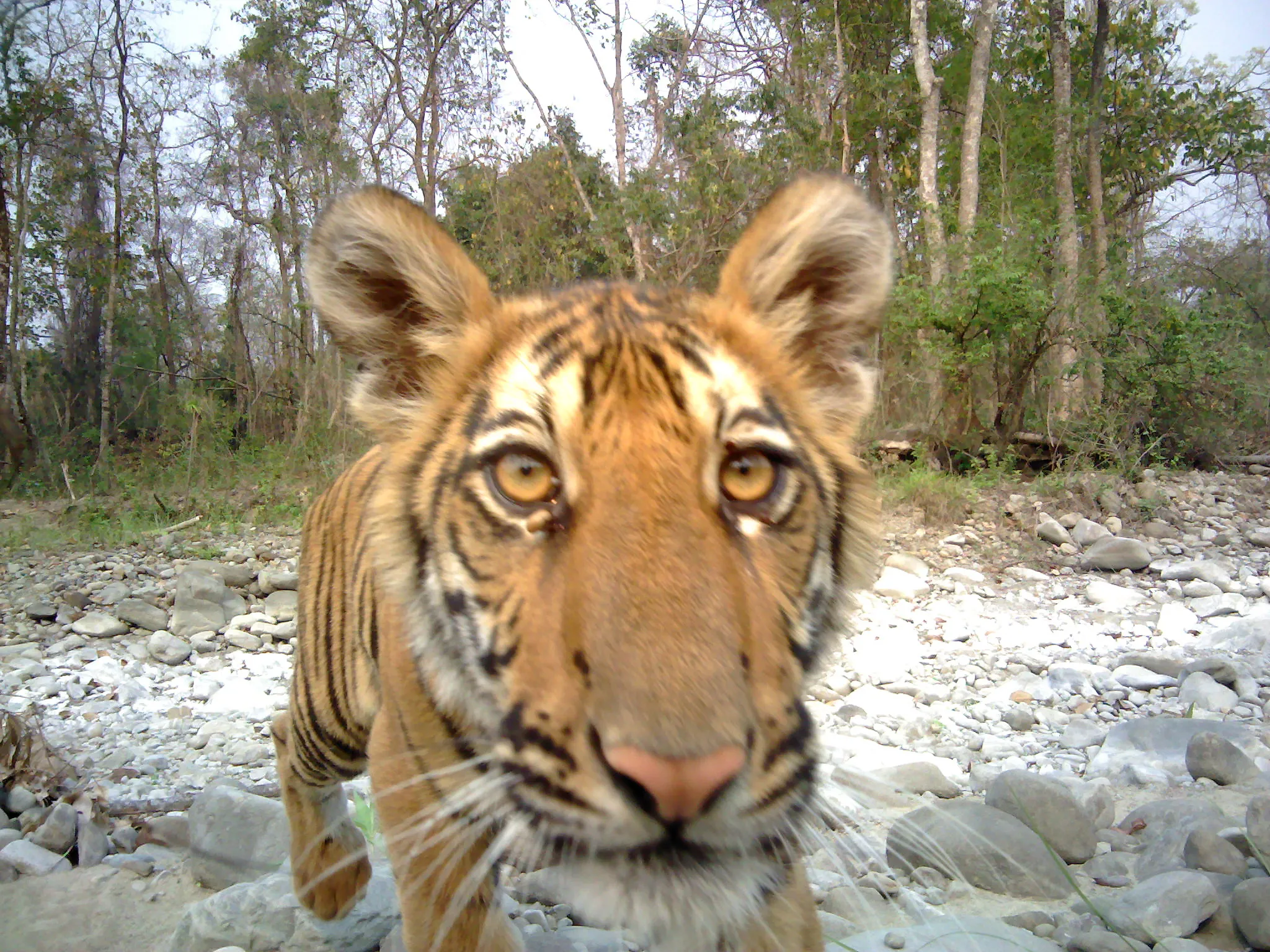
Angola illustrates the long arc. The country's civil war ran from 1975 to 2002 and devastated wildlife populations across what had been one of the most varied savanna ecosystems on the African continent. Lion, elephant, and antelope populations all collapsed during the war years. The lion captured by camera trap in the photo above represents the species' tentative return to a post-conflict landscape that researchers and rangers are still slowly working to rebuild.
India's Manas National Park, on the southern slopes of the eastern Himalayas in Assam, experienced decades of unrest tied to the Bodoland insurgency from the late 1980s onward. Tiger and rhino populations there declined sharply, and the park spent nearly two decades on UNESCO's "World Heritage in Danger" list, from 1992 to 2011, before recovery work after the 2003 ceasefire began rebuilding both species. The local rhino population was extirpated entirely during the conflict and has been gradually reestablished through translocations from Kaziranga National Park starting in 2008.

Both Angola and Manas share the same shape of recovery: collapse during conflict, slow rebuild in the years after, and continuing uncertainty about whether the recovery can hold through future disruption. The study argues this shape is the rule rather than the exception for wildlife in conflict zones.
What The Study Recommends
The authors call for several specific changes to conservation practice. The IUCN and other assessment bodies should explicitly account for conflict exposure when classifying species risk, recognizing the 615 affected species rather than the current 107. Captive breeding and reintroduction programs may be necessary for the most endangered species whose ranges fall entirely within active conflict zones. For species whose ranges extend beyond active conflict zones, focused conservation work in the stable parts of the range can support recovery once hostilities end. The broader argument is that conservation planning should treat armed conflict as a foreseeable disruption rather than an unpredictable disaster, and build resilience into species recovery plans accordingly.
The Bigger Picture
The findings reframe a major piece of the global biodiversity picture. With many species already in steep decline from habitat loss and climate change, conflict acts as a threat multiplier on pressures that were already severe. The 615 species the study identifies as facing both widespread and frequent conflict exposure are not a separate category of victim. They are the same species already struggling against everything else, hit additionally by the breakdown of the local conditions that made conservation possible in the first place. Tracking that pressure as a primary threat rather than a footnote, the study argues, is overdue.