The States Where A Water Right Can Be Sold Separately From The Land
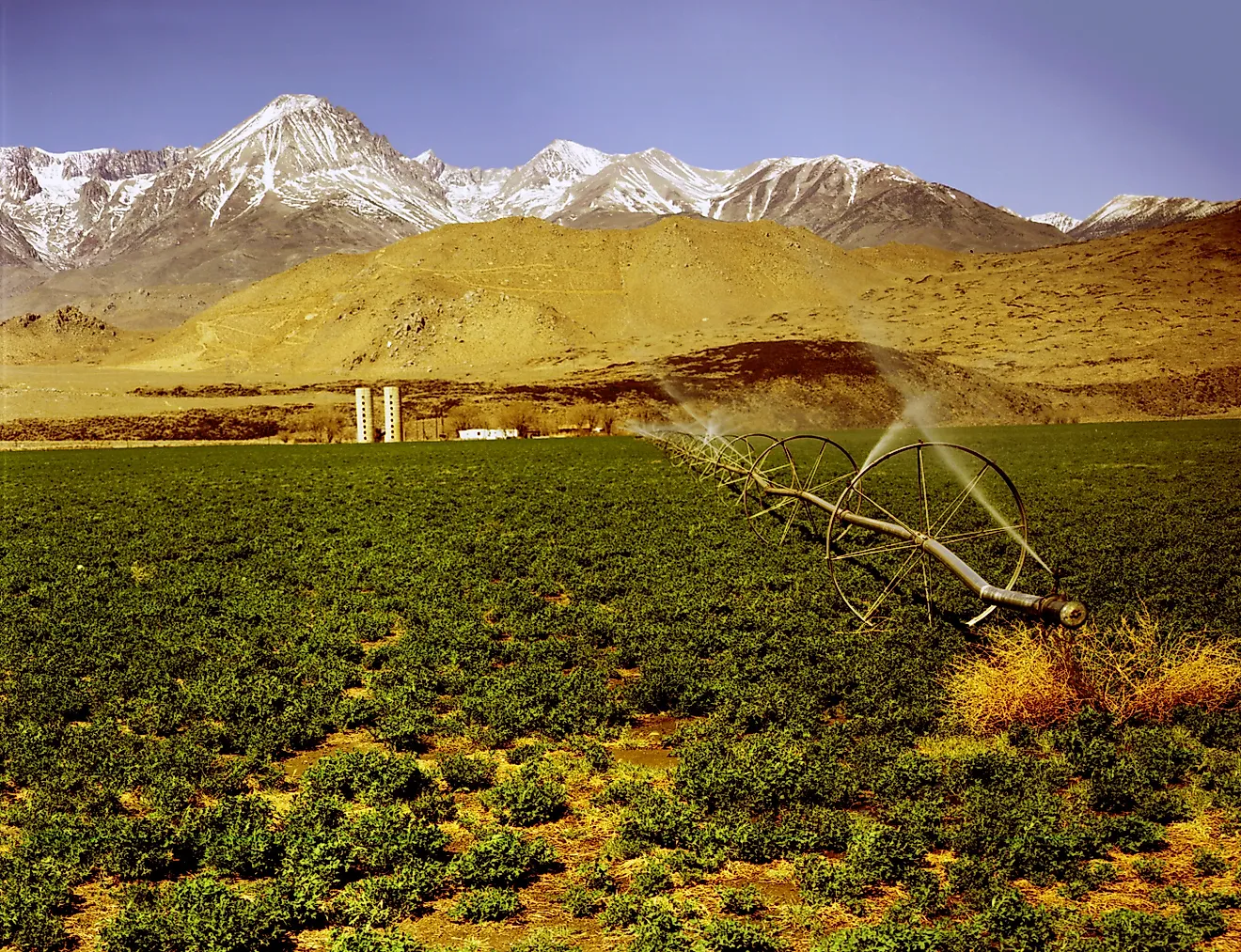
In the United States, water rights are treated as valuable property, and in much of the East the Riparian Doctrine ties them to land along a waterway. Many states in the drier American West instead follow the Prior Appropriation Doctrine of "first in time, first in right," where water rights can be sold or leased separately from the land. Landowners can sell or lease water rights to cities, factories, and farms while keeping the dry land. To do so, the water must be put to a beneficial use, and the transfer of rights follows strict processes regulated by the state. Eight states follow a pure version of this system, known as the Colorado Doctrine, with no riparian rights mixed in.
Arizona

Groundwater rights can be sold separately from land rights primarily through Type 2 Non-Irrigation Groundwater Rights within Active Management Areas in Arizona. These types of water rights are not seen as being bound to a specific piece of land. They can be sold or leased on the open market, independently of the original land or well. Severance of surface water rights, on the other hand, follows prior appropriation and requires an application to the Arizona Department of Water Resources in Phoenix and approval under state laws protecting existing water rights. It involves publishing a notice, allowing a 30-day window for public objections, and obtaining state approval.
Colorado

In Colorado, water rights are distinct, real, and severable property assets that require their own real estate deeds to sell. Being a state in which water is heavily fought over, Colorado stands out for its system of seven specialized water courts, which decide water rights and approve changes in how and where water is used. These courts are located in Greeley, Pueblo, Alamosa, Montrose, Glenwood Springs, Steamboat Springs, and Durango. If a landowner wants to sell water rights, the buyer typically must win a change case in water court. The case must show that the new use won't injure other users, that the water will be put to a beneficial use, and how much water can be moved without waste. Once approved, the court places a permanent "dry-up covenant" on the seller's land, prohibiting future irrigation of that land to make sure that the water isn't used twice.
Idaho

Idaho treats water as a public resource, meaning that sales of water rights must be approved by the Idaho Department of Water Resources, based in Boise with regional offices statewide. The state uses a unique water supply bank to help farmers lease out unused water to towns or wildlife recreation projects. Buyers must submit a Transfer Application to change the water's point of diversion, place of use, or nature of use. Public notice is published, and neighbors, farmers, or local water districts may file a formal protest for 10 days after the last date of publication. If approved, a transfer permit is issued, and the sale of water rights can go ahead.
Montana

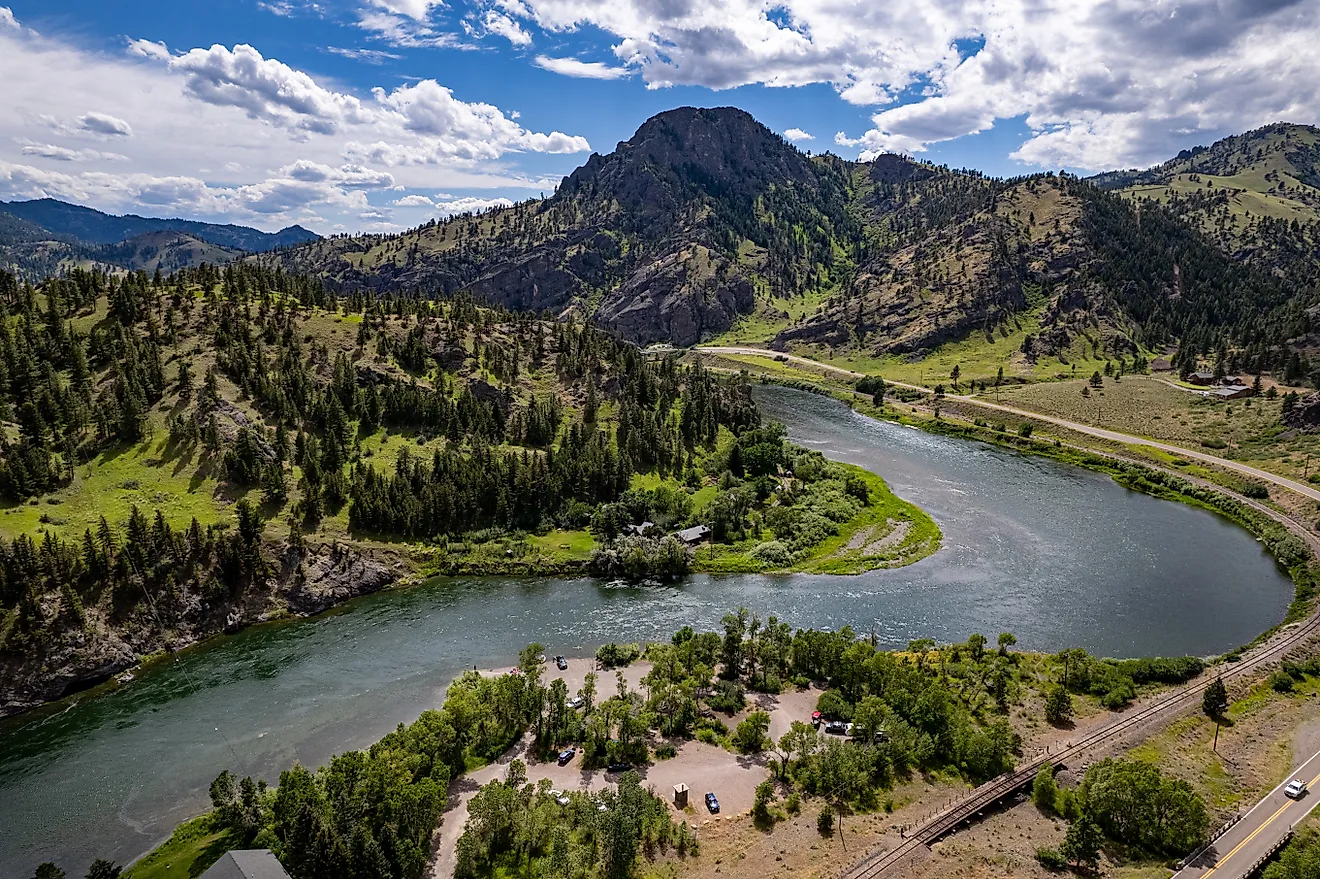
Under the Montana Water Use Act, all surface and groundwater is owned by the state for public benefit. Citizens do not own the water, but rather, own a real property right to use the water, which can be leased, sold, or severed from the land. Farmers often sever irrigation rights to sell them to municipal or industrial buyers. The Montana Department of Natural Resources and Conservation in Helena, along with regional and field offices statewide, oversees this process. The seller must prove that the change will not cause adverse effects to the stream and that the proposed means of diversion is adequate to handle the diversion of the water for the new purpose.
Nevada

As the driest state in the nation, according to the National Oceanic and Atmospheric Administration, Nevada has unbundled water rights from land rights. Water rights are legally recognized as real property and can be transferred through recorded deeds. An owner can legally sell their rights by executing a deed of conveyance and filing a change application with the Nevada Division of Water Resources, known as NDWR, in Carson City or one of its field offices to alter the diversion point or manner of use. Because Nevada's groundwater is under severe strain, the state has designated numerous groundwater basins for additional oversight. Within these designated basins, NDWR can reject new water permits and restrict transfer of agricultural water into urban centers, to prevent the collapse of the ecosystem or an environmental crisis.
New Mexico

New Mexico water rights exist separate from land, meaning a property owner can sell water rights while keeping the land. The New Mexico Office of the State Engineer in Santa Fe, along with district offices around the state, manages the system to make sure that severing water from land rights does not impair existing water users or harm the public welfare. After a 10-day window for public protests following the final publication of the application notice, the sale is recorded through a Water Right Deed in the local County Clerk's office. This state features acequias, or historic community-managed irrigation ditches, which require local board approval if water is moved outside of the system. These acequias can block a sale if that sale would take away vital water from the local community.
Utah

Water rights in Utah are transferred by a specific water deed independent of land ownership. If a real estate deed does not mention water, rights tied to the land may pass to the buyer automatically. Owners frequently reserve and sever water rights from land rights to sell them on the open market. Utah uses a Report of Water Right Conveyance process, overseen by the Utah Division of Water Rights in Salt Lake City. The report, which updates the state's ownership records, must be prepared by a qualified professional, such as a Utah attorney or licensed engineer. Moving the water to a new place or use requires a separate change application.
Wyoming

For decades, Wyoming had a strict "no severance" rule, meaning that water rights were attached permanently to the land they irrigated, except under narrow circumstances. Wyoming still restricts the severance and transfer of water rights, although state law allows changes for certain preferred uses, including municipal supply, industrial purposes, and steam power generation. All permanent transfers of water rights are subject to approval by the Wyoming State Board of Control and the Wyoming State Engineer's Office, both in Cheyenne. The Board of Control holds a public hearing in the county where the water right is located, and others can object if they think the transfer of the right will cause harm. If approved, an order is issued to sever the water right from the original land.
Separate Water Rights In These Eight States
In the dry expanses of the American West, water is the currency of survival. By legally uncoupling water rights from land, these eight states have established unique regulations, such as Utah's conveyance reports and New Mexico's acequia protections, to manage the independent sale of water rights. As demands on diminishing aquifers and rivers grow, the strict enforcement of beneficial use ensures that, while water can change hands and cross county lines, it cannot be hoarded or wasted without consequence.