Where Water Snakes Go When Lakes Freeze
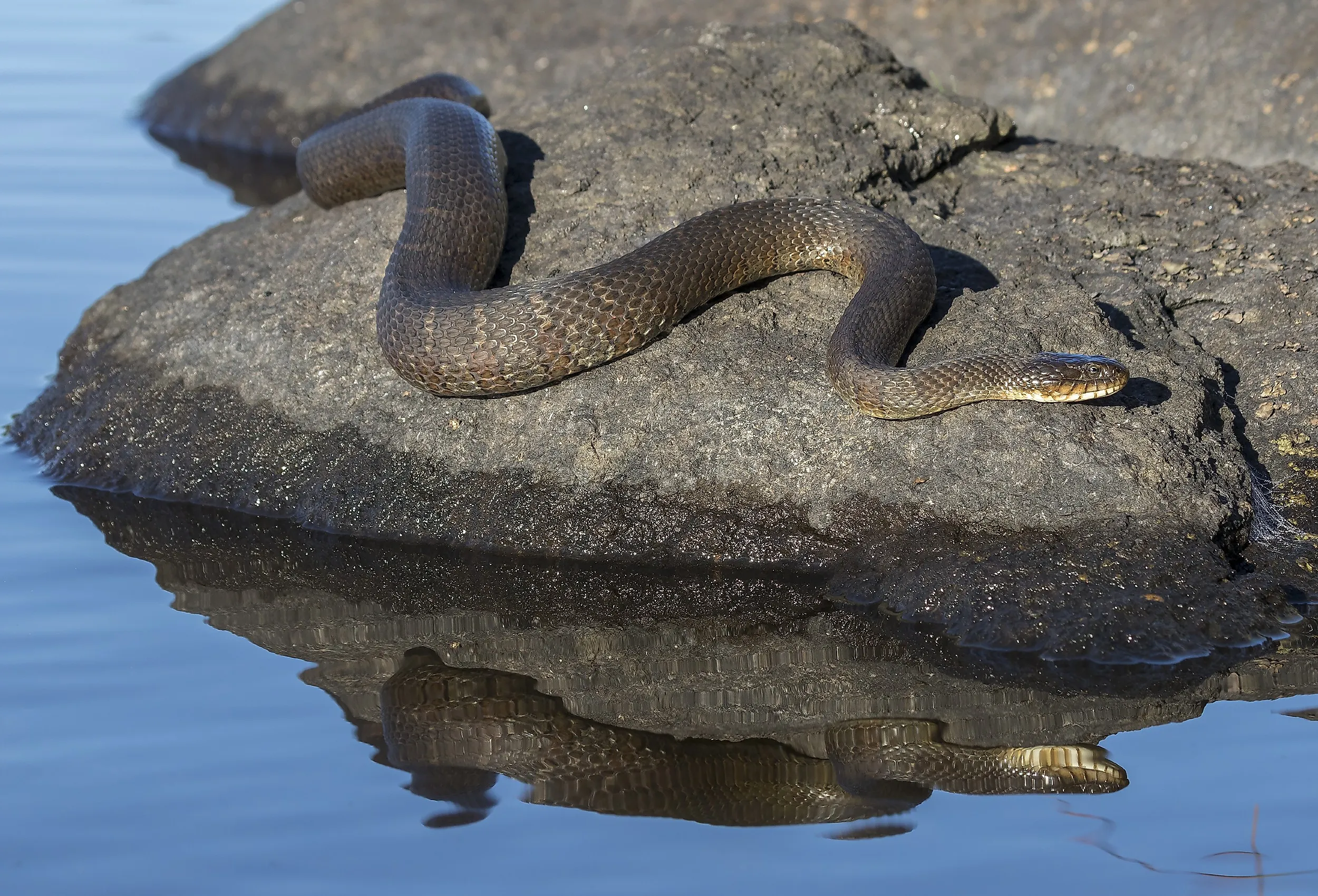
Spend a warm afternoon beside a northern lake and the northern water snake (Nerodia sipedon) is hard to miss, draped over a dock piling or cutting through the shallows after fish. Then the cold sets in and it vanishes. It does not drop to the lake bottom to wait out the freeze, the way a turtle might. Instead it leaves the water entirely and goes underground, sometimes well back from a shoreline it rarely strayed from all summer. How a fish-hunting snake survives months of cold without eating, and where exactly it waits the winter out, turns out to be the stranger half of its year.
Animal Burrows Become Winter Dens

A muskrat burrow can shelter a northern water snake through a Connecticut winter. So can a vole tunnel or a beaver lodge. These snakes use existing spaces around freshwater wetlands, sometimes moving into upland areas to find a winter den. A winter shelter like this is called a hibernaculum.
In Missouri, northern and midland (Nerodia sipedon pleuralis) water snakes overwinter in bank burrows and rock crevices. They also occupy spaces in rock dams and levees. Missouri's diamond-backed water snakes (Nerodia rhombifer) use crayfish burrows and cavities left by rotting tree roots. Those openings take them underground below the frost line, the depth reached by freezing soil.
Lake Erie Water Snakes Move Hundreds Of Feet Inland

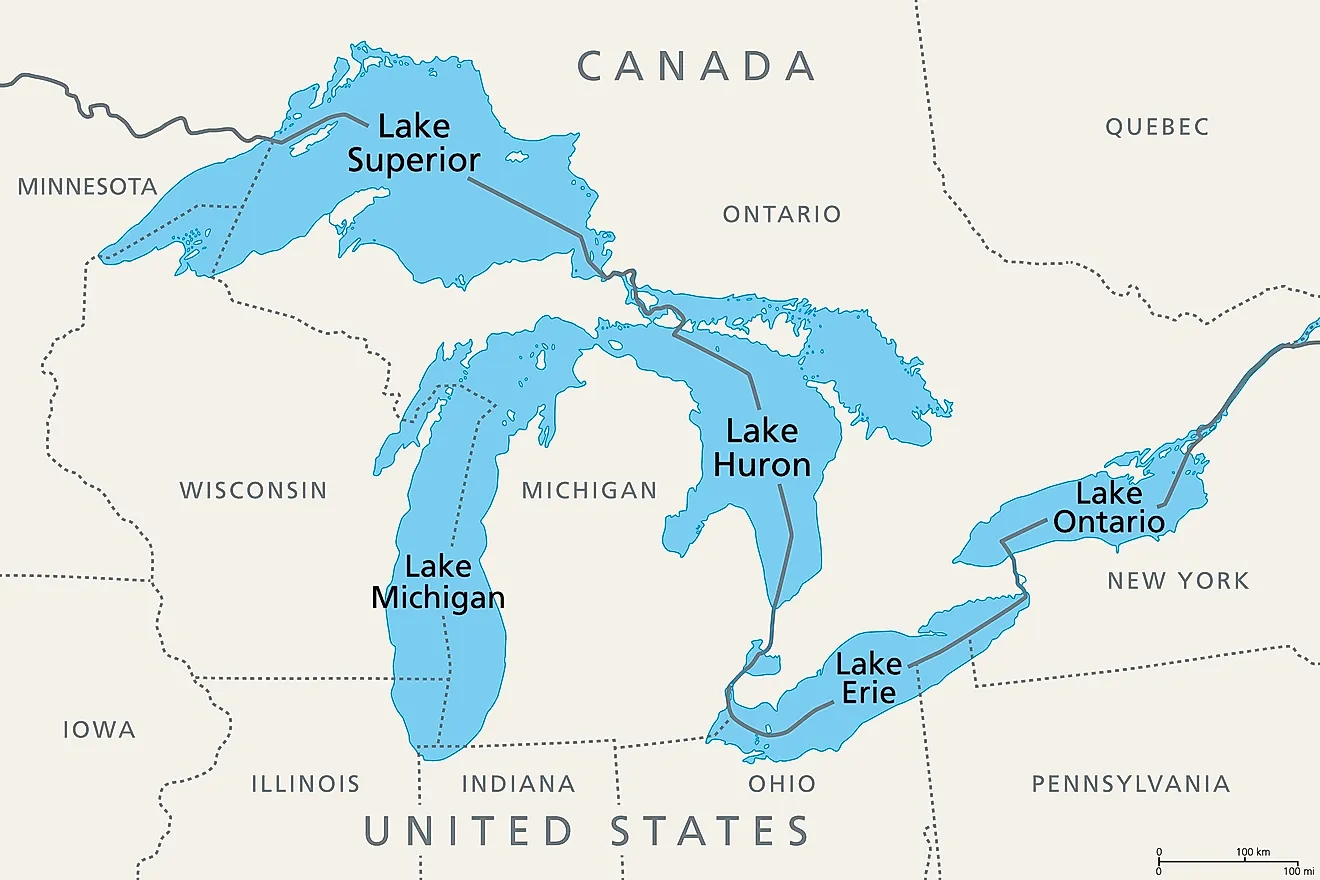
On Kelleys Island, a female Lake Erie watersnake (Nerodia sipedon insularum) tracked in the early 2000s spent winter about 1,900 feet inland. Her recorded summer locations on land were within roughly 30 feet of shore. Other snakes wintered much closer to the water, some only a few feet inland.
One South Bass Island snake moved along the coast beyond its summer range before heading roughly 920 feet inland. Below ground, Lake Erie watersnakes use spaces in bedrock and rocky soil. Tree roots and building foundations can also provide winter shelter. These refuges allow them to overwinter below the frost level.
The snakes followed across multiple winters returned to the same small hibernation areas. Their spring movements also took them back toward the shoreline they had used the previous summer.
Brumation Slows The Snake's Body For Months

At Lake Charleston in central Illinois, northern water snakes spent the winter of 2006 to 2007 in inactive crayfish burrows. Recorded average temperatures inside those shelters stayed at or above 32 degrees Fahrenheit (0 degrees Celsius) and were more stable than outside air temperatures.
Inside a winter den, a water snake survives on far less energy than it needs while swimming after fish. Snakes are ectotherms: their body temperature depends heavily on their surroundings. As they cool, their metabolism slows. Brumation allows them to remain inactive through a season when feeding and digestion are difficult. Connecticut's northern water snakes begin gathering for brumation around October. In Minnesota, many winter in rock crevices with other snakes.
Spring Brings Them Back To The Water's Edge

In Connecticut, northern water snakes usually leave their winter dens around April. Missouri's northern and midland water snakes are generally active by early April, while diamond-backed water snakes can be active in late March. Local weather affects when an individual snake can become active.
Northern water snakes bask on shoreline logs to warm their bodies. Rocks and branches overhanging the water also provide basking sites, with a quick escape into the lake if the animal is disturbed. Spring is breeding season, too. Connecticut's northern water snakes mate in April and May, so several snakes seen together near the bank may be involved in courtship. These are nonvenomous water snakes, distinct from cottonmouths. Northern water snakes can still bite when handled or cornered. Watch them at a distance and leave their route to cover open.
The Shoreline Is Habitat In Every Season
The land beside a lake remains part of a water snake's habitat even when no snakes are visible. A fish-rich lake supplies food during the active months, but the animal also needs an accessible winter refuge. Excavation can harm snakes resting underground, and removing occupied shelter can damage winter habitat used repeatedly by Lake Erie watersnakes. On Ohio's islands, conserving summer and winter habitat helped the Lake Erie watersnake recover enough to leave the federal threatened species list in 2011. By then, conservation partners had protected about 300 acres of inland habitat as well as 11 miles of shoreline for the snakes.