What Happens If The Missouri's Reservoirs Hit Dead Pool
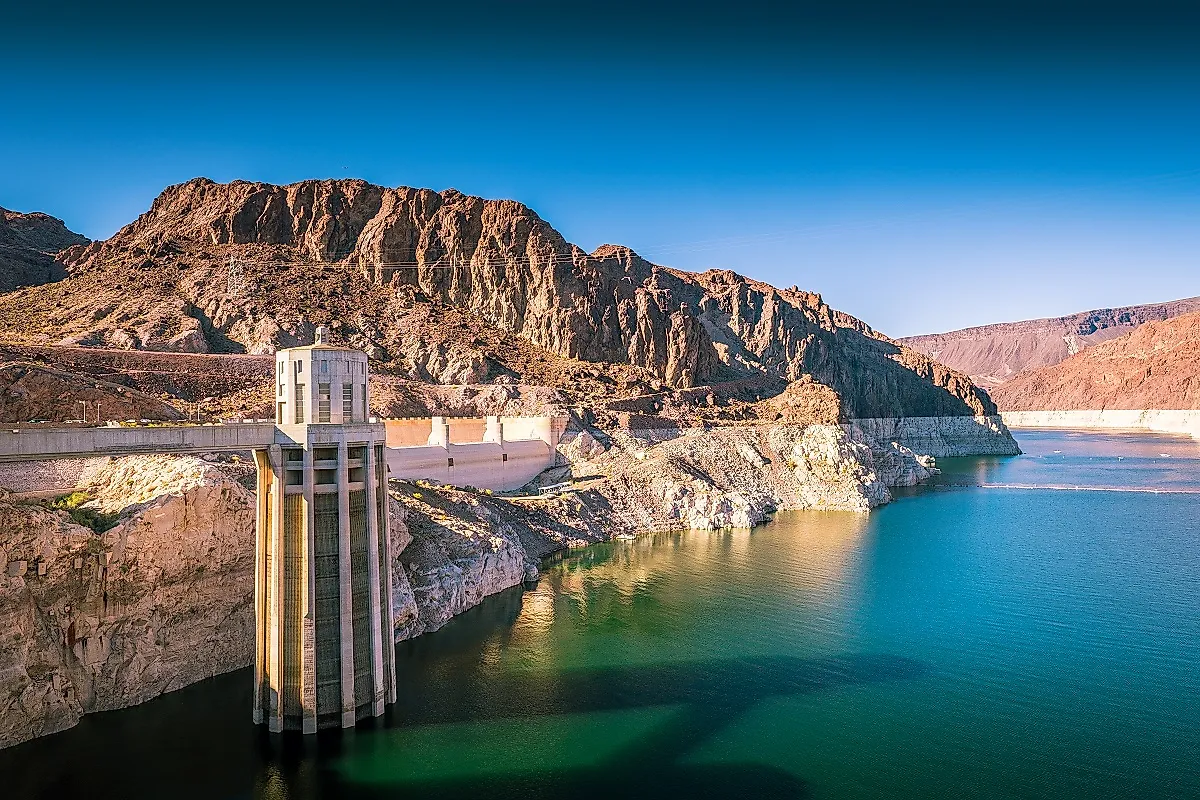
A reservoir can hold billions of gallons and still be, in the language of dam operators, dead. Dead pool is the point where the surface sinks past the lowest outlet or intake, so a lake that still looks full can no longer be tapped for water. It is not an empty lake. It is a lake nobody can use.
For Missouri, that is not just a desert-Southwest worry. The state has three of its own in the conversation: Harry S. Truman Lake near Warsaw, Stockton Lake in the southwest, and Pomme de Terre near Hermitage. Between them, those lakes handle flood control, power, and the drinking water that reaches towns like Springfield. So what happens if one of them drops that low? Not the empty crater most people picture, and communities would feel it long before the water ever gets there.
Drinking Water Systems Would Face Pressure

Not every town would feel a low reservoir the same way. In Missouri, most public water systems that pull from lakes and rivers store that untreated water in one or more reservoirs before it is cleaned. During an extended drought, how bad a shortage gets depends on how much water is stored, how much people use each day, how fast it can be treated and delivered, and whether another source is within reach.
Springfield shows the value of having more than one source. Its utilities draw on groundwater and surface water alike: wells, Fellows Lake, McDaniel Lake, the James River, Fulbright Spring, and Stockton Lake. The Stockton Lake deal means one more source to fall back on, but it does not remove the need to conserve or plan ahead when water scarcity sets in.
If a reservoir's intake stopped working, utilities have a series of steps to fall back on. Early on, that means asking people to cut back and limiting outdoor watering; later, it can mean charging more for heavy use and lowering water pressure. If the drought dragged on, a city might tie into a neighboring system or truck water in. These plans are usually in place well before a shortage turns into an emergency.
Water Quality Could Become More Difficult

Very low reservoir levels can make water harder to treat, though the effect varies by lake and season. As a reservoir shrinks, shallow areas warm faster, sediment is stirred up more easily, and with less water in the pool, the nutrients washing in from the surrounding land become more concentrated. Warmer water also holds less oxygen, and reduced inflow during a drought can push oxygen levels lower still, which stresses fish and other aquatic life. Those extra nutrients can trigger eutrophication, or algae blooms; when the algae die, their decomposition uses up more oxygen and can kill fish.
None of this automatically makes the water unsafe to drink. Public systems treat contaminated water before it reaches customers, and operators can adjust as conditions change. But dirtier, warmer source water usually means more testing, more treatment chemicals, and more energy, which raises costs and adds strain during a long drought.
Dam Releases and Wildlife Could Decline

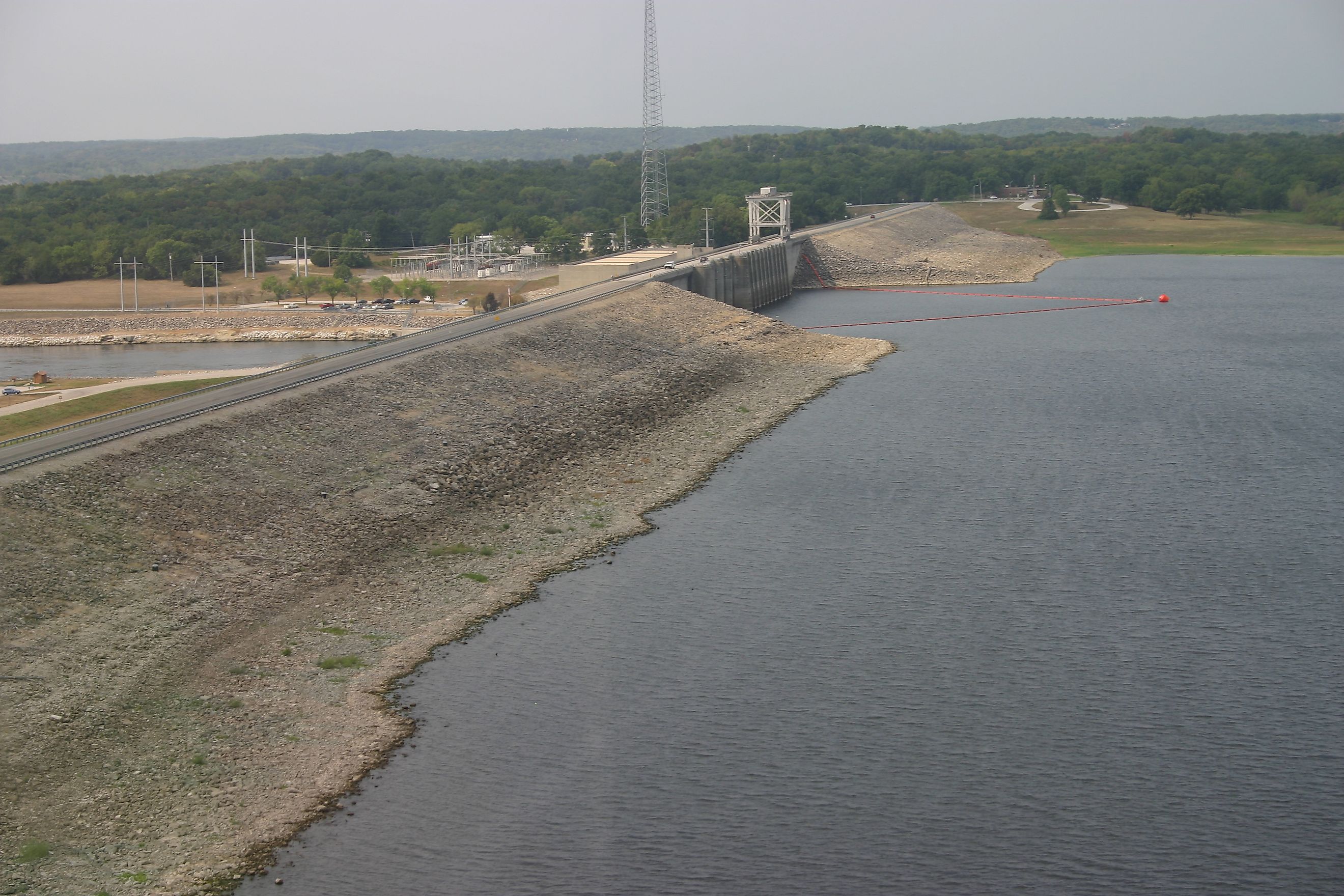
Missouri's big reservoirs are used for several things at once. The main purpose of Harry S. Truman Lake is flood control, but it is also run for power, for fish and wildlife, and for recreation. If the water fell below the level a given dam outlet needs to work, releases through it would stop. That would mean less water flowing downstream, warmer water, and less habitat in the river below the dam, which can harm fish, mussels, aquatic insects, and the plants along the banks. How bad it got would depend on rainfall and inflow, the dam's operating rules, downstream demand, and whether any other outlet could still be used.
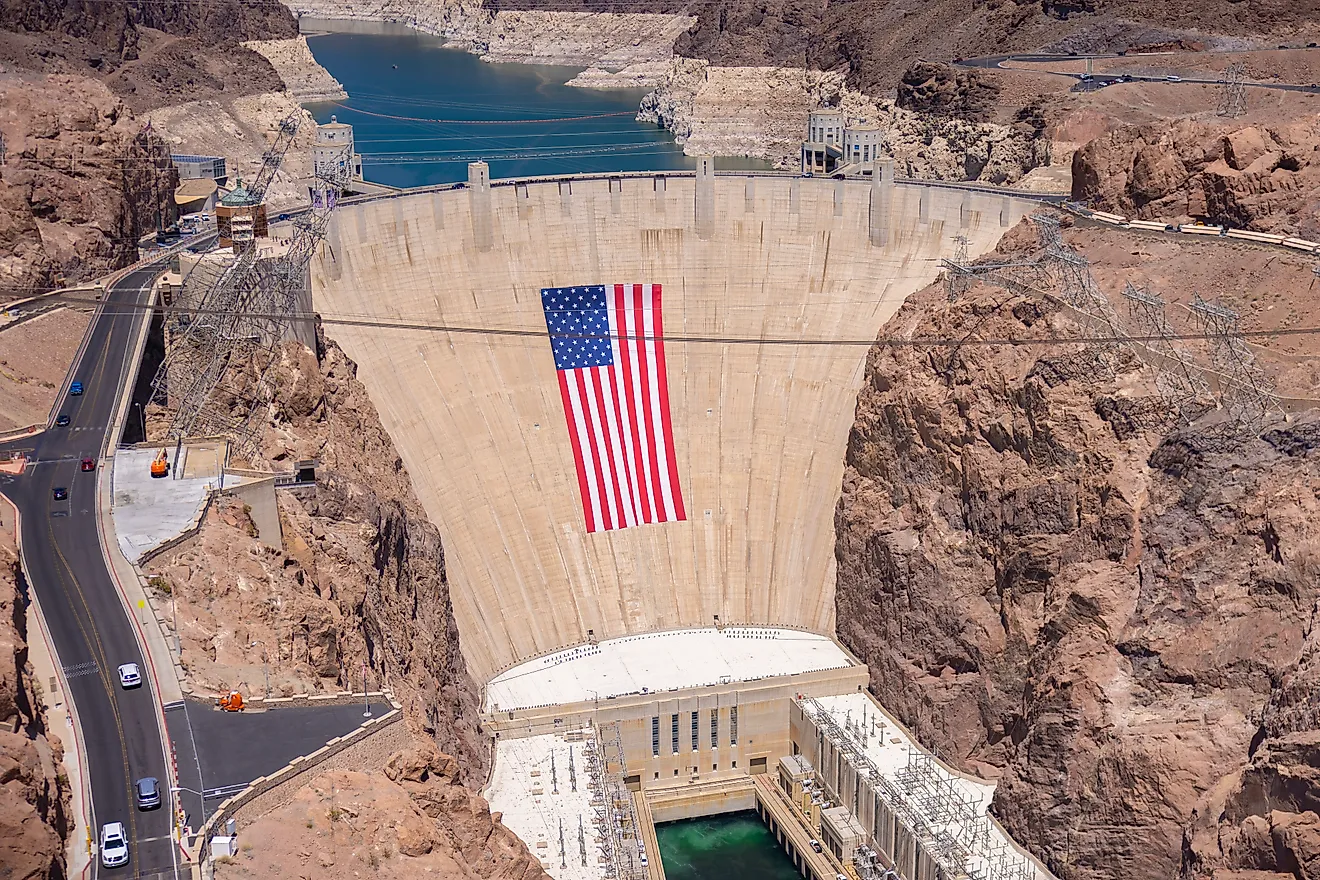
Hydropower could take a hit before the lake even looks low from shore. The Harry S. Truman Dam has six generating units, and they only run when there is enough water above the turbines to drive them. Losing that output would not black out the state, since the grid has many other sources, but it would remove power that operators can call on quickly when demand spikes, forcing them to make it up from other plants.
Recreation Would Be Affected First

Boaters and anglers usually feel it long before a reservoir gets anywhere near dead pool. Boat ramps, marinas, swimming areas, campgrounds, and fishing spots only work when the water is high enough and the docks and ramps still reach it. As the water drops, a ramp can end well short of the shoreline, docks can be left high and dry, and exposed stumps, mudflats, old roadbeds, and creek channels make boating dangerous.
The stakes are high around Harry S. Truman Lake, where boating, fishing, camping, and tourism are a big part of the economy in Warsaw and nearby towns. At normal pool it covers about 55,600 acres; at the top of its flood-control pool it can spread to about 209,000 acres. A deep drop would change that picture completely.
The same access problems would hit Pomme de Terre Lake near Hermitage and Stockton Lake in the southwest. People who normally spend at marinas, bait shops, and campgrounds may put off trips if the launches close or boating gets unsafe. Fish tend to crowd into whatever deeper water is left as lakes dry up and the warm shallows shrink.
Missouri Would Respond Before Dead Pool
Dead pool is a worst case, not the opening move. Long before a lake gets close, the warning signs are tracked. The Department of Natural Resources follows precipitation, water supplies, and drought damage, and the state's Drought Assessment Committee can call for tougher steps as conditions worsen. The committee gathers reports from around the state and flags where emergency help is needed. Water utilities run their own numbers too: how much they have stored, how long it would last without rain, which equipment is most at risk, what to do at each stage, and where more water could come from.
For households, using less water outdoors and fixing leaks cuts demand before any rules kick in. For communities, the bigger job is keeping several sources, keeping the intakes working, and having a clear plan ready. Missouri's reservoirs matter, but how much damage an extreme drop would do comes down to how well each town prepares before its lake ever gets that low.