How Lake Michigan Holds More Water Than The Entire Colorado River Carries In A Century
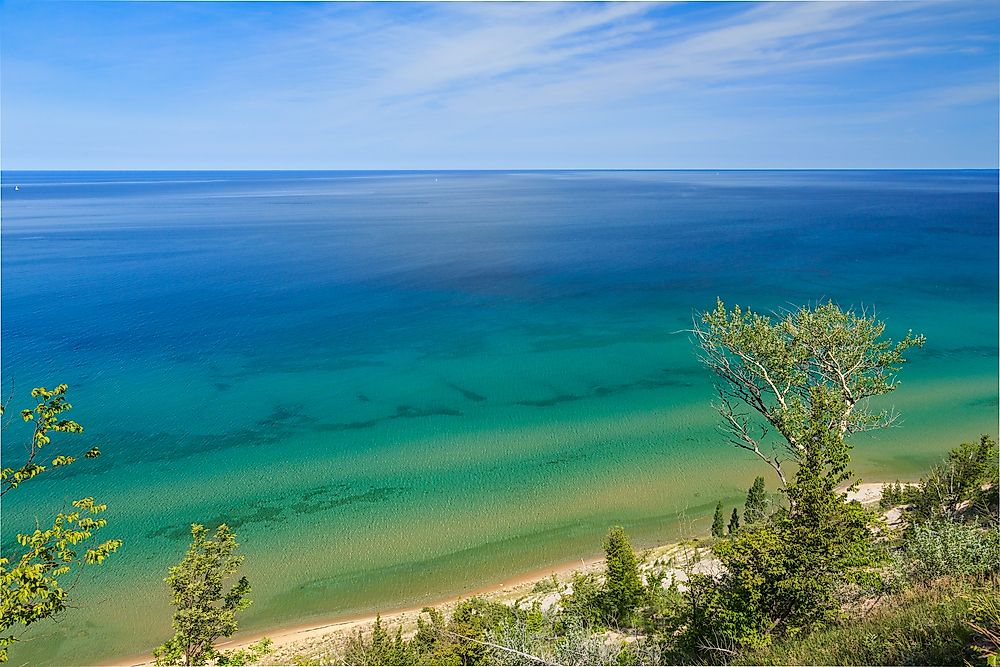
Lake Michigan holds 4,920 cubic kilometers of water. The Colorado River, measured as natural flow at Lees Ferry across the full 1906 to 2025 record, averages 14.6 million acre-feet a year, which works out to about 18 cubic kilometers. Divide one by the other and Lake Michigan contains roughly 273 years of the entire Colorado River. The headline undersells it by a factor of nearly three, which is the problem with trying to be conservative about a lake this size. Forty million people depend on that river. One lake in the Midwest is quietly sitting on nearly three centuries of it.
The Arithmetic
Both figures are well documented, which makes this a rare comparison needing no assumptions at all.
Lake Michigan holds 4,920 cubic kilometers, or 1,180 cubic miles. The Bureau of Reclamation's 2026 environmental impact statement puts natural flow at Lees Ferry at 14.6 million acre-feet a year for 1906 to 2025, and 12.3 million for 2000 to 2025.
One acre-foot is 1,233 cubic meters, so 14.6 million acre-feet is just over 18 cubic kilometers. Lake Michigan divided by that is 273 years. Using the drier recent average it is 324. Using the 16.4 million acre-feet the 1922 Compact negotiators assumed, it is 243.
Every Answer Beats A Century

The useful thing about the range is that the conclusion survives all of it.
Pick the wettest assumption anybody has ever applied to the Colorado and Lake Michigan still holds 243 years of it. Pick the hot-drought average of the past quarter century and it holds 324. No defensible figure gets anywhere near one hundred.
The honest headline would be three centuries, which sounds like an exaggeration and is the conservative reading.
The River Delivers 1.3 Days Of Lake Michigan A Year
Flipping the comparison round makes it worse, or better, depending which side of the continent you live on.
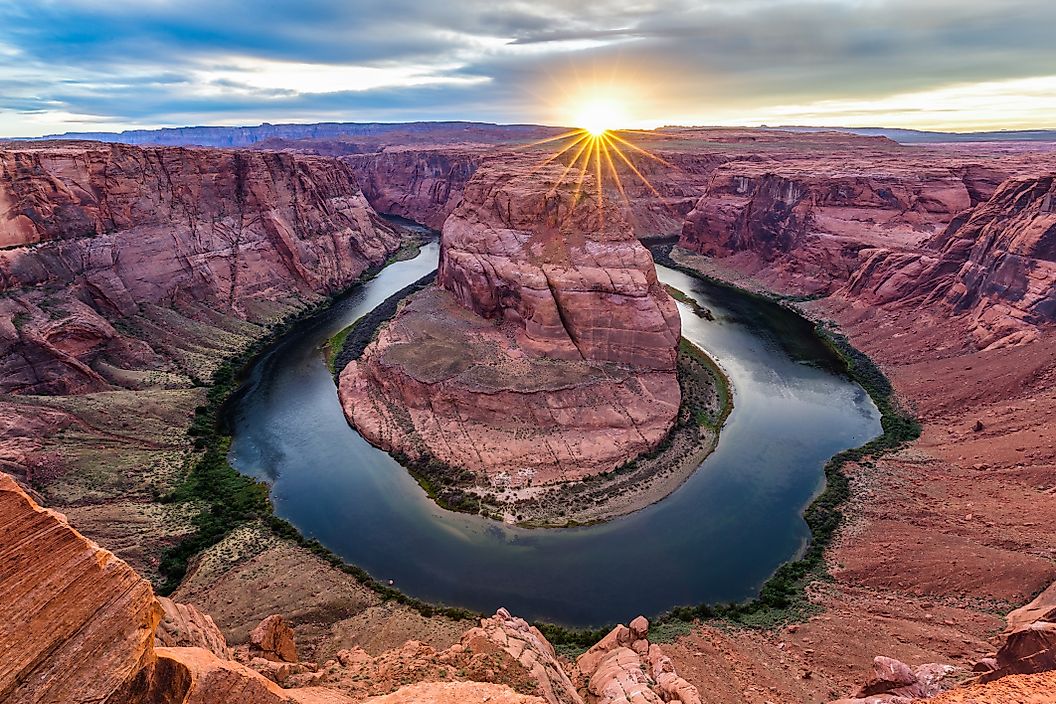
The Colorado's entire annual flow amounts to about 0.37 percent of Lake Michigan. Expressed as a fraction of the lake, the river delivers roughly 1.3 days' worth of Lake Michigan per year.
A river that supports forty million people, seven states, two countries and five and a half million acres of farmland moves, in twelve months, about the volume of a long weekend in Michigan.
Even Lake Erie Beats The River

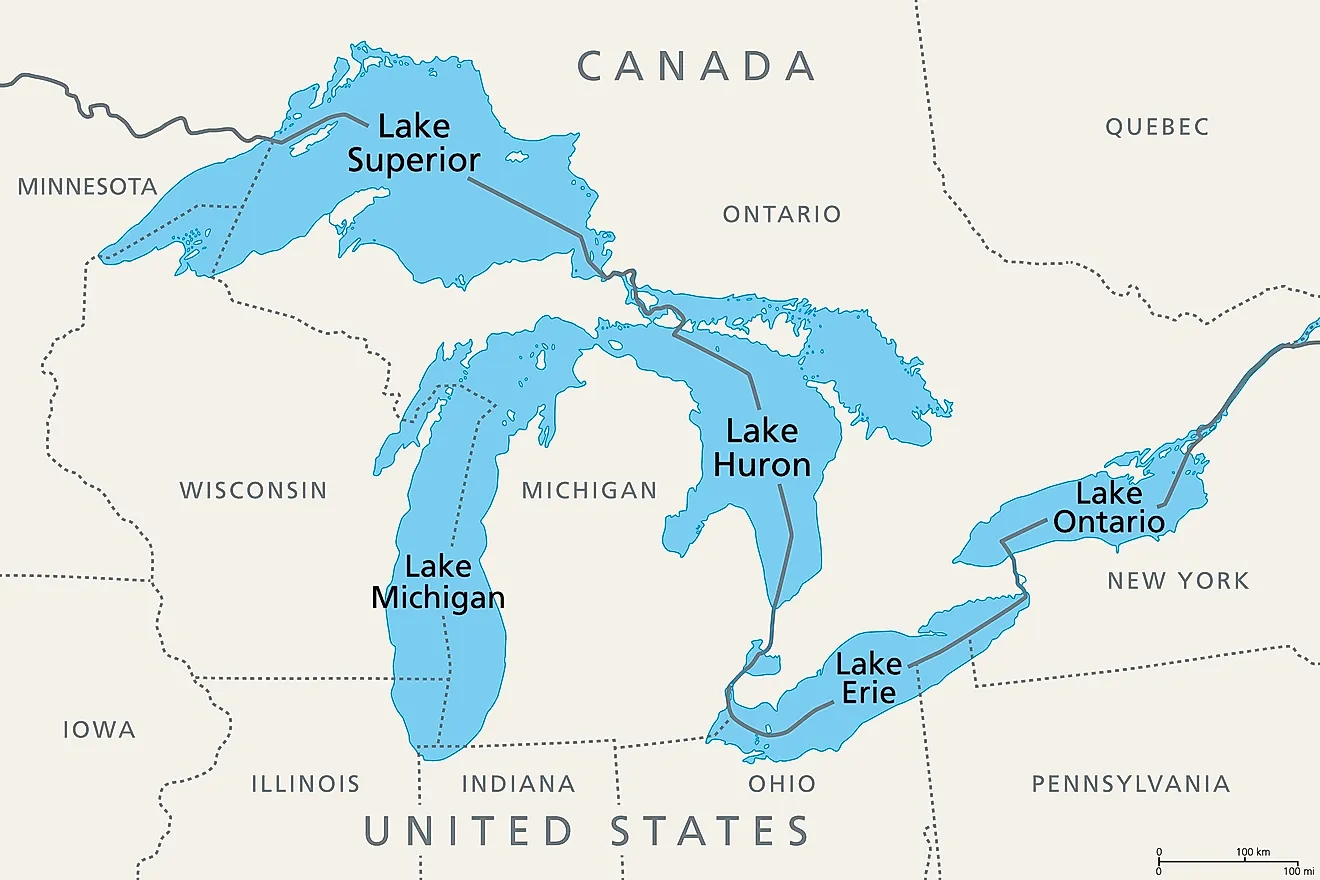
This is where the comparison stops being about Lake Michigan and starts being about the river. Lake Erie is the smallest Great Lake by volume at 484 cubic kilometers, the shallow one everybody uses as the punchline. It holds about 27 years of the entire Colorado River.
Lake Ontario holds 91 years, Huron 197, Michigan 273 and Superior 672. Four of the five beat a century on their own. All five together hold roughly 1,260 years of Colorado River flow.
The River Is Not Small, The Lakes Are Enormous
Before anybody concludes the Colorado is a creek, this comparison is doing something slightly unfair and it is worth naming.
Flow and storage are different quantities. A river is measured by how much passes a point in a year. A lake is measured by how much is standing there. Comparing them is legitimate but it flatters the lake, because the lake has been accumulating since the ice sheets left and the river is reporting a single year.
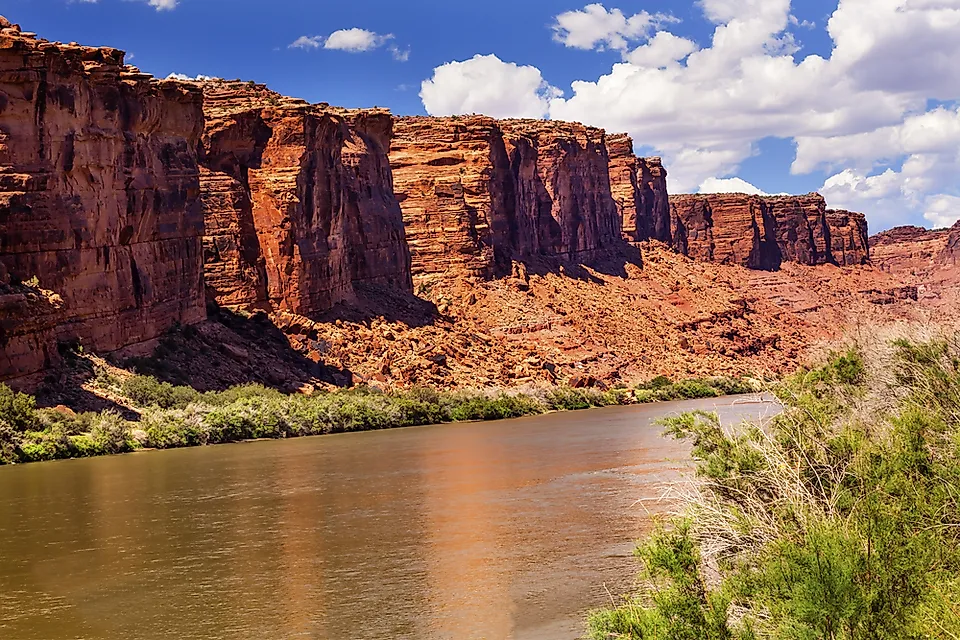
The Colorado is the sixth largest American river by volume of flow. It is not a small river. It is a normal river being compared to something that is not normal.
The Lakes Are Not Really Renewable Either

The standard retort is that the river replenishes annually and the lake does not. That is true, and considerably less reassuring than it sounds.
Less than one percent of Great Lakes water is renewed each year by precipitation and runoff. The rest is glacial meltwater left behind at the end of the last ice age. It is, functionally, a very large deposit rather than an income.
So the Colorado delivers a small amount forever and the Great Lakes hold an enormous amount once. Both are finite. Only one of them refills on a schedule.
Why The Colorado Is The One In Trouble

Volume is not what determines whether a water system works, which this comparison demonstrates entirely by accident.
The Colorado is in difficulty because 16.5 million acre-feet a year were allocated against a river that has averaged 14.6, and 12.3 since 2000. The gap between promises and flow is the entire problem, and it would exist at any river size.
Lake Michigan is comfortable because almost nobody is drawing on it at a rate that matters. Give the Great Lakes the Colorado's allocation arithmetic and the outcome would be the same, just more slowly.
Moving It Is Not The Answer

Every version of this comparison eventually produces the same bright idea, so it is worth heading off.
Great Lakes water cannot simply be piped west. The Great Lakes Compact, signed into federal law in 2008, bans diversions outside the basin with narrow exceptions for straddling communities. Eight states and two Canadian provinces would have to agree, and they have shown no sign of wanting to.
The engineering is also absurd. The lakes sit over 1,500 miles from the Colorado Basin with the Continental Divide in between, which is roughly a mile of uphill pumping for water that is currently free.
What The Comparison Is Good For

The point is not that the Midwest should share, and it is not that the Colorado is small.
It is that the American West built an economy of forty million people, seven states and two nations on a river carrying about one 273rd of one Midwestern lake, and made it work for a century. That is a remarkable piece of engineering rather than a failure.
The failure is arithmetic, and it happened in 1922 when the allocations were set against a wet decade that never returned.
The Short Answer
Lake Michigan holds about 273 years of the Colorado River at the river's long-term average, 324 years at its recent average, and 243 years even at the generous flow the 1922 Compact assumed. The headline is true and roughly three times too modest.
Lake Erie, the smallest Great Lake by volume and the one nobody takes seriously, holds 27 years of it. The Colorado is not a small river. It is simply being asked to do an enormous amount of work with what amounts to a rounding error in Michigan.